A lighthouse is a tower or structure equipped with a light, typically situated at the edge of coastlines, on islands, or at the entrance to harbors, designed to guide ships and vessels by marking dangerous coastlines, hazardous rocks, reefs, and safe entry points for maritime navigation. In Jamaica, lighthouses play a critical role in ensuring the safety of shipping routes that are vital for the...
Lovers' Leap Lighthouse, located in the parish of St. Elizabeth on Jamaica’s southern coastline, is a relatively recent addition to the island's network of lighthouses. Standing at an impressive elevation of approximately 1,600 feet above sea level, it offers an excellent vantage point for guiding vessels navigating the often-challenging waters off Jamaica's southern shore. The lighthouse was...
32 Market Street in St. Ann's Bay is the birthplace of Marcus Mosiah Garvey, Jamaica's first National Hero, and one of the most influential leaders of the 20th century. Born on August 17, 1887, Garvey was the youngest of eleven children in a humble family. Growing up in poverty, Garvey's formal education was limited, but his thirst for knowledge and his passion for self-improvement led him to become a...
"Regardless," located in the parish of St. Andrew, holds a deep personal and historical significance for Jamaica, particularly for the Rt. Excellent Norman Manley, National Hero, former Premier, and Founder of the People’s National Party. In 1962, after the sale of their original family home, Drumblair, Norman and Edna Manley moved to "Regardless." The sale of Drumblair, which went for £30,000 to a...
Roxborough, located in the parish of Manchester, is a historically significant site as the birthplace of National Hero, the Right Excellent Norman Washington Manley. The property was originally part of an estate called "Roxbro Castle," which was purchased in the late 19th century by Thomas Albert Samuel Manley, the father of Norman Manley. Norman Manley was born here on July 4, 1893, and spent his early...
Stony Gut, located in St. Thomas, Jamaica, is the birthplace of Paul Bogle, a National Hero and key figure in the Morant Bay Rebellion. This small village became the epicenter of a historic uprising led by Bogle, a Baptist deacon, after he and his brother Moses, along with other villagers, marched to Spanish Town to protest against the oppressive conditions in the parish. The return journey sparked a...
Hugh Shearer’s birthplace in Trelawny, located along the main road between Falmouth and Martha Brae, is a structure that reflects a blend of Jamaican vernacular architecture and modern elements. Though not the original house in which Jamaica’s third Prime Minister was born on May 18, 1923, to James Shearer, a World War I veteran, and Esther Lindo, a dressmaker, the existing house holds historical...
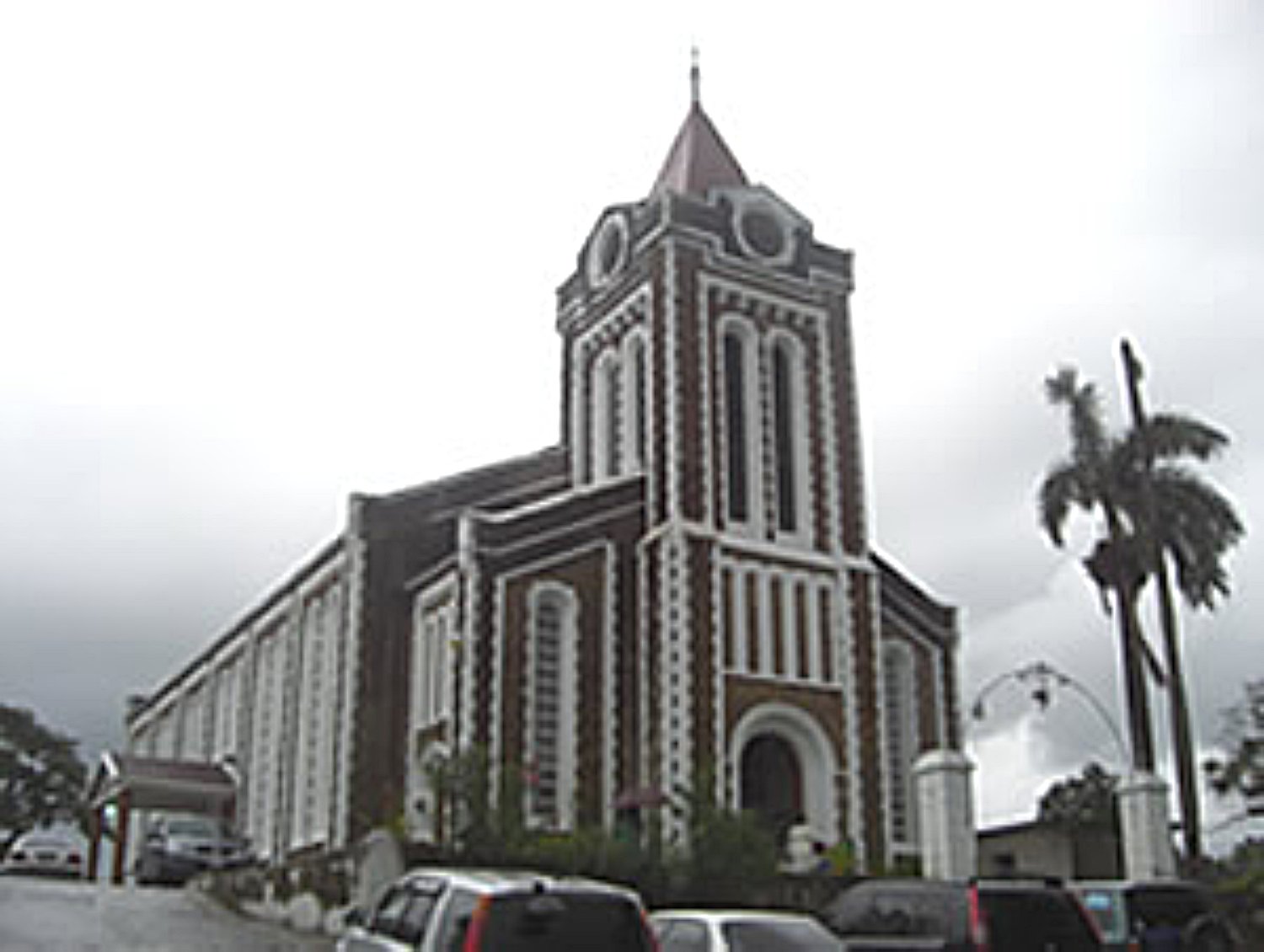
Portland Parish Church, also known as Christ Church, was established on land granted by John Dean and Jane Brown on September 3rd, 1836, for the purpose of constructing a place of worship. The church, predominantly built of brick with decorative stone and masonry elements, reflects the architectural styles of the period, showcasing the colonial influence on local design. The building's three-storey...
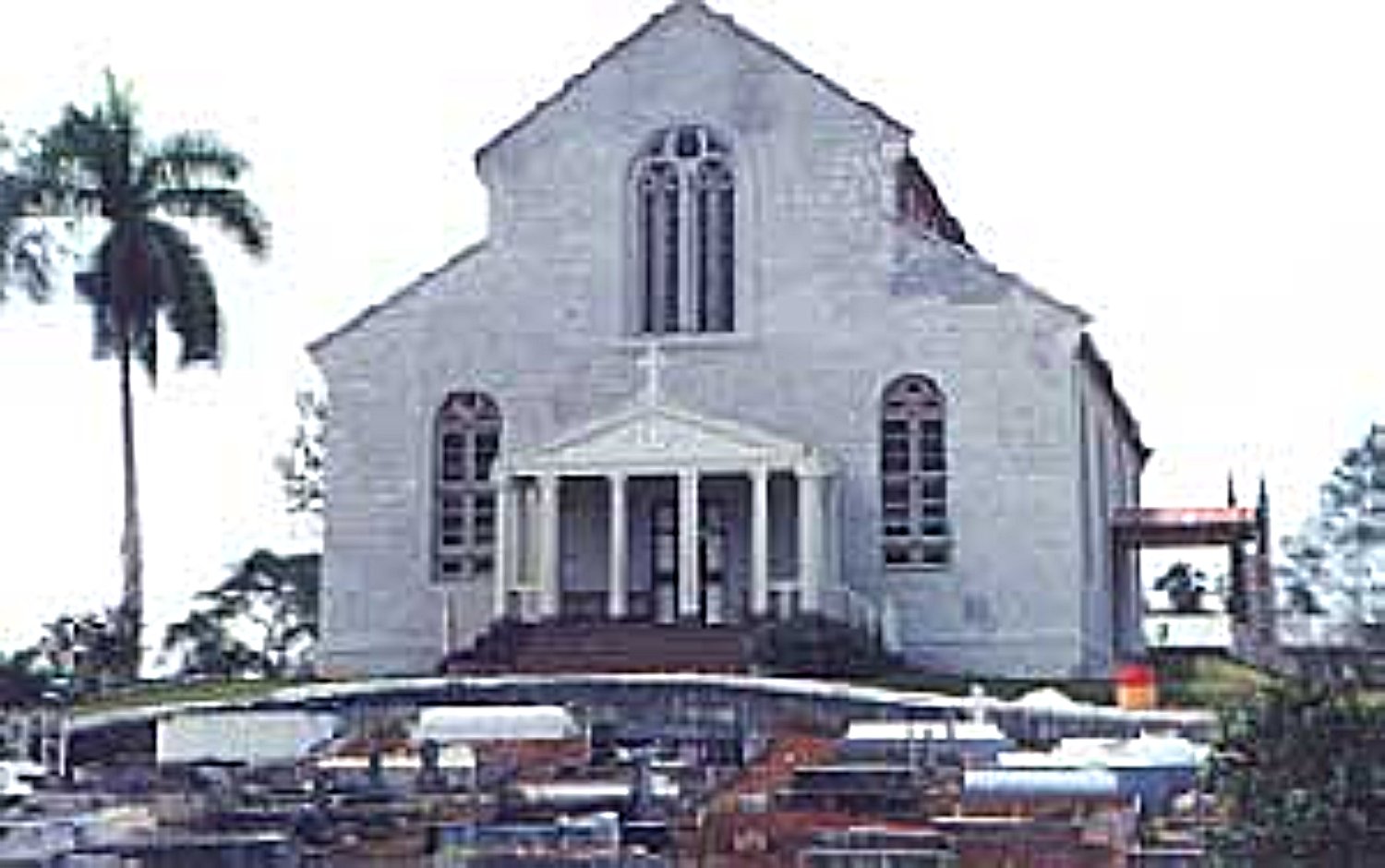
St. Mark's Anglican Church (Mandeville Parish Church)Parish: Manchester St. Mark's Anglican Church, also known as Mandeville Parish Church, is an iconic structure in the heart of Manchester, Jamaica. Completed and consecrated in 1820, the church has long been a central place of worship and community life in the parish. Its construction, primarily of stone, reflects both the durability and significance...
Parish: Kingston Wesley Methodist Church, constructed in 1825, stands as one of the oldest and most significant buildings in Kingston, Jamaica. Architecturally, it features a blend of Jamaican Georgian style with elements of Palladian influence, creating a timeless design that has withstood the test of time. This church was erected during a period of great challenge in Jamaican history, specifically...
Parish: Kingston The St. Andrew's Scots Kirk, located in Kingston, is the principal Presbyterian Church in Jamaica and a landmark of religious and architectural significance. The current structure was rebuilt after the devastating 1907 earthquake on the foundation of the original church. During the restoration, adjustments were made to the design, including the removal of one of the four original...
Parish: Kingston Coke Methodist Church, located in Kingston, was named after Dr. Thomas Coke, a prominent figure in the founding of the Methodist Mission in the West Indies. Dr. Coke, an English missionary and bishop, played a vital role in spreading the Methodist faith across the Caribbean in the late 18th and early 19th centuries. The church was originally established in 1840 on the site of the very...
Parish: Kingston The Kingston Parish Church, established around 1911, stands as a significant landmark in Jamaica’s capital, bearing a rich history intertwined with the city’s cultural and architectural evolution. This current structure was built on the foundations of the original church, which was destroyed during the catastrophic earthquake of 1907. With the exception of its iconic clock tower,...
Parish: St. Catherine The Mount Nebo Baptist Church is renowned for its unique architectural feature: the steepest roof among all church buildings in Jamaica, making it a distinct landmark in the parish of St. Catherine. Originally founded in 1837, the current chapel represents a later development, constructed in the early 20th century to replace earlier structures. The present Gothic-style edifice...
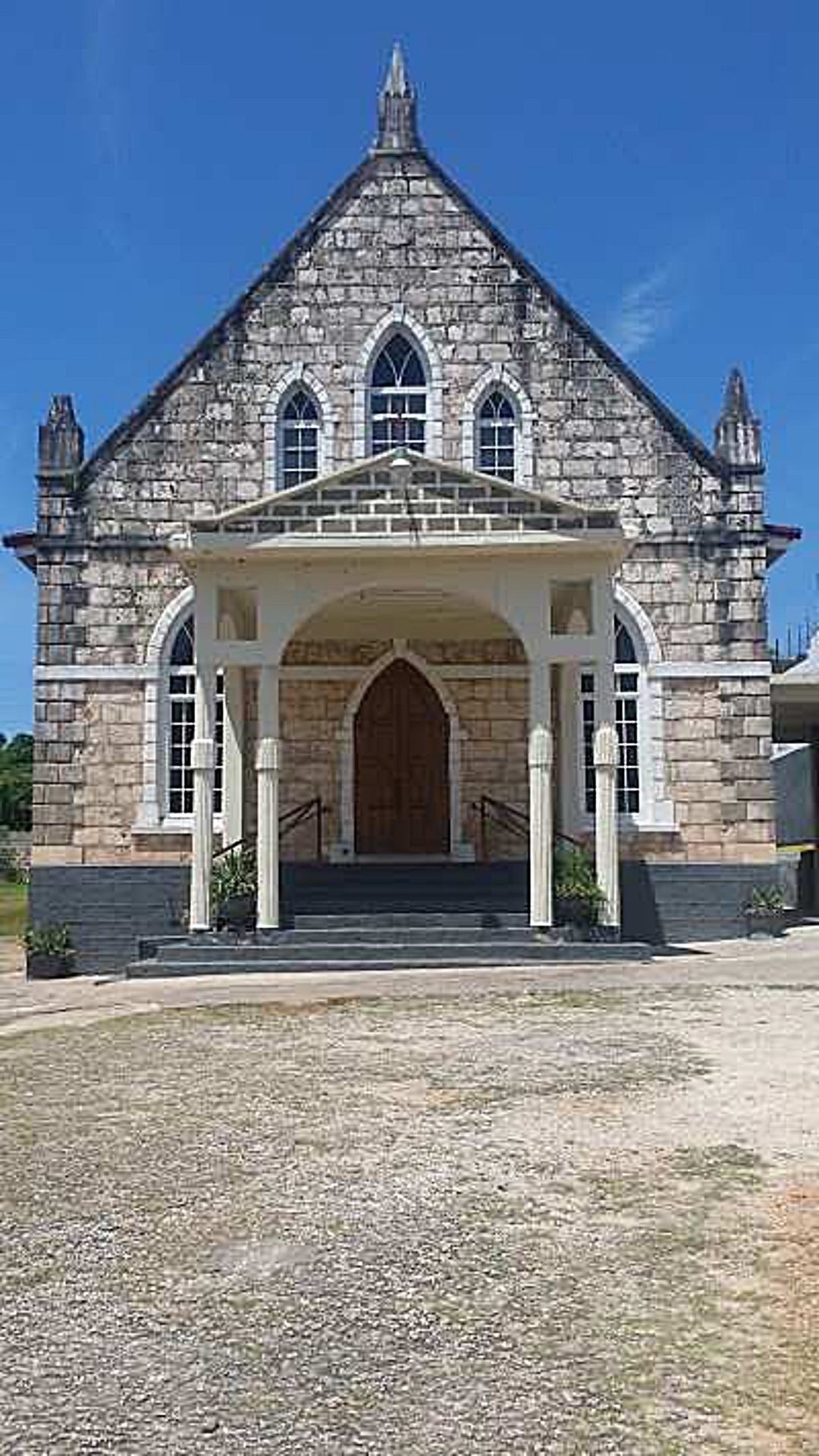
Parish: Manchester The New Broughton United Church, originally established as a Presbyterian church, is an iconic early 19th-century structure that reflects both historical and architectural significance. Constructed between 1837 and 1842, the church is built from finely cut stone and mortar, showcasing meticulous craftsmanship of the era. Its architectural design features a single-storey configuration...