


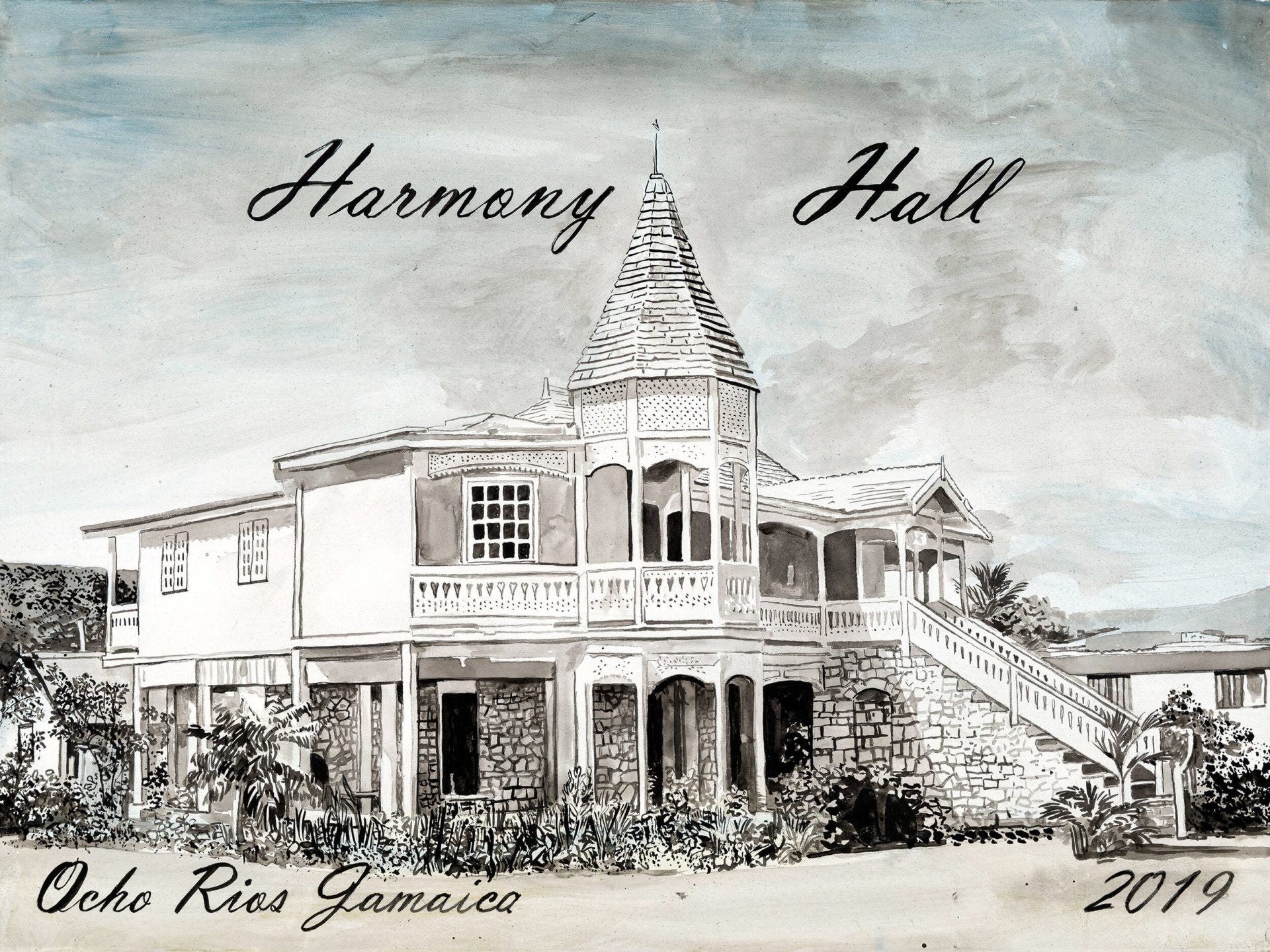
Jamaican heritage sites are special places that tell the story of Jamaica’s history and the many cultures that have shaped the nation over time. The Jamaica National Heritage Trust is in charge of protecting these important sites so people today, and in the future, can learn about Jamaica’s past. These sites include buildings, towns, and other landmarks that help us remember important events and figures in Jamaica’s history.
In each parish across Jamaica, you’ll find unique heritage sites. For example, in St. Andrew, there’s Gordon House, where important government decisions are made. Moore Town in Portland is home to the Maroons, who were some of the first people in Jamaica to fight for freedom. Sam Sharpe Square in St. James honors National Hero Sam Sharpe and his role in ending slavery.
Many churches are also part of Jamaica’s heritage. In Clarendon, there’s St. Peter’s Church, one of the oldest churches in Jamaica. St. Andrew Parish Church in Kingston has been around for centuries and holds a lot of history. Other churches, like Our Lady of Perpetual Help in St. Ann and Mount Nebo Baptist Church in St. Catherine, also have important stories to tell about the people and events that shaped Jamaica.
Schools are another important part of Jamaican heritage. Northern Caribbean University in Manchester is a well-known place of learning, while Jamaica College and Mico College in St. Andrew have educated many Jamaicans who went on to make a difference in the country. In St. Elizabeth, Munro College and Hampton School are two historic schools, and Manning’s High School in Westmoreland is also part of Jamaica’s education legacy.
These heritage sites are protected and celebrated because they help keep the history and customs of Jamaica alive for everyone to experience and learn from.