


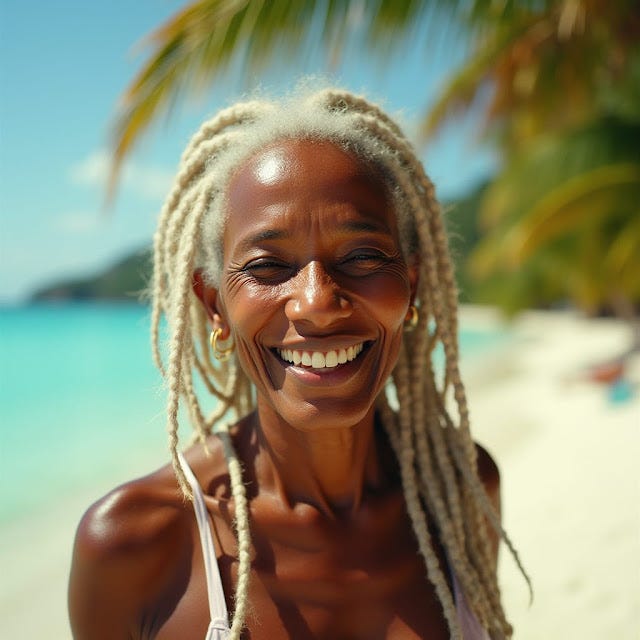
Coming back to Jamaica, not as visitors, but as people reclaiming place, memory, and meaning
In Jamaica, the term returnee carries more weight than its simple definition suggests. It refers to a citizen or person of Jamaican origin who has lived abroad and chooses to come back, whether for retirement, reintegration, or a new phase of life. But beyond the formal meaning, a returnee represents a cycle completed. It is migration turning inward, distance giving way to belonging, and experience gathered overseas being brought home.
Jamaica’s history is deeply tied to movement. For generations, Jamaicans have travelled to the United Kingdom, the United States, Canada, and beyond, often in search of opportunity, education, or stability. These journeys built the diaspora, but they also created a quiet expectation that one day, for some, there would be a return. That return is rarely immediate. It is planned, delayed, reconsidered, and then, eventually, acted upon.
Returning to Jamaica is not the same as visiting. A visitor sees the island in moments. A returnee must live within its systems. This distinction shapes the experience. Many returnees arrive with strong emotional ties, with memories of family, community, and a version of Jamaica that may no longer exist in the same form. The island they return to is both familiar and changed. Adjusting to that reality requires flexibility.
One of the first considerations for returnees is legal and financial status. The government provides certain concessions, particularly through returning resident programmes, allowing for the importation of personal and household items under specific conditions. These concessions can ease the transition, especially for those relocating permanently. However, they come with requirements and timelines that must be carefully followed. Documentation, proof of residency abroad, and declarations of intent are all part of the process.
Housing is often central to the return. Some returnees come back to family land or inherited property. Others purchase new homes, frequently in gated communities or emerging developments across Kingston, St Andrew, and St Catherine. Coastal areas also attract returnees seeking a quieter lifestyle. The decision is shaped by access to services, proximity to family, and long term plans. For many, owning a home is not just practical. It is symbolic, a statement that the return is real.
Financial adjustment can be one of the more challenging aspects. Earnings and pensions from overseas may provide stability, but the cost of living in Jamaica can be higher than expected in certain areas, particularly for utilities, imported goods, and private services. Exchange rates play a role, sometimes working in favour of returnees, sometimes not. Careful budgeting is essential, especially for those without ongoing foreign income.
Healthcare and access to services are also important considerations. Jamaica offers both public and private healthcare systems. Many returnees choose private healthcare for convenience and speed, often supported by insurance. Understanding what is available locally, and how it compares to what was experienced abroad, helps set realistic expectations.
Social reintegration is less discussed but equally significant. Returnees often straddle two worlds. They bring with them habits, expectations, and perspectives shaped by life overseas. At the same time, they are reconnecting with a society that has its own pace, norms, and structures. This can create moments of friction, but also moments of rediscovery. Community ties, family networks, and shared culture often ease this transition, but it is not without adjustment.
For some returnees, the move back is not solely about rest or retirement. It is about contribution. Many bring skills, experience, and capital that can be applied to business, mentorship, or community development. This has led to a growing role for returnees in sectors such as real estate, tourism, and services. Their involvement can introduce new ideas while remaining grounded in local understanding.
Security and lifestyle considerations also shape decisions. Gated communities, security systems, and location choices reflect a desire for comfort and safety. At the same time, returnees often seek the very things that drew them back, space, climate, culture, and a slower pace of life. Balancing these priorities is part of settling in.
Culturally, the return carries meaning beyond the individual. It reinforces the connection between Jamaica and its diaspora. Each returnee represents a link maintained, a relationship sustained over distance. Their presence influences communities, economies, and perceptions of what it means to belong.
Yet the idea of return is not always permanent. Some returnees move between countries, maintaining a presence in Jamaica while keeping ties abroad. Others test the transition before committing fully. This flexibility reflects modern realities, where identity and residence are no longer fixed in one place.
By 2025, returnees remain a quiet but powerful force within Jamaica. They contribute to the housing market, bring foreign exchange, and reconnect global experience with local life. At the same time, they navigate a complex transition, balancing expectation with reality, memory with present conditions.
To return to Jamaica is not simply to go back. It is to arrive again, with new eyes and different understanding. It is to rediscover a place that has continued without you, and to find your place within it once more. For those who make that journey, the return is not just a movement across borders. It is a movement within, toward something that was never fully left behind.