


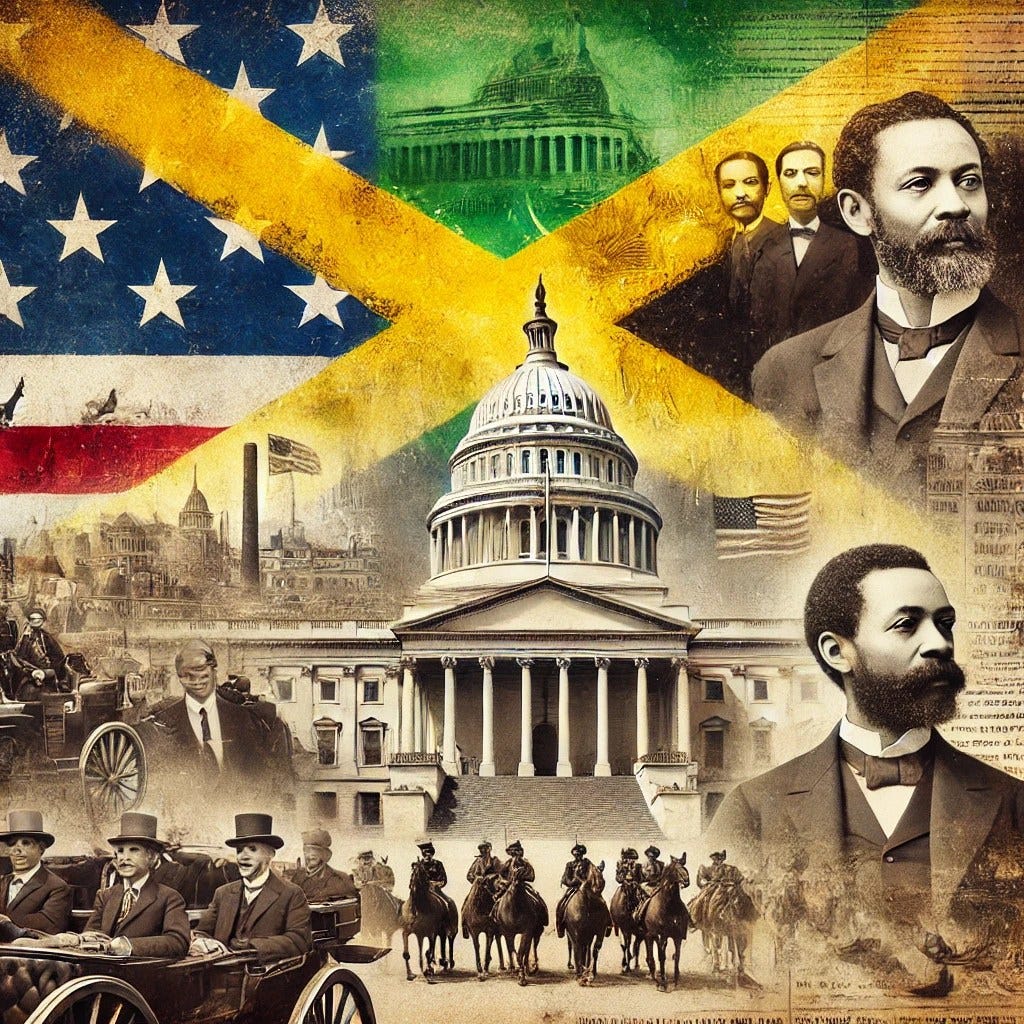
The idea of Jamaica becoming a U.S. state is not under serious consideration. Jamaica has been independent since 1962, but discussions about closer ties with the U.S. have surfaced throughout history.
In the early 20th century, some advocated for U.S. expansion in the Caribbean, including Jamaica. In the 1970s, Prime Minister Michael Manley pursued ties with socialist nations, distancing Jamaica from U.S. influence. Later, economic struggles led to speculation about closer integration with the U.S. In 2017, a poll found some Jamaicans supported statehood for economic reasons, though most favored sovereignty. Today, no political movement is pushing for U.S. statehood.
What Would It Mean for Real Estate?
Property Laws: Jamaica follows English common law. Statehood would require adapting to U.S. property laws, affecting land tenure, taxation, and registration.
Economic Impact: Statehood could increase foreign investment, raise property values, and provide access to U.S. mortgage markets. Currently, Jamaica relies on tourism, remittances, and foreign direct investment.
Infrastructure & Tourism: U.S. federal funding could improve roads, utilities, and housing, increasing property values, especially in Montego Bay, Ocho Rios, Kingston, and Negril.
Market Growth: Jamaica’s real estate sector is projected to grow 2.09% between 2025 and 2029, reaching US$98.74 billion. Statehood could accelerate growth by attracting more U.S. investors and retirees.
Though Jamaica has a history of U.S. influence, no movement exists for statehood. The nation remains focused on economic independence and cultural identity.
Disclaimer: This discussion is purely hypothetical and based on historical context, economic speculation, and real estate trends. As of February 2025, there is no official movement or proposal for Jamaica to become a U.S. state. Any analysis provided is for informational purposes only and does not reflect any governmental policies or plans.