

Hackney to Half-Way Tree: A Journey Home, A Real Talk About Jamaica, Real Estate, and the Real Deal

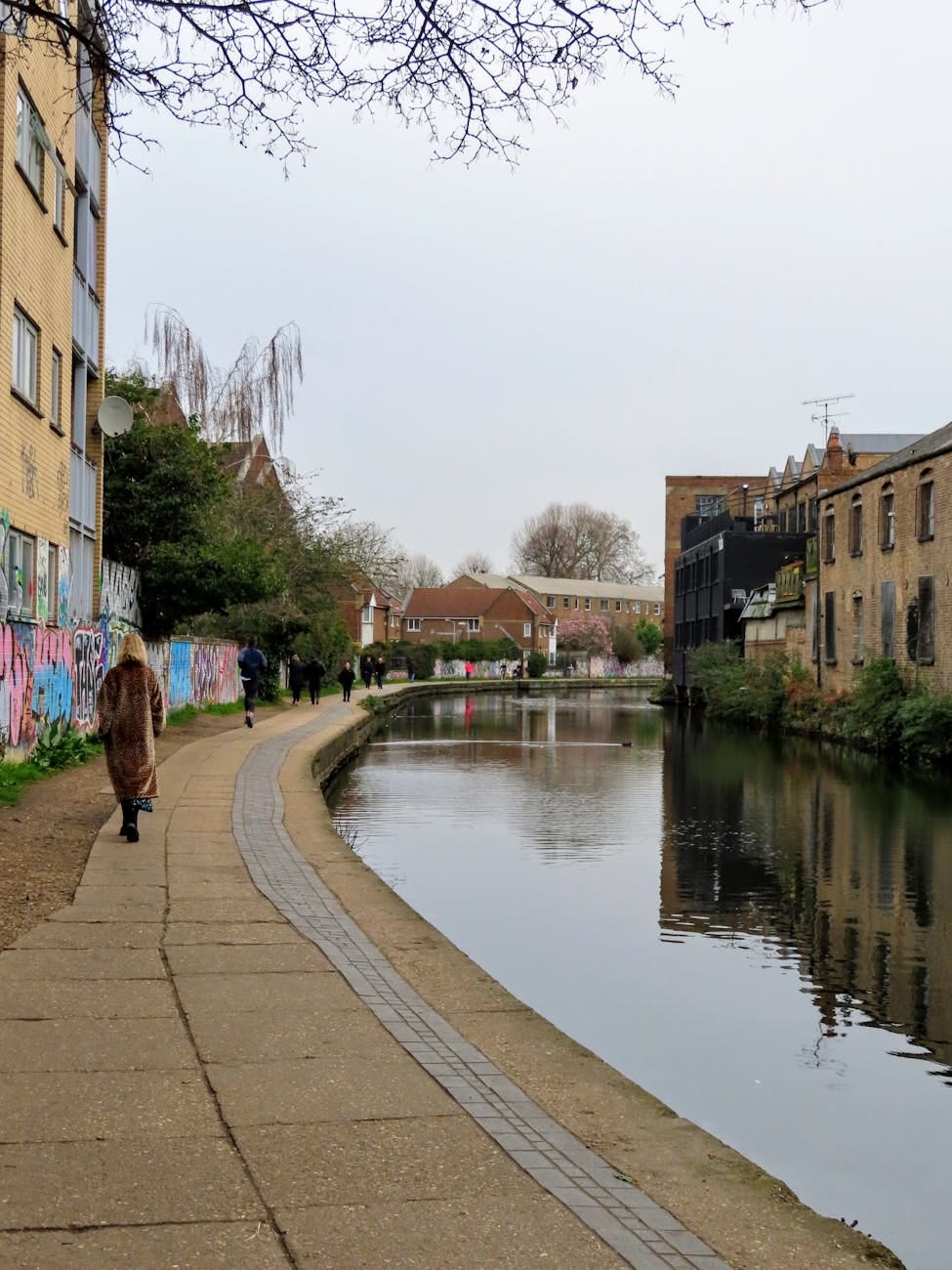
There’s something unique about standing at the crossroads of Hackney and Half-Way Tree—not physically, but metaphorically. It’s a space between worlds. Between the grey bricks and red letterboxes of the UK and the vibrant zinc fences and ackee trees of Jamaica. Between childhood memories of walking barefoot to the corner shop in Maroon Town and adult realities of mortgages and planning permissions.
I’ve lived this journey—born of the Windrush generation, educated in the UK, and now building roots again in Jamaica. Like many others, my story is not one of fantasy or “rags to riches”, but of real transitions, tough choices, deep cultural roots, and an unwavering desire to see Jamaica grow—especially in the world of property investment.
This blog is not a sales pitch. It’s a guide, a warning, and an insight into investing in Jamaican real estate from someone who’s lived both lives. So walk with me—through red post boxes, sugarcane fields, Spanish Town markets, and gated communities.
Roots and Routes: The Windrush Generation
Let’s rewind the clock to the late 1940s.
June 22, 1948: The HMT Empire Windrush docked at Tilbury, Essex. On board were over 800 West Indians, mostly Jamaicans, coming to help rebuild post-war Britain. It was a landmark moment that changed Britain forever. Headlines read: “Welcome Jamaican Workers!” But the welcome was often cold, with racism, poor housing, and hard labour defining much of their early years.
My own grandparents were part of this legacy. Though born in the UK, I spent large portions of my childhood in Jamaica—barefoot in the bush, floating in a tyre on the now-eroded Hellshire Beach, eating fried fish and festival, singing “water come inna mi room…” after Hurricane Gilbert devastated the island in 1988. I even got chased by a cow once. Long story.
From Guy’s Hill to Spanish Town, from the musical hum of the Isles side of my family to the warrior spirit of Maroon Town—my roots are dug deep into the Jamaican soil. That soil, though rich, has challenges. Especially for those seeking to invest in land or buy property.
Why Jamaicans Abroad Come Home—and Why Many Don’t Stay
Let’s be real: Many returnees come back with high hopes and grand visions—mansions with eight bedrooms, flashy finishes, big gates. And sometimes, dreams turn into dramas.
You see, from the UK side, there’s this image of the Jamaican returnee. Blinged out. Designer shoes. Flashy SUV. But often, those same people are working double shifts in Croydon, Harlesden or Hackney just to keep up that image.
The illusion hurts us. It feeds a perception that British Jamaicans are rich, and it makes us targets for scams and inflated prices.
“I’ve seen people spend their whole pensions building homes they’ll never live in,” I often tell people. “Some don’t even make it to see the paint dry.”
The truth? Jamaica is a place of beauty, but it’s also a place where you must tread wisely. Whether you’re from Birmingham or Brooklyn, don’t let nostalgia blind you.
Hellshire to Eltham: Memory vs. Market
Let’s talk real estate.
Back in the day, Hellshire Beach was a family haven. Today, due to environmental degradation and encroaching development, it’s barely recognisable. And that story plays out across the island. Areas that once felt untouched and idyllic have changed—some for better, some for worse.
Key things returnees and investors must watch out for:
Land Titles and Ownership Issues
Jamaica still struggles with informal settlements and unclear land ownership, especially in rural areas. You might buy land that’s been in “Miss Mavis’ family since slavery”—but without a registered title, it’s risky.Investment in the Wrong Area
Don’t get caught by the view and forget the neighbourhood. Just because it’s “close to town” doesn’t mean it’s safe, or that it will appreciate in value. “Location is everything. But right location is everything else,” I say.Unregulated Construction
Uncle Trevor might say he can build your house for half the cost. But no permits, no engineers, and no structural integrity equals long-term losses and unsafe buildings.Estate Fraud & “Sweet Deals”
If it sounds too good to be true in Jamaica—it usually is. Be wary of fake listings, inflated valuations, or distant cousins trying to sell you land “on behalf” of someone overseas.
Lessons from Hackney, Hope from Half-Way Tree
Having lived in places like Islginton and Hackney while studying at Central Saint Martins, I learned that what Britain gets right—planning, public access, documentation—we can learn from. But Jamaica doesn’t have to become a mini-London.
Instead, it needs systems that protect locals and returnees alike.
“I believe in building with integrity,” I tell clients at Coldwell Banker. “We don’t just sell you land. We sell you a future—if you’re wise enough to plan properly.”
Key Eras, Headlines and Wake-up Calls
Let’s bring in some real events that have shaped this conversation:
1988 – Hurricane Gilbert: It was a national trauma. Houses flattened. Electricity gone. It reminded everyone how fragile infrastructure is. If you’re building in Jamaica, make sure you build for hurricanes, not just aesthetics.
2000s – Rise of Gated Communities: As crime became a larger concern, developments like those in Portmore, Mandeville, and St. Catherine embraced gated living. For many returnees, these are the safest bet.
2022 – “Elderly UK Returnee Killed in St. James” (actual headline): A chilling reminder that retirees returning without proper security plans are at risk. Never ignore safety when planning your move back.
2023 – Beryllium Robberies and Violence Around Money Movements: These incidents remind us that economic hardship fuels crime. When you come home, come humbly, and build discreetly.
From Post Boxes to Patios: Cultural Contrasts
I still have fond memories of red post boxes, double-decker buses, and fish & chips on a cold London night. And yet, there’s nothing like the smell of jerk chicken or fried fish, sizzling at a roadside stand or watching a Kingston sunset while sipping sorrel.
Britain taught me structure. Jamaica taught me soul.
But let’s not romanticise. Jamaican bureaucracy can be slow. Customer service inconsistent. Corruption? Still an issue. But the warmth of the people, the sunshine, and the potential for real growth? That’s what keeps me here.
Practical Advice for Returnees and Investors
Use a Registered Realtor (Like Me)
We know the market. We know the people. We know the potholes—literal and figurative.Start Small
Test the waters. Buy a condo. Rent it out. See how you manage from abroad before committing to a 6-bedroom villa.Get a Trustworthy Power of Attorney
Someone who can handle documents on your behalf. Preferably not Uncle Trevor.Vet Your Builder
Always ask for previous work. Ensure permits are in place. Don’t hand over lump sums.Don’t Build Without a Plan
“Mi jus’ a go dash up a little ting” is not a plan. Have a strategy. Know your exit route. What if you want to sell? Who’s your market?
Final Thoughts
Jamaica is home. Whether you were raised in Hackney, Handsworth, or Hounslow, you carry the island in your bones. And there’s no shame in wanting to return, build, invest, or just reconnect.
But come prepared.
Don’t get fooled by beach photos and hotel brochures. Come with your eyes open. Work with someone who’s walked both paths. That’s why I started Jamaica Homes—to give returnees, retirees, and investors a bridge between two worlds.
“I’ve been stung by jellyfish, chased by cows, and taught by both British and Jamaican systems,” I often laugh. “So trust me, I’ve got you.”
Welcome back. But step smart. The island is beautiful—but it’s no joke.
If you’re planning to invest or relocate, visit JamaicaHomes.com or contact Dean Jones directly for a free consultation. Because when it comes to real estate, it’s not just about the land—it’s about the legacy.
Disclaimer:
The views expressed in this blog are based on personal experiences and professional insights from Dean Jones, founder of Jamaica Homes and a licensed Realtor Associate. While every effort has been made to ensure the accuracy of the information shared—especially regarding real estate investment and cultural transitions—readers are encouraged to seek independent legal, financial, and professional advice before making any decisions. References to historical events, personal memories, and real estate scenarios are intended for informational and storytelling purposes only and are not a substitute for tailored advice. Jamaica Homes is not liable for any decisions made based on the content of this post.