


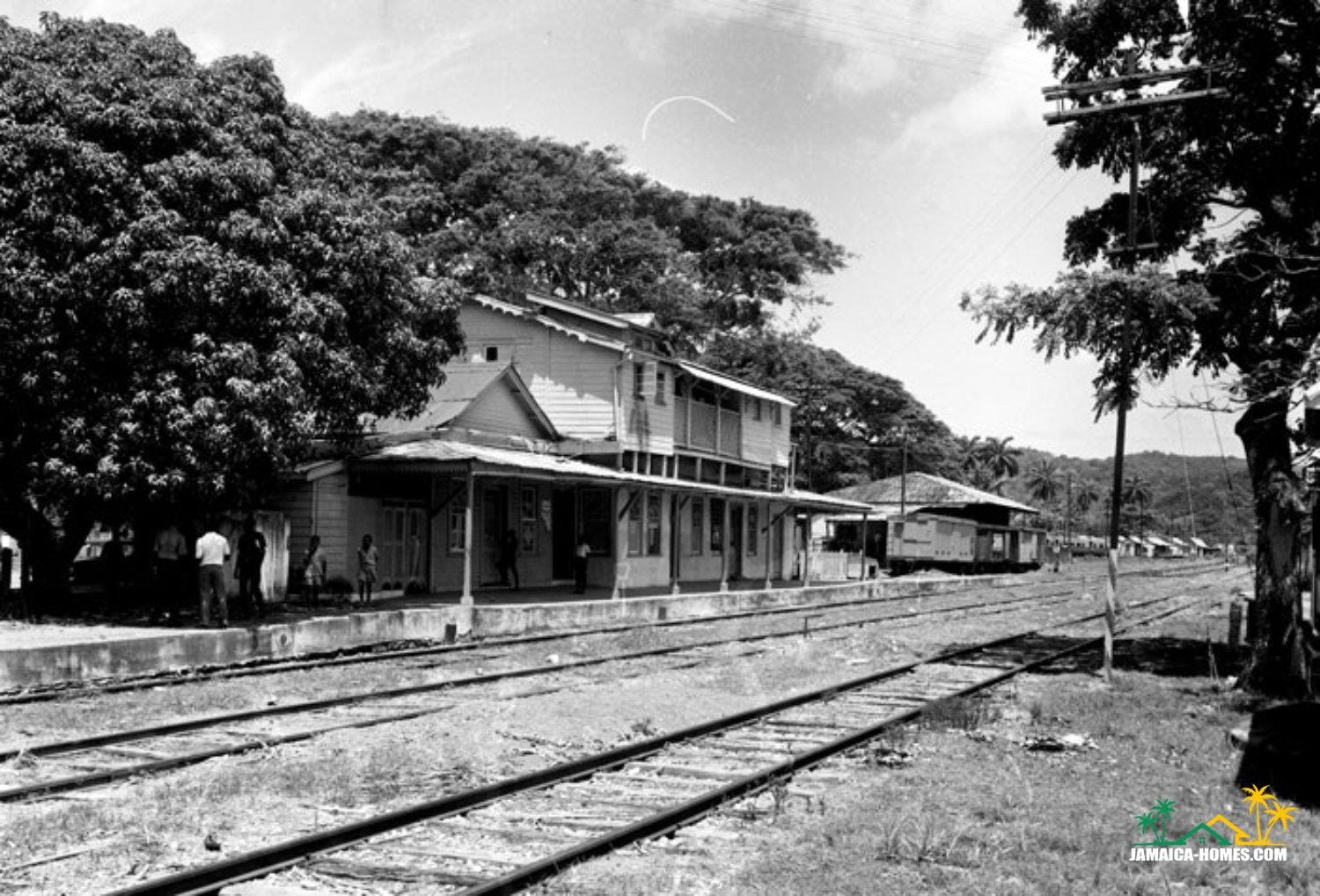
St. Catherine, established in 1664, is one of Jamaica’s seven oldest parishes. Spanning 459.7 square miles, it became one of the island’s largest parishes in 1867 with the incorporation of St. John, St. Thomas in the Vale, and St. Dorothy. The parish’s fertile southern plains have supported plantations and livestock, while its northern hills foster small-scale farming. The Rio Cobre River, a defining feature, has shaped its geography, economy, and history.
Early Inhabitants: The Tainos
Long before European contact, St. Catherine was home to the Tainos. Archaeological evidence from 38 identified sites, including middens, villages, burial grounds, and pictographs, reveals a rich culture of skilled farming, hunting, and artistry. Sites like White Marl, Mountain River Cave, and Rodney’s House highlight Taino ingenuity through tools, pottery, and rock carvings. Their influence remains in place names like Guanaboa Vale and cultural artifacts.
Spanish Era (1494–1655)
In 1494, Christopher Columbus arrived, followed by Spanish settlers who established Villa de la Vega (Spanish Town), Jamaica’s second capital. With fertile lands and proximity to the Rio Cobre, the town thrived as an inland administrative hub. The Spanish economy relied on cattle ranching and sugar production, supported by settlements like Passage Fort and Guanaboa Vale. Villa de la Vega’s layout and infrastructure laid the groundwork for its future prominence.
English Conquest and Governance
The English seized Jamaica in 1655, transforming Villa de la Vega into Spanish Town, their administrative center. By 1664, St. Catherine was formally recognized as one of Jamaica’s original seven parishes. The parish expanded in 1867, absorbing neighboring areas to streamline administration. This growth included regions like Linstead, Bog Walk, and Old Harbour, solidifying St. Catherine as an agricultural and economic powerhouse.
Growth of Spanish Town
Spanish Town retained its grid-like layout from Spanish rule and became the heart of administrative, social, and religious life. Streets like Monk Street and White Church Street reflect its Catholic heritage, while the Cathedral of St. Jago de la Vega, built over the original Spanish chapel, remains a prominent landmark. Despite challenges such as pirate raids, Spanish Town evolved into a thriving center for governance and commerce.
Economic Development
Throughout its history, St. Catherine’s economy has been rooted in agriculture and trade. Under both Spanish and English rule, it produced key goods like sugar, livestock, cassava, and pimento. Ports such as Passage Fort and Port Esquivel facilitated commerce, while estates like Colbeck Castle symbolized plantation activity. Spanish Town’s diverse population—freed blacks, mulattoes, and enslaved Africans—contributed as skilled laborers and artisans, fostering a melting pot of cultures.
Transformation of St. Catherine’s Boundaries
Initially smaller in size, St. Catherine expanded significantly after the 1867 merger of St. John, St. Thomas in the Vale, and St. Dorothy. This reorganization not only reduced administrative costs but also incorporated key areas like Old Harbour and Linstead, enriching the parish’s agricultural and cultural landscape.
Key Historical Sites
St. Catherine is rich with historical landmarks, each telling a unique story:
White Marl Taino Site: Jamaica’s largest known Taino settlement, featuring a burial cave and artifacts.
Rodney’s House: A Taino village and midden site that offered insights into pre-Columbian life.
Colbeck Castle: A fortified house reflecting English-era plantation life.
Passage Fort and Port Esquivel: Vital trade and military ports during Spanish and English periods.
Religious and Social Life
Under Spanish rule, Catholic traditions shaped community life, with events like the Feast of St. John fostering unity. The arrival of the English introduced Anglicanism, yet many Spanish customs persisted. Religious and social institutions played pivotal roles in the parish’s cultural fabric, leaving a legacy visible in landmarks and traditions.
Modern St. Catherine
Today, St. Catherine is a microcosm of Jamaica’s cultural and historical richness. It boasts natural attractions like the Bog Walk Gorge and thriving towns such as Linstead, Old Harbour, and Portmore. These areas highlight the parish’s ongoing importance as a residential and economic hub.
The journey of St. Catherine, from its Taino roots through Spanish and English influences, encapsulates Jamaica’s broader narrative of resilience, transformation, and diversity. Its preserved historical sites and dynamic communities stand as testaments to the parish’s enduring legacy and contributions to Jamaica’s development.