


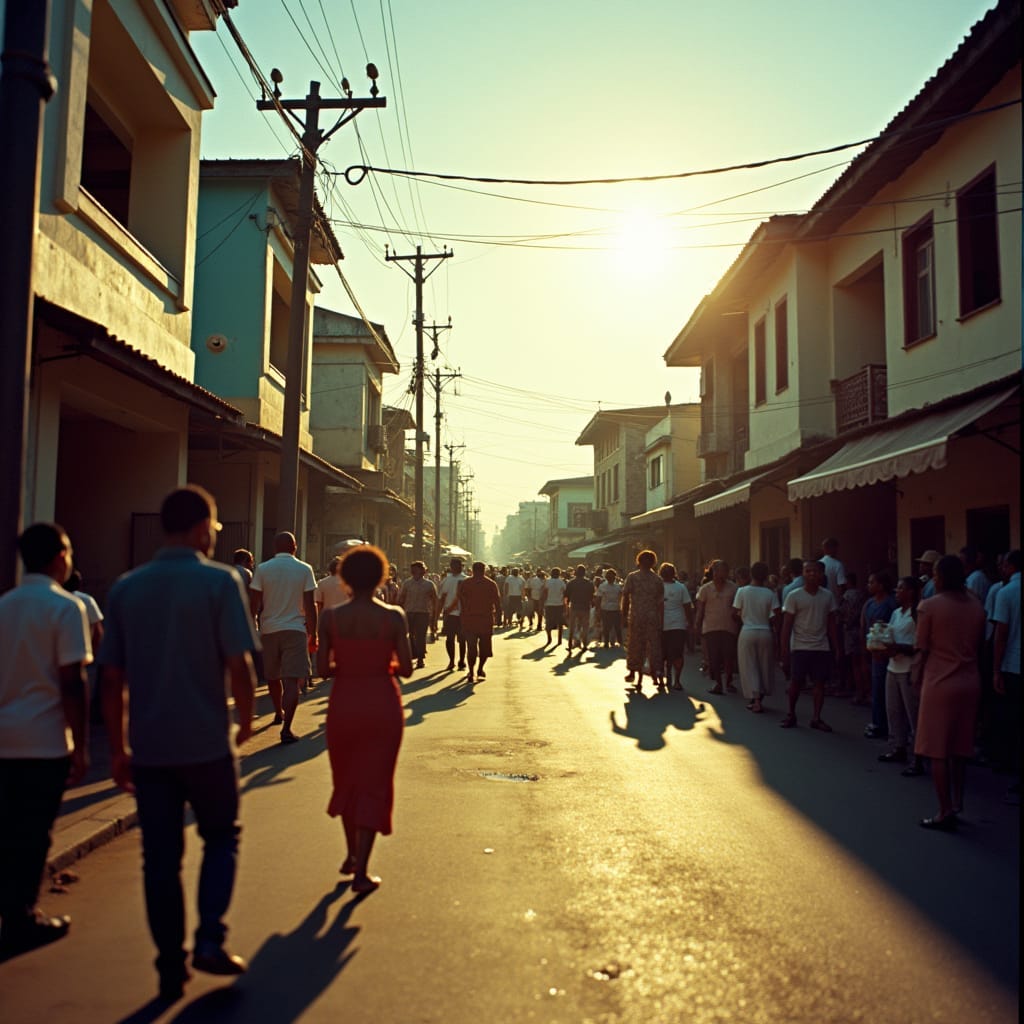
A node, in the context of real estate and urban planning, refers to a central or focal point where activities, transportation, or development converge. In Jamaica, nodes are typically found in towns, city centers, or major intersections where commerce, transportation, and social interactions are concentrated. For example, areas like Half-Way Tree in Kingston serve as a node, linking various roads, bus routes, and commercial activities, making it a bustling center of activity. Nodes are essential in real estate as they often drive property values higher due to increased accessibility, foot traffic, and business opportunities. Globally, nodes exist in metropolitan areas, business districts, and urban centers where people gather for work, trade, or leisure. These locations are key to economic development, as they serve as hubs that connect various parts of a city or region. In the real estate market, properties near or within a node are often more desirable because of their proximity to essential services, public transport, and employment opportunities. As cities and towns grow, the development of new nodes or the enhancement of existing ones can play a significant role in shaping urban expansion and influencing property demand.