


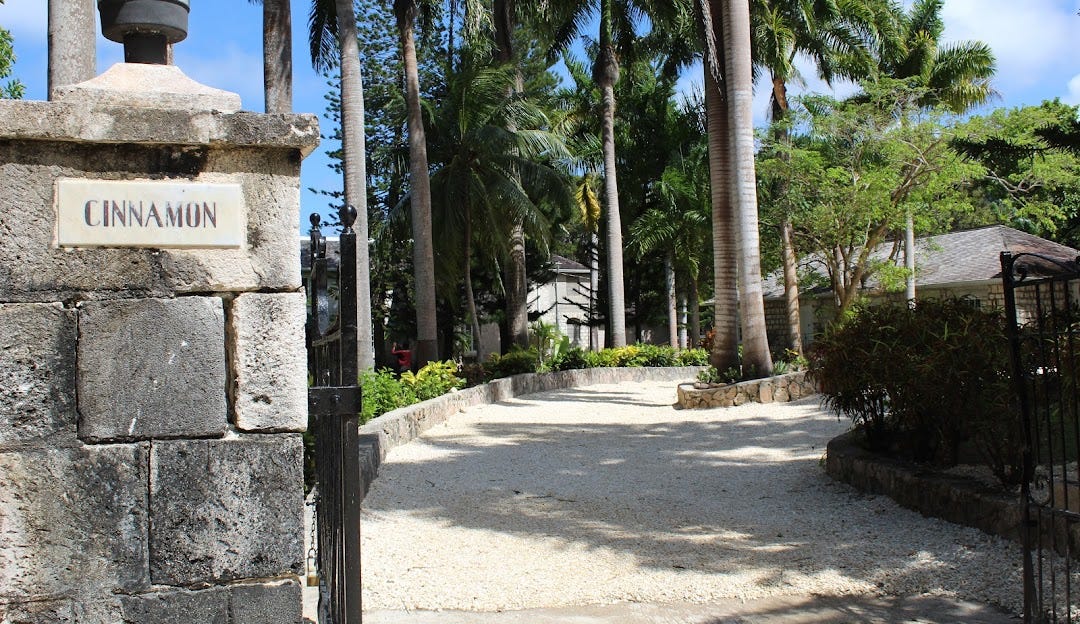
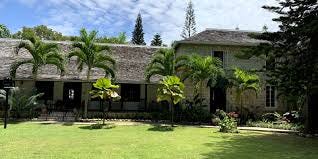
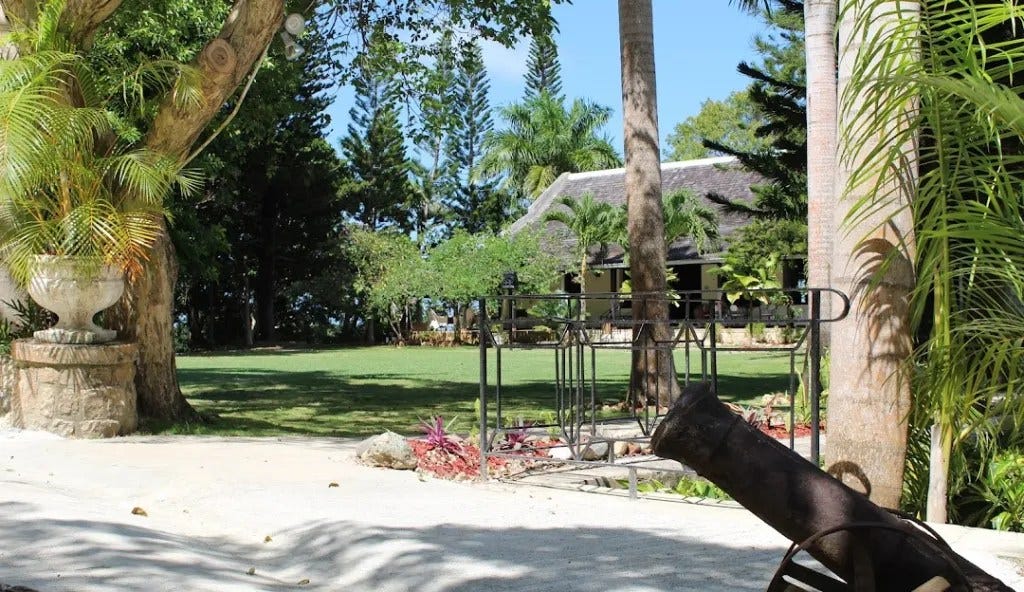
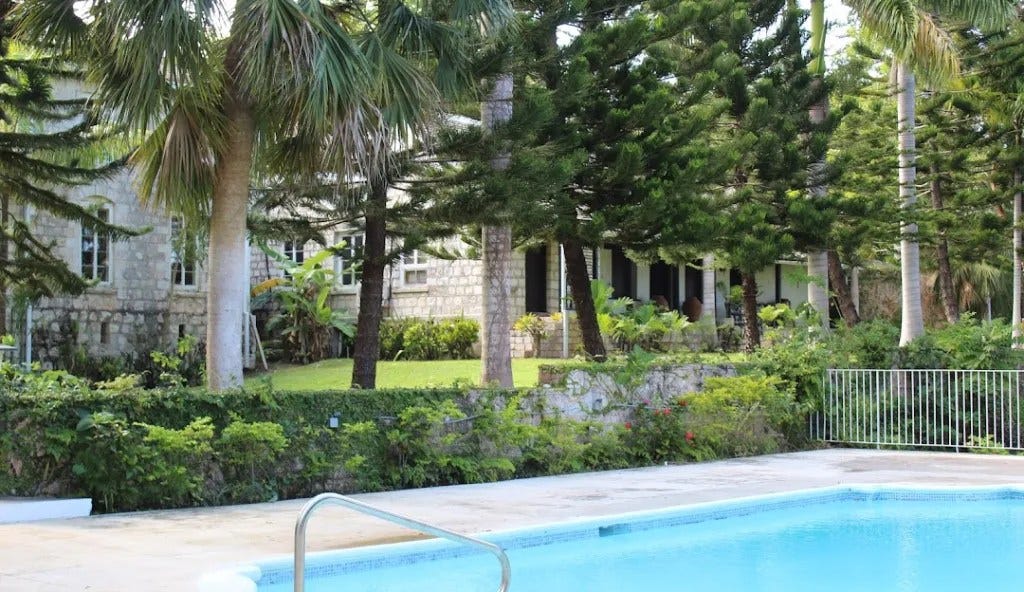
Cinnamon Hill Great House, perched amidst lush greenery and trees of mahogany and pimento, is a picturesque property offering breathtaking views of the coastline in Jamaica. Located just above Rose Hall, this warm and charming house carries a significant historical legacy, marked by its ties to the Barrett family, one of Jamaica’s wealthiest and most influential planter families. The house’s journey through history is as captivating as the architecture that defines it.
Construction and Early Ownership
Samuel Barrett Jr. started the construction of Cinnamon Hill Great House in 1734, and though he died in 1760 before its completion, his vision was realized by his son, Edward Barrett, in 1784. Edward Barrett, who became one of Jamaica’s most prominent planters, expanded the family’s landholdings to 10,000 acres and played a pivotal role in the creation of Falmouth, the capital of the neighboring parish of Trelawny. The Barrett family’s wealth stemmed from the cultivation of sugar and other cash crops, and their influence in both local and international trade was immense. Notably, Edward Barrett’s family legacy also includes the famous poet Elizabeth Barrett Browning, whose work, “How Do I Love Thee?” remains an iconic piece of literature.
Legacy and Ownership Transition
Over the years, the property passed through several owners. After the Barretts, it was owned by individuals such as George Robertson, Joseph Shore, and the Henderson family, before being purchased by John Rollins in the 1960s. Johnny Cash, the famous country and western singer, bought the estate in the early 1970s and made it his Jamaican hideaway for the next 30 years. After his death, the property was repurchased from his estate by the Rollins family, and today, it serves as a public museum for tours, managed through the nearby Rose Hall Great House. Visitors can explore the house preserved as it was during Cash’s time, with personal effects like his shoes and family portraits scattered throughout, providing a glimpse into how he and his wife, June Carter, lived.
Survival of the 1831 Slave Revolt and Architectural Features
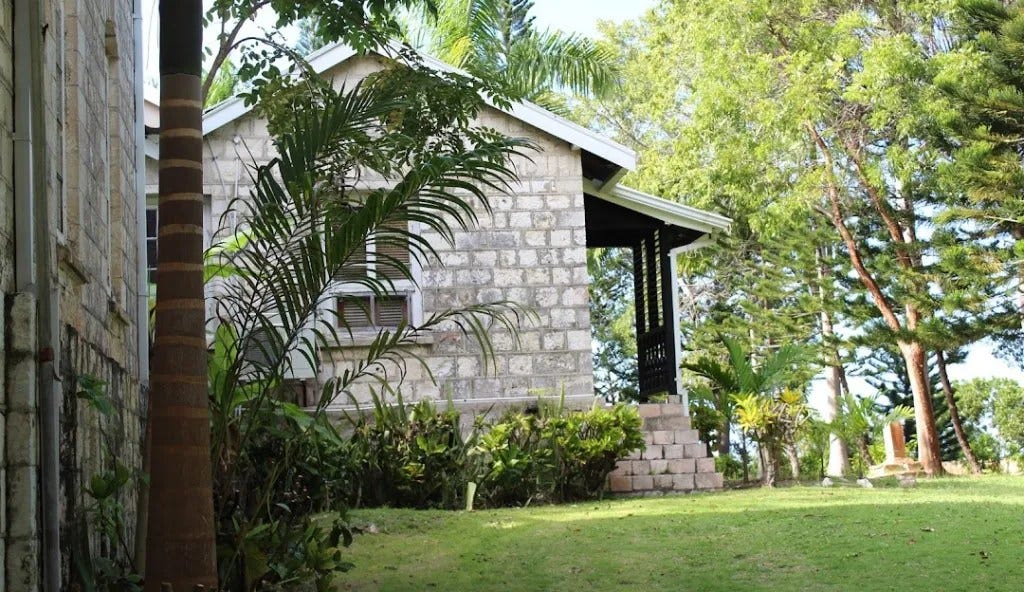
Cinnamon Hill is one of the few Great Houses that survived the 1831 slave revolt, a turning point that led to the widespread recognition of the horrors of slavery and eventually its abolition in Jamaica. The original part of the house, built with cut stone, served as the living and dining areas. A two-story wing was added between 1780 and 1785, containing a sitting room and bedrooms. Kitchens, which were once separate from the main house to prevent fires, are now integrated into the property, but the detached nature of the original kitchen is still remembered in the design.
A large verandah, both at the front and rear of the house, offers sweeping views of the ocean and provides much-needed shade from the tropical heat. A unique feature of the property is its hurricane shelter, a triangular structure designed to protect the house during storms. This shelter is cleverly integrated into the design of the house, with a curved wall and roof that break the force of hurricane winds.
Interior Design and Personal Touches
The house’s interior features polished hardwood floors, likely mahogany, stained to a high sheen over the years. The buildup of polish gives the floors a warm, charming texture, blending smaller and larger boards in a rustic yet elegant way. The staircase in the two-story wing is made of the same wood, with dark brown walls matching the balustrade, providing a striking contrast to the red-stained steps and floors.
The dining room runs the full depth of the house, with a drawing room to the west and a sitting room to the east. One of the most intimate parts of the house is June Carter Cash’s sewing room, located in a detached building to the southeastern corner of the property. This space reflects her passion for sewing and adds a personal touch to the house’s rich history.
The Barrett Family’s Role in Jamaica’s History
The Barrett family’s influence on Jamaica’s history cannot be overstated. Edward Barrett’s grandfather, Hersey Barrett, was granted land in Jamaica in the 1660s by the British crown for his service in the military. This land became the foundation for the family’s vast holdings. Samuel Barrett, Edward’s father, fought in the failed raid on Hispaniola, and his son, Samuel Jr., started building Cinnamon Hill. However, it was Edward Barrett who completed the house and expanded the family’s wealth.
Edward Barrett also played a pivotal role in the creation of Falmouth as a major port. When the capital of Trelawny, Martha Brae, proved inadequate for trade, Edward Barrett’s lands were chosen for a new seaport, which was named Falmouth after the town in England where Governor Trelawny was born. Falmouth soon became a freeport, allowing goods to flow into Jamaica without restrictions, further boosting the economy of the region.
Cinnamon Hill and the Legacy of Slavery
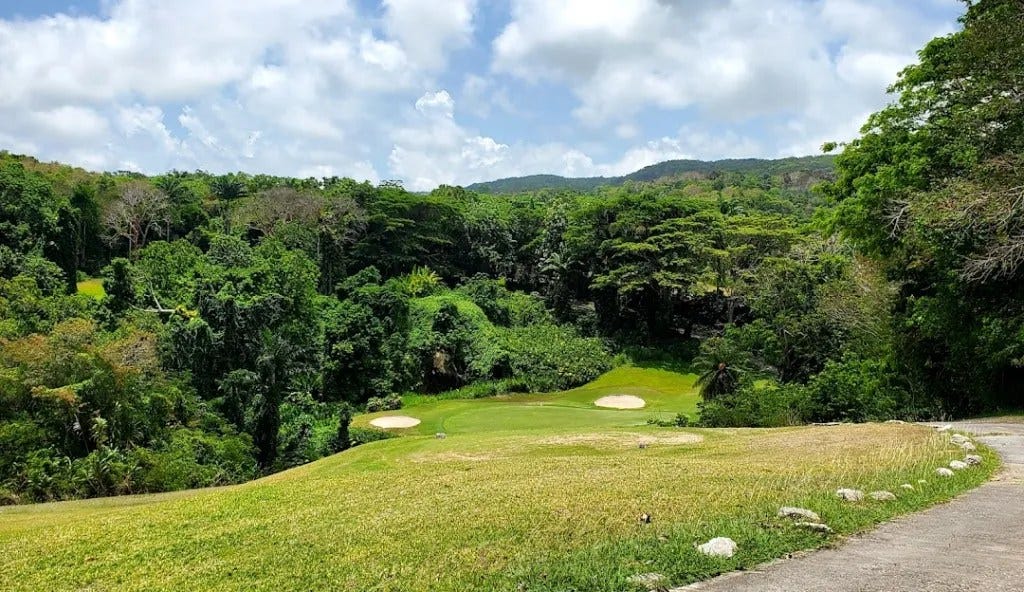
The history of Cinnamon Hill is tied to the darker side of Jamaica’s past, particularly the plantation economy and the reliance on enslaved labor. For over a century, the estate was a sugar plantation worked by thousands of enslaved individuals. Johnny Cash, during his time at the house, reflected on the contrast between the beautiful surroundings and the tragic history of those who once worked the land. In his words, the remnants of their lives, such as metal hinges and nails, remain hidden in the undergrowth or beneath the manicured lawns of the golf course that now surrounds the house.
Edward Barrett’s grandson, Richard Barrett, played a significant role in the political landscape of Jamaica during the early 19th century. He was one of the representatives sent to England to argue against the abolition of slavery. While he was known to show kindness to his slaves and worked toward reducing their mistreatment, he ultimately supported the continuation of slavery to protect his family’s wealth.
Johnny Cash and the Reflection of History
Johnny Cash, in his reflections on the property, spoke of the hidden history beneath the surface. He saw Cinnamon Hill not just as a beautiful home but as a place where the echoes of the past were deeply ingrained in the land. Cash’s connection to the house and its history added another layer to its legacy, linking the struggles of the past with the modern world.
Cinnamon Hill Great House, now open to the public, offers a glimpse into both Jamaica’s colonial past and the lives of its later inhabitants. It serves as a reminder of the island’s history, with all its complexities—wealth and slavery, colonialism and independence. As visitors tour the house and its grounds, they are not only stepping into a well-preserved piece of history but also engaging with the stories of the people who lived there, both enslaved and free, and the lasting impact of their legacies.