


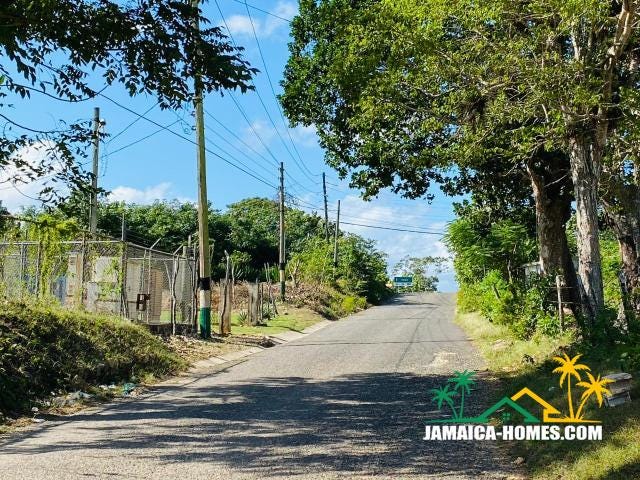
Goodwill, a Presbyterian village in St. James, was established after the abolition of slavery, with its foundations laid in 1840 when the village was still in its early stages. The village was settled on a modest 15-acre plot of land, located at the border of St. James, between the Kent and Orange Valley estates. The land was divided into small lots, each measuring a quarter of an acre. The township was overseen by Reverend George Blyth, a minister of the Scottish Missionary Society. He purchased the land with funds totaling 900 pounds currency, which were raised through subscriptions from the congregation for this purpose.
Under Reverend Blyth’s guidance, Goodwill operated with a strict code of conduct. The village was free from gambling, liquor stores, and concubinage. Only members of the temperance society, who pledged to live a sober and disciplined life, were allowed to own property in the township. The community had firm rules in place: residents who caused disturbances, whether through quarrels or other disruptive behavior, could be evicted. However, they would be compensated for the value of their property, provided they were proven to be a nuisance.
Before gaining the title to their land or becoming householders, prospective residents had to sign a bond, which stipulated a penalty of 50 pounds if they violated the village’s regulations. This system helped to maintain order and discipline within the community.
In Goodwill, there was also a strong emphasis on craftsmanship and trade. The village became known for its concentration of handicraft shops where residents sold items such as mats, fans, baskets, and calabash ornaments. In rural areas like Goodwill, where agricultural conditions could be challenging, many people supplemented their incomes by creating and selling these domestic handicrafts. This entrepreneurial spirit helped improve the economic stability of the village and allowed its residents to build a self-sustaining community based on shared values of discipline, hard work, and creativity.