


Threshold Limit and Carrying Capacity are big ideas about how much people, buildings, or activities an area can handle without running out of important resources or hurting the environment. Imagine a school bus with only a certain number of seats. If you keep adding more kids, eventually there won’t be enough space, and the bus will become uncomfortable or even unsafe. In the same way, places like cities or towns have a limit to how many people can live there comfortably with enough water, food, space, and clean air. When too many people or buildings are added, it can cause problems like pollution, overcrowded schools, and not enough clean water or green spaces.
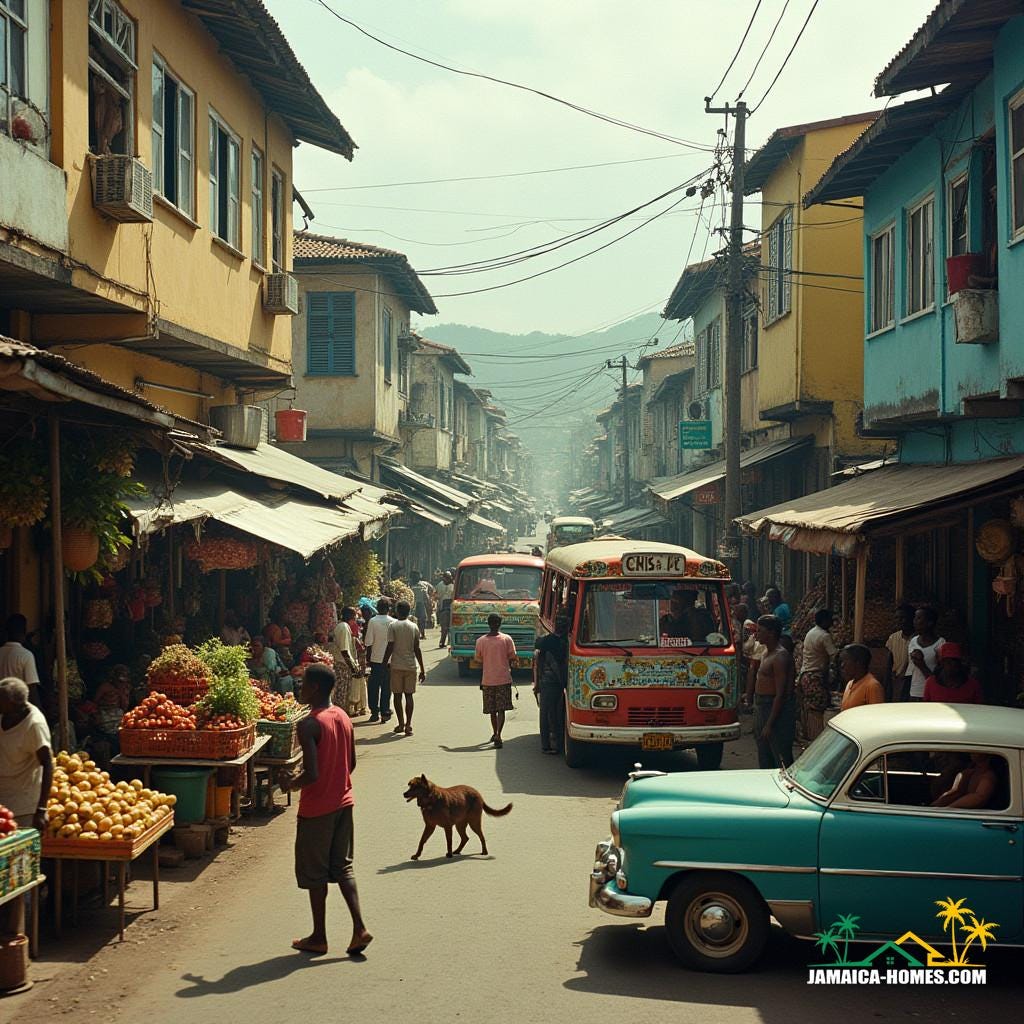
In Jamaica, for example, cities like Kingston are growing quickly because more people are moving there to find work or go to school. But the land and resources in Kingston can only support a certain number of people comfortably. If too many people move in without careful planning, it can lead to not enough houses, crowded roads, and issues with waste. So, builders and city planners need to think about the threshold limit and carrying capacity to make sure the city doesn’t get too crowded or use up all its resources.
Around the world, carrying capacity helps cities, farms, and natural areas decide how many people or buildings they can handle. If a place goes over its limit, it might lead to problems like not enough food, water, or space for everyone. Real estate developers and city planners work with these ideas to build homes and communities that can last a long time, without causing harm to the environment. By paying attention to these limits, people can help make sure there’s enough for everyone now and in the future.