


Christianity has been an integral part of Jamaica’s history, shaping its culture, society, and identity for centuries. From the arrival of Catholicism with Spanish colonizers in the early 16th century to the flourishing of diverse Christian denominations in the 21st century, the religious landscape of Jamaica has evolved through periods of conquest, colonization, emancipation, and independence.
The journey of Christianity in Jamaica is marked by the establishment of the Anglican Church under English rule, the introduction and growth of Protestant denominations such as Baptists, Methodists, Moravians, and the Seventh-day Adventist Church. The Adventist Church, established in Jamaica in 1894, played a significant role in the island’s religious landscape, emphasizing health, education, and community service. The 18th and 19th centuries saw the rise of evangelical and Pentecostal movements, including the impact of the Adventist Church, while the 20th century was characterized by the social and political activism of Christian leaders. Each century brought significant developments, from the suppression of Catholicism in the 17th century to the emergence of indigenous movements like Revivalism and Rastafarianism.
In the 21st century, Christianity continues to play a central role in the lives of the Jamaican people, adapting to modern challenges and opportunities. The digitalization of religious practices, the rise of megachurches, and the church’s involvement in social justice and environmental advocacy reflect the ongoing evolution of Christianity in Jamaica. This timeline offers a detailed look at the key events, movements, and figures that have shaped Christianity on the island from the 16th century to the present day, providing a comprehensive overview of how religion has influenced and been influenced by the broader historical context of Jamaica.
Pre-Colonial Era
1494: Christopher Columbus arrives in Jamaica. The indigenous Taino people have their own spiritual beliefs, with no exposure to Christianity.
15th Century Timeline
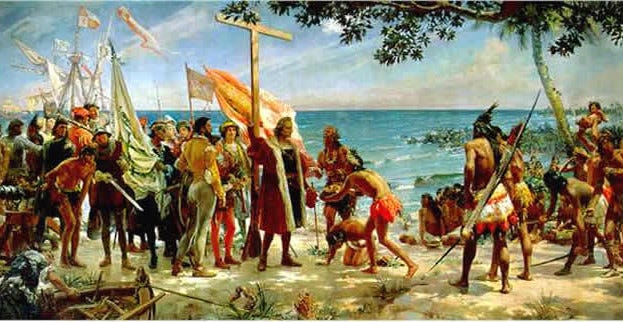
1494: Christopher Columbus first lands in Jamaica during his second voyage. Although the Spanish did not immediately colonize the island, their arrival marked the beginning of European influence, including the introduction of Christianity.
1509: Spanish colonization of Jamaica officially begins, led by Juan de Esquivel. Catholicism is established as the dominant religion, with the Spanish bringing priests and missionaries to convert the indigenous Taino population to Christianity.
1510s-1520s: The Spanish establish early settlements and begin constructing churches, including the first Catholic churches. The island’s indigenous population is heavily reduced due to diseases brought by the Europeans and harsh labor conditions under the encomienda system, where the Spanish used indigenous labor.
1523: The first documented church in Jamaica, the Church of St. Anne, is believed to have been established around this time in Sevilla la Nueva (New Seville), the first Spanish capital of Jamaica. The church serves the Spanish settlers and attempts to convert the remaining Taino people.
1534: The Spanish move the capital from Sevilla la Nueva to Spanish Town (then called St. Jago de la Vega). The move includes the establishment of new religious institutions, such as the Church of the Red Cross (Iglesia de la Santa Cruz).
1560s-1570s: The influence of the Catholic Church in Jamaica is largely limited to the Spanish settlers, as the indigenous population continues to decline. The church serves as both a religious and administrative center for the Spanish authorities.
1590s: By the late 16th century, Jamaica becomes less significant to the Spanish Empire due to the decline in gold and other resources. The Spanish focus shifts to other colonies in the Americas, leading to a reduction in the religious activities on the island.
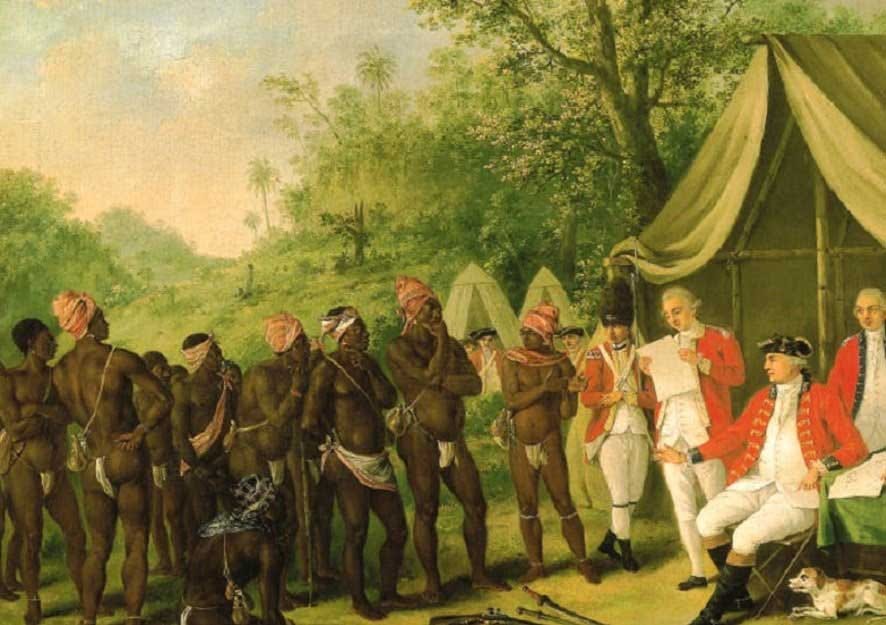
The 16th century in Jamaica was a foundational period for Christianity on the island, primarily driven by Spanish Catholicism. However, the long-term impact was limited due to the decline of the indigenous population and the eventual shift of focus away from Jamaica by the Spanish.
16th Century Timeline
1655: The English capture Jamaica from the Spanish. With this change in power, the Catholic Church, which had been the dominant Christian institution under Spanish rule, is suppressed. The English bring the Anglican Church (Church of England) to Jamaica, and it becomes the established church.
1657: The English begin to establish Anglican churches, although initially, these are modest and serve primarily the English settlers and soldiers. Catholic priests and Spanish settlers are expelled or flee the island, and Catholicism goes underground.
1664: The first recorded Anglican church services are held in Jamaica. The Church of England starts to organize its religious activities, but the number of clergymen remains small.
1671: The Anglican Church is formally established as the official church of Jamaica. Parishes are created, and churches are built in major towns, such as Port Royal and Spanish Town (St. Jago de la Vega). The church’s influence begins to grow, particularly among the English settlers.
1675: The first parish churches, such as the St. Catherine Parish Church in Spanish Town, are established. These churches serve as both religious and social centers for the English colonists.
1685: The Revocation of the Edict of Nantes in France leads to an influx of French Huguenots (Protestants) into Jamaica. These Huguenots bring their Reformed Christian faith, adding to the diversity of Protestantism on the island. Some Huguenots integrate into the Anglican Church, while others maintain their distinct religious practices.
1690s: By the end of the 17th century, the Anglican Church is well established in Jamaica, with a network of parishes covering the island. The church becomes closely tied to the colonial government, reinforcing its position as the dominant religious institution. Efforts to convert enslaved Africans to Christianity are minimal during this period, as planters are wary of the potential for Christian teachings to inspire rebellion or undermine the institution of slavery.
The 17th century laid the foundation for the Anglican Church’s dominance in Jamaica, which would persist for centuries. The suppression of Catholicism, the establishment of parishes, and the introduction of other Protestant groups like the French Huguenots contributed to the complex religious landscape that would continue to evolve in the following centuries.
17th Century Timeline
1700s: The Anglican Church remains the established church of the colony, with strong ties to the colonial government and the plantation system. The Church’s influence is primarily among the European settlers, with limited outreach to the enslaved African population.
1739: The Maroon Wars result in treaties between the British government and the Maroons (escaped slaves who formed their own communities). These treaties acknowledge the Maroons’ freedom and grant them land, but also include provisions that discourage the spread of Christianity among them.
1744: George Liele, an African-American freed slave and Baptist preacher, establishes the first Baptist church in Jamaica, known as the Ethiopian Baptist Church. This marks the beginning of organized Baptist ministry on the island, focusing on the spiritual needs of both free and enslaved Africans.
1754: The first Moravian missionaries, Thomas Shallcross and Zechariah George Caries, arrive in Jamaica but face resistance from planters and limited success in their early efforts to convert the enslaved population.
1760: The Tacky’s War (or Tacky’s Rebellion), one of the most significant slave uprisings in Jamaican history, occurs. The rebellion is partly inspired by African spiritual traditions, but the event also highlights the growing tension between the Christian teachings of equality and the realities of the slave system.
1769: The Moravians establish their first successful mission station at New Carmel, in the parish of St. Elizabeth, and begin to convert significant numbers of enslaved Africans to Christianity. The Moravians emphasize education and religious instruction, which appeals to the enslaved population.
1775: The American Revolution begins, leading to a significant increase in the number of Loyalists (British supporters) fleeing to Jamaica. Among them are many Baptists and Methodists, who bring their religious practices to the island.
1783: Following the American Revolution, more Moravian missionaries arrive in Jamaica, and the Moravian Church expands its activities, focusing on education, health care, and the establishment of schools for enslaved and free Africans.
1784: George Liele officially organizes the first Baptist church in Kingston, which quickly becomes a center for religious and social life among the black population in the capital.
1790s: The influence of Methodism grows rapidly, particularly among the enslaved population. Methodist missionaries emphasize personal salvation, social justice, and the abolition of slavery, leading to tension with plantation owners.
1792: The Wesleyan Methodist Missionary Society begins formal missionary work in Jamaica. Methodism spreads through the island, particularly among the enslaved population, who are drawn to its message of spiritual equality and hope.
1793: The Baptist missionary movement in Jamaica expands as more African-American preachers, such as Moses Baker and George Gibb, arrive from the United States and join forces with George Liele. The Baptist movement begins to spread beyond Kingston to rural areas.
1796: The Quakers, a religious group known for their anti-slavery stance, establish a presence in Jamaica, although they remain a small community. Their influence is felt more in their opposition to slavery than in large-scale conversions.
1797: The Moravians establish a new mission at Bethabara, in Manchester parish. This mission becomes one of the most successful in Jamaica, with a large number of converts and the establishment of schools and health services.
1798: The Methodist Church faces increasing persecution from plantation owners who fear that the church’s teachings about freedom and equality could inspire slave rebellions. Methodist preachers and their congregations are often harassed and attacked.
Summary of the 17th Century
The 17th century saw the emergence and spread of various Protestant denominations in Jamaica, particularly among the enslaved African population. The arrival of Baptist, Moravian, and Methodist missionaries introduced new religious options that resonated with the oppressed and marginalized, offering messages of hope, equality, and resistance to the dehumanizing institution of slavery. This period set the stage for the religious and social transformations that would unfold in the 18th century.
18th Century Timeline
1807: The British Parliament abolishes the transatlantic slave trade, but slavery continues in Jamaica. Christian missions play a significant role in advocating for the abolition of slavery.
1831-1832: The Baptist War, also known as the Christmas Rebellion, is led by Baptist preacher Samuel Sharpe. The rebellion is suppressed, but it accelerates the process towards emancipation.
1834: Slavery is officially abolished in Jamaica. The Baptist and Methodist churches play crucial roles in supporting the newly freed population.
1835: The Roman Catholic Church re-establishes itself in Jamaica after being suppressed under British rule.
1841: The Presbyterian Church begins its mission in Jamaica.
1844: The first synagogue is built in Kingston by the Jewish community, showing the growing diversity of religious practices on the island.
1861: The Seventh-day Adventist Church begins its work in Jamaica. The church grows rapidly, emphasizing health, education, and Sabbath observance.
1868: The Anglican Diocese of Jamaica is established, giving the Anglican Church greater autonomy from the Church of England.
1881: The Salvation Army arrives in Jamaica, focusing on social welfare, poverty alleviation, and evangelism.
1894: The Seventh-day Adventist Church establishes its presence in Jamaica. The church is introduced by American missionaries who recognize the potential for growth in the island’s religious landscape.
19th Century Timeline
1900s: The Seventh Day Adventist church begins to establish local congregations and schools. It focuses on education, health, and evangelism as core components of its mission. Early growth is gradual, with efforts concentrated in urban areas like Kingston and rural communities.
1907: The Kingston earthquake devastates the capital, destroying many churches. This disaster leads to a religious revival, with many people turning to the church for support. The earthquake also accelerates the spread of Pentecostalism as it offers spiritual healing and hope.
1917: The Pentecostal movement begins to gain traction in Jamaica. Influenced by the Azusa Street Revival in Los Angeles, Pentecostalism attracts many Jamaicans with its emphasis on the Holy Spirit, speaking in tongues, and charismatic worship.
1920s: The Seventh-day Adventist Church gains a foothold in Jamaica, with the opening of more schools and healthcare facilities, such as clinics and hospitals. These institutions help to increase the church’s visibility and influence in Jamaican society.
1922: The Ethiopian Orthodox Church is established in Jamaica, primarily serving the Rastafarian community. This is significant as it marks the first time a non-Western Christian denomination gains a foothold in Jamaica.
1930s: The Rastafari movement emerges in Jamaica, combining elements of Christianity, particularly Old Testament teachings, with Afrocentric and pan-African ideals. While not a traditional Christian denomination, Rastafarianism profoundly influences Jamaica’s religious and cultural landscape, incorporating Christian themes and reverence for the Ethiopian Emperor Haile Selassie I.
1938: The labor riots across Jamaica, which lead to significant social and political changes, are heavily influenced by Christian leaders who advocate for workers’ rights, social justice, and the end of colonial rule. The church becomes a voice for the poor and oppressed during this period.
1940s-1950s: The growth of Revivalism, an Afro-Christian religious movement, intensifies. Revivalism blends elements of Christianity with African religious practices and becomes particularly popular in rural areas. Revivalist churches often focus on healing, prophecy, and vibrant worship practices.
1940s: The Seventh Day Adventist church’s influence continues to expand. Adventist education and healthcare services are increasingly recognized and valued in Jamaican communities. The church’s health message, including dietary practices and holistic living, attracts attention.
1944: The New Testament Church of God, a Pentecostal denomination, is formally organized in Jamaica. This church becomes one of the largest Pentecostal groups on the island, emphasizing holiness, spiritual gifts, and evangelism.
1950s: The Seventh-day Adventist Church grows rapidly in membership and influence. This period sees a significant increase in the number of Adventist churches and institutions across Jamaica. The church establishes the Jamaica Union Conference to oversee its activities in the island.
1950s-1960s: The Roman Catholic Church sees growth, particularly through the establishment of schools, hospitals, and social services. Catholicism becomes more visible in Jamaican society, although it remains a minority denomination.
1962: Jamaica gains independence from Britain. The Anglican Church, traditionally associated with the colonial government, begins to lose some of its influence as the country embraces a more diverse religious landscape.
1960s-1970s: Charismatic and Evangelical movements grow in popularity. These movements emphasize personal salvation, dynamic worship, and evangelism. Many new churches are founded, and Christianity becomes even more diversified in its expressions.
1974: The Ethiopian Orthodox Church is officially registered in Jamaica, marking its formal recognition and establishment as a distinct religious body on the island.
1980s: The televangelism movement reaches Jamaica, bringing American-style evangelical Christianity to the island. This period sees the rise of large, non-denominational churches that use media to reach a wider audience.
1980: The Assemblies of God, another significant Pentecostal denomination, becomes increasingly influential in Jamaica, establishing churches and educational institutions across the island.
1980s: The Seventh-day Adventist Church solidifies its position as one of the significant Protestant denominations in Jamaica. The church continues to expand its outreach and maintains a strong presence in both urban and rural areas.
1990s: The prosperity gospel movement gains traction in Jamaica. This movement, which emphasizes material wealth as a sign of divine favor, becomes particularly popular in urban areas and among the middle class.

Summary of the 20th Century
The 20th century in Jamaica was characterized by the diversification of Christianity, the growth of Pentecostalism, the emergence of new religious movements like Rastafarianism, and the increasing role of the church in social and political advocacy. Christianity in Jamaica evolved to reflect the island’s complex cultural identity, becoming a vibrant and integral part of Jamaican society.
The 21st century has seen continued developments in Christianity in Jamaica, with significant events, trends, and changes that reflect both local and global influences. Here’s a more comprehensive look at what has happened with Christianity in Jamaica during this period:
21st Century Timeline
2000: The Jamaica Council of Churches (JCC), an ecumenical body representing various Christian denominations, plays a key role in social and political advocacy. The JCC speaks out on issues such as poverty, crime, and corruption, influencing public policy and national discourse.
2000s: The Seventh-day Adventist Church remains a major Christian denomination in Jamaica, with a substantial membership base. The church’s schools and health facilities are well-regarded, and its emphasis on health and education continues to be a significant aspect of its mission.
2002: The Seventh-day Adventist Church in Jamaica celebrates its centennial, marking 100 years of presence on the island. This milestone highlights the church’s growth and impact over the past century.
2002: The Church of God of Prophecy celebrates its centennial, highlighting its influence as a major Pentecostal denomination in Jamaica. The celebration underscores the strong and enduring presence of Pentecostalism on the island.
2004: The Roman Catholic Archdiocese of Kingston celebrates its 50th anniversary. This milestone highlights the enduring presence of Catholicism in Jamaica, despite being a minority denomination.
2003: The Jamaica Council of Churches (JCC) plays a crucial role in national dialogue, advocating for social justice, poverty alleviation, and addressing the issue of violence in society. The JCC becomes increasingly involved in political discourse, representing various Christian denominations.
2007: The 200th anniversary of the abolition of the transatlantic slave trade is commemorated by many Christian churches in Jamaica. This event prompts widespread reflection on the role of the church in both supporting and opposing slavery in the past, and it sparks discussions on the church’s ongoing role in promoting social justice.
2010: The establishment of the National Leadership Prayer Breakfast by Christian leaders in Jamaica reflects the continued influence of the church in political and social spheres. This annual event brings together leaders from various sectors to discuss national issues and seek divine guidance.
2011: The Anglican Church in Jamaica faces challenges related to declining membership, prompting discussions about its role in contemporary Jamaican society. Efforts to engage younger generations and address social issues become a focus for the church.
2013: Pope Francis, elected as the head of the Roman Catholic Church, brings renewed attention to issues of poverty, inequality, and social justice. His leadership inspires Catholic communities in Jamaica to intensify their outreach and social programs.
2015: The Seventh-day Adventist Church continues to grow in Jamaica, emphasizing health, education, and community service. The church’s schools, hospitals, and community initiatives play a significant role in Jamaican society.
2017: The Rastafarian community in Jamaica, which integrates elements of Christianity, celebrates the 50th anniversary of Haile Selassie I’s visit to Jamaica. This event underscores the continuing influence of Rastafarianism in Jamaican culture and its relationship with Christianity.
2018: The National Baptist Missionary and Educational Convention of Jamaica celebrates 107 years of ministry, highlighting the Baptist Church’s long-standing contribution to education, social services, and spiritual life in Jamaica.
2019: The rise of social media and digital platforms leads to the emergence of online churches and ministries in Jamaica. Many Christian denominations begin using digital tools to reach wider audiences, especially the younger generation.
2020: The COVID-19 pandemic significantly impacts religious life in Jamaica. Churches adapt by moving services online, and the role of the church in providing support and guidance during the crisis becomes even more prominent. The pandemic accelerates the digitalization of church activities and outreach.
2021: The Roman Catholic Church in Jamaica launches initiatives focused on youth engagement, social justice, and interfaith dialogue. These efforts are part of a broader strategy to address the challenges of declining church attendance and relevance in a rapidly changing society.
2022: The 60th anniversary of Jamaica’s independence is marked by various Christian denominations reflecting on their contributions to the nation’s development. Churches participate in national celebrations, emphasizing their role in education, healthcare, and social cohesion.
2023: The debate over LGBTQ+ rights and the church’s stance on these issues becomes more prominent in Jamaica. Various Christian denominations take different positions, leading to discussions about the role of religion in shaping public policy and social attitudes.
2020s: The Seventh-day Adventist Church remains a prominent Christian denomination in Jamaica. Its focus on health, education, and community service continues to be a central part of its mission. Despite not being the largest Christian denomination on the island, the church maintains a significant and influential presence.
2020s: Christianity remains the dominant religion in Jamaica, with the majority of the population identifying as Christian. The religious landscape continues to evolve, with a rich tapestry of denominations, including Anglican, Baptist, Catholic, Methodist, Seventh-day Adventist, Pentecostal, and others. The church plays a central role in addressing social issues, promoting education and health, and shaping the national identity.
Ongoing Trends: The 21st century has seen the rise of non-denominational and megachurches in Jamaica, reflecting global trends in Christianity. These churches often attract large, diverse congregations and focus on contemporary worship styles, community engagement, and social outreach.
Environmental and Social Advocacy: In recent years, some Christian churches in Jamaica have taken a more active role in environmental conservation and climate change advocacy, recognizing the importance of protecting the island’s natural resources and addressing global environmental challenges.
Summary of the 21st Century
The 21st century has been marked by both continuity and change in Jamaican Christianity. The church remains a vital part of Jamaican society, adapting to new challenges and opportunities while continuing to play a significant role in national life. The digitalization of religious practice, engagement with social issues, and the ongoing evolution of religious identity are key themes in this period.
This timeline outlines the major events and the establishment of key denominations that have shaped Jamaica’s religious landscape over the centuries.
Below is a detailed table that captures these aspects, offering a snapshot of how each denomination has contributed to the religious landscape of Jamaica.
Table: Christian Denominations in Jamaica – History, Influence, and Population
DenominationEstablishedFounder/OriginsKey Beliefs/InfluenceGeographical PresencePopulation (Last Recorded)Roman Catholic1509Spanish colonizersTraditional Christianity, strong influence in education and healthcareKingston, Montego Bay, Spanish Town61,000 (2.2% of population as of 2011)Anglican (Church of England)1655English colonizersEstablished church during British rule, emphasis on liturgical worshipThroughout Jamaica, especially rural areas178,000 (6% of population as of 2011)Moravian1754German missionaries (Count Zinzendorf)Early Protestant presence, focus on education and evangelismManchester, St. Elizabeth, Westmoreland5,000-10,000 (estimate)Baptist1783George Liele, African-American missionaryStrong emphasis on evangelism, social justice, and abolition of slaveryKingston, St. Catherine, Clarendon, rural areas308,000 (11% of population as of 2011)Methodist1792Wesleyan Methodist Missionary SocietyEmphasis on personal salvation, social justice, and educationKingston, St. Andrew, Portland65,000 (estimate)Presbyterian1824Scottish missionariesCalvinist theology, focus on education and community serviceKingston, Hanover, WestmorelandSmall community (exact numbers not readily available)United Church in Jamaica and the Cayman Islands1965Merger of Congregational, Disciples of Christ, and Presbyterian ChurchesUnity among Protestant denominations, focus on community developmentKingston, Montego Bay, throughout Jamaica60,000 (estimate)Seventh-day Adventist1894American missionariesSabbath observance, health reform, educationNationwide, with strong presence in Kingston323,000 (12% of population as of 2011)PentecostalEarly 20th centuryInfluenced by Azusa Street RevivalCharismatic worship, emphasis on the Holy Spirit, healing, and prophecyNationwide, strong urban presence351,000 (13% of population as of 2011)Church of God (Jamaica)1907American missionariesHoliness movement, focus on evangelism, education, and social serviceNationwide, with headquarters in Kingston218,000 (8% of population as of 2011)Church of God of Prophecy1923Split from Church of God (Cleveland, Tennessee)Similar to Pentecostal beliefs, strong community focus, emphasis on holinessNationwide, especially in rural areas43,000 (estimate)New Testament Church of God1944Pentecostal rootsSimilar to other Pentecostal denominations, focus on evangelism and spiritual giftsNationwide, large congregations in urban areas100,000 (estimate)Assemblies of God1940sAmerican missionariesPentecostal denomination, emphasis on the Holy Spirit and evangelismNationwide, with emphasis in urban areas50,000 (estimate)Rastafari Movement1930sMarcus Garvey influence, Haile Selassie INot a traditional Christian denomination, but combines Christianity with Afrocentric beliefsNationwide, cultural rather than denominational29,000 (1.1% of population as of 2011)Jehovah’s Witnesses1902Charles Taze RussellNon-Trinitarian, emphasis on Bible study and evangelismNationwide, with headquarters in Kingston13,000 (estimate)Quakers (Society of Friends)1796English settlersPacifism, social justice, small but historically significant communitySmall pockets, especially in rural areasSmall community (exact numbers not readily available)Ethiopian Orthodox Church1922Rastafarian influenceCombines Christianity with Rastafarian beliefs, importance of African heritageNationwide, particularly in Rastafarian communitiesSmall community (exact numbers not readily available)Revivalism (Pukkumina and Zion)Late 19th centuryIndigenous Jamaican rootsSyncretic Christian and African beliefs, emphasis on healing and prophecyPredominantly rural areas, especially in the East10,000-20,000 (estimate)African Methodist Episcopal (AME)1860sAfrican-American missionariesFocus on social justice, African identity, and educationKingston, St. AndrewSmall community (exact numbers not readily available)Mormons (Church of Jesus Christ of Latter-day Saints)1970sAmerican missionariesUnique Christian theology, emphasis on missionary work and family valuesSmall but growing presence, particularly in urban areas5,000 (estimate)Orthodox Christian ChurchEarly 20th centuryGreek and Russian influenceTraditional Christian beliefs, emphasis on liturgy and sacramentsSmall community, mostly in KingstonSmall community (exact numbers not readily available)Church of the Open Bible1960sFounded in Jamaica, Evangelical rootsEmphasis on Bible teaching, evangelism, and community serviceNationwide, with strong urban presence10,000-15,000 (estimate)Brethren (Plymouth Brethren)Early 20th centuryBritish missionariesEmphasis on simplicity, Bible teaching, and lay leadershipKingston, St. CatherineSmall community (exact numbers not readily available)Church of God in Jamaica (Cleveland, Tennessee)1907American missionariesPentecostal, emphasis on evangelism, spiritual gifts, and holinessNationwide, particularly in rural areas50,000 (estimate)Church of God of Prophecy1923Split from Church of God (Cleveland, Tennessee)Similar to Pentecostal beliefs, strong community focus, emphasis on holinessNationwide, especially in rural areas43,000 (estimate)Independent Baptist Churches1930sSplit from mainstream BaptistsEmphasis on conservative theology, evangelism, and missionary workNationwide, particularly in rural areas20,000-30,000 (estimate)Pentecostal Holiness Church1950sSplit from traditional PentecostalismFocus on holiness, spiritual gifts, and conservative lifestyleNationwide, with emphasis in rural areasSmall community (exact numbers not readily available)Apostolic ChurchesEarly 20th centuryAfrican-American influencePentecostal, emphasis on Jesus-only baptism, spiritual giftsNationwide, particularly in urban areas10,000-15,000 (estimate)
Explanation of the Table
Denomination: The name of the Christian denomination or movement.
Established: The year or period when the denomination was established in Jamaica.
Founder/Origins: Key figures or movements responsible for the establishment of the denomination.
Key Beliefs/Influence: A summary of the core beliefs, theological stance, and the influence the denomination has had on Jamaican society.
Geographical Presence: Indicates where the denomination is most active in Jamaica, whether in urban or rural areas.
Population (Last Recorded): The estimated number of adherents as of the last recorded data, reflecting the denomination’s size and impact.
Additional Notes
The population figures are estimates based on the latest available data, which may vary due to factors such as emigration, conversion, and the growth of new congregations.
Some denominations, especially those with smaller populations, do not have readily available or up-to-date figures. In these cases, estimates are provided based on historical and anecdotal information.
The table includes both traditional denominations, such as Roman Catholicism and Anglicanism, and newer movements like Pentecostalism and Rastafarianism, reflecting the diverse and evolving nature of Christianity in Jamaica.
Conclusion
Christianity in Jamaica is a rich and complex tapestry woven from the influence of various denominations, each bringing its unique history, beliefs, and practices to the island. From the early establishment of Catholicism and Anglicanism under colonial rule to the vibrant and diverse landscape of Protestant and Pentecostal movements, Christianity has played a crucial role in shaping Jamaica’s social, cultural, and spiritual identity. This table provides a comprehensive overview of the key Christian denominations in Jamaica, offering insight into their origins, influence, and the extent of their presence across the island.
Disclaimer
The information provided in this table is based on the most recent available data and historical records up to August 2024. Christian denominations in Jamaica, like those around the world, are dynamic and subject to change due to factors such as population growth, migration, and shifts in religious affiliation. The population figures listed are estimates and may vary based on different sources and updates.
Some denominations may have limited or outdated data available, and as such, the figures provided are approximate. The geographical presence and influence of denominations can also shift over time due to changes in community dynamics and church activities.
For the most current and accurate information, it is recommended to consult local religious organizations, census data, and recent studies on religious demographics in Jamaica. The table serves as a general overview and may not capture all recent developments or emerging trends in Jamaican Christianity.