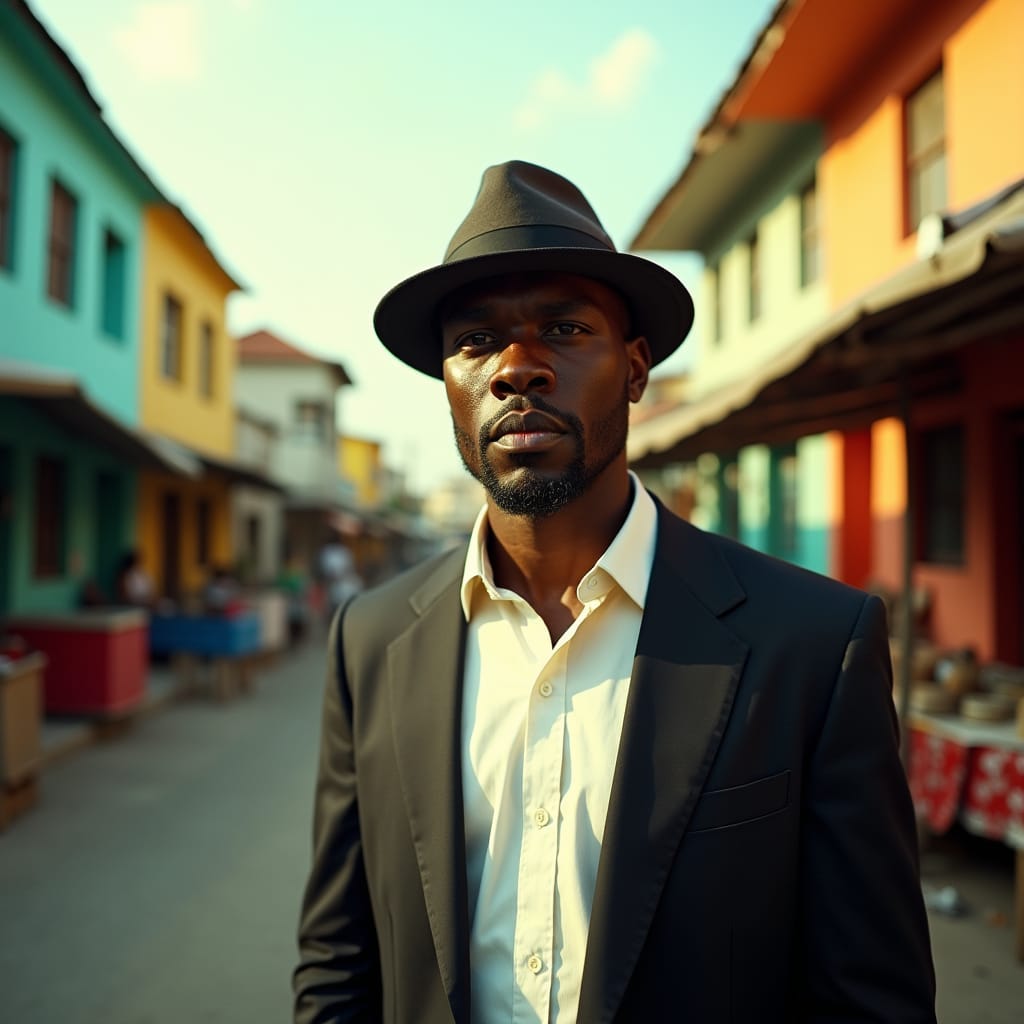
Jamaican culture reflects centuries of diverse influences, shaped by colonization, migration, and a blend of African, European, Indian, Chinese, and Middle Eastern traditions. Spanish colonization introduced European customs and slavery, forming the groundwork for a multicultural society. In 1655, British rule further shaped Jamaican society, blending African heritage with European elements, creating a foundation of resilience and community. By the 19th century, Indian and Chinese laborers added their own cultural touches, enriching a society rooted in African spiritual, musical, and dance traditions.
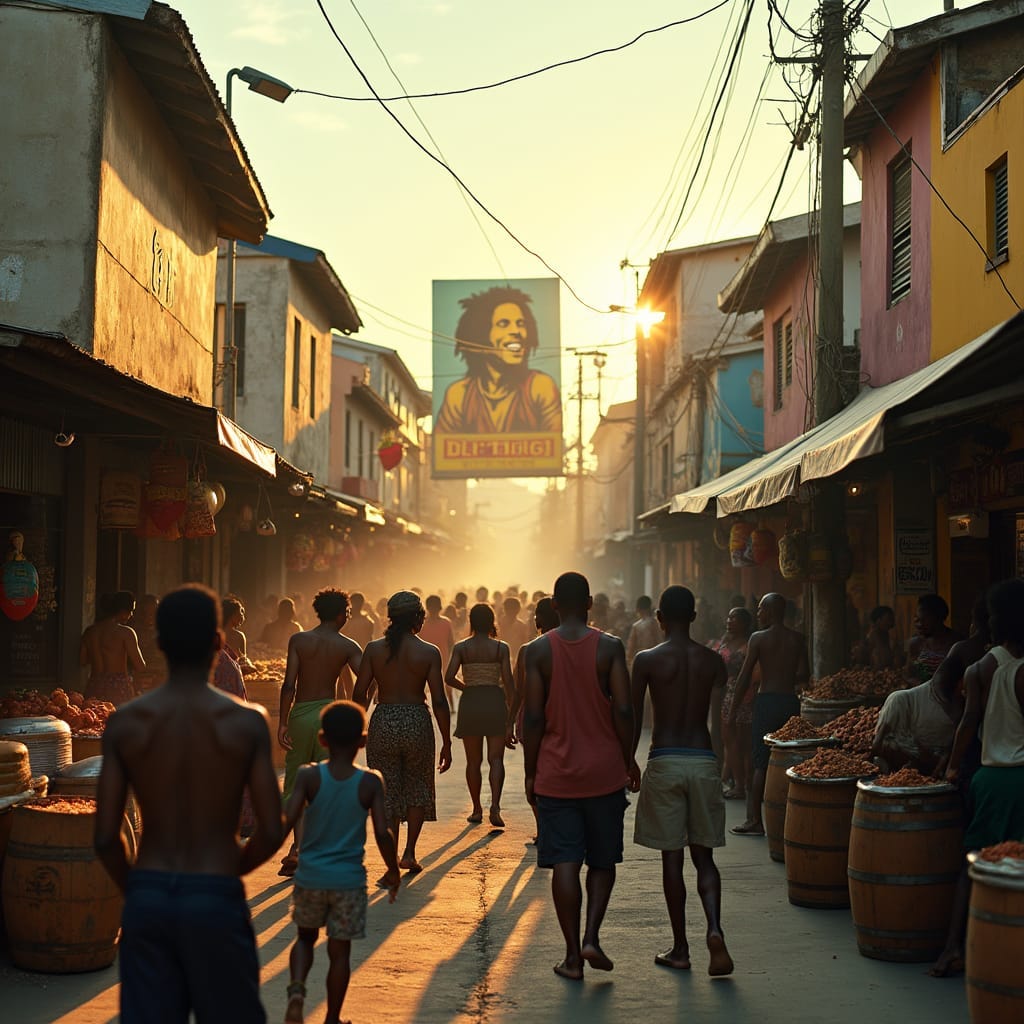
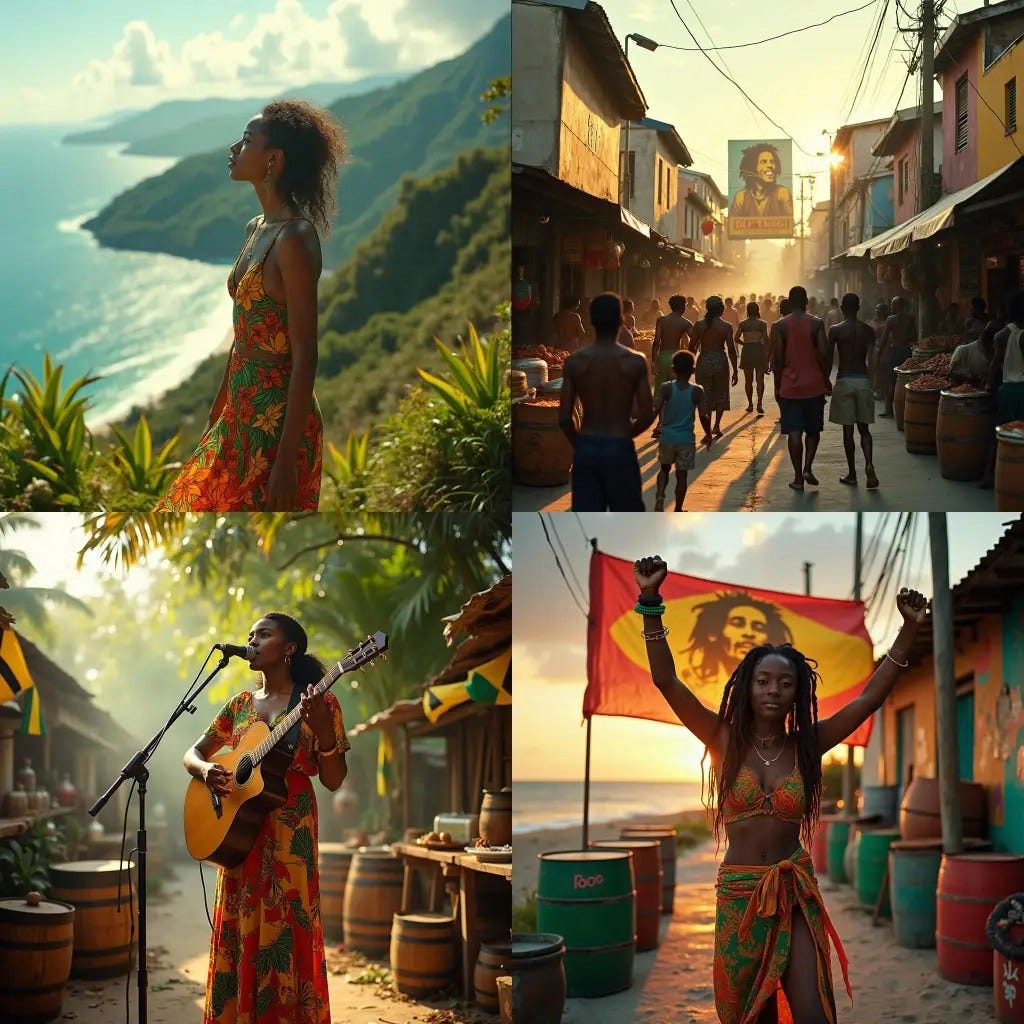
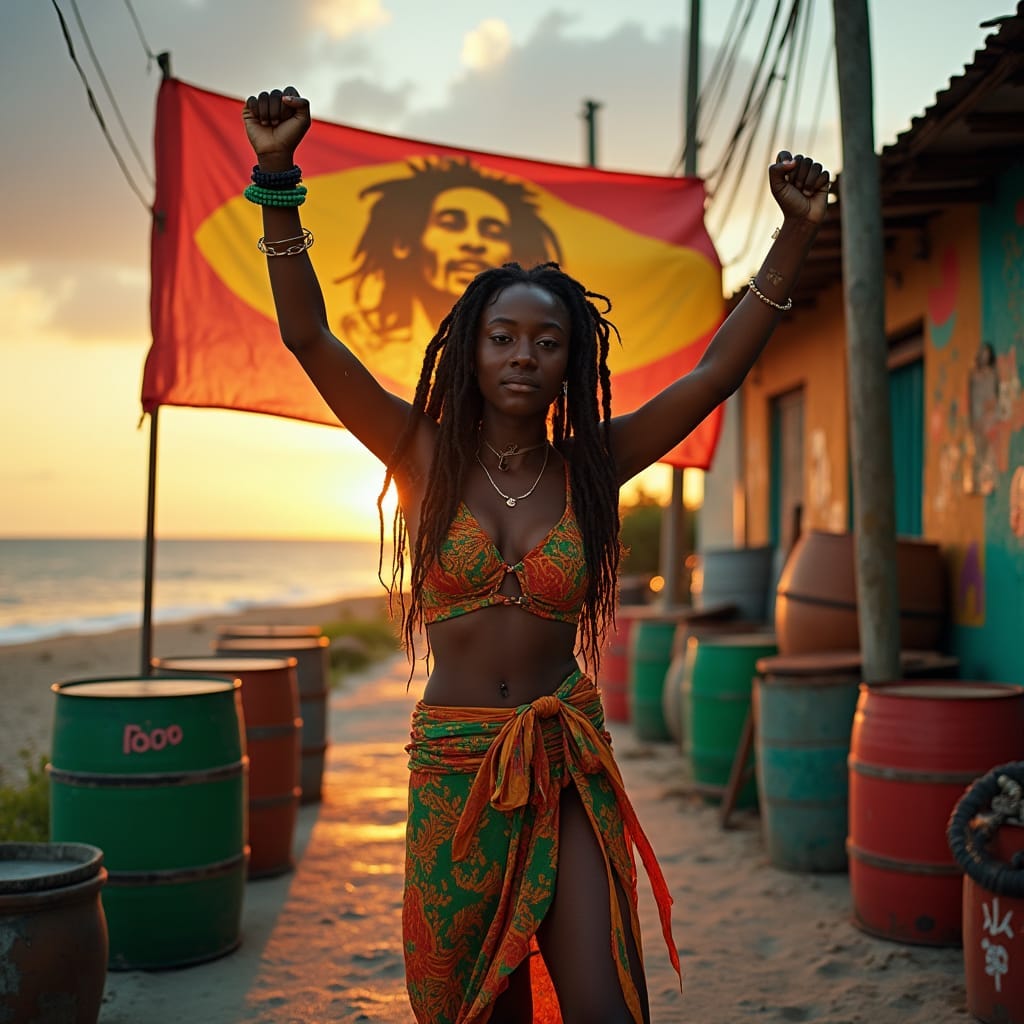
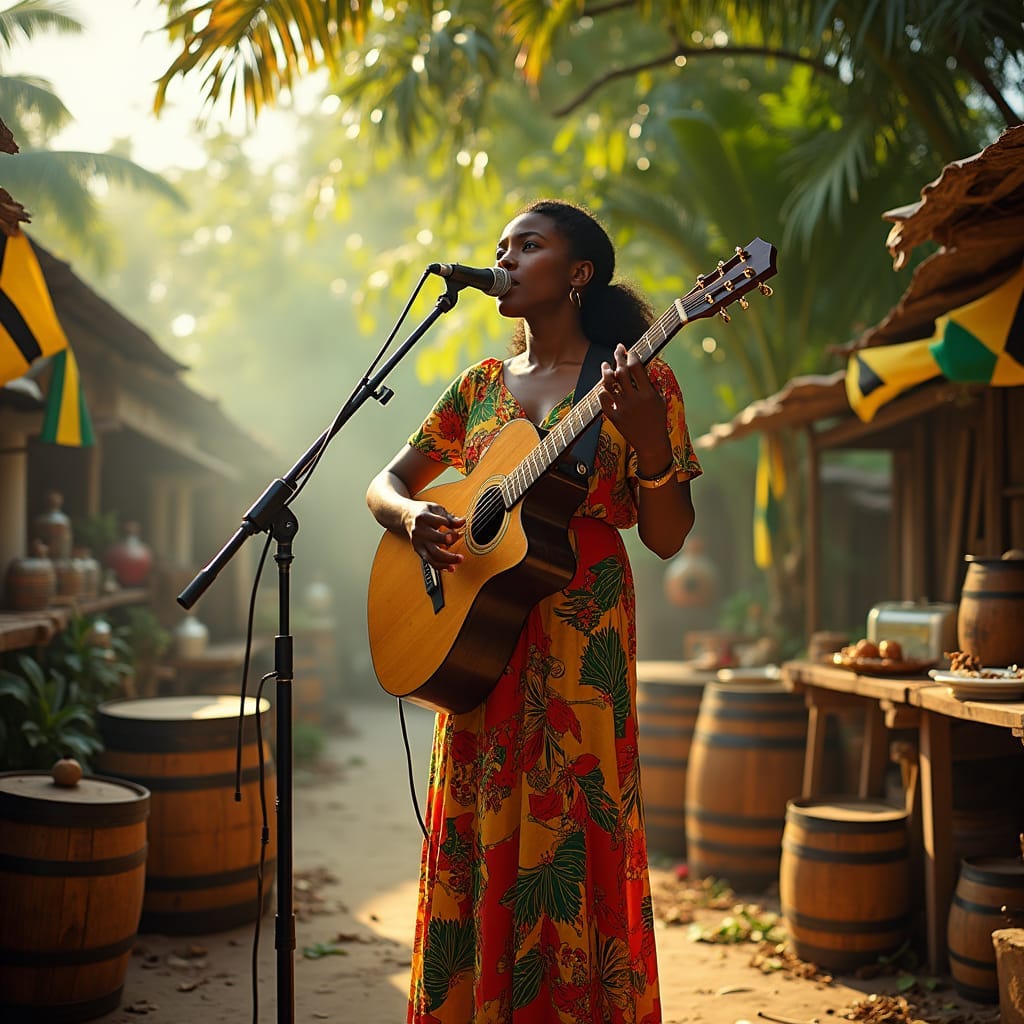
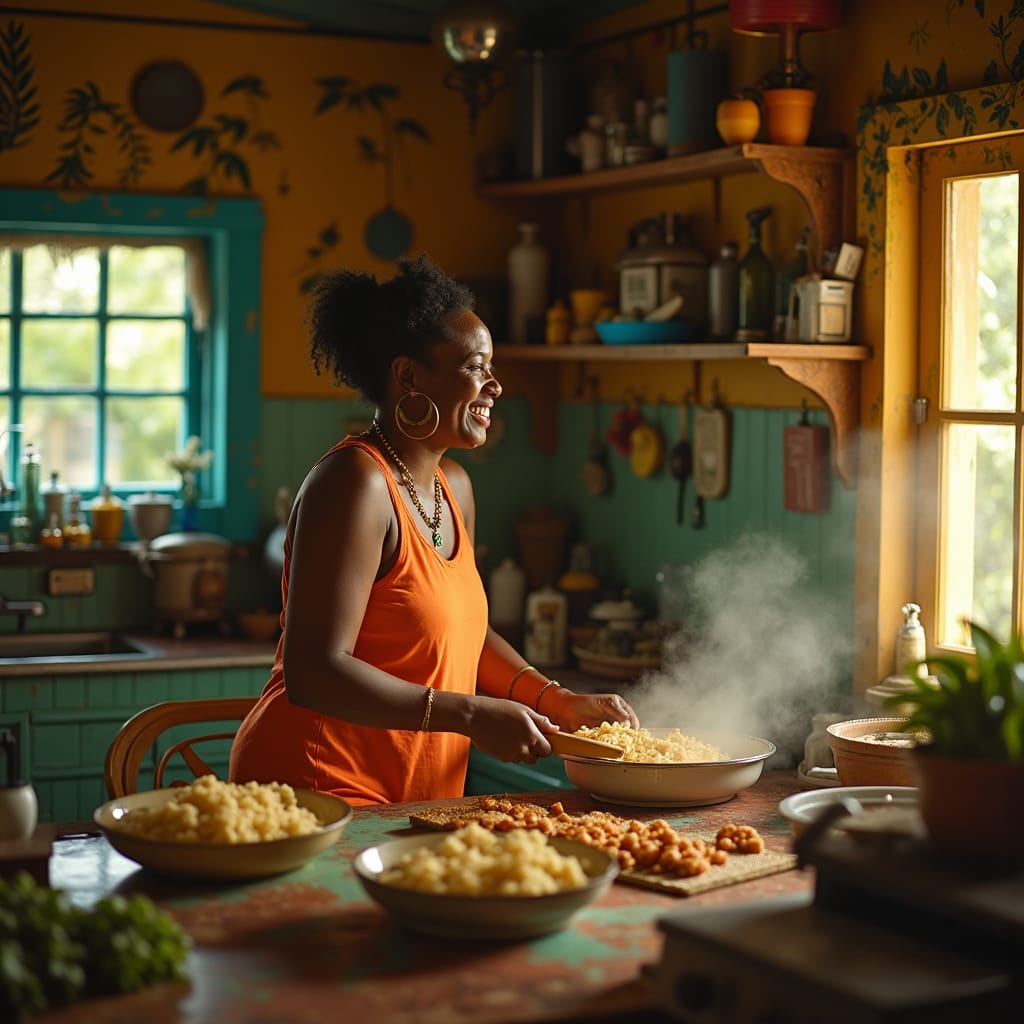
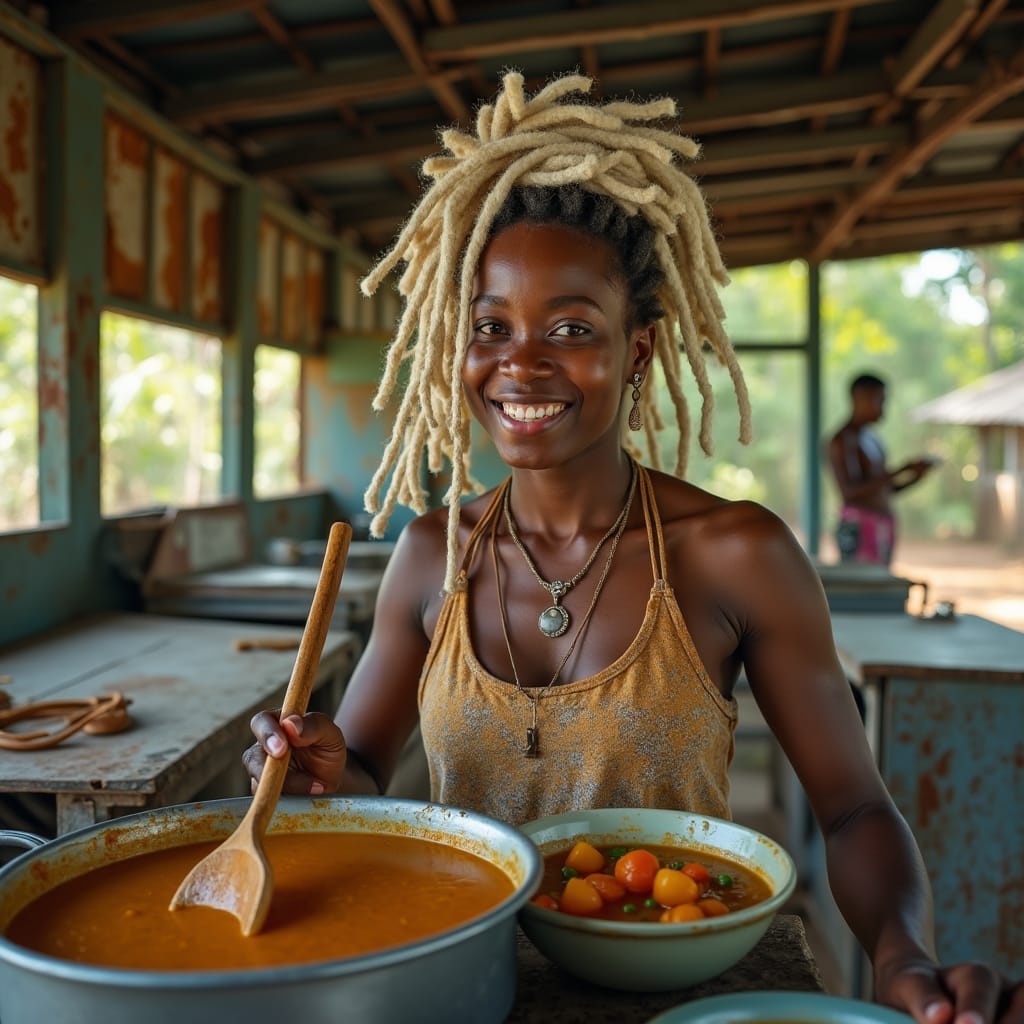
Reggae music emerged in the 20th century from Jamaica’s social struggles and became a global phenomenon, with icons like Bob Marley spreading messages of unity and resistance. More than music, reggae was a movement that put Jamaica on the global stage, and “Jamaican style”—a vibrant, laid-back expression—became admired worldwide. Items like jerk cuisine, barrels, Dutch pots, and reggae symbols appeared in global branding, adopted by restaurants, bars, and fashion brands to evoke the Jamaican “island life” aesthetic.
The Windrush generation deepened Jamaica’s influence, with thousands moving to the UK and leaving lasting impacts on British music, cuisine, and social life. Today, Jamaican culture—particularly reggae and dancehall—continues to shape global music, fashion, and art. Cities worldwide echo Jamaican spirit through vibrant decor, vintage posters, and rustic, colorful themes in restaurants and shops.
Jamaican allure has attracted international investment, with countries like China funding local tourism infrastructure to meet global demand for Jamaican experiences. Jamaican symbols and style have seeped into luxury brands, restaurants, and global products, turning food, music, and décor into profitable ventures. Yet, as brands profit from Jamaican culture, questions arise about cultural exploitation and ownership of Jamaica’s global appeal.
Today, Jamaica remains a symbol of resilience and cultural pride, but its influence is often commercialized globally. The aesthetics and spirit of Jamaica are marketed across continents, attracting those seeking warmth, freedom, and vibrancy. Jamaica’s global impact is undeniable, but the line between cultural appreciation and exploitation remains complex, as the island’s legacy continues to shape a global identity admired and monetized, bringing both pride and challenges to Jamaicans worldwide.
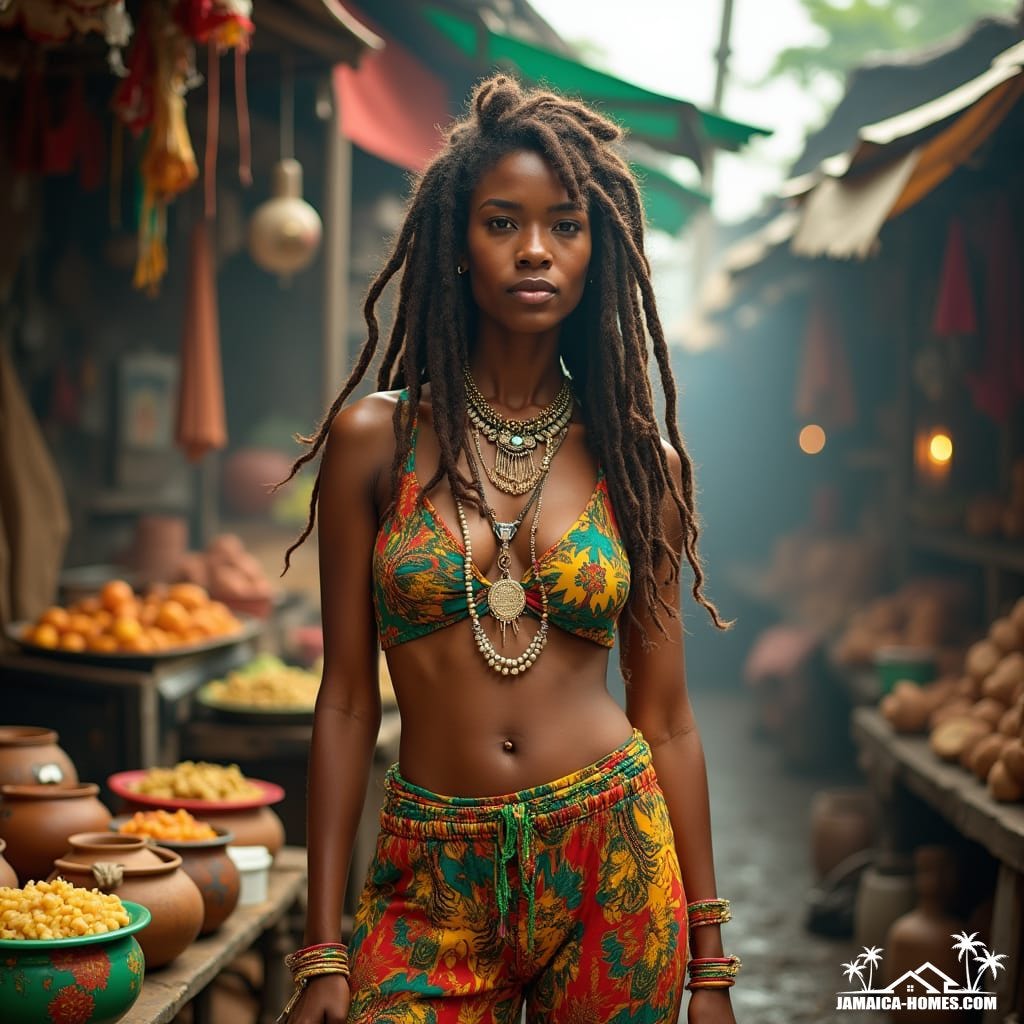
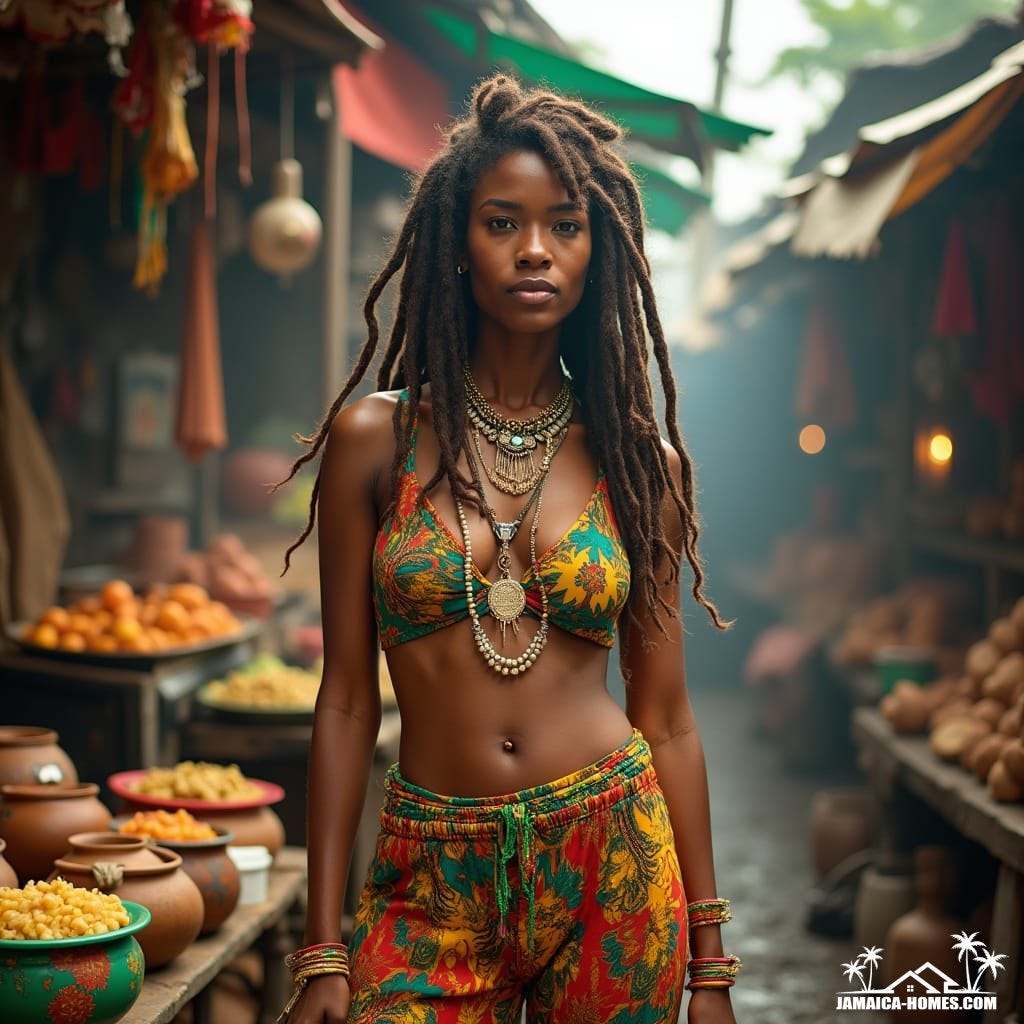
A laid-back Jamaican woman, adorned in colorful, eclectic clothing and dreadlocks, stands amidst a vibrant market scene, surrounded by jerk cuisine, traditional Dutch pots, and reggae symbols, exuding a sense of unity and resistance, as if captured in a cinematic film still, reminiscent of the iconic works of Roger Deakins, Emmanuel Lubezki, and Janusz Kaminski, with a warm, golden color palette, subtle film grain,