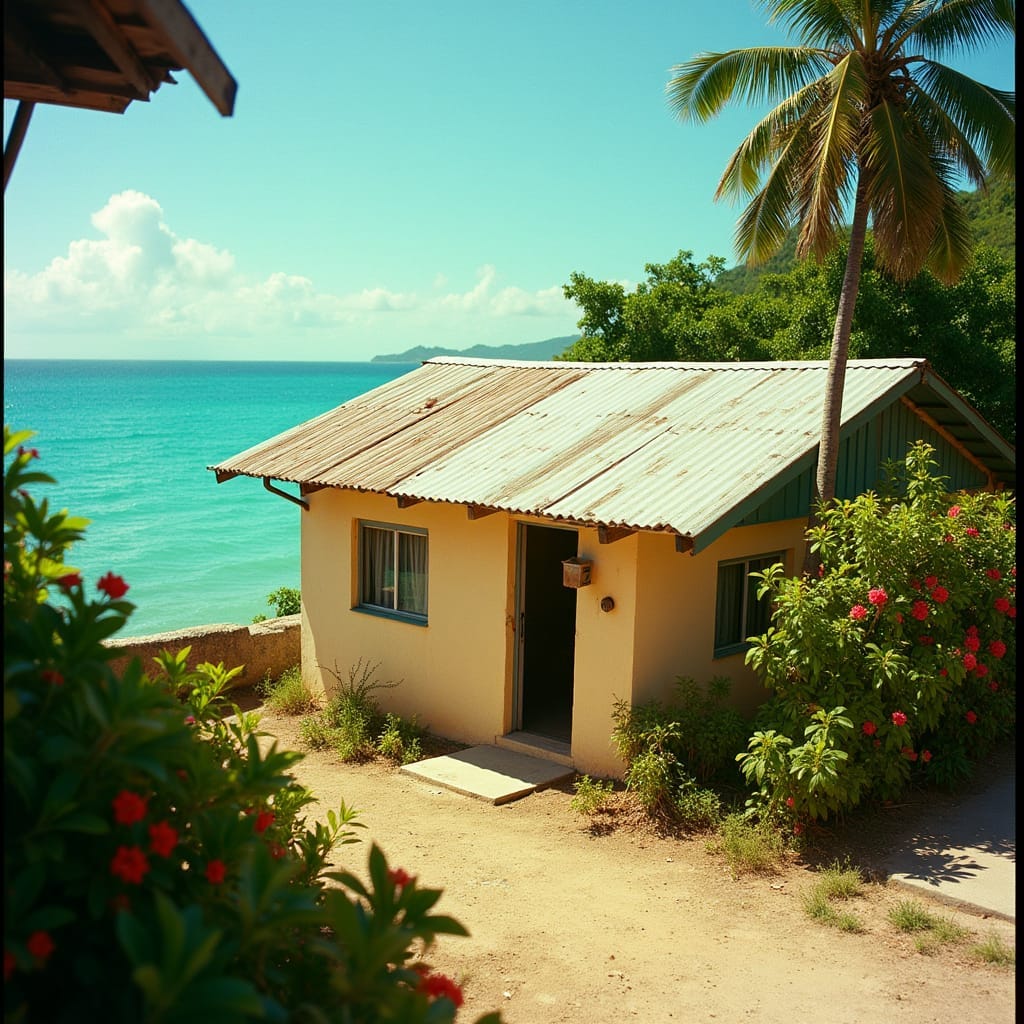
Affordable housing in Jamaica is an increasingly pressing issue, with rising land and construction costs making home ownership challenging for a large portion of the population. In urban areas like Kingston and Montego Bay, the shortage of affordable housing options has contributed to the growth of overcrowded informal settlements, where residents often face inadequate infrastructure, poor sanitation, and limited access to essential services. Recognizing this need, both government and private sector entities have launched initiatives such as low-income housing developments, subsidized mortgages, and partnerships with international organizations to provide more housing options. However, the demand for affordable homes continues to exceed available supply, highlighting the urgency of exploring innovative, sustainable solutions to Jamaica’s housing crisis.
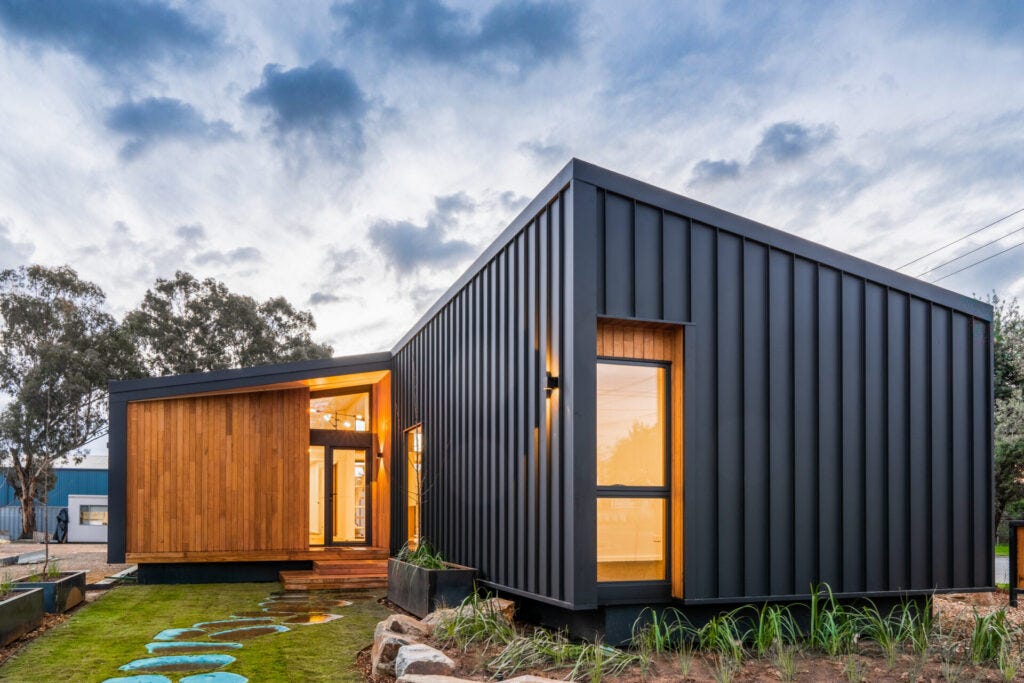
One emerging solution in affordable housing is the development of prefabricated (prefab) homes, which offer a faster and often more cost-effective construction method. Prefab homes are manufactured off-site and assembled on location, reducing both labor and material costs. These homes are designed with durable materials suited to Jamaica’s tropical climate, making them resilient to weather and low maintenance, while their modular design allows for flexibility in size and layout. Prefab homes are appealing to first-time homebuyers and families seeking quality housing within a limited budget, and they have the added benefit of being environmentally friendly due to reduced waste and energy usage during construction.
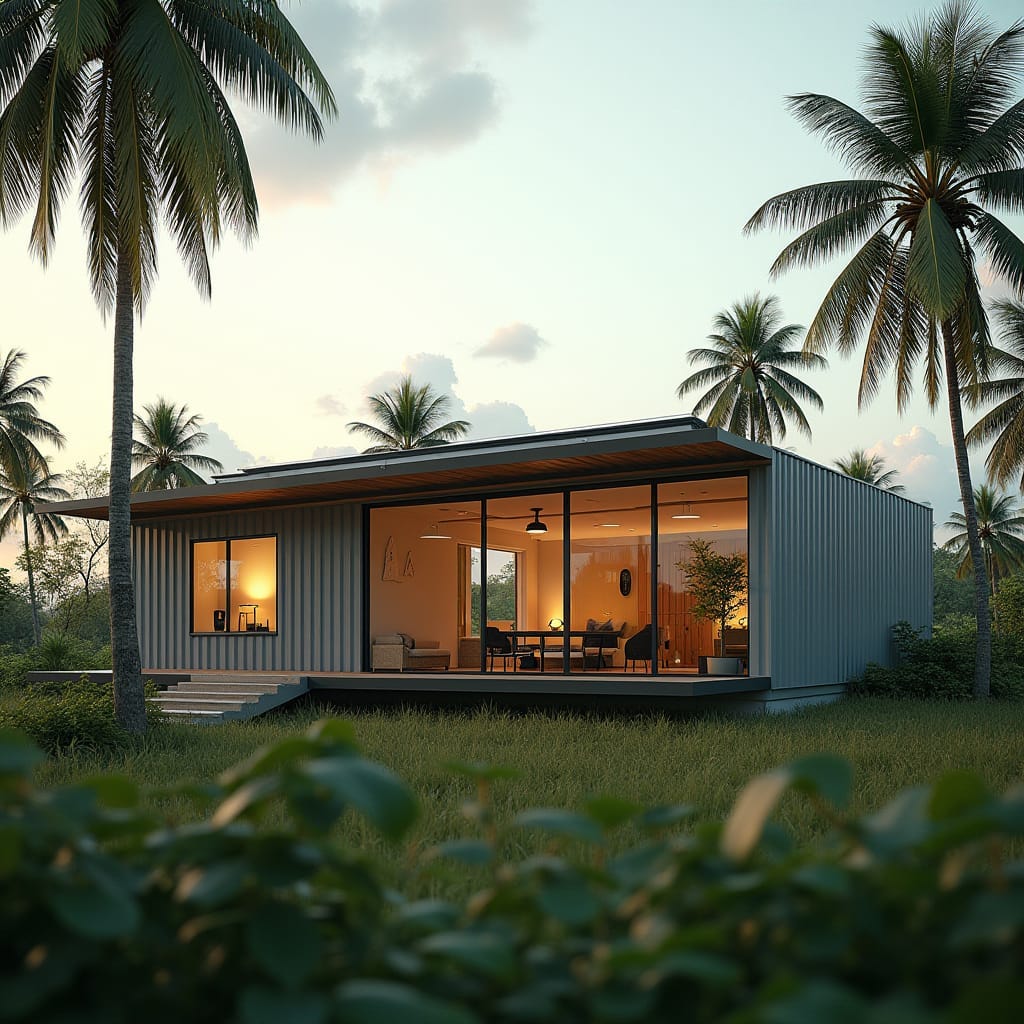
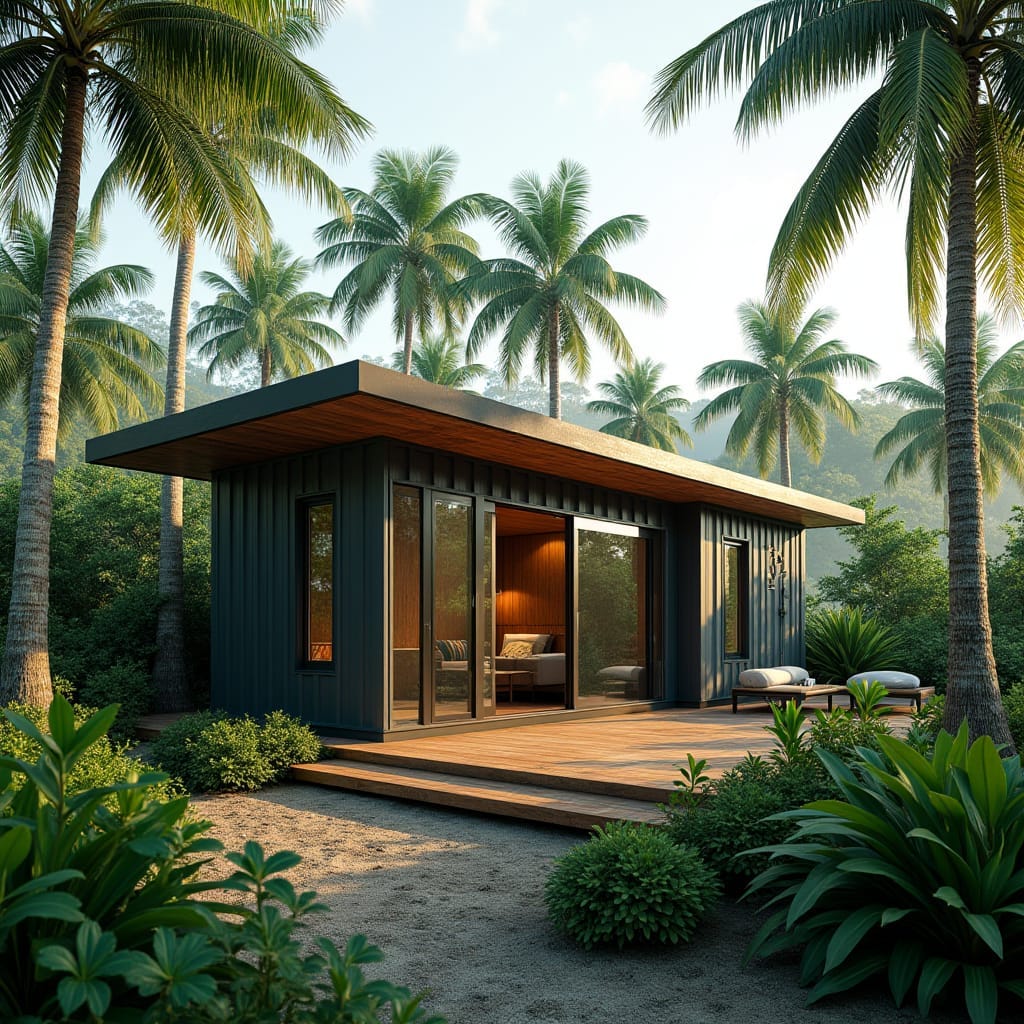
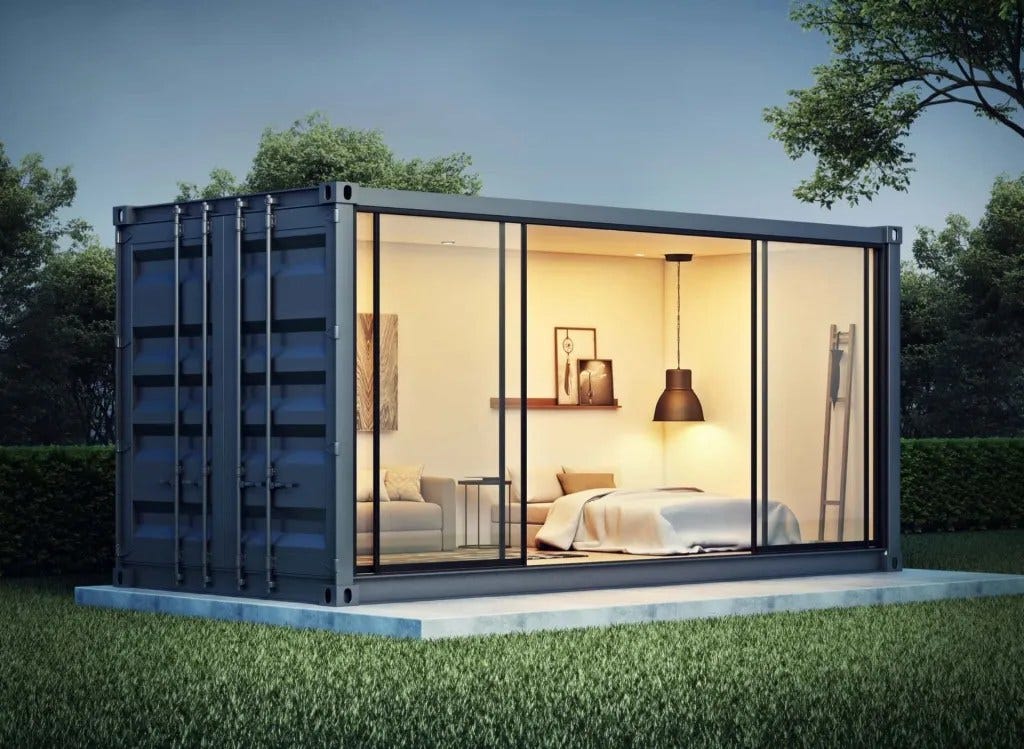
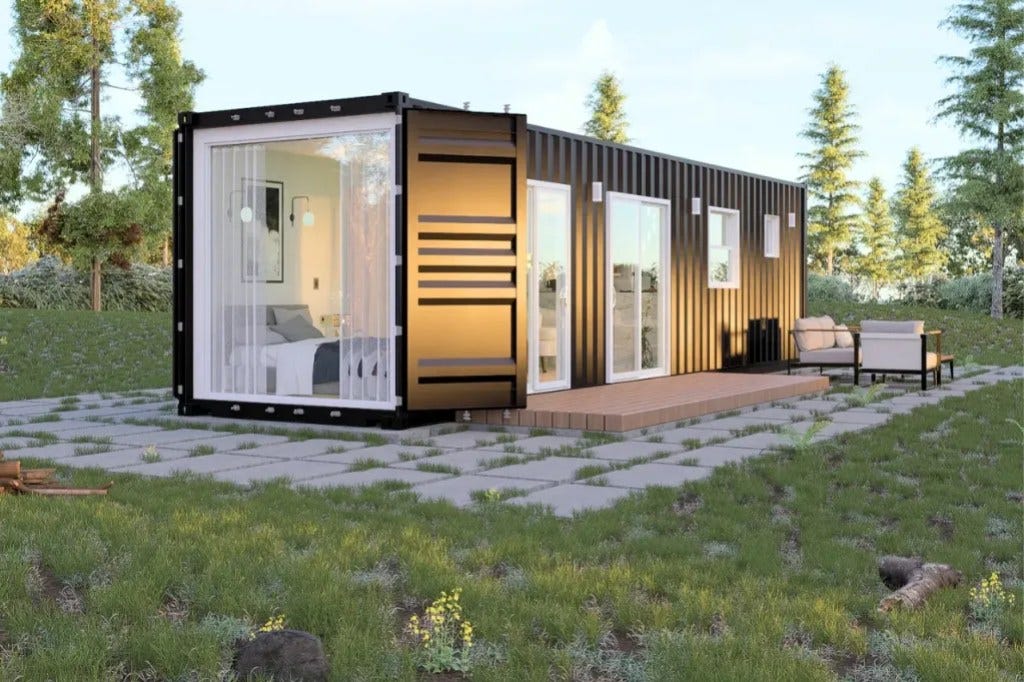
Container homes represent another affordable housing solution gaining popularity in Jamaica. These homes repurpose shipping containers as the structural basis for residential spaces, transforming them into functional, modern dwellings. Container homes are cost-effective and can be customized for insulation, ventilation, and aesthetic appeal. Additionally, they are highly durable, as shipping containers are designed to withstand harsh conditions, making them suitable for Jamaica’s climate. Container homes also allow for quick construction and can be relocated or expanded as needed, offering flexibility for growing families or communities. The use of containers for housing not only addresses affordability but also supports sustainable practices by recycling materials that would otherwise contribute to waste.
Government-supported low-income housing projects have long been a traditional approach to addressing the housing shortage in Jamaica. These projects often involve constructing apartment complexes or housing developments designed specifically for low- to moderate-income families. The Jamaican government, sometimes in collaboration with private developers, offers these homes at subsidized rates, making them more accessible to individuals and families who may otherwise struggle to afford a home. Subsidized mortgages and financial assistance programs accompany many of these projects, allowing more Jamaicans to transition from renting to owning their homes. While effective, these projects alone are insufficient to meet the growing demand, prompting further exploration of alternative housing models.
This challenge mirrors a global trend, as numerous countries grapple with housing affordability issues driven by rapid urbanization, economic disparities, and the rising costs of construction. As part of a broader solution, affordable housing initiatives in Jamaica are focusing not only on increasing the supply of housing but also on building sustainable and equitable communities. Innovations like prefab homes, container houses, and other alternative housing models are integral to creating long-term solutions that cater to Jamaica’s specific needs. Efforts to solve this problem are ongoing, with both government and private sectors committed to creating safe, affordable, and quality housing that provides every Jamaican with access to a decent, dignified home.
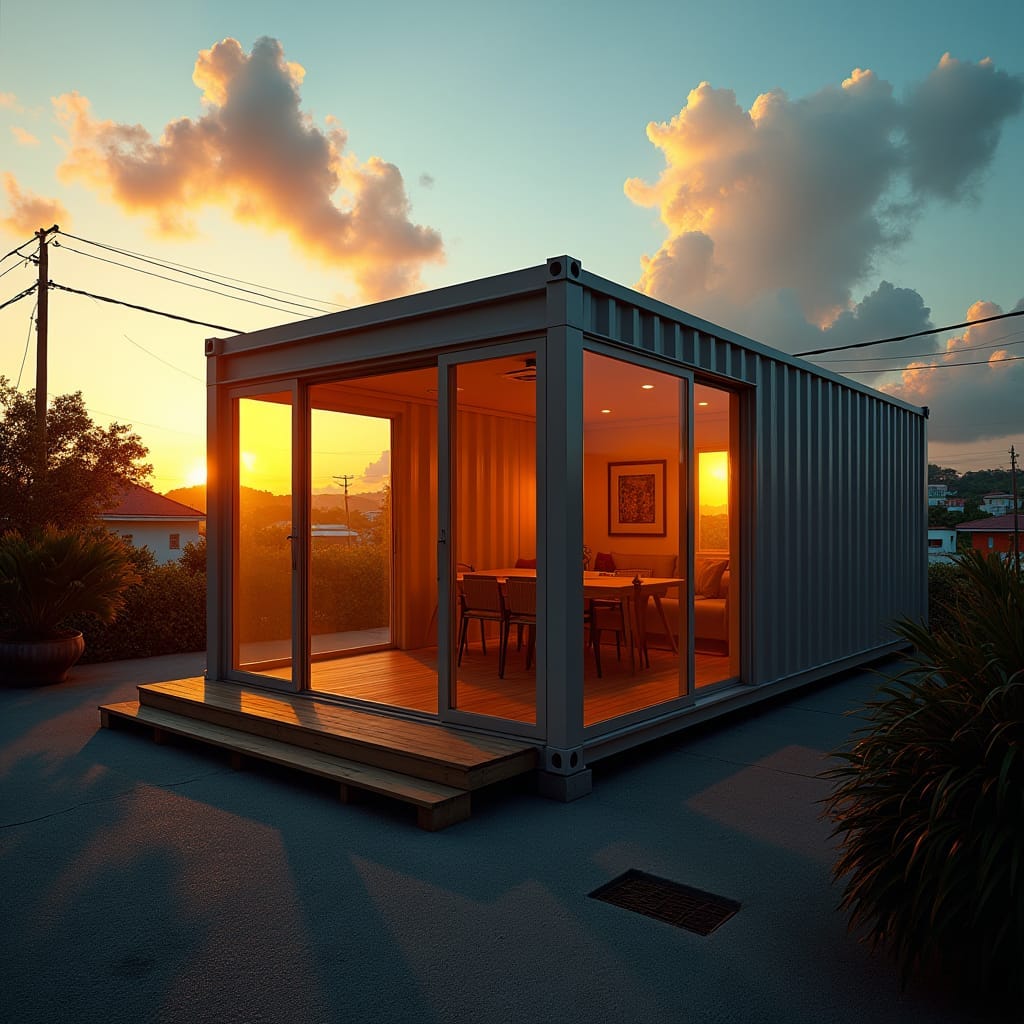
A sleek, modern prefab shipping container home stands amidst the vibrant cityscape of Kingston, Jamaica, bathed in warm, golden light, as if set aflame by the setting sun. Cinematic lighting casts dramatic shadows, accentuating the home’s clean lines and industrial-chic aesthetic
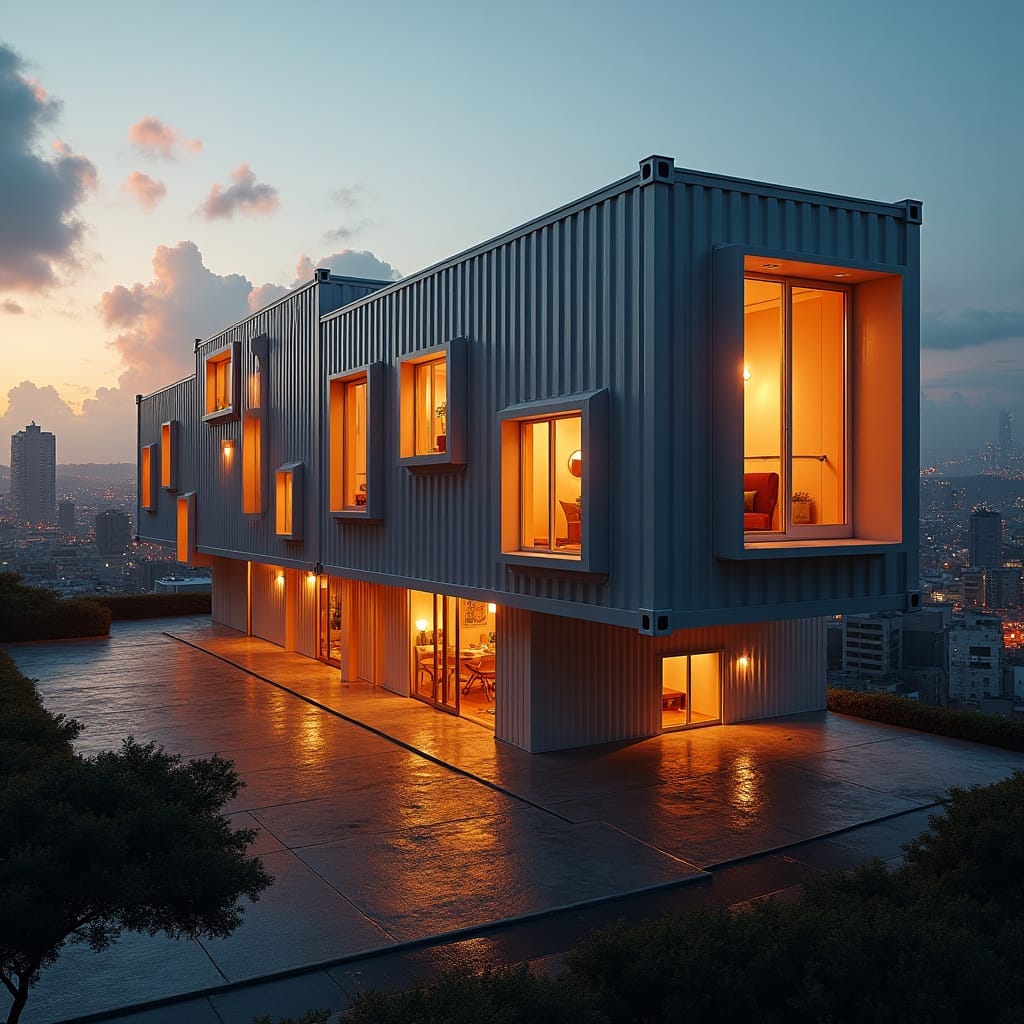
A modern Jamaican container home, situated in a bustling city area, with a bold, futuristic aesthetic, featuring numerous square protruding windows and large openings, creating a sense of openness and fluidity. The home’s metallic surfaces reflect the vibrant city lights, as the warm glow of the setting sun casts a golden hue on the surrounding urban landscape.
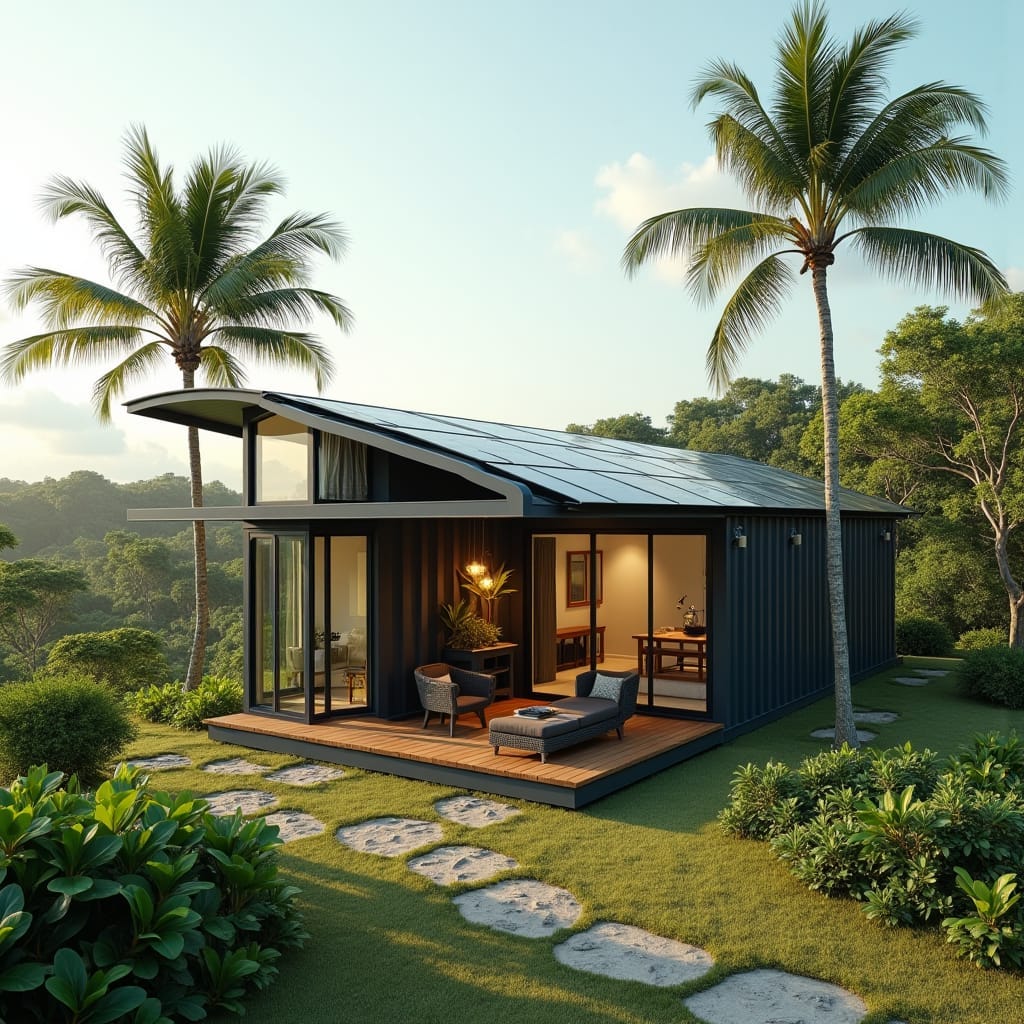
A sleek, eco-friendly container house in Jamaica, designed with modern aesthetics and sustainability in mind. The home is constructed from repurposed shipping containers, featuring large windows for natural light and ventilation. Solar panels line the roof, providing clean energy, while rainwater harvesting tanks are discreetly placed around the structure. The exterior is a blend of steel, wood accents, and glass, creating a harmonious balance between industrial chic and eco-conscious design. Minimal greenery surrounds the house, with palm trees swaying gently in the tropical breeze, set against a serene Jamaican landscape. Sustainable living, modern container design, tropical eco-home.
A sleek, eco-friendly container house in Jamaica, designed with modern aesthetics and sustainability in mind. The home is constructed from repurposed shipping containers, featuring large windows for natural light and ventilation. Solar panels line the roof, providing clean energy, while rainwater harvesting tanks are discreetly placed around the structure. The exterior is a blend of steel, wood accents, and glass, creating a harmonious balance between industrial chic and eco-conscious design. Minimal greenery surrounds the house, with palm trees swaying gently in the tropical breeze, set against a serene Jamaican landscape. Sustainable living, modern container design, tropical eco-home.
A sleek, eco-friendly container house in Jamaica, designed with modern aesthetics and sustainability in mind. The home is constructed from repurposed shipping containers, featuring large windows for natural light and ventilation. Solar panels line the roof, providing clean energy, while rainwater harvesting tanks are discreetly placed around the structure. The exterior is a blend of steel, wood accents, and glass, creating a harmonious balance between industrial chic and eco-conscious design. Minimal greenery surrounds the house, with palm trees swaying gently in the tropical breeze, set against a serene Jamaican landscape. Sustainable living, modern container design, tropical eco-home.
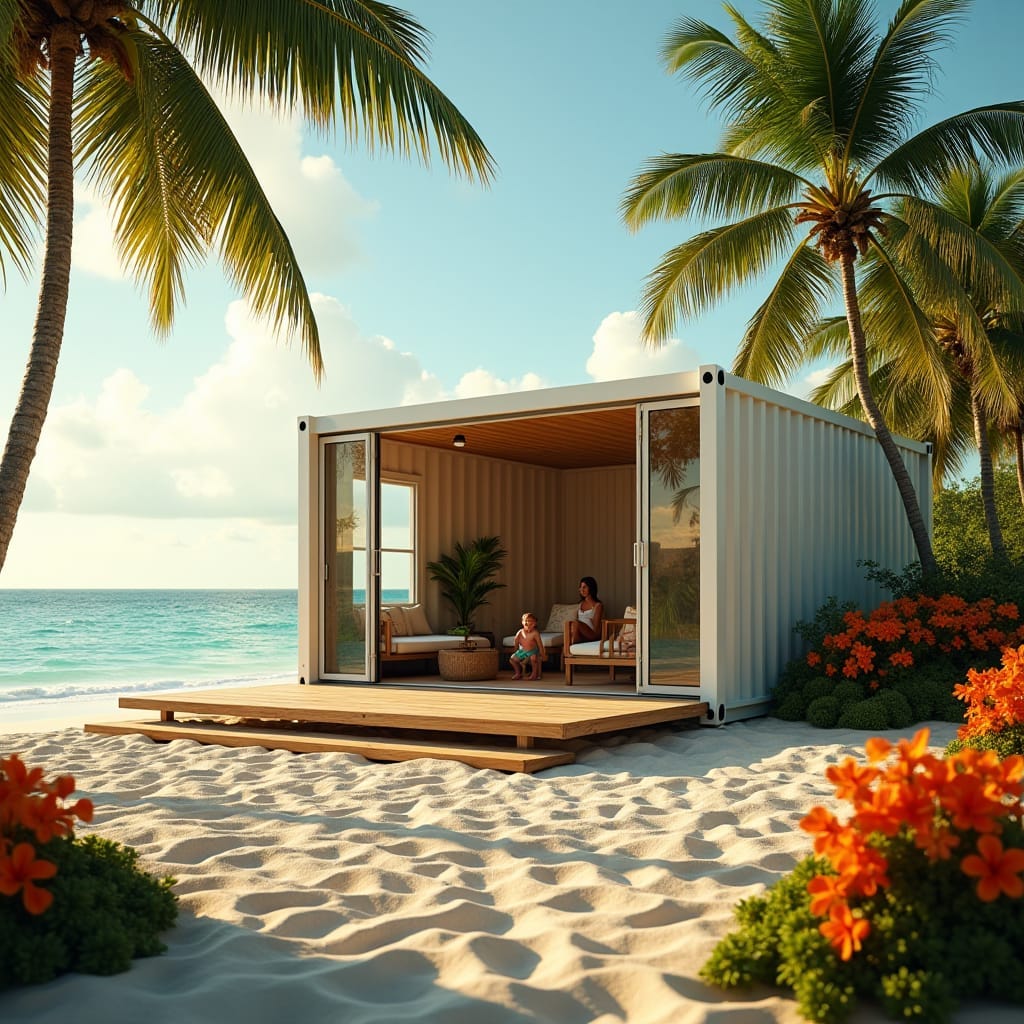
Modern shipping container prefab home nestled on a sun-kissed Jamaican beach, with kids laughing and playing inside, surrounded by tropical palm trees and vibrant beach flowers.
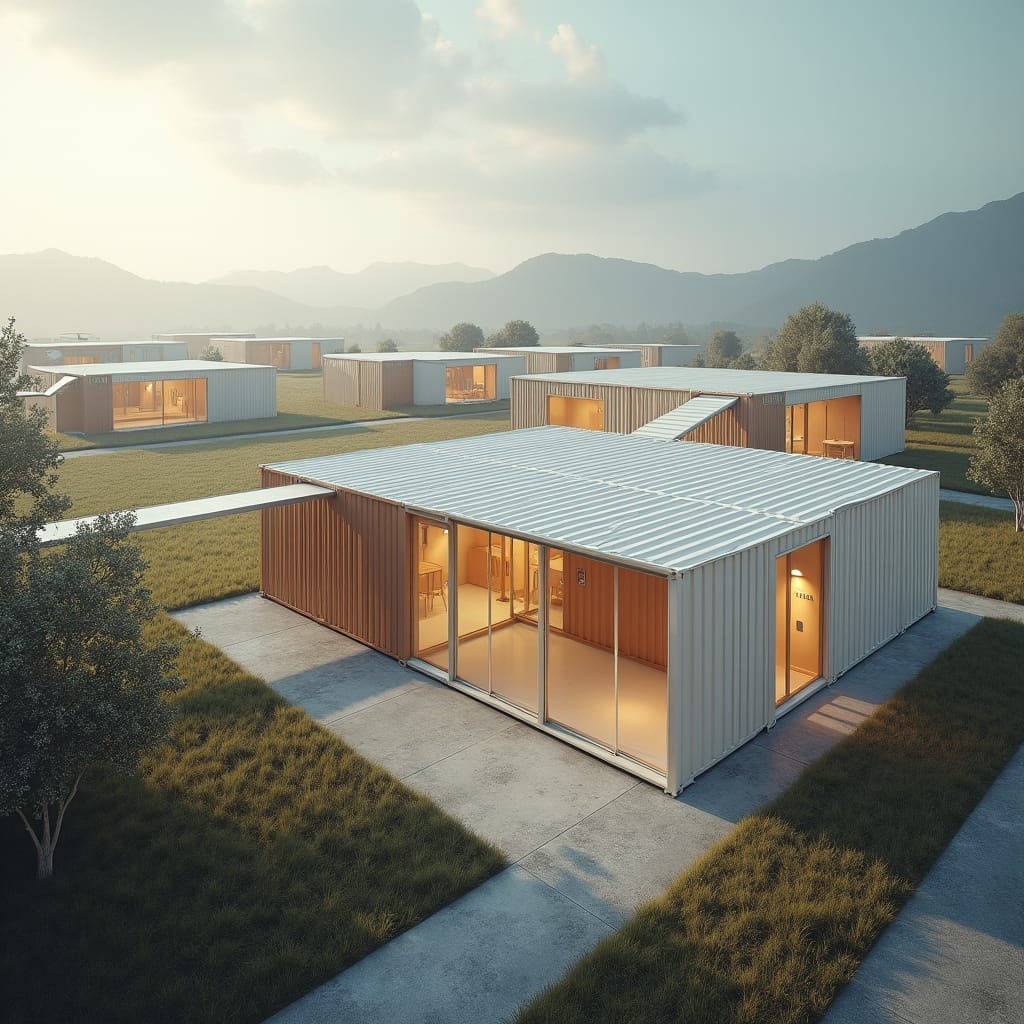
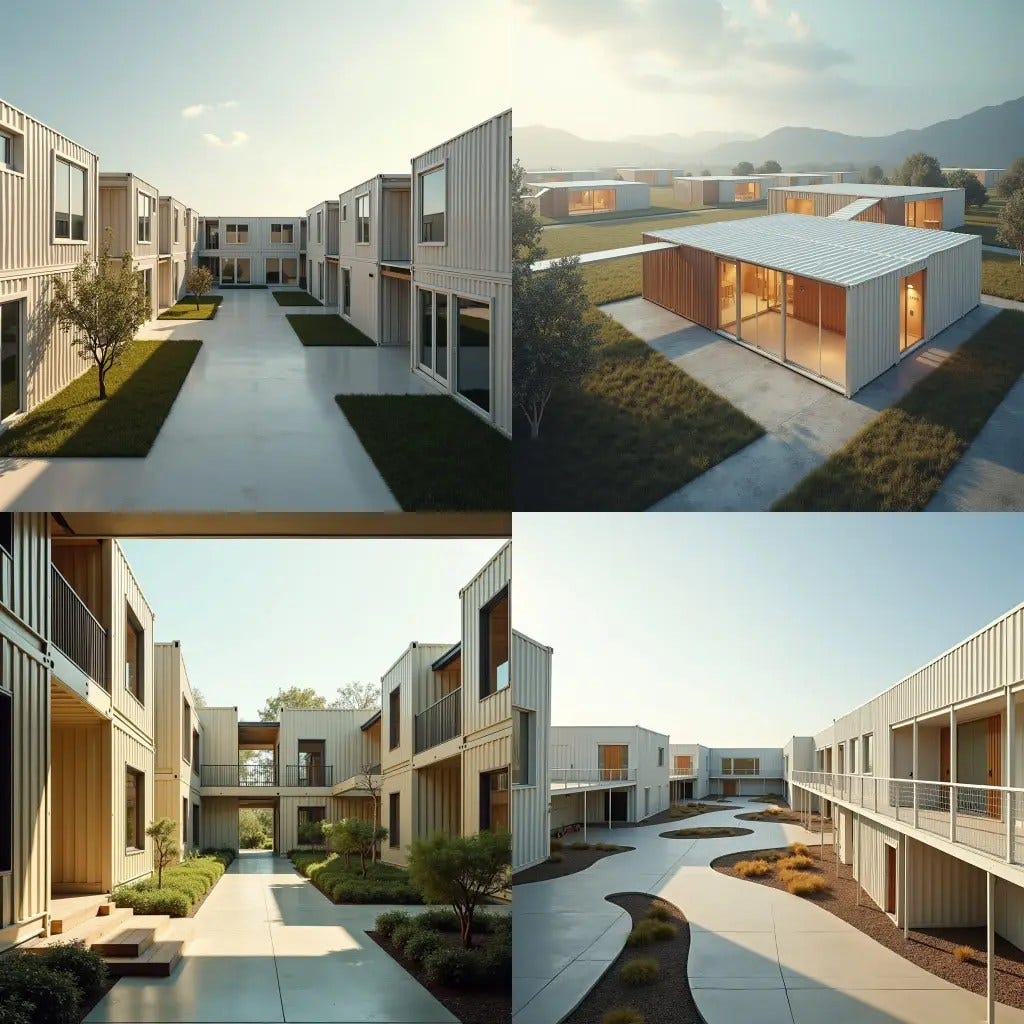
A modern school built entirely from repurposed shipping containers, arranged in a clean and minimalistic design. The containers are painted in neutral tones, with large windows cut into the sides to allow natural light to flood in. Open-air walkways connect the different classrooms, and the layout includes simple outdoor spaces with minimal landscaping. The design is sleek and functional, emphasizing sustainability and efficiency. Minimalist, eco-friendly, modern container architecture.
A modern school built entirely from repurposed shipping containers, arranged in a clean and minimalistic design. The containers are painted in neutral tones, with large windows cut into the sides to allow natural light to flood in. Open-air walkways connect the different classrooms, and the layout includes simple outdoor spaces with minimal landscaping. The design is sleek and functional, emphasizing sustainability and efficiency. Minimalist, eco-friendly, modern container architecture.
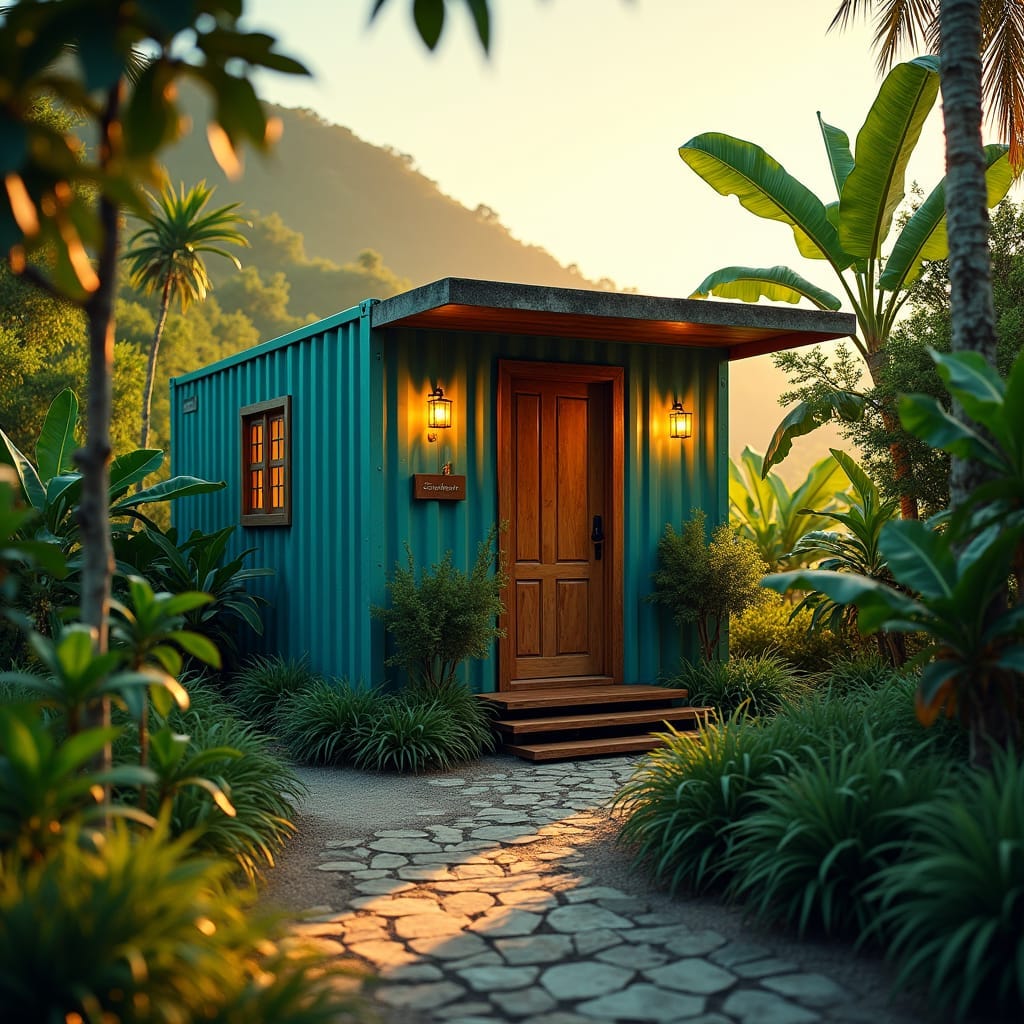
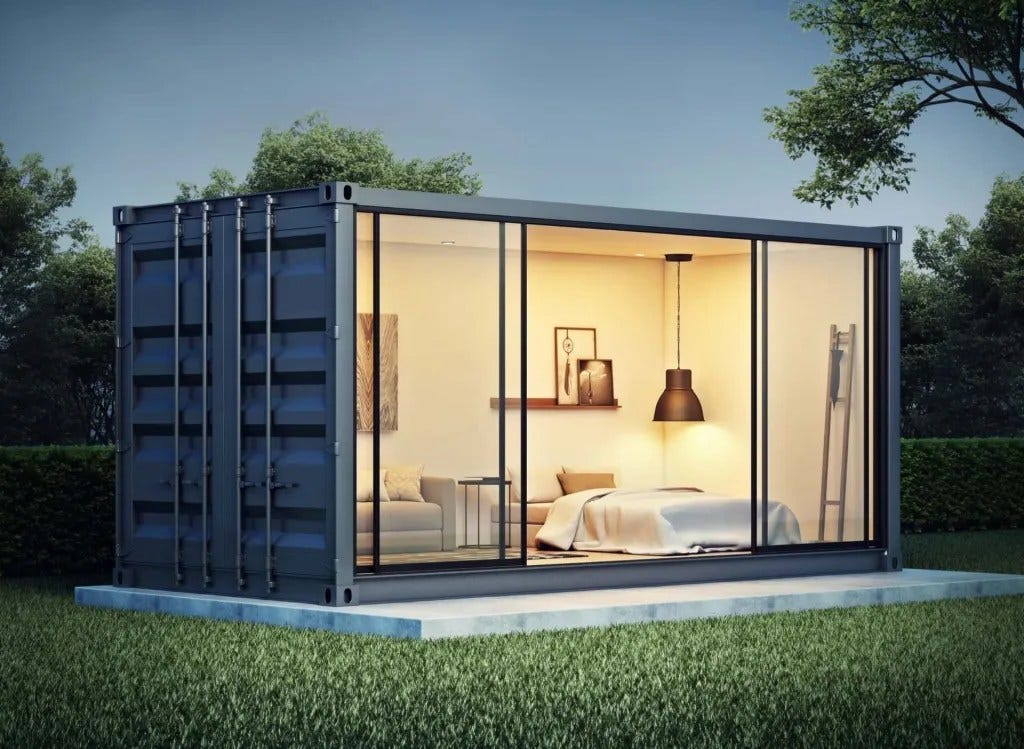
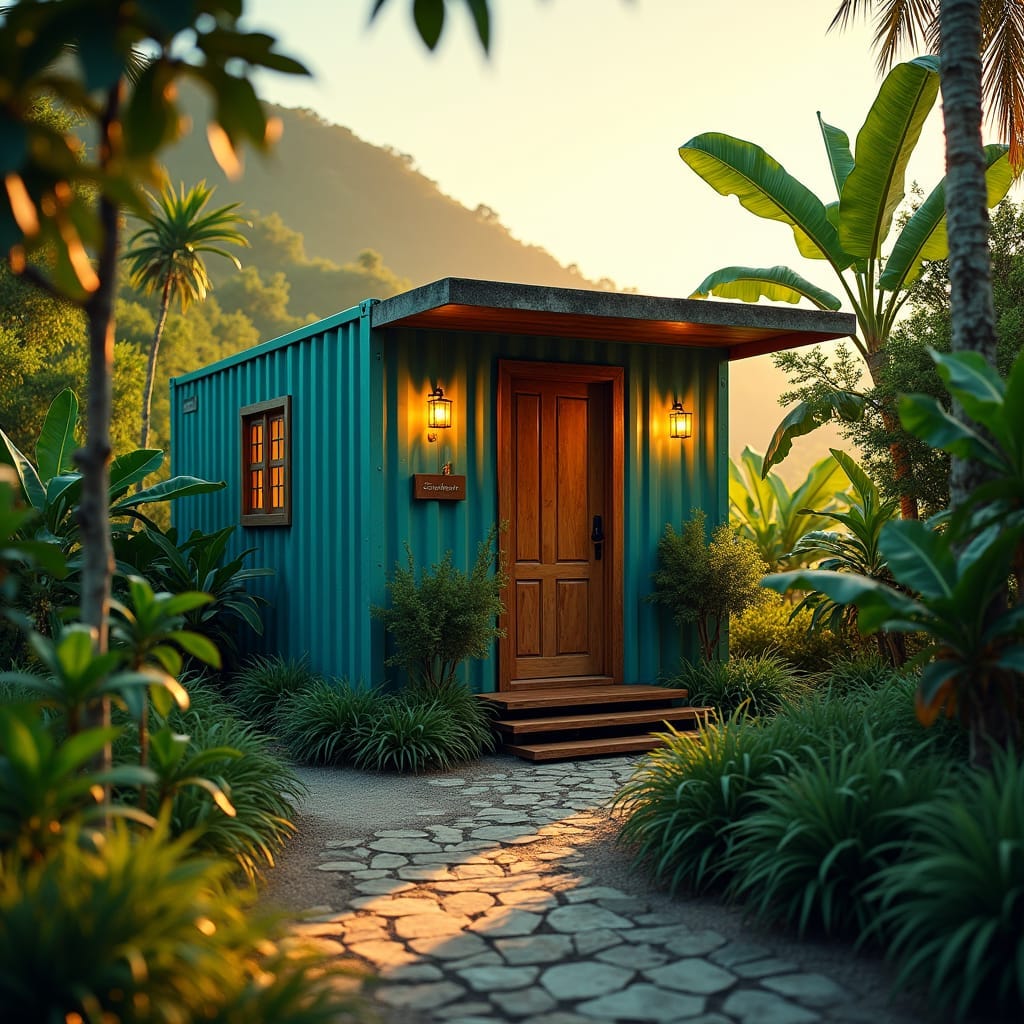
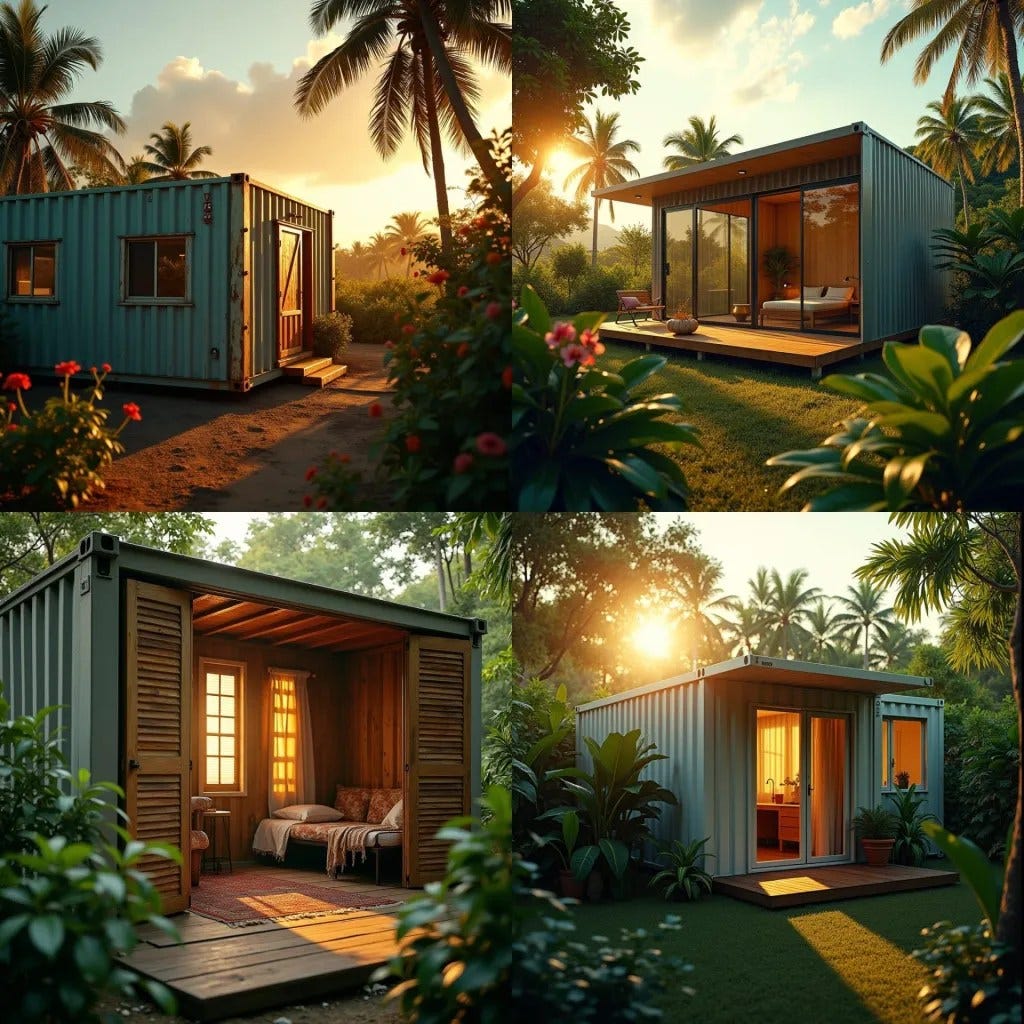
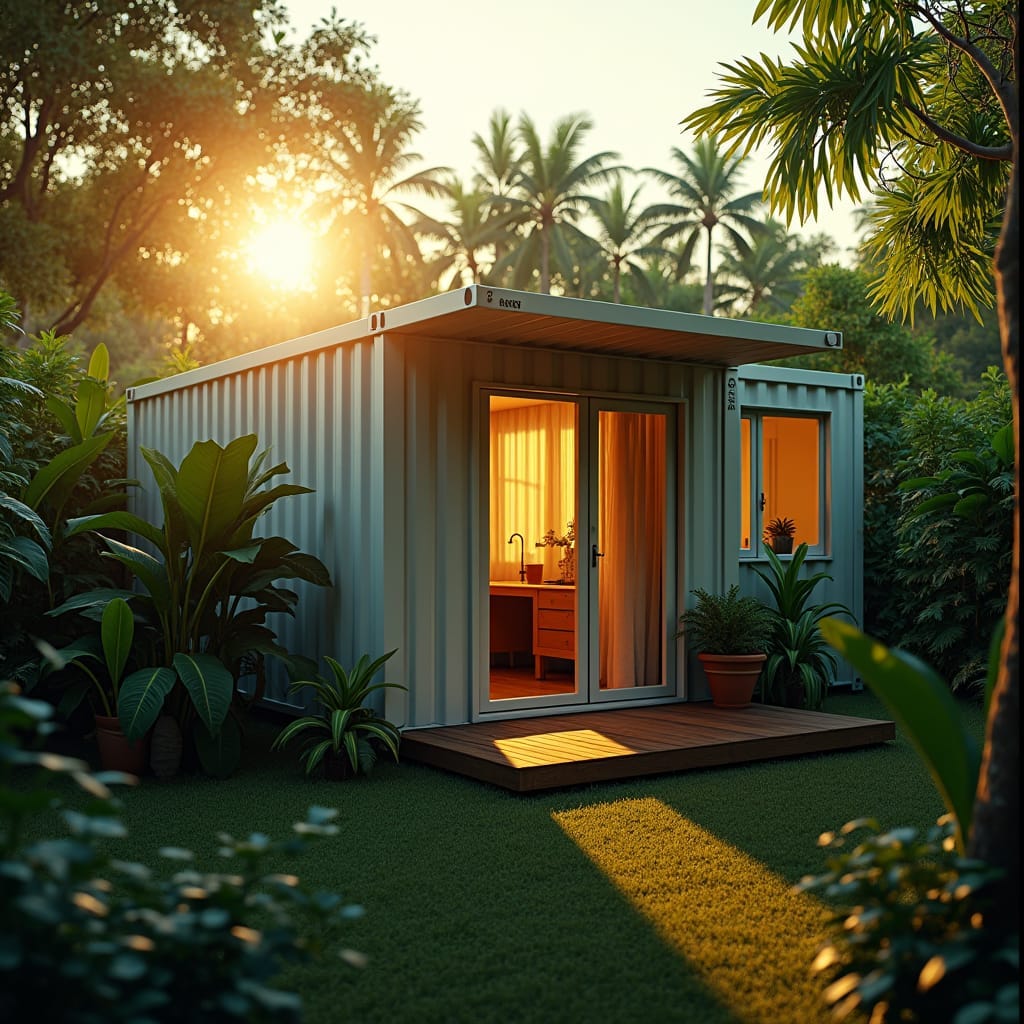
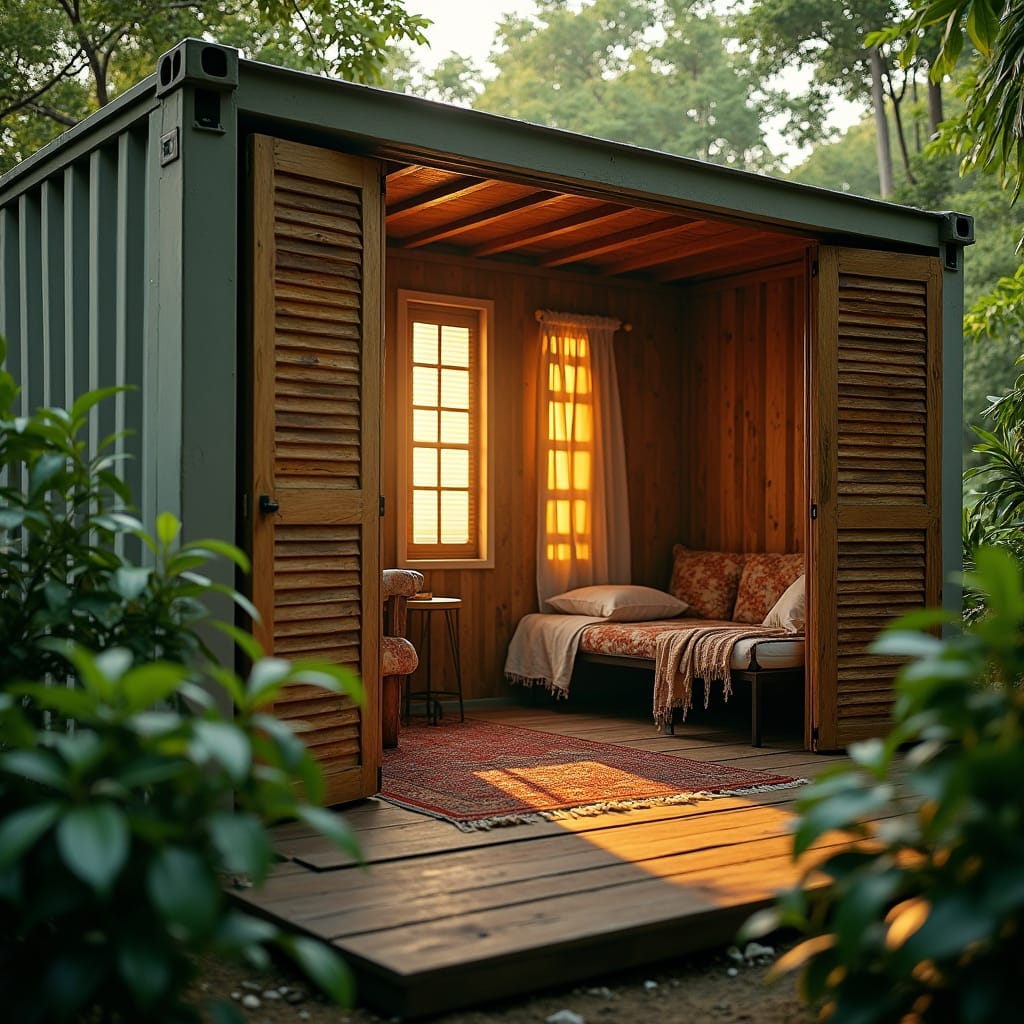
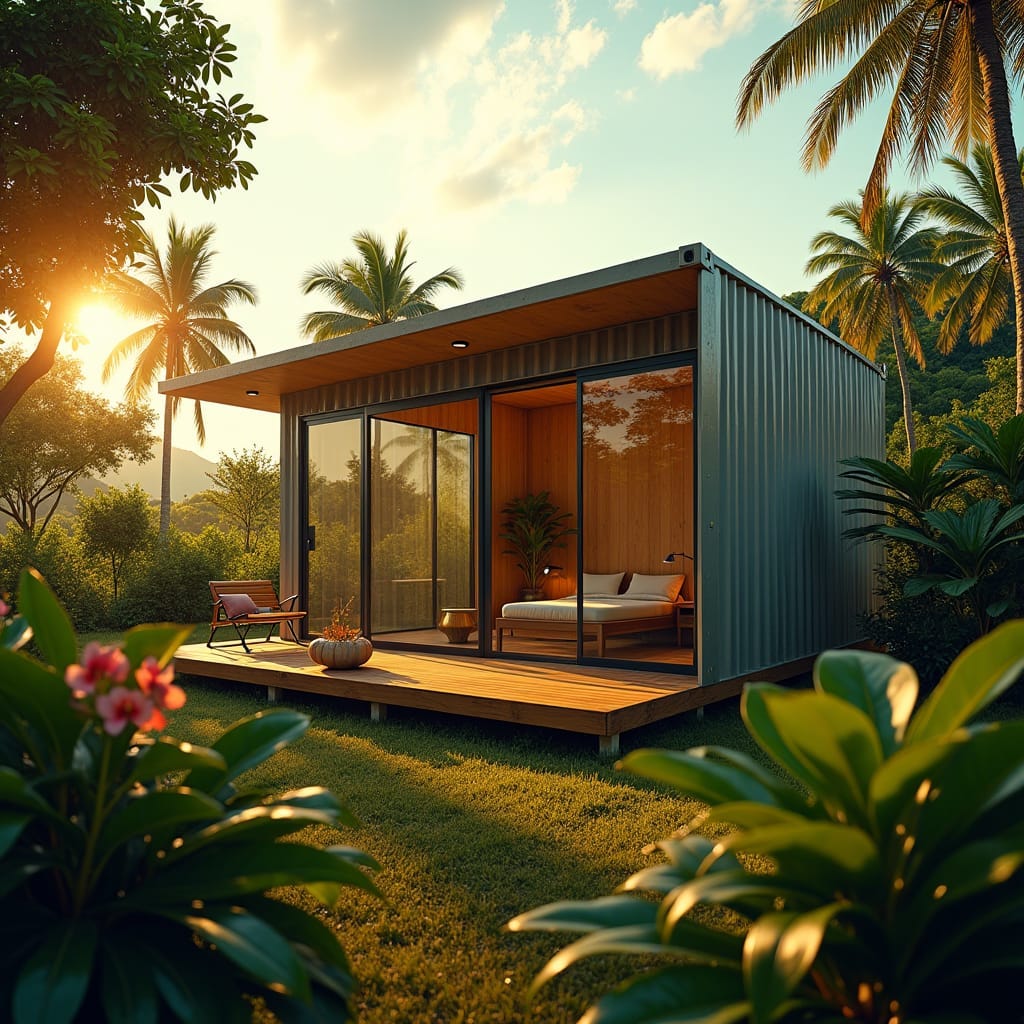
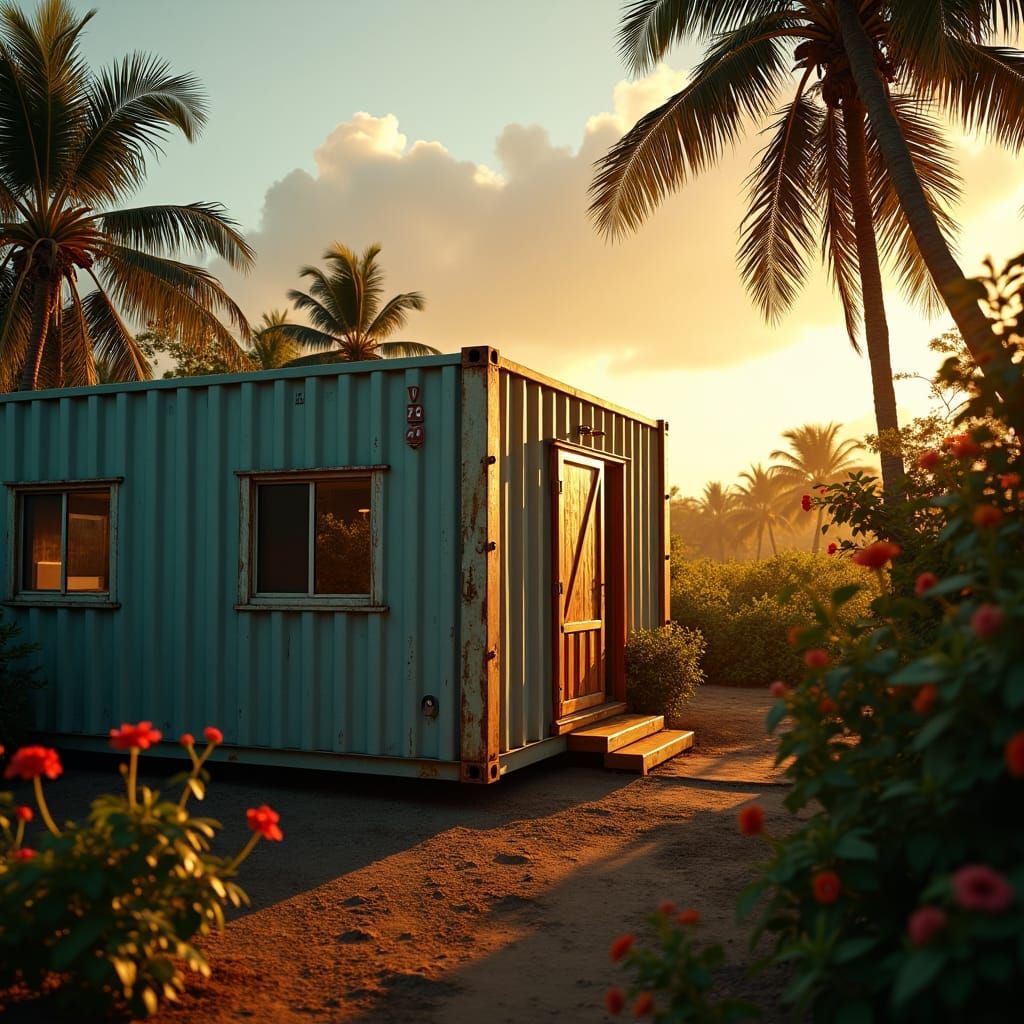
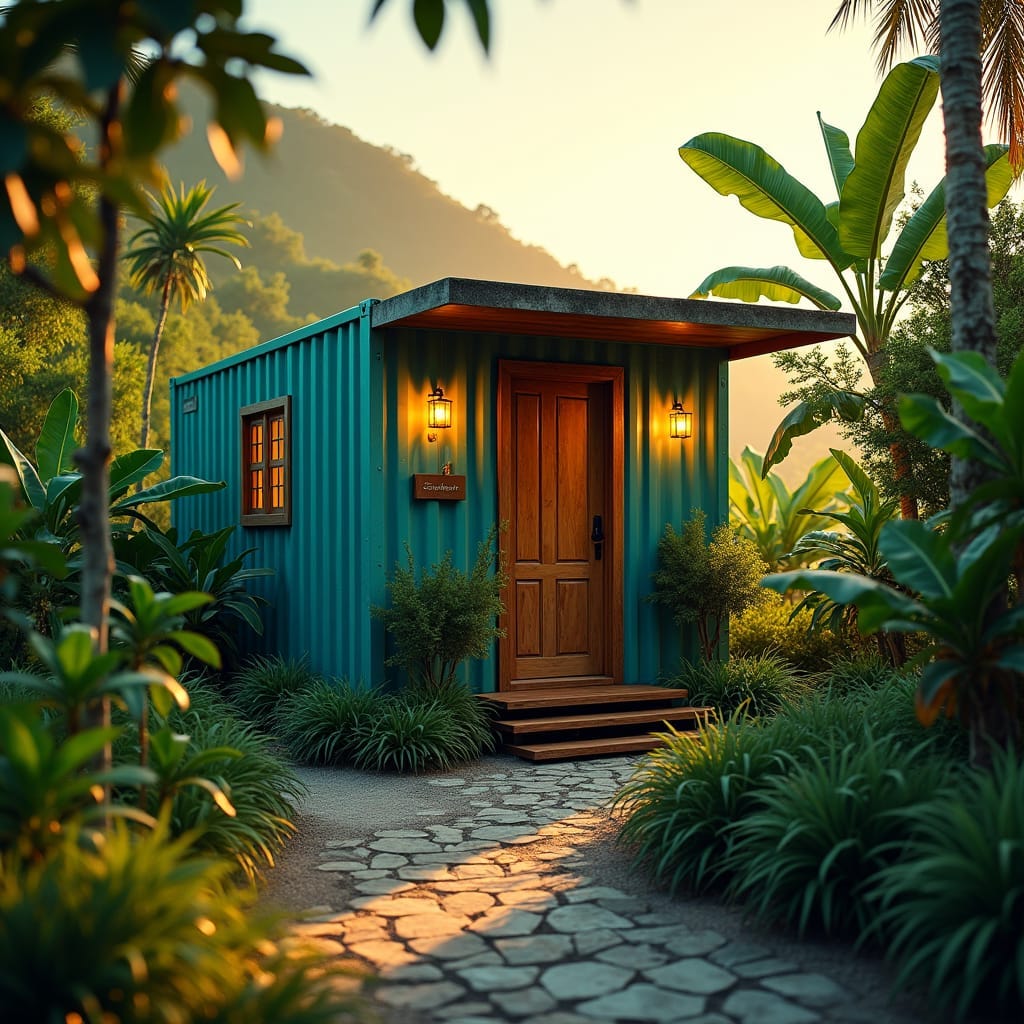
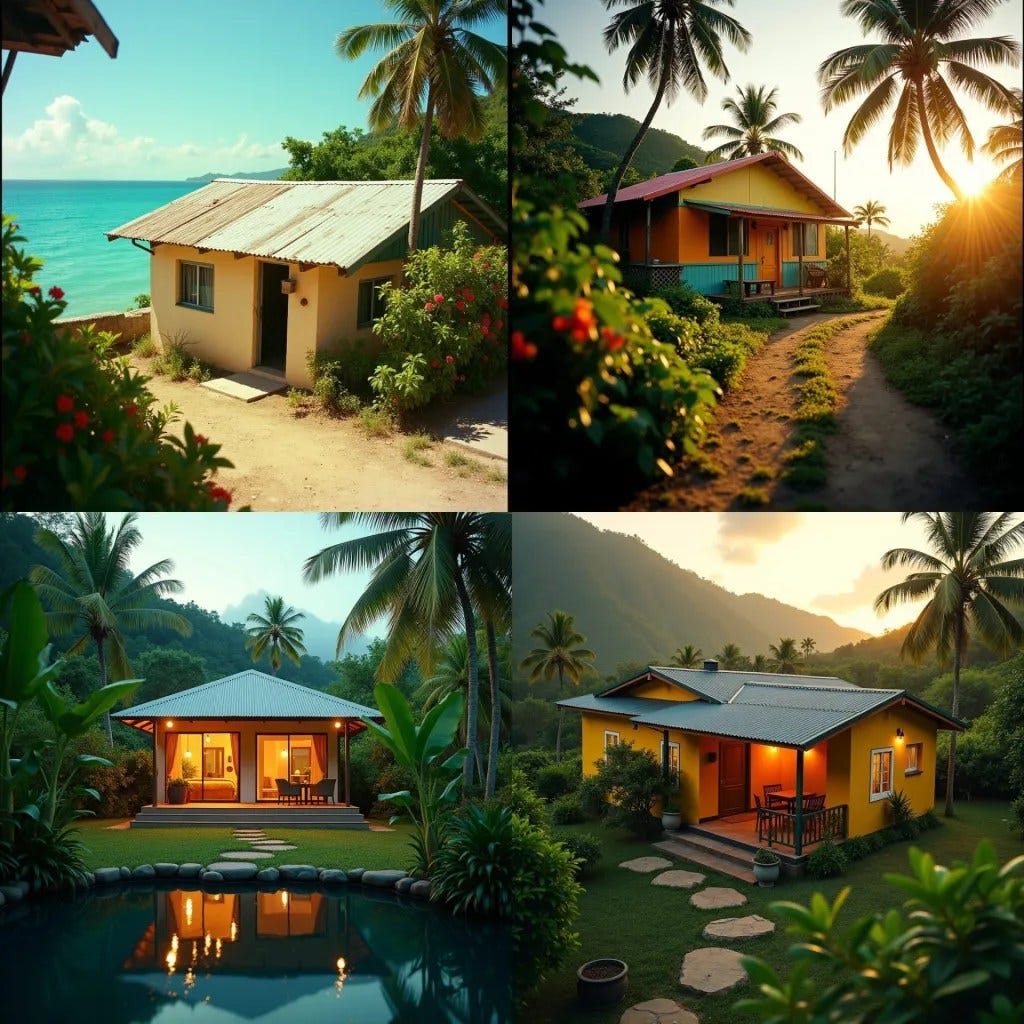
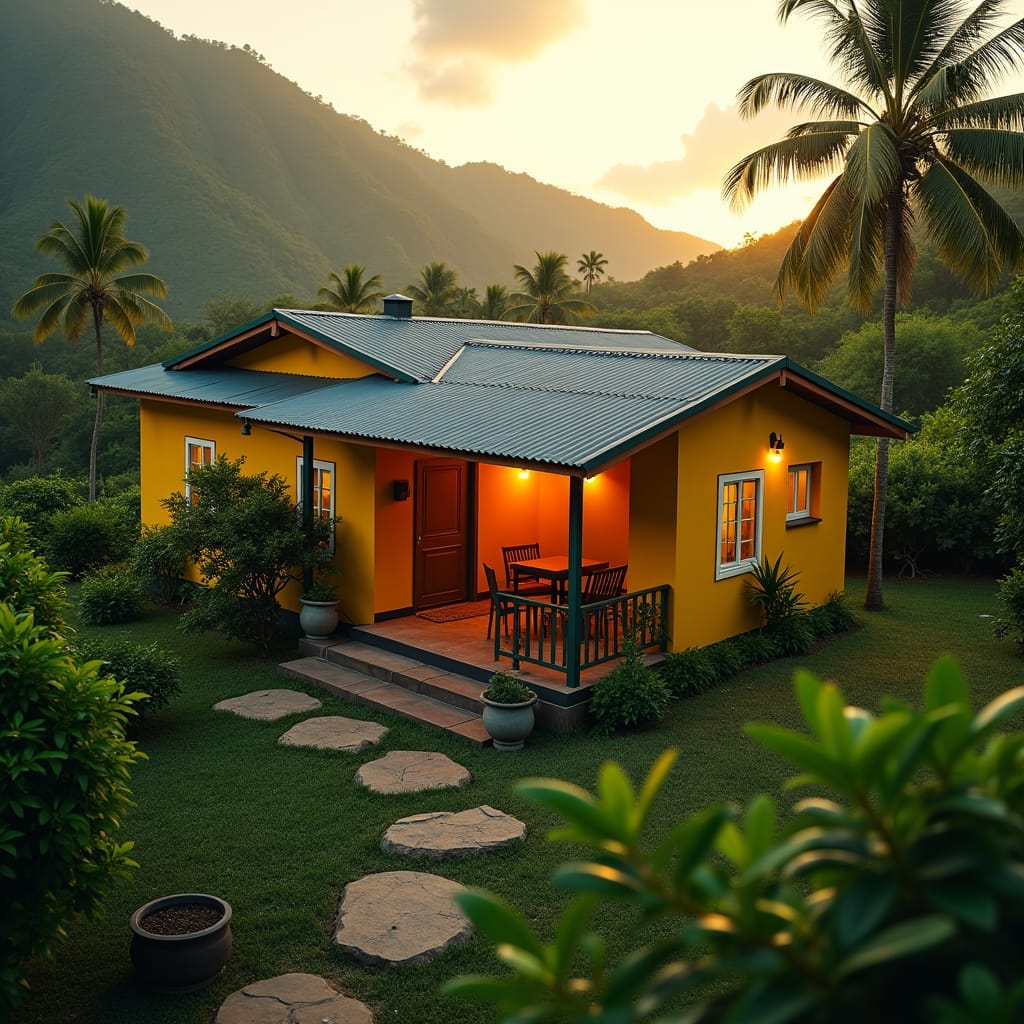
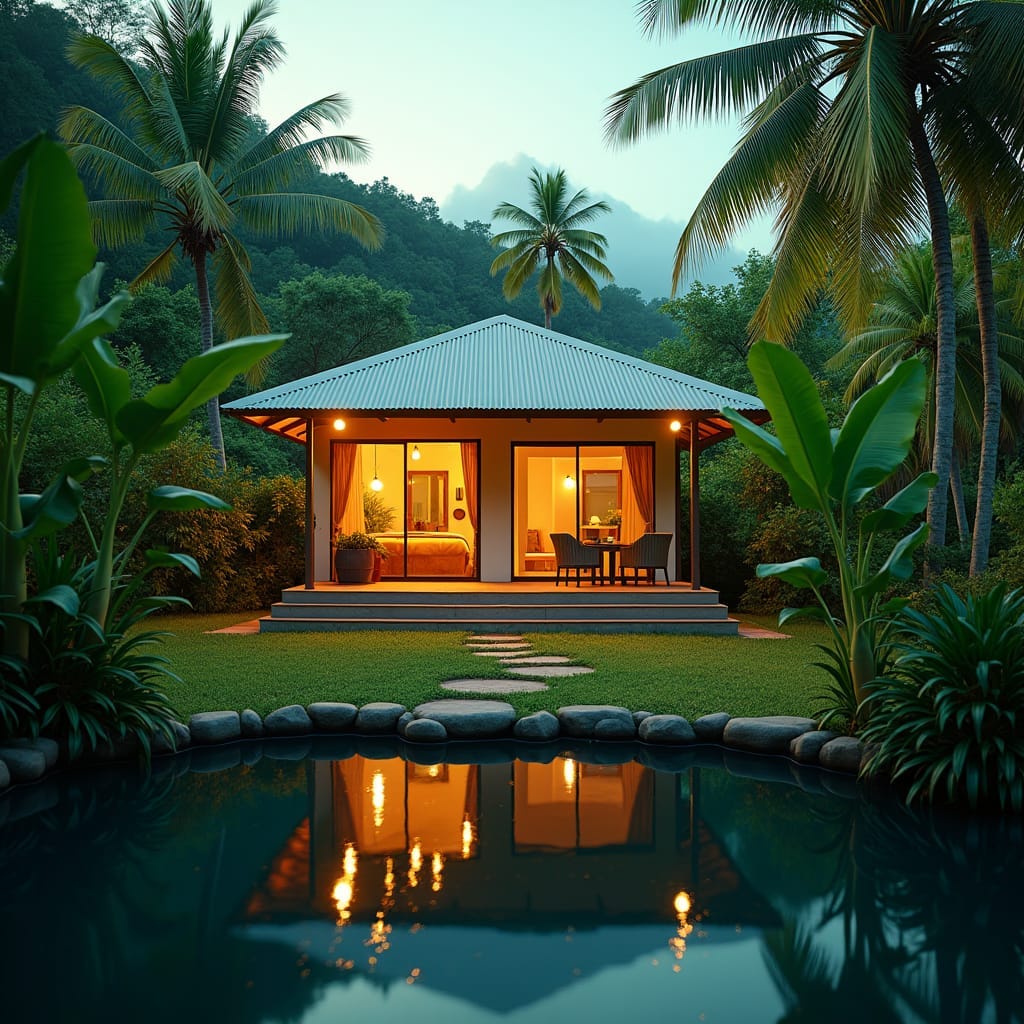
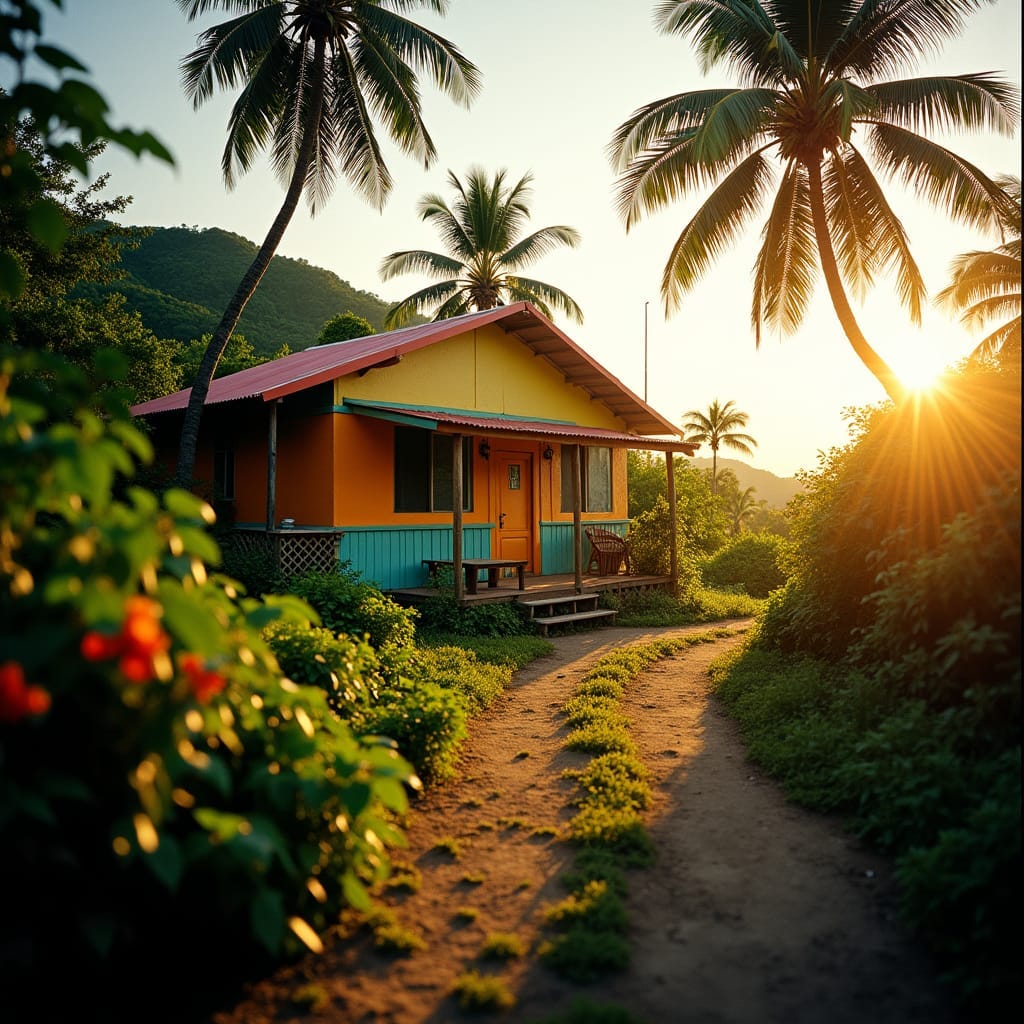
ozy one-bedroom container home nestled in a lush Jamaican landscape, surrounded by vibrant tropical foliage, warm golden light casting a serene ambiance
ozy one-bedroom container home nestled in a lush Jamaican landscape, surrounded by vibrant tropical foliage, warm golden light casting a serene ambiance
ozy one-bedroom container home nestled in a lush Jamaican landscape, surrounded by vibrant tropical foliage, warm golden light casting a serene ambiance
ozy one-bedroom container home nestled in a lush Jamaican landscape, surrounded by vibrant tropical foliage, warm golden light casting a serene ambiance
ozy one-bedroom container home nestled in a lush Jamaican landscape, surrounded by vibrant tropical foliage, warm golden light casting a serene ambiance
ozy one-bedroom container home nestled in a lush Jamaican landscape, surrounded by vibrant tropical foliage, warm golden light casting a serene ambiance
ozy one-bedroom container home nestled in a lush Jamaican landscape, surrounded by vibrant tropical foliage, warm golden light casting a serene ambiance