

One Yard, Many Generations: How Jamaica’s Living Legacy Is Shaping the Future of Homeownership

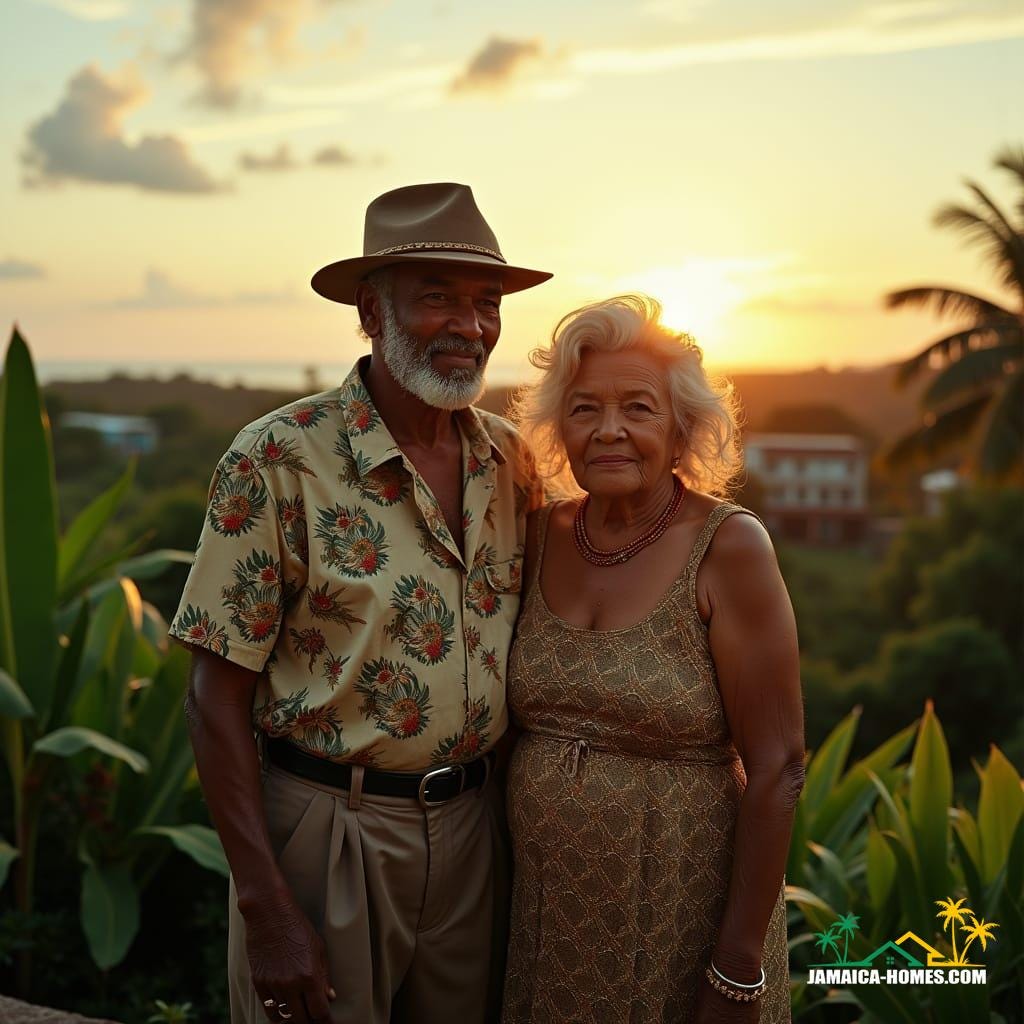
In Jamaica, the idea of “family under one roof” is more than a modern real estate trend — it’s a deep-rooted way of life that spans generations, land, and love. Long before developers spoke of “multi-generational homes,” Jamaicans were already living it. Our culture is rich with the traditions of grandparents, parents, children, and cousins all building, sharing, and growing together — not only under the same roof, but often on the same land.
From the early days of our nation’s independence to today’s complex real estate market, one thing has remained consistent: Jamaican families build together, live together, and rise together.
From Then to Now: The True Foundation of Jamaican Homes
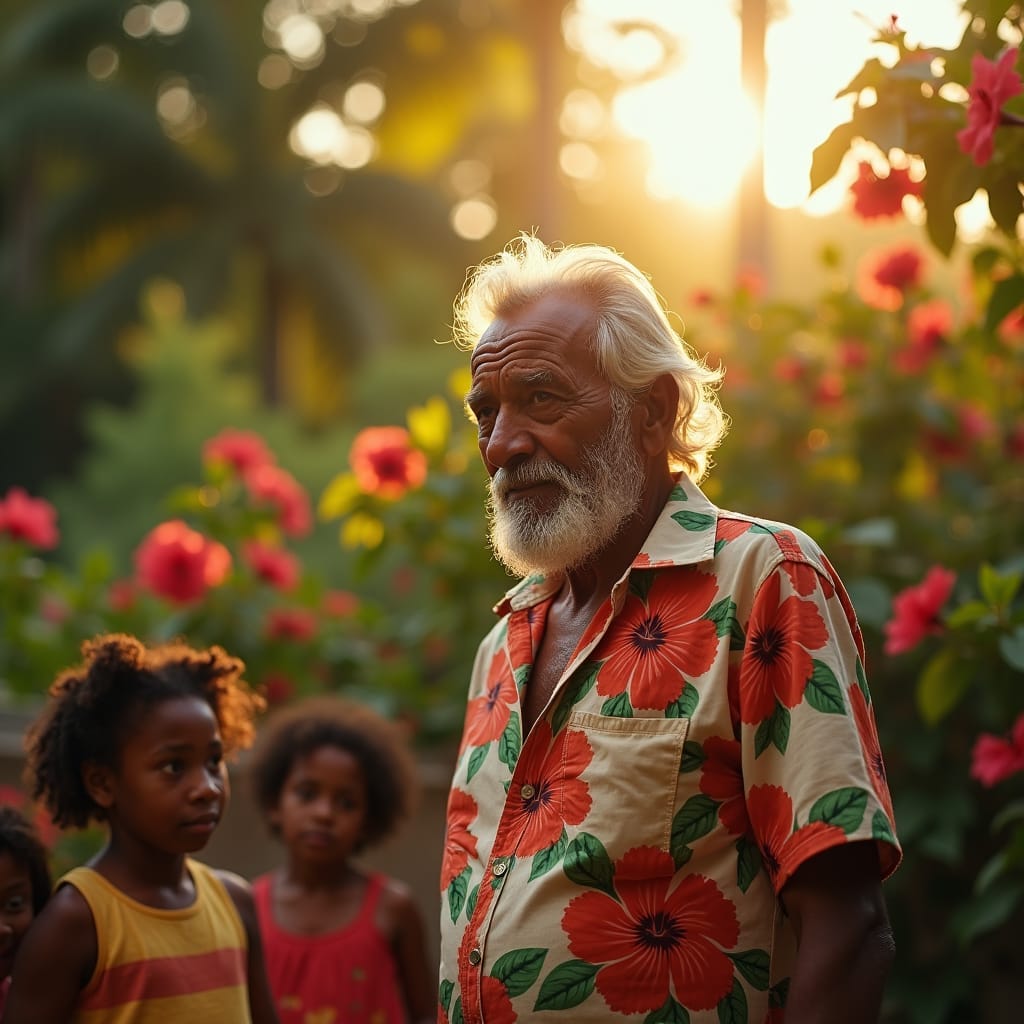
Growing up in Jamaica, it was common to see large family yards in communities like Clarendon, Portland, St. Catherine, and even deep rural St. Elizabeth. One big plot of family land, perhaps passed down from a grandfather or great-grandmother, would become a village within a village. You’d find Gran in the front room rocking in her chair, Mummy in the kitchen seasoning the Sunday chicken, Daddy hammering nails to finish the verandah, and children running barefoot in the yard, free and safe.
Homes weren’t always finished. In fact, they rarely were. A house might start with two rooms — “jus’ fi move in”— and then grow over time, block by block, paycheck by paycheck.
Sometimes the “big house” in the front belonged to the eldest parent, and around it sprouted smaller dwellings like satellite homes for each adult child and their family — one in the back, another to the side, all on the same family land. This layout wasn’t just economic — it was a blueprint of love, security, and shared dreams.
“A Jamaican home is rarely built in one go. It’s layered with sacrifice, seasoned with laughter, and held together by legacy.”
— Dean Jones, Founder of Jamaica Homes
The Culture of “All A Wi” Still Lives On
This lifestyle wasn’t called multi-generational living back then. It was just life.
This system was practical — elders were cared for without needing a retirement home, and children were raised with layers of love, wisdom, and discipline from multiple generations. It reflected a powerful African-rooted proverb: “It takes a village to raise a child.”
And raise children we did — in open yards where lessons were passed down from lips to ears, and from actions to eyes. Gran taught how to make cassava pone in the dutch pot and told tales of “the old days” — when respect for land ran deep, and you dared not whistle at night for fear of calling a Rolling Calf.
Uncle T had bush remedies for everything. A stubborn bellyache meant it was time for guinea hen weed. A chest cold? He’d go out into the field, catch a bush rat, and boil it into a soup said to be “good fi di chest.” No one questioned it — it worked, or at least, you believed it did.
A dry cough got a dose of Leaf of Life, steeped and sipped slow. For general cleansing, Auntie Pat would reach for cerasee tea, especially when the moon was full. Every child in the yard had tasted that bitter brew at least once — and wore the memory on their tongue.
And so it was. These were homes not just built with cement, but with remedies, stories, and the shared strength of generations. Places where healing didn’t come in a bottle, but from the bush, the elders, and the enduring wisdom of yard life.
As times changed and urbanization increased, we saw more nuclear families, apartment living, and migration. But now, in 2024, we are circling back — not out of nostalgia, but necessity and wisdom.
Modern Pressures, Traditional Solutions
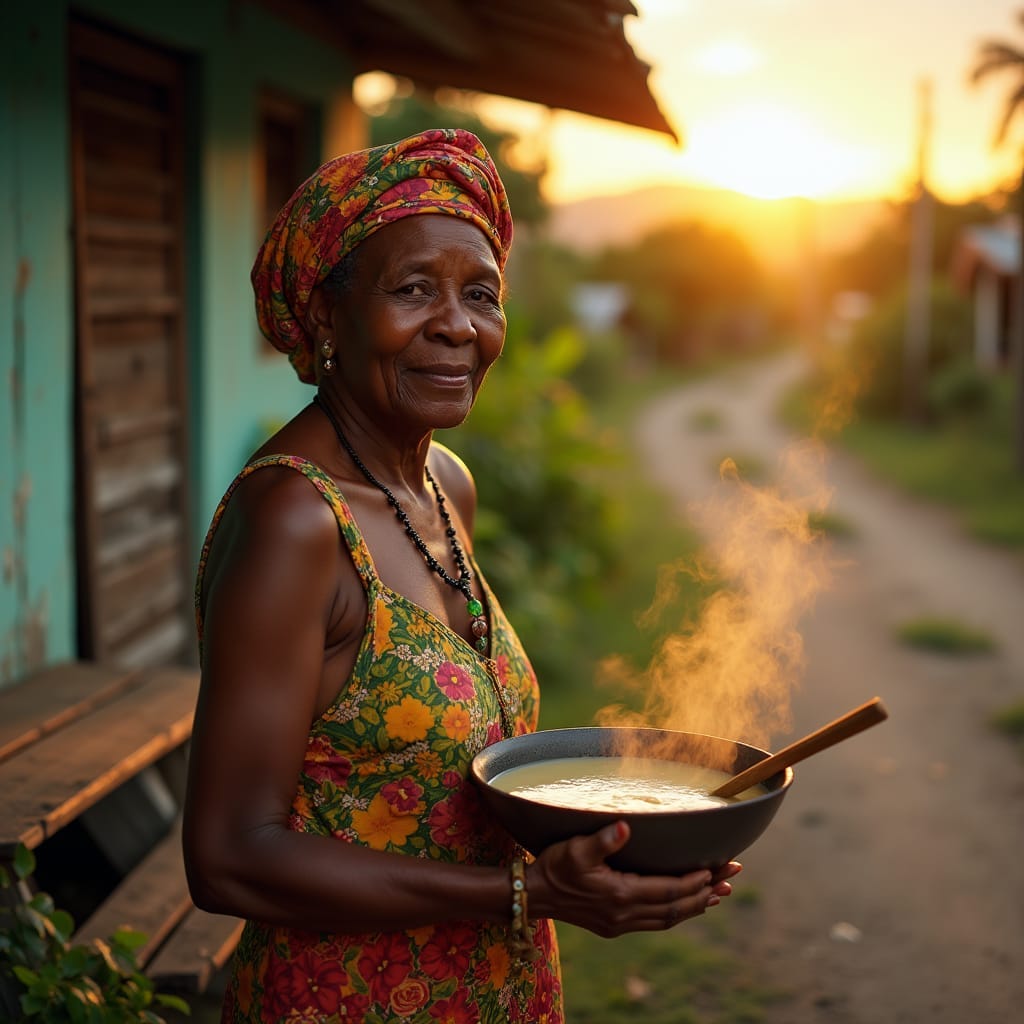
The cost of owning a home in Jamaica today is no small thing. Land in prime areas like Kingston, Montego Bay, and Ocho Rios is expensive. Construction costs are high, and mortgage rates aren’t always kind to first-time buyers or low-to-middle income earners.
That’s why more families are turning back to the wisdom of our ancestors. Multi-generational living — once seen as old-fashioned — is now the smart move. According to the National Association of Realtors (NAR), 17% of homebuyers in 2024 are purchasing with the intention of living with extended family, and 36% are doing so for cost savings — more than double the number in 2015.
Here in Jamaica, multi-generational living isn’t some abstract lifestyle trend — it’s the real real. It means making smart moves rooted in family, foresight, and financial sense. Picture this:
Building or extending on family land — because Granny didn’t leave that piece of bush in St. Mary for it to become goat pasture. That’s equity, not emptiness.
Pooling resources for a joint mortgage — because two salaries can talk sweeter to the bank than one can whisper. And let’s be honest, the only thing worse than getting rejected by a bank is doing it alone.
Designing homes with separate living quarters — so everybody have dem own space, bathroom, and sanity. Uncle Trevor can play dominoes all night, and your teenager can sulk in peace.
Sharing expenses like JPS, NWC, internet, and even grocery bills — because if yuh see di light bill alone, you know it tek a whole community just to keep the fridge humming and the Wi-Fi running.
In other words, it’s not just togetherness — it’s strategic togetherness. A merging of lives and light bills, hearts and hardware stores. It’s the Jamaican way — updated, upgraded, and still grounded in good sense.
“We are adapting the culture, not abandoning it. Modern multi-generational homes in Jamaica are just yesterday’s yards, redesigned with today’s possibilities.”
— Dean Jones, Realtor Associate at Coldwell Banker Jamaica Realty
The New Multi-Generational Jamaican Home

Today’s multi-generational homes are more than just survival plans — they’re blueprints for thriving. Developers are catching on, offering home designs with:
Dual entrances for privacy
Separate kitchenettes for independence
Self-contained apartments for income or in-laws
Open shared spaces for Sunday dinner and family gatherings
It’s the perfect mix of tradition and innovation — keeping families close, while respecting boundaries and independence. We’re not just cohabiting; we’re co-investing in futures.
Families now see real estate not just as a place to live, but as a family business. A home can house:
A home office
A beauty salon in the back room
A rental flat for short-term guests
Or a room for a university-bound niece from St. Mary
And by pooling incomes, more families can qualify for mortgages that they could never attain on their own.
Financial Power in Family Unity
Let’s be honest: it’s harder to own a home alone today. But together? Together, it becomes not only possible — it becomes sustainable.
Pooling incomes with family can help:
Meet bank deposit requirements
Reduce monthly mortgage burdens
Afford higher-quality properties in safer areas
Maintain property value and upkeep without strain
Instead of three siblings renting separately in town, why not purchase a home together in Spanish Town or May Pen, with space for each household and equity for all?
“Together, we don’t just buy homes — we build futures. One foundation, many branches.”
— Dean Jones, Founder of Jamaica Homes
Challenges — and How to Overcome Them
Of course, multi-generational living isn’t all sunshine and sorrel. There are challenges, especially when it comes to shared decision-making, personalities, and privacy. But with clear communication and planning, families can enjoy the benefits while minimizing the stress.
Tips for successful multi-generational living:
Set expectations early — Who contributes what?
Create legal agreements — Who owns what share of the home?
Respect boundaries — Even in shared spaces, everyone needs privacy.
Use design wisely — Separate entrances and divided layouts can go a long way.
A good real estate agent can guide your family through these conversations and help you structure the right purchase for your needs.
Not Just a Home — A Legacy
For generations, Jamaicans have understood that land is more than dirt. It is inheritance. It is belonging. It is legacy. Owning a piece of Jamaica is one of the most powerful ways a family can secure long-term wealth and stability.
When we build together, we create homes that outlast us. We pass on not just walls and windows, but opportunity, security, and pride.
And in this modern moment, where property ownership feels increasingly difficult, multi-generational living may be the key that opens doors we thought were shut.
One Yard, One Love
So, as we build new homes, let’s remember the old ones. Let’s blend concrete with culture, mortgages with memories, and property lines with purpose.
We are not simply buying real estate — we are reclaiming our story, honouring our roots, and preparing the next generation to rise.
“In Jamaica, family land is sacred. Not because of the value, but because of the values buried in it — sacrifice, unity, legacy.”
— Dean Jones, Realtor Associate at Coldwell Banker Jamaica Realty
Would you consider buying a home with your family or building together on family land? What would that look like for your future?
Disclaimer:
The information shared in this post is intended for general awareness and cultural insight only. While traditional remedies, housing practices, and anecdotes reflect real Jamaican experiences, they should not be taken as legal, medical, or financial advice. Always consult a qualified professional—such as a doctor, lawyer, or licensed real estate agent—before making any decisions related to health, property, or shared ownership. Every family situation is unique, and what works for one household may not work for another.