


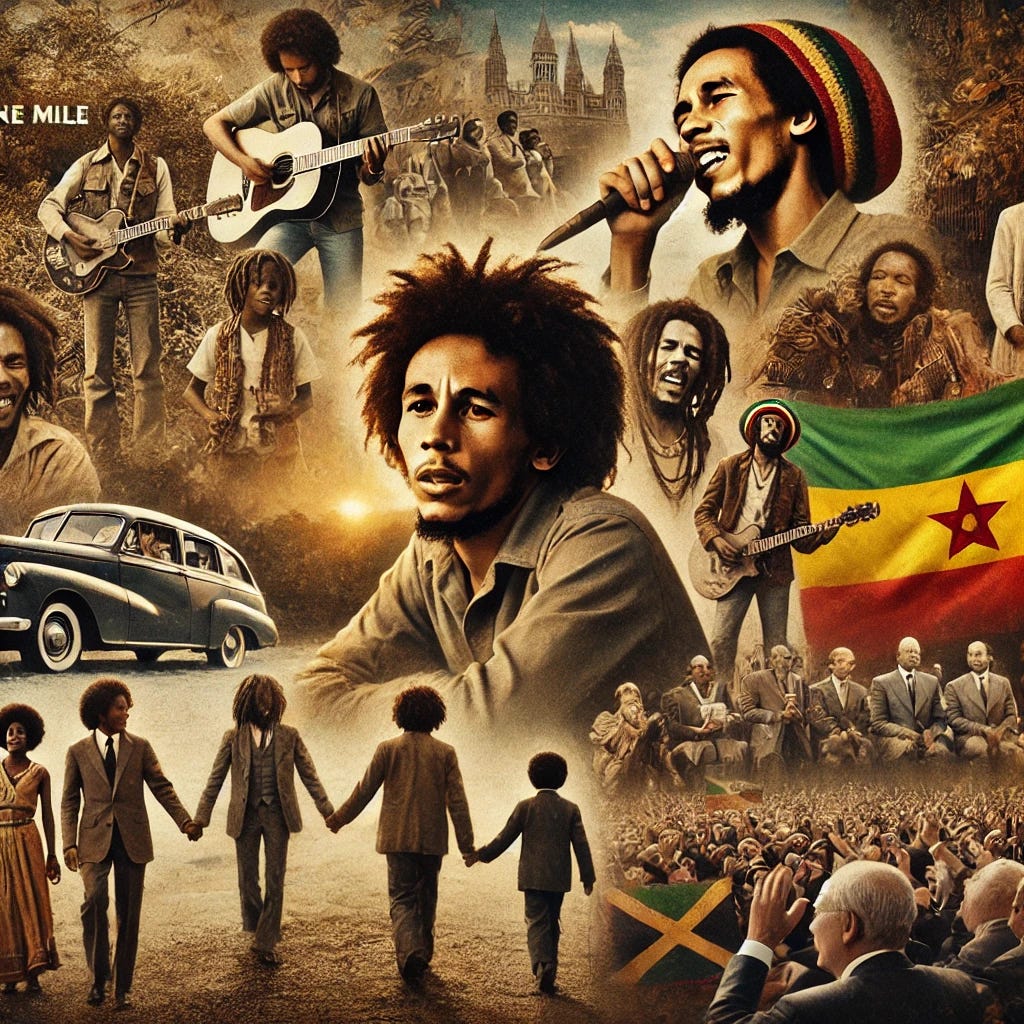
Bob Marley’s legacy has profoundly impacted Jamaican culture, extending to the real estate market as well. His music and message have enhanced Jamaica’s global appeal, making the island a sought-after destination for tourism, investment, and property ownership. Locations tied to Marley, such as the Bob Marley Museum in Kingston and his birthplace in Nine Mile, attract thousands of visitors yearly, increasing demand for properties near these cultural landmarks.
His philosophy of peace, love, and natural living has fueled interest in luxury beachfront villas, eco-friendly retreats, and Rastafarian-inspired developments. Many investors and expatriates seek properties that reflect this laid-back, conscious lifestyle. Additionally, his influence on Jamaica’s creative industry has driven demand for recording studios, performance venues, and boutique hotels catering to musicians and artists, further shaping the real estate landscape.
Marley’s vision also inspires sustainable and community-driven real estate projects. Developers incorporate his principles into eco-conscious housing, wellness retreats, and socially responsible investments. Iconic locations such as Kingston, St. Ann, and Negril have seen increased property demand due to their connection to his legacy. As a result, Bob Marley’s influence continues to enhance Jamaica’s desirability for investors, homebuyers, and tourists alike.
Below is a timeline of key moments in Bob Marley’s life and career.
Bob Marley’s Life Timeline
1945
February 6: Bob Marley is born in Nine Mile, St. Ann Parish, Jamaica.
During this era, land in rural Jamaica is primarily owned by large estate holders. Many small farmers struggle for land ownership, a theme reflected later in Marley’s music about social justice and economic hardship.
1950s
Marley moves to Kingston with his mother, experiencing the realities of urban life.
The migration from rural to urban areas fuels the demand for housing in Kingston, leading to informal settlements as working-class Jamaicans seek affordable housing.
1960s
1962: Marley records his first song, “Judge Not.”
1963: The Wailers form, shaping Jamaica’s emerging reggae sound.
1964: The Wailers sign with Studio One, solidifying their place in the music industry.
1966: Marley marries Rita Anderson and starts a family.
1969: The Wailers sign with Lee “Scratch” Perry, developing their signature reggae sound.
This decade sees increased real estate development in Kingston as foreign investment begins to shape the city. The rise of middle-class neighborhoods like Havendale and Meadowbrook contrasts with the continued expansion of informal settlements.
1970s
1972: The Wailers release “Catch a Fire,” breaking into international markets.
1976: Marley survives an assassination attempt amid Jamaica’s political unrest.
1977: Marley is diagnosed with melanoma but continues touring.
This period marks significant developments in Jamaica’s real estate sector. High-end communities such as Norbrook and Cherry Gardens grow, reflecting the increasing divide between the wealthy elite and lower-income communities.
The violence of the late 1970s leads to migration among Jamaica’s wealthy, increasing foreign investment in local real estate.
1980s
1980: Bob Marley & The Wailers release “Survival.”
1981: Bob Marley dies in Miami at age 36.
Following Marley’s death, Jamaica continues to attract international attention, leading to increased tourism and real estate development, particularly in Montego Bay and Ocho Rios.
The government focuses on housing projects to address urban overcrowding, but informal settlements remain prevalent.
1990s
1984: The album “Legend” is released, further elevating Marley’s legacy.
1990: Real estate prices in Kingston surge as more Jamaicans abroad invest in property.
Tourism-related developments in Negril and the North Coast gain momentum, supported by increased foreign direct investment.
2000s
2001: The Bob Marley Museum opens in Kingston, becoming a major tourist attraction and increasing real estate demand in surrounding areas.
2005: Luxury developments rise in Montego Bay and the South Coast as high-end tourism expands.
The government encourages foreign buyers, leading to gated communities and resort-style living gaining popularity.
2010s
2012: The album “Rebel Music: The Bob Marley Tribute” is released.
2013: The documentary “Marley” gains critical acclaim.
2014: The Marley family launches a lifestyle brand, further solidifying Bob Marley’s global influence.
Real estate development accelerates, with increased interest in eco-friendly and sustainable housing. Gated communities like Richmond Estate in St. Ann cater to returning residents and foreign investors.
2020s
2020: The “Marley” documentary series is launched.
2021: “Legend” becomes the longest-charting album on the Billboard 200 chart.
2022: A statue of Bob Marley is unveiled in Kingston, attracting more tourism to the city.
2023: The Bob Marley Foundation collaborates with global charities to promote social justice.
The Jamaican real estate market sees record demand, especially for vacation homes and investment properties, fueled by increased diaspora investment and tourism-driven development.
Infrastructure improvements, such as the expansion of Ian Fleming International Airport, further boost interest in properties along the North Coast.
Bob Marley Quotes & Real Estate Reflection
“Emancipate yourself from mental slavery, none but ourselves can free our minds.”
This mirrors the empowerment of Jamaicans seeking land ownership despite historical struggles.
“One good thing about music, when it hits you, you feel no pain.”
Much like music, a home provides comfort and sanctuary amidst life’s struggles.
“When one door is closed, another is open.”
Reflects the resilience of the Jamaican real estate market, evolving despite economic and social challenges.
Bob Marley’s life and Jamaica’s real estate market are intertwined, reflecting the nation’s cultural, economic, and social evolution. His legacy continues to shape the global perception of Jamaica, attracting investors, tourists, and expatriates seeking to own a piece of the island’s vibrant heritage.
Disclaimer: The information provided in this guide is for general informational purposes only and does not constitute legal, financial, or real estate advice. While we strive to ensure accuracy, property prices, regulations, and costs may change over time. Readers are encouraged to conduct their own research, consult with licensed professionals, and verify all relevant details before making any financial or relocation decisions. We assume no responsibility for any actions taken based on the information in this article.