

What are the primary reasons behind the high number of homes abandoned mid-construction in Jamaica?

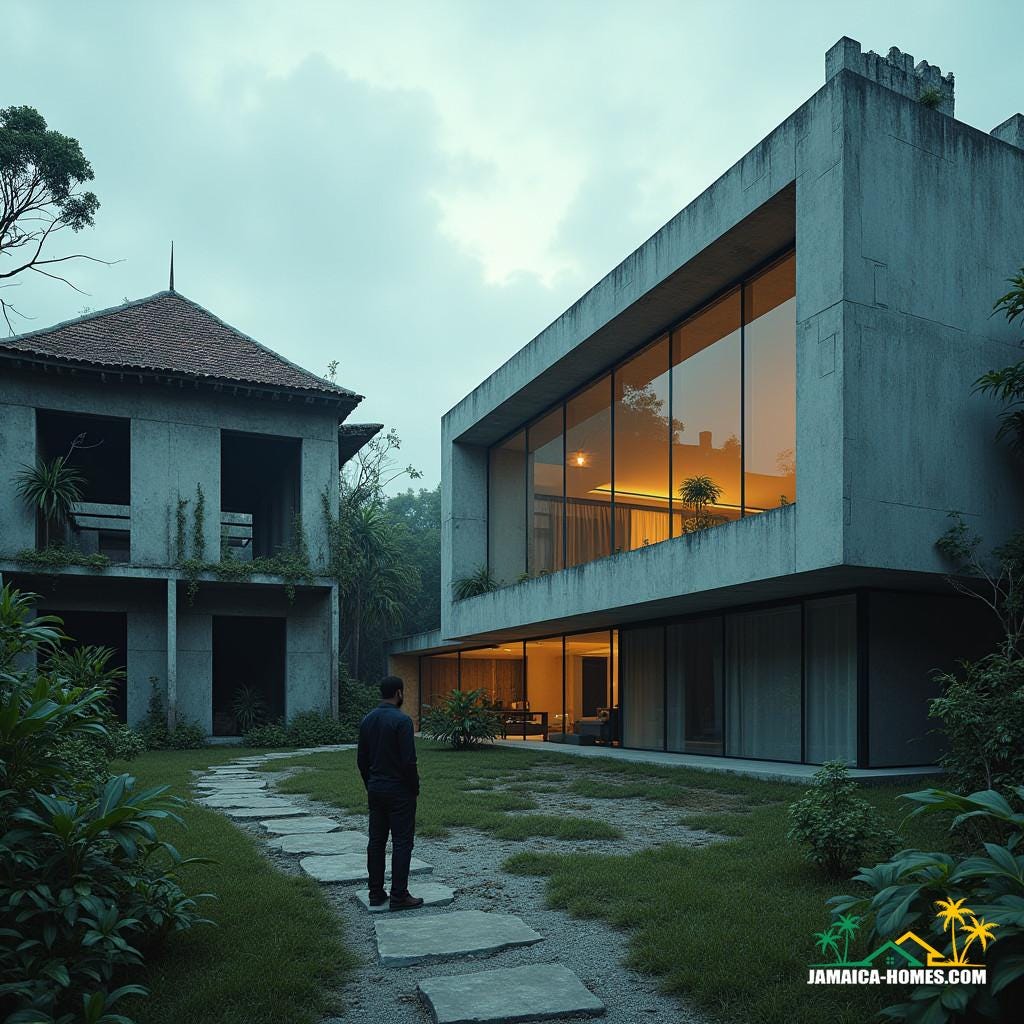
In Jamaica, it’s common to see half-built homes with unfinished walls and exposed rebar, especially in rural areas. These incomplete houses often leave people wondering: why are they abandoned mid-construction? What causes this? And how does it connect to Jamaican society and economy? In this guide, we look at the reasons behind these unfinished homes and how to avoid them.
The Financial Strain: Why Do Homes Stall Mid-Build?
One of the main reasons for abandoned homes is the cost of building. Many Jamaicans dream of owning a home, but the price of building one is high. Mortgages are expensive, and loans come with high-interest rates, making it hard for people to afford them. As a result, many homeowners rely on savings, help from family, or income from jobs in tourism to fund their home building.
But because money often comes in small amounts, building a house becomes a slow process. Homeowners add one part at a time—like starting with just the foundation and then adding rooms as they can afford it. This can take years, especially for people with low income.
Informal Construction: Why Do Homes Stay Incomplete?
Many Jamaicans build homes without architects or engineers. Instead, they use local builders and informal labor, which can lead to homes that aren’t well-planned. People sometimes start big projects without enough money to finish them. This results in half-built houses with exposed rebar and unfinished walls. These informal methods often lead to homes that aren’t planned for resale or long-term living.
The Role of External Support
Some families get help from relatives abroad, who send money to help start the project. But if the support stops, construction can stall. Without continued funds, families often can’t finish their homes.
Seasonal Jobs and Gaps in Employment
In Jamaica, many people rely on jobs in tourism or agriculture, which change throughout the year. Sometimes, during the off-season, there’s not enough money to continue building. This means the project can stop until there’s more money available, which can delay the home’s completion for years.
Cultural Factors: Why Do People Build Large Homes They Can’t Afford?
In Jamaican culture, building a home is often seen as a sign of success. Many people start big projects to show off, but these homes are often too expensive for their budget. This desire to impress can cause them to overspend before they can finish the house, leaving it incomplete. Sometimes, the unfinished home is left to show others that big things are coming—”big tings a gwaan”—even though the home may not be completed for years.
Squatting: Are People Living in These Half-Built Homes?
In some cases, people move into incomplete homes because there aren’t enough affordable houses. These unfinished houses often lack plumbing, electricity, and other essentials, making them hard to live in long-term. But in some areas, squatters use these homes as temporary places to stay.
Tips for Managing Home Construction
Plan in Phases: Build your house in stages, starting with the most important parts, like the foundation and basic living spaces. Then, add luxury features later.
Use Formal Financing: Explore official loan or grant options to make sure you have enough money to keep building.
Get Professional Help: Hiring an architect or engineer can help you plan your home better and avoid costly mistakes.
Budget for the Long Term: Make sure your budget covers future phases and rising costs.
Think About Resale: Even if it’s your dream home, consider how easy it will be to sell in the future. Don’t build inefficient layouts that could hurt resale value.
Start Small: If building a large home seems out of reach, start with a smaller, affordable house and add more when you can afford it.
Stay Realistic: Building a home in Jamaica can be challenging. Set realistic goals to avoid ending up with an unfinished house.