


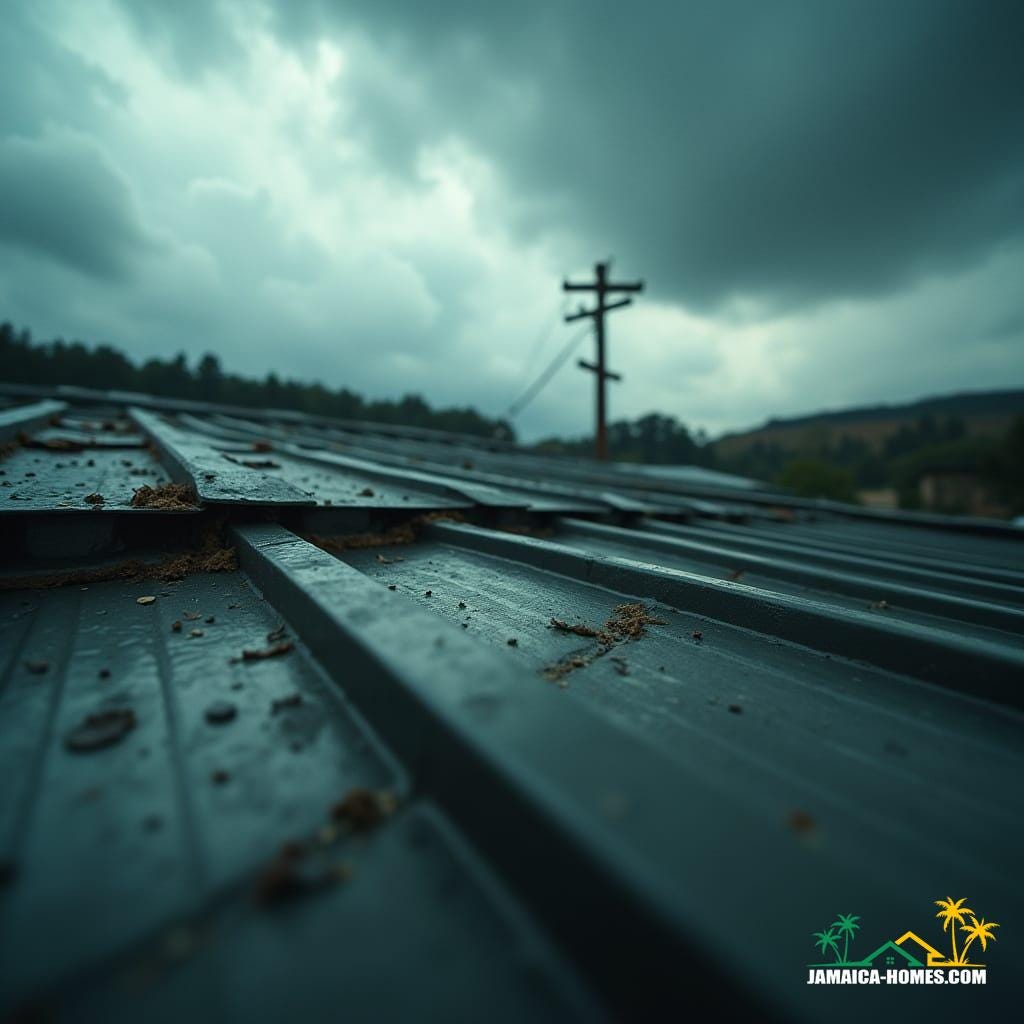
1. Darkness Falls
A storm passed, but the real tempest is the silence that follows. Jamaica’s power grid is still buckled; JPS flickers like a dying candle. Flow is down. Digicel, too. The hum of Wi-Fi routers is gone, replaced by the hiss of kerosene lamps and the rhythm of hand fans. The majority of the country has all but come to a standstill.
There’s no sugar-coating it — this is the blackout before the dawn, and it’s ugly. Towns that once glowed with neon and rum bars are now shadows of themselves. Cash machines blink lifeless. Two-hour queues form outside the few that work. You want cash? Better walk. But you’ll need money for the taxi. So you borrow. Or you beg. It’s survival, raw and simple.
2. The Silence Between Connections
When the lights go, so does the façade. The screen addiction breaks. Families talk again — sometimes awkwardly, sometimes beautifully. It’s what one might call accidental intimacy, born not of design but of failure. Candles cast longer shadows, and the sound of laughter replaces the ping of WhatsApp. But while it warms the soul, it freezes the economy.
Businesses bleed. Realtors can’t reach clients. Deals stall mid-sentence. “Send me the documents” now means nothing. The air smells of damp earth and smoke — part bonfire, part despair.
3. The Street Hustle
Every crisis births an economy. In the new Jamaica, entrepreneurs are charging two hundred dollars just to charge a phone. Cheap inverters and off-market generators flood the streets — no warranty, no mercy. The resourceful thrive; the desperate survive.
Meanwhile, looting creeps in at night, the by-product of chaos and hunger in the parish of St. Elizabeth Jamaica. This is what happens when systems fail: morality flickers like the lights themselves. And beneath it all lies Jamaica’s oldest diseases — corruption, inequality, crime — amplified by crisis.
4. The Human Cost
Thirty-two confirmed dead, but the real count is higher — it always is. Montego Bay, once Jamaica’s beating tourist heart, is offline. Black River’s streets look like an architectural sketch left in the rain — lines smudged, structure gone.
Neighbors are their own first responders. Men with machetes clear roads. Women cook for ten when there’s food for five. Children fetch water from broken pipes. They rebuild because they must, not because someone told them to.
5. Hurricane Melissa’s Shadow
Melissa did not just take roofs; she took lifes. Disaster planning looks good on paper, but paper burns easily. The catastrophe bond — that clever financial cushion meant to absorb the blow is good. But relief is slow, patchy, bureaucratic. Aid workers mean well but drive past villages still waiting for water.
The lesson? Jamaica cannot build resilience on imported models and borrowed promises.
6. The Mirage of Tourism
Tourism is our lifeline — or our leash. Officials say the island is “open for business,” and technically they’re right. The beaches in the east are fine. But the west, the soul of Jamaican hospitality, is bruised. Hotels run on fumes, quite literally. Generators hum like angry bees, burning diesel.
Tourists, stranded and frightened, discover a truth Jamaicans have long known: paradise has cracks. There’s no petrol, no flights, and pharmacies ration medication. Still, the brochures sell the dream.
7. The Hidden Inequality
If you have solar panels, a Starlink dish, and a rainwater tank, you’re coasting. If not, you’re on your knees. It’s a brutal line between those who can afford independence and those who can’t. In a sense, Hurricane Melissa wasn’t just a natural disaster — it was a national audit.
The storm exposed what the brochures hide: that Jamaica’s infrastructure is fragile, its systems overstretched, and its people far too reliant on grace and good weather.
8. Black River — The Blueprint of Hope
But out of the wreckage comes vision. Black River — once a forgotten parish town — now whispers of rebirth. In earlier months, it was dubbed Jamaica’s “rising third city.” Today, that ambition feels prophetic.
If Jamaica ever needed a blank canvas, this is it. Imagine rebuilding from the ground up: solar grids, smart drainage, modular housing, community-owned water systems. A city that breathes with its environment, not against it.
Some would stand on the edge of it all, squinting against the sun, and say, “This is where design meets destiny.”
9. A Nation on Borrowed Time
The banks are now urging digital cash-back options, their ATMs crippled by power loss. The JDF executes rescue missions alongside foreign teams, flying supplies to cut-off parishes. But beneath the official calm is a murmur of doubt — can Jamaica modernize before the next storm hits?
Climate change isn’t coming; it’s here. Each hurricane is stronger, wetter, angrier. The question is whether we’ll keep patching roofs or finally start building differently.
10. The Fragile Middle Class
For those dreaming of retiring in Jamaica, reality bites. Private medical insurance for a family of four can cost over US $10,000 a year. Home insurance can add another $1,500, if you can even get coverage now. Cars, expensive. Food, rising.
If you’re young and building a life here, the calculus is even tougher. You need redundancy — solar, backup water, independent internet — not as luxuries but as survival tools. Jamaica’s future belongs to those who can adapt, not those who can afford.
11. The Rebuild
It’s easy to despair, but this is also a rare moment — a tabula rasa. The old Jamaica, built on patchwork infrastructure and borrowed time, has been stripped bare. What comes next could be extraordinary if we choose it to be.
We could design resilient homes that harvest rainwater, run on solar, and cool themselves naturally. We could decentralize power grids, digitize government systems, and build redundancy into every sector. We could, if we wanted, turn this catastrophe into a renaissance.
12. Community: The Real Power Grid
Electricity might be gone, but energy remains — human energy. The heartbeat of Jamaica is not in Kingston’s data centres or Montego Bay’s hotels; it’s in the people who still show up. The ones sharing rice and sardines with neighbors. The carpenter who fixes a stranger’s roof for free. The youth who turns a candlelit evening into a street concert.
That’s Jamaica’s true renewable resource — resilience.
13. Designing the Future
Architecture is about the relationship between people and place. Jamaica’s rebuild must embrace that truth. This is not just about blocks and budgets; it’s about belonging.
The next generation of housing can’t just be hurricane-proof; it must be community-proof — homes that foster connection, safety, and pride. Roads must be more than asphalt; they must be arteries that connect opportunity.
14. The Reckoning
When the lights return, we’ll face uncomfortable truths. Why are the same communities always hit hardest? Why do so many live uninsured, unbanked, unprotected? Why is resilience a privilege, not a right?
If this moment passes without deep reform, then the next storm will simply finish what this one started.
15. The Light Ahead
In the fading glow of a candle, a mother hums to her child. Outside, the air smells of wet earth and hope. Across the island, Jamaicans are already rebuilding — not because they are told to, but because that’s what they do.
The winds are gone. The water has receded. The scars remain, but so does the spirit. Jamaica has a chance now — not just to rebuild, but to reimagine.
Let the next Jamaica be one powered not by borrowed grids and fragile promises, but by the ingenuity, courage, and stubborn optimism of its people.
Disclaimer
This article is an independent editorial reflection written for public awareness and discussion. It draws on real events following Hurricane Melissa, combined with analysis, lived experiences, and publicly available information at the time of writing. While every effort has been made to ensure accuracy, some descriptions are interpretive, narrative, or symbolic to illustrate the social and economic realities facing Jamaica. The views expressed are those of the guess author and do not necessarily represent the official position of Jamaica Homes, any government agency, or private entity mentioned. Readers are encouraged to verify details through official updates and exercise their own judgment in interpreting the information.