



Owning land in Jamaica offers exciting possibilities, whether on the north coast, west coast, east coast, south coast, or even in Kingston. If you have 4 acres of land, you can consider various paths—selling, developing, or starting a small business. This guide outlines some top options for making the most of your land, no matter the region.
1. Sell the Land

If you’re looking for an immediate return, selling the land is a viable option. However, selling land in Jamaica can be complex, especially if you’re not living on the island. The real estate market can vary depending on the location, with tourist-heavy regions (north and west coasts) often seeing higher demand. Properties near tourist areas or major hubs like Kingston or Montego Bay tend to attract more interest.
Before selling, it’s important to:
Research the local market and zoning laws.
Consider the proximity of your land to amenities, beaches, or business developments, which can increase its value.
Work with a local real estate agent to navigate the process and ensure you get the best price.
2. Agriculture: A Gateway to Sustainable Income
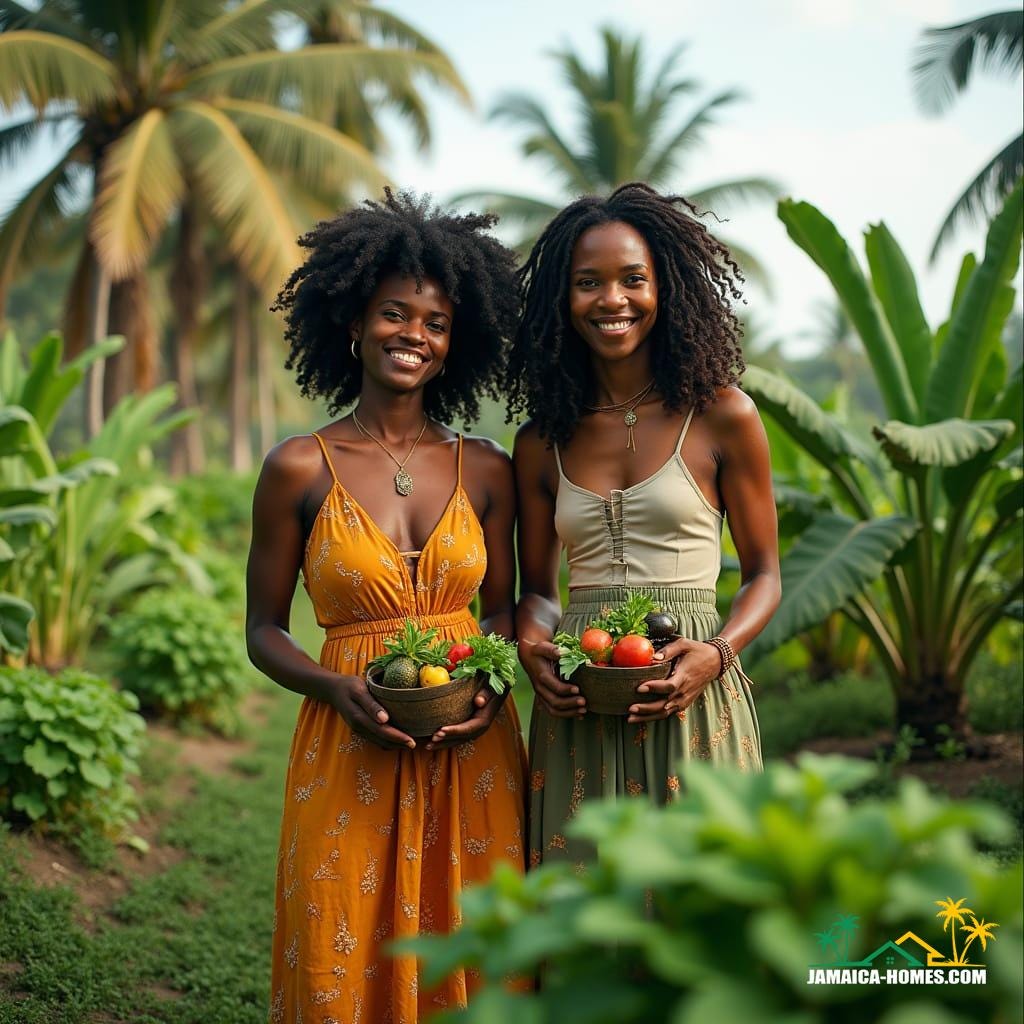
Agriculture is one of the most common ways to use land in Jamaica. With 4 acres, you have plenty of space to grow crops or raise livestock. Some options include:
Tropical Fruits and Vegetables: Crops like mango, papaya, and guava can be grown for local markets or exported. Vegetables such as callaloo, lettuce, and carrots are also in demand and can be sold to hotels, restaurants, or farmers’ markets.
Herbs and Medicinal Plants: Jamaica has a growing market for herbs like moringa, turmeric, and aloe vera. These crops can thrive in various regions and are easy to harvest year-round.
Castor Oil: Jamaican Black Castor Oil is a high-demand product in local and international markets. Growing castor beans and processing them into oil could lead to a profitable business, especially with support from the Jamaican government and agencies like JAMPRO.
Livestock: Small-scale poultry, goat, or cattle farming is an option if you’re interested in animal husbandry. While it requires more investment in infrastructure, livestock farming can provide steady income once established.
Considerations for Farming:
Initial Investment: Factor in the cost of tools, seeds, irrigation systems, and fencing.
Climate and Soil: Ensure the land is fertile and suitable for the crops or livestock you intend to raise.
Labor: Will you be managing the farm yourself, or will you need to hire workers?
While farming requires time to establish, it can provide long-term benefits and contribute to Jamaica’s agricultural industry.
3. Housing Development: Building Homes for Profit

Given the increasing demand for housing across Jamaica, developing your land into residential properties is another viable option. You can either build single-family homes, small complexes, or larger projects, depending on the area’s needs and zoning regulations. Consider these possibilities:
Single-Family Homes: If your land is near popular areas such as Kingston, Montego Bay, or the north coast, you could develop a couple of homes for sale or rent. These could appeal to locals, retirees, or expatriates.
Townhouses or Gated Communities: If the demand is strong, you might build a townhouse complex or gated community. This option would make better use of the land and generate steady rental income. However, larger developments require more capital and adherence to local regulations, including building permits and developer registration.
Vacation Homes or Eco-Lodges: If your land is in a scenic area, you could create vacation homes or eco-lodges for tourists. Ecotourism is growing in popularity, and this type of development appeals to visitors looking for a sustainable, nature-based getaway.
4. Ecotourism: Capitalizing on Natural Beauty

Jamaica’s diverse landscapes—from beaches to mountains—make it a prime destination for ecotourism. If your land is located near nature reserves or tourist hotspots, you could develop an ecotourism business. Options include:
Botanical Gardens: Creating a botanical garden that showcases local plants, tropical flowers, or fruit trees could attract eco-tourists and school groups. The beauty of Jamaica’s natural flora and fauna can be highlighted in a peaceful and educational environment.
Wildlife Sanctuaries or Natural Ponds: If your land has natural water sources or can be transformed into a pond or wetland area, you could establish a sanctuary for local wildlife. This could serve as a unique attraction for tourists interested in nature conservation.
Adventure Tourism: For land with hills, forests, or rivers, adventure tourism such as zip-lining, hiking, or bird-watching tours can be an exciting business. Visitors enjoy outdoor activities that immerse them in Jamaica’s rich natural heritage.
5. Additional Considerations:
Security and Fencing: Regardless of what you decide to do with your land, ensure that it’s well-secured, especially if you’re leasing it or using it for farming. A sturdy fence can protect crops, livestock, or property, and ensure it remains safe from trespassing.
Zoning and Regulations: Always verify zoning laws and development restrictions with the local parish council or planning authorities. These regulations affect how you can use the land—whether for farming, building, or tourism.
Market Research: Whether you’re considering a farming venture, housing development, or tourism project, market research is essential. Identify what’s in demand locally. Are there other farms growing the same crops? Is there a need for housing in the area? Is ecotourism something tourists are looking for?
Conclusion
Owning 4 acres of land in Jamaica offers tremendous potential. Whether you choose to sell, develop it for agriculture, build homes, or capitalize on Jamaica’s growing tourism sector, there are multiple ways to turn your property into a successful venture.
Consider your long-term goals, available resources, and the level of involvement you want to have in managing the land. If you’re looking for a passive investment, selling might be the right choice. If you’re ready to take on an active role, agriculture or housing development could provide sustainable returns. Ecotourism offers an exciting opportunity to combine nature with business in one of the Caribbean’s most beautiful locations.
Whatever path you choose, be sure to conduct thorough research, seek expert advice, and plan for the future to ensure your land reaches its full potential.