The Pinnacle
Where Jamaica’s architecture rises through history, culture, and ambition to define its highest expression

There is a moment, in every landscape, where ambition meets gravity. Where the human instinct to build presses upward against history, climate, memory. In Jamaica, that moment has never been still. It has shifted across centuries, across materials, across belief systems. And if one were to search for its highest expression, not simply in height but in meaning, one might call it the pinnacle.
The word itself suggests a summit, a final point, something achieved after a long ascent. But architecture in Jamaica has never been a straight climb. It is layered, interrupted, sometimes broken, then rebuilt with a quiet determination that feels almost geological. The island’s buildings do not just rise. They remember.
To understand the pinnacle in Jamaica, you have to begin long before glass towers and polished facades. You begin in the nineteenth century, where architecture was shaped not by aspiration alone, but by necessity and control. The great houses that still stand, or linger in fragments across parishes like St. Ann and St. Elizabeth, were not designed to impress in the way modern luxury seeks attention. They were designed to endure. Thick stone walls. Wide verandas. Elevated foundations to catch the breeze and escape the damp heat. Georgian symmetry softened by Caribbean adaptation. These were buildings that understood their environment, even if the society that built them was deeply divided.
There is a stillness to those houses today. A sense that they have outlived the certainty of their own purpose. Yet they form the first layer of Jamaica’s architectural identity. They established a language of climate response, of shade and airflow, of living with the land rather than against it. That language would persist, even as everything else changed.
The twentieth century did not arrive gently. In Kingston, the earthquake of 1907 redrew the city in a single, violent gesture. Buildings collapsed. Streets shifted. And in the aftermath, architecture became an act of resilience. Timber replaced stone in many cases, not as a compromise but as a strategy. Flexibility became a virtue. Structures that could bend rather than break. It was a quiet revolution, less visible than a skyline, but deeply influential.
By mid century, another kind of construction was taking place, one that had little to do with engineering and everything to do with belief. In the hills of St. Catherine, a community emerged under the guidance of Leonard Howell. It was called Pinnacle.
This was not architecture in the conventional sense. There were no grand facades or formal plans. But it was, in many ways, one of the most profound spatial experiments in Jamaica’s history. A settlement shaped by ideology rather than commerce. Self sufficient. Agricultural. Rooted in a philosophy that rejected colonial structures and sought something entirely different. Around 4,500 people lived there at its height, building homes, cultivating land, forming a community that was both physical and spiritual.
It is easy to overlook Pinnacle when discussing architecture, because it does not fit neatly into the categories of style or design. But that would be a mistake. Because architecture is not just about buildings. It is about how people choose to live together, how they define space, how they express identity. Pinnacle did all of this, quietly, persistently, until it was dismantled in 1954. And yet its influence did not disappear. It spread, carried in culture, in music, in the global recognition of Rastafarian thought.
If the nineteenth century gave Jamaica its structural language, and the mid twentieth century revealed its cultural defiance, the late twentieth and early twenty first centuries introduced a new force entirely. Capital.
Tourism reshaped the coastline. Montego Bay, Ocho Rios, Negril. Resorts began to define the visual identity of the island to the outside world. Architecture became a form of storytelling, curated for visitors. Open lobbies framing the sea. Infinity pools dissolving into the horizon. Materials chosen not just for durability, but for their ability to evoke a sense of escape.
And yet, even here, the old language persisted. Shade. Breeze. Orientation. The best of these developments understood that Jamaica could not simply import a global aesthetic. It had to translate it.
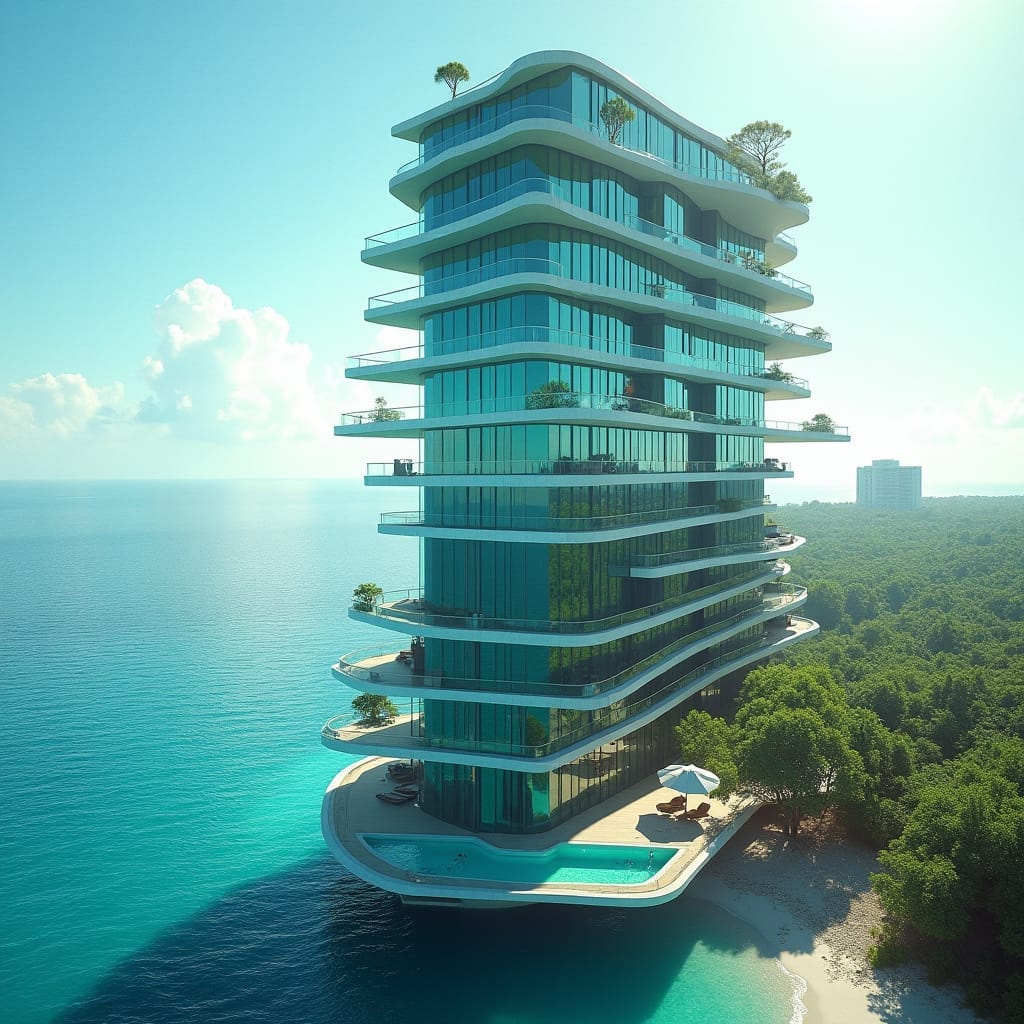
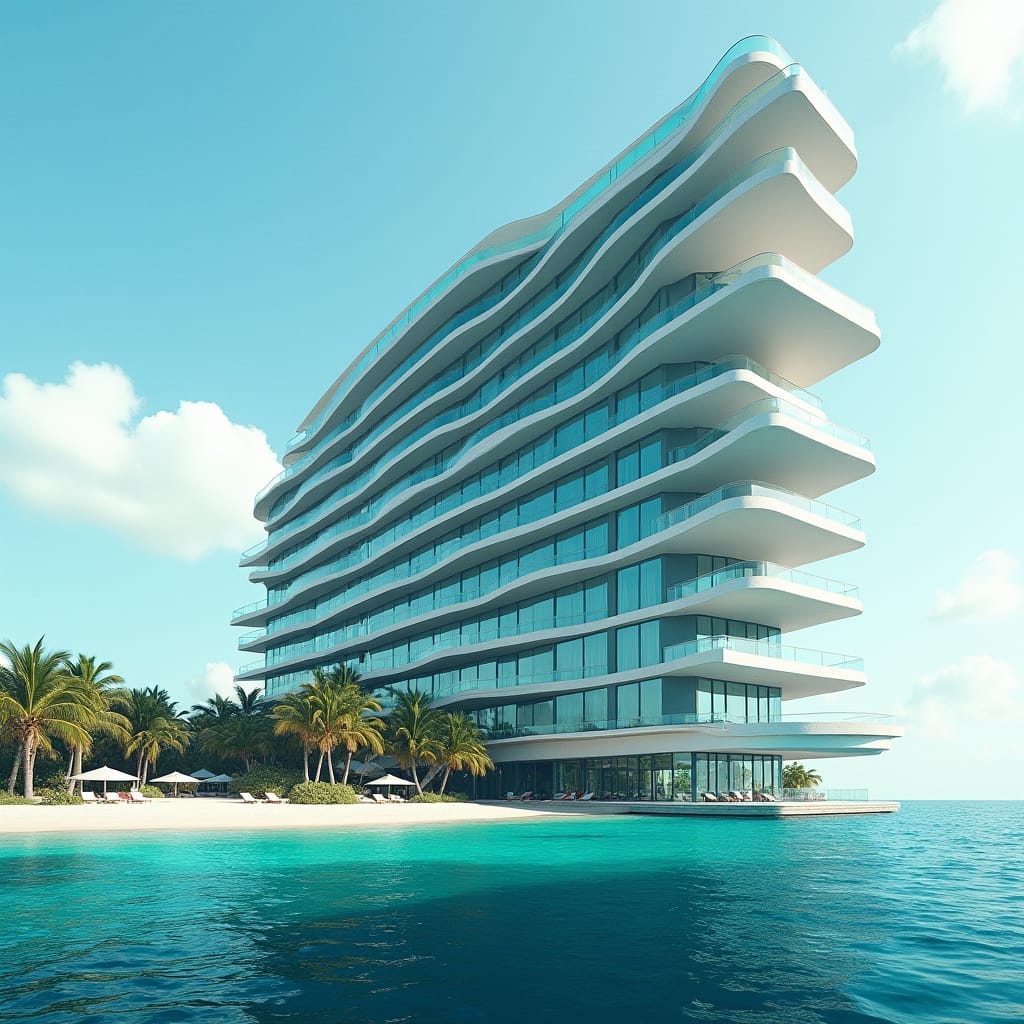
Now, in the present moment, the idea of the pinnacle returns in a more literal form. A proposed US 350 million development in Montego Bay, known as The Pinnacle, aims to reach higher than anything the Caribbean has seen before. A vertical statement in a landscape that has traditionally stretched outward rather than upward. It promises luxury, scale, visibility. It positions Jamaica not just as a destination, but as a contender in a global architectural conversation that often overlooks small island states.
There is something both exhilarating and uneasy about this shift. Height, in architecture, is never just about engineering. It is about intent. What does it mean for Jamaica to build its tallest structure now. What does it say about confidence, about economy, about identity.
Because the risk, always, is that height becomes a substitute for depth. That the pursuit of the pinnacle forgets the ground it rises from.
And yet, there is also possibility here. The chance to redefine what Caribbean architecture can be. Not a repetition of imported glass towers, but something more thoughtful. Something that understands light, heat, wind. Something that acknowledges the past without being constrained by it.
The pinnacle, then, is not a single building. It is not even a single moment. It is a conversation across time. Between the great houses that mastered climate before technology could. Between the fragile resilience of post earthquake Kingston. Between the spiritual architecture of Pinnacle in St. Catherine and the global ambitions of Montego Bay’s skyline.
It is the point where all of these threads meet.
And perhaps that is the real story. That Jamaica’s architecture has never been about reaching the top in the conventional sense. It has been about negotiating its position. Between land and sea. Between history and future. Between what is inherited and what is imagined.
To stand at the pinnacle, in Jamaica, is not simply to be above everything else.
It is to carry everything that came before.
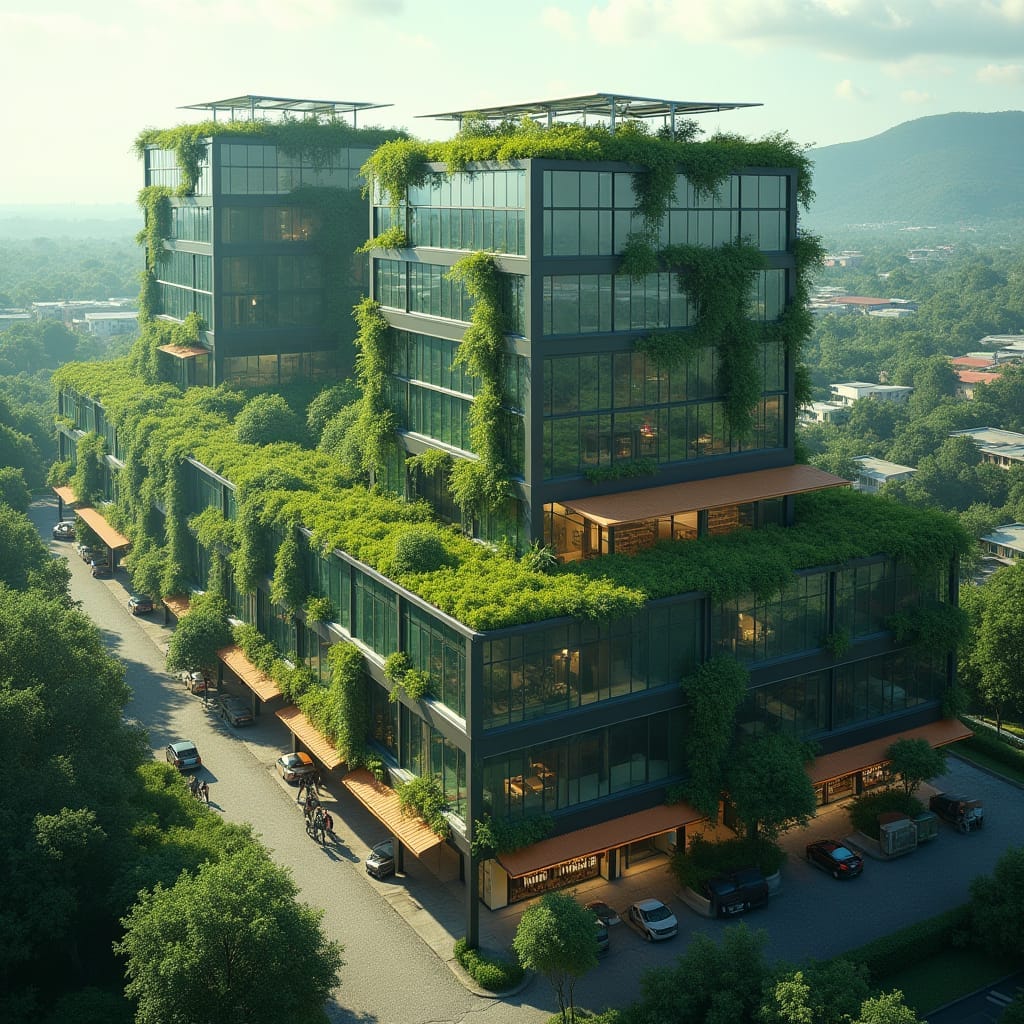
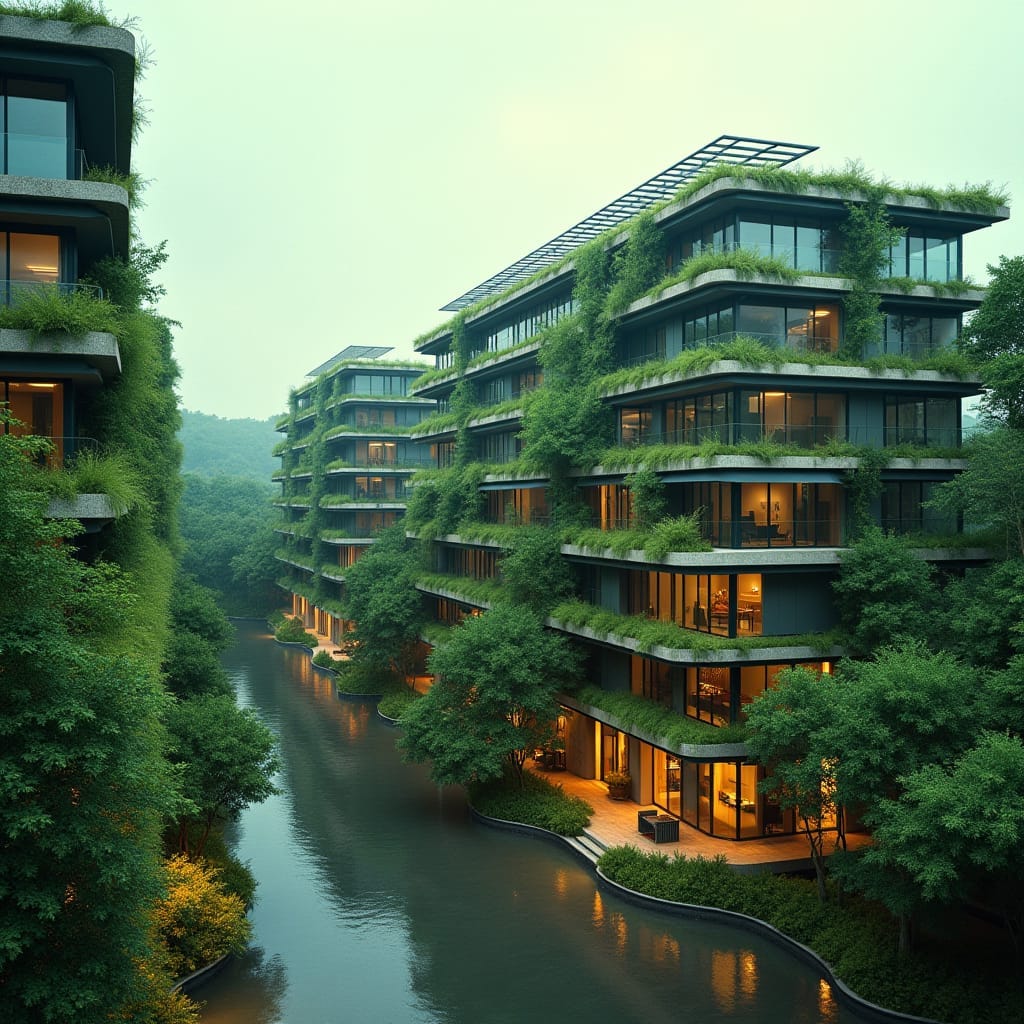
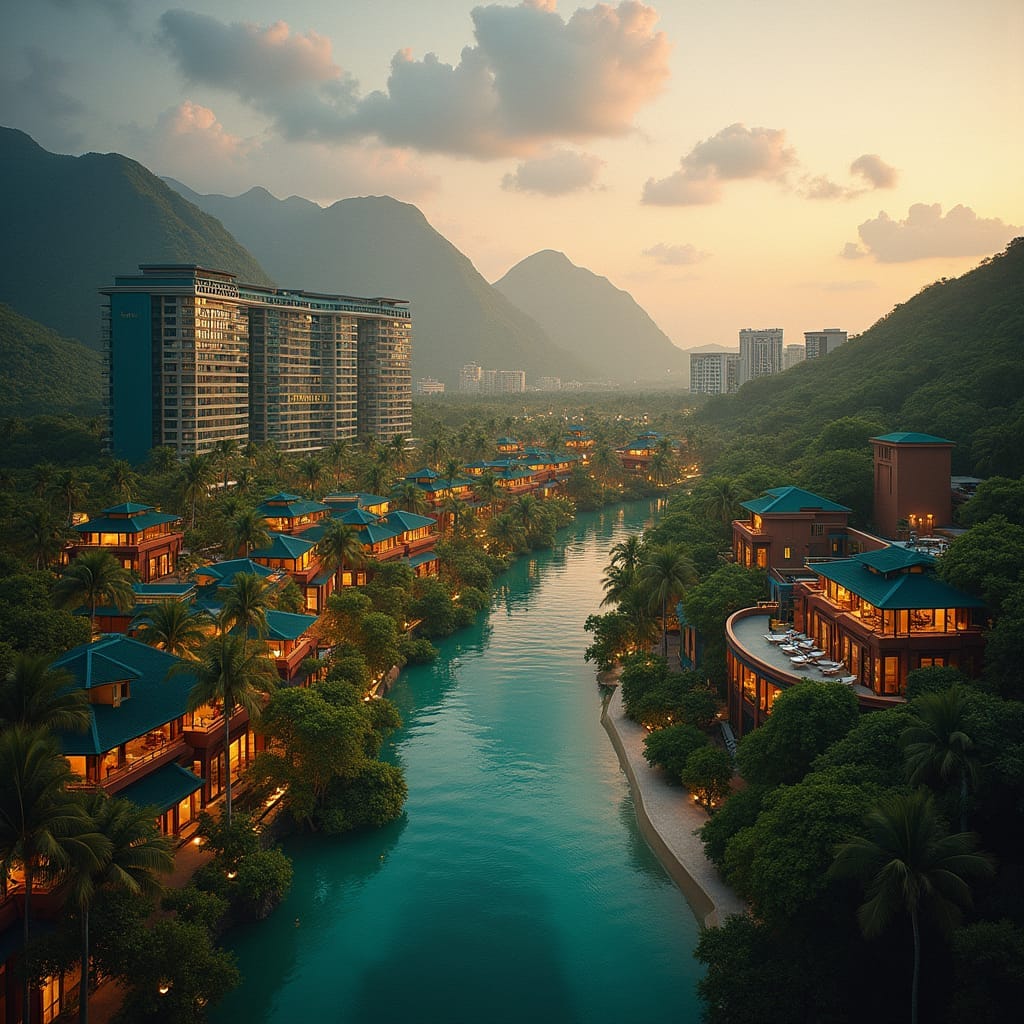
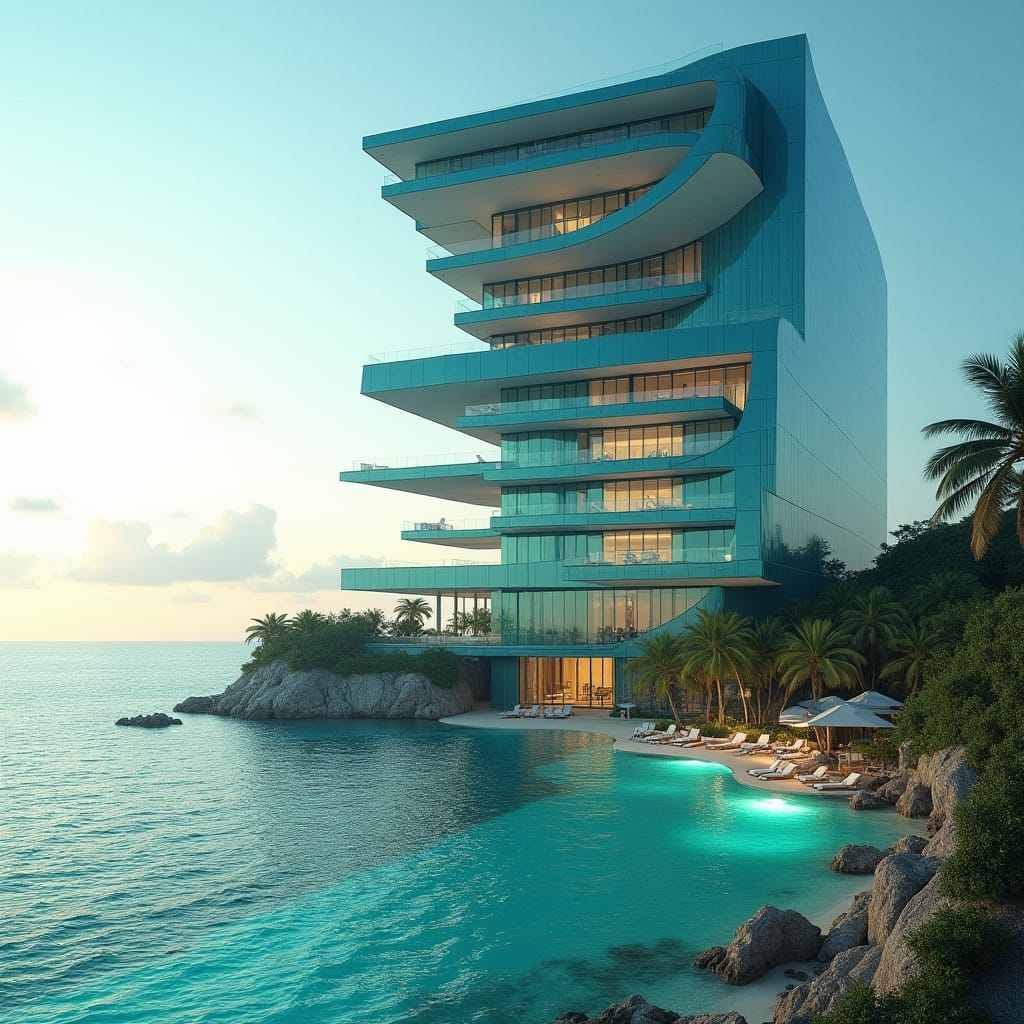
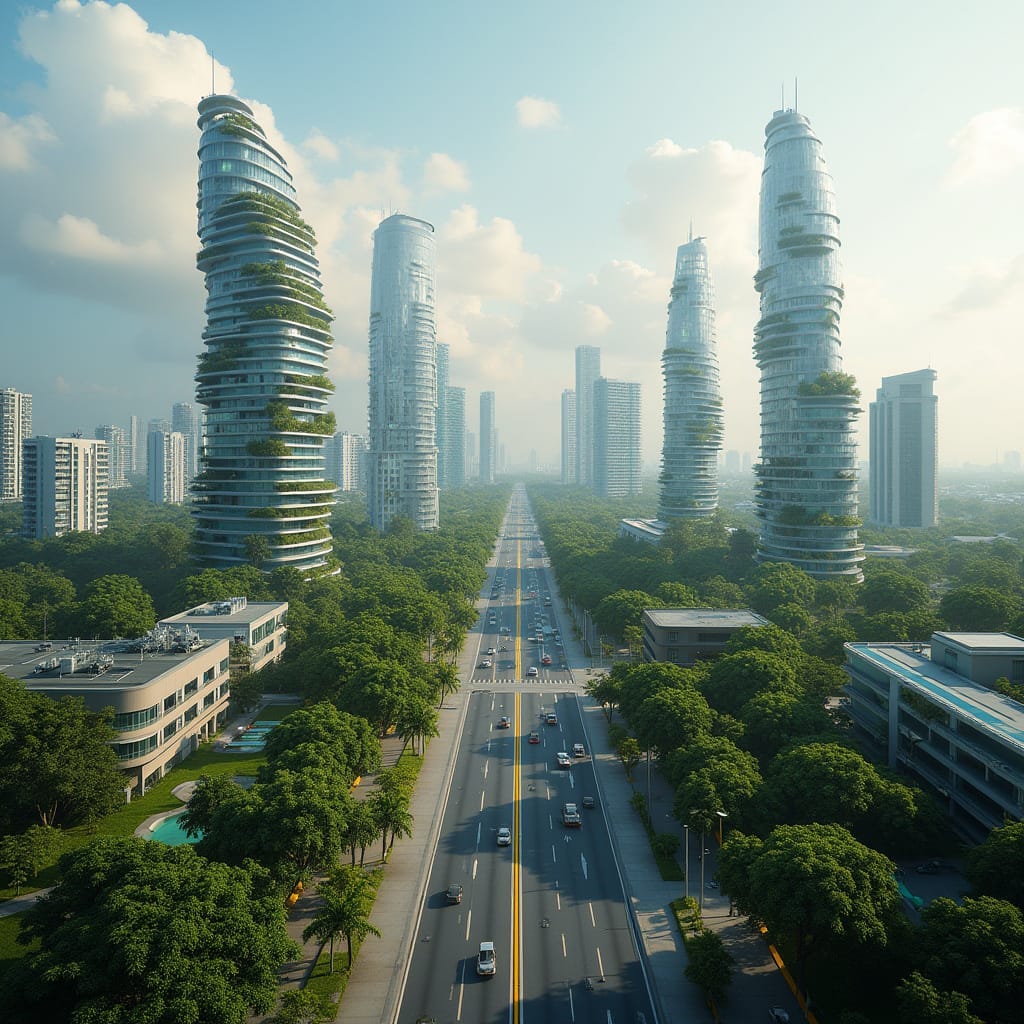
A glimpse of what could be next. These architectural renders explore how Jamaica’s skyline might evolve, where height, climate, and culture are brought into quiet balance.