Jamaicans are a resilient and vibrant people with a deep-rooted history defined by courage, resistance, and cultural richness, shaped by both struggle and triumph over more than five centuries. The Jamaican story begins with the Tainos, the island’s first known inhabitants, who arrived from South America around 600 AD and lived in harmony with the land until the arrival of the Spanish in 1494. This marked the start of a tragic era for the Tainos, as Spanish conquest led to their decline through forced labor, disease, and oppression. In 1655, Jamaica transitioned to British rule, shifting the island’s trajectory once again as African slaves were forcibly brought to work on sugar plantations, enduring brutal conditions that sparked powerful movements of resistance, such as those led by the Maroons. These escaped slaves, taking refuge in the mountainous regions, fought fiercely against British forces and secured their freedom in 1739, establishing a lasting cultural influence within Jamaican society.
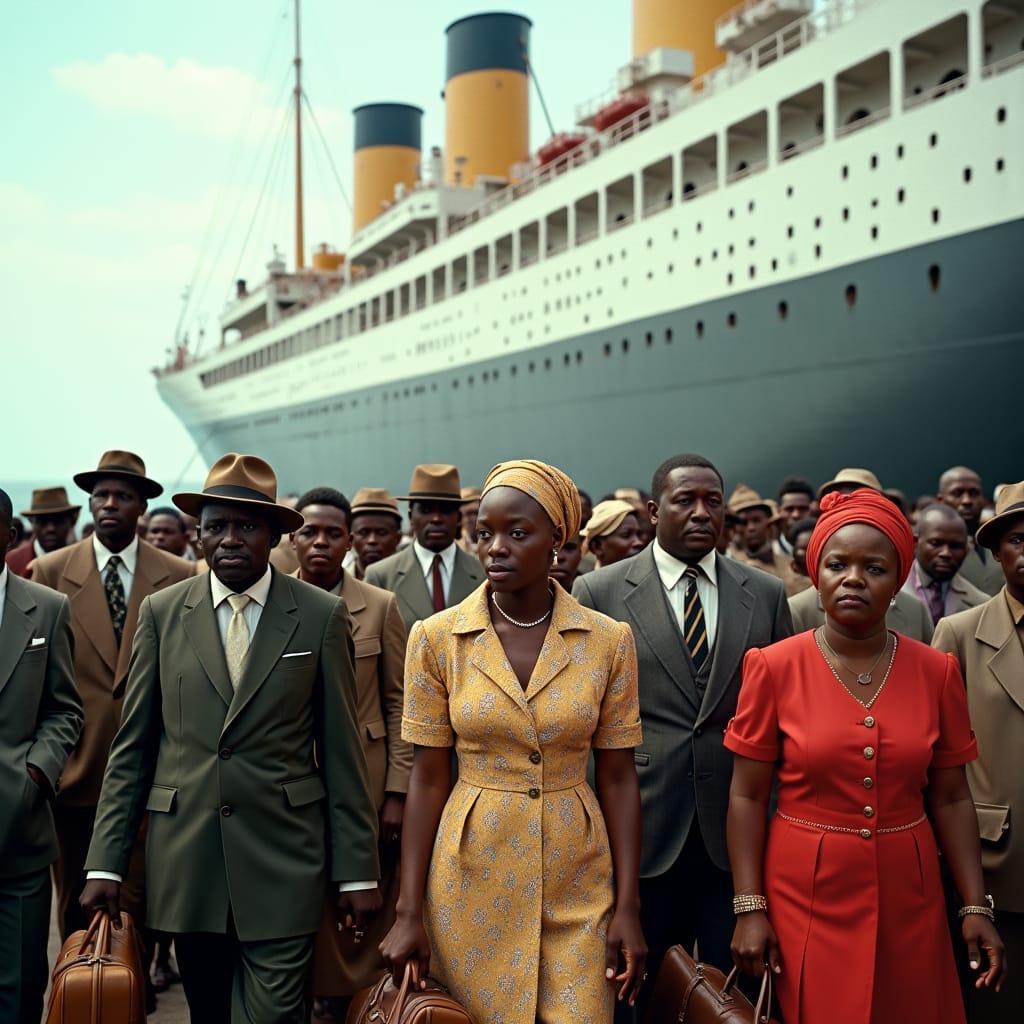
Following the abolition of slavery in 1838, the island saw an influx of indentured laborers from India, China, and the Middle East, each group bringing unique customs, foods, and beliefs that added to Jamaica’s cultural tapestry. This diversity has given rise to Jamaica’s motto, “Out of many, one people,” highlighting the unity forged from different backgrounds, languages, and traditions. Today, the legacy of these varied influences is visible in every aspect of Jamaican life: the dialect known as Patois combines English with West African linguistic elements; Jamaican music, from reggae to dancehall, embodies the island’s spirit of resistance and creativity; and the cuisine reflects flavors and techniques from across continents.
Jamaica’s colonial past under British rule also left lasting marks, with English as the official language, a legal system based on English common law, and a parliamentary model of government. Despite a history of hardship, Jamaica gained independence in 1962, embracing self-governance and a unique national identity that resonates with pride and resilience.
On the global stage, Jamaicans have made their mark in numerous fields, from athletics to music, and have brought international recognition to the island. This global footprint extends to real estate as well, where Jamaicans, both locally and in the diaspora, view the island as an ideal location for investment due to its scenic beauty, warm climate, and cultural appeal. The real estate market in Jamaica today is a mix of luxury properties, eco-friendly developments, and historic homes, attracting foreign investors and returning residents alike. This industry has become a crucial pillar in the island’s economy, providing opportunities for both residential and commercial developments. Jamaicans continue to draw on their rich heritage and global connections to shape a modern, dynamic nation that remains true to its roots and welcoming to the world.
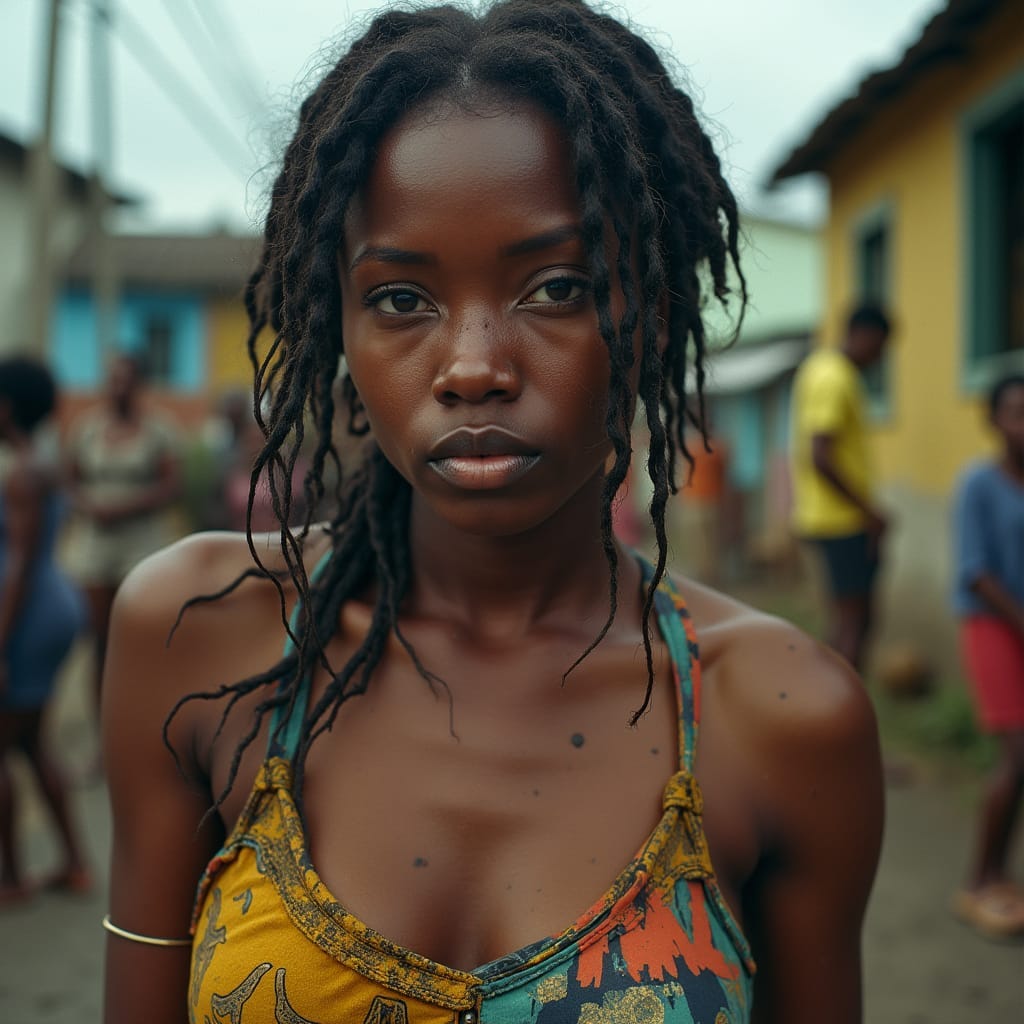
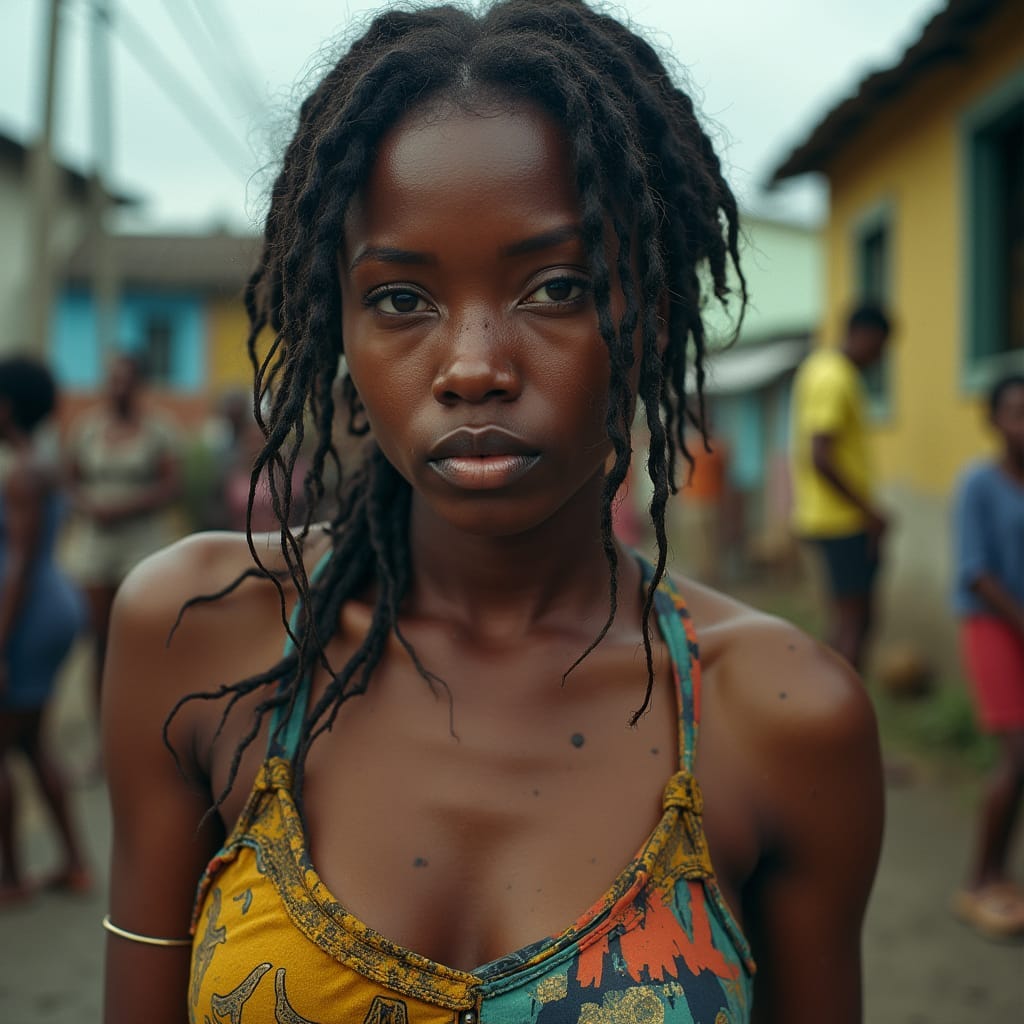
Close-up of a hardworking, beautiful Jamaican woman, dressed in worn yet vibrant clothing, sweat-drenched and determined, lining up for work in a bustling Jamaican cityscape, with a gritty, cinematic film still aesthetic, evoking the works of acclaimed cinematographer Roger Deakins, with a color palette reminiscent of Wong Kar-wai’s nostalgic films, and the dramatic lighting of Gordon Willis
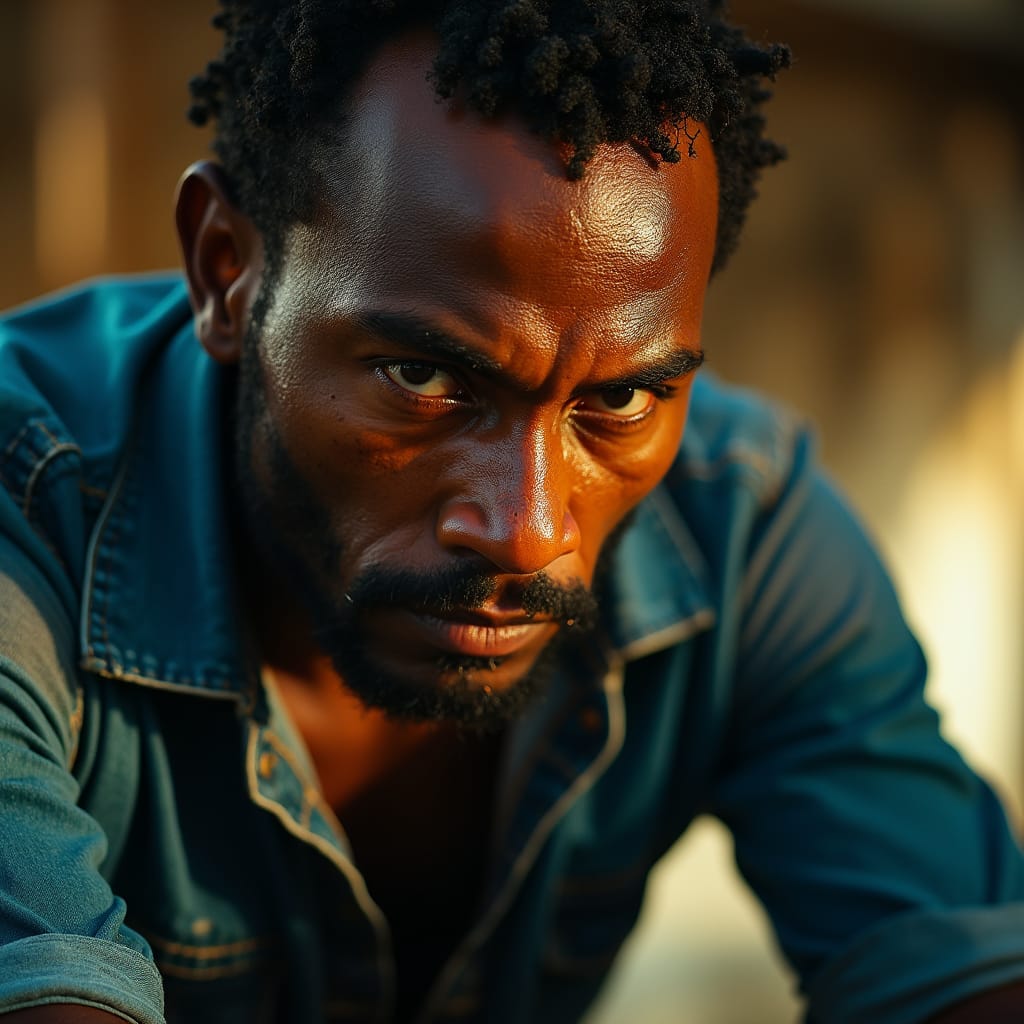
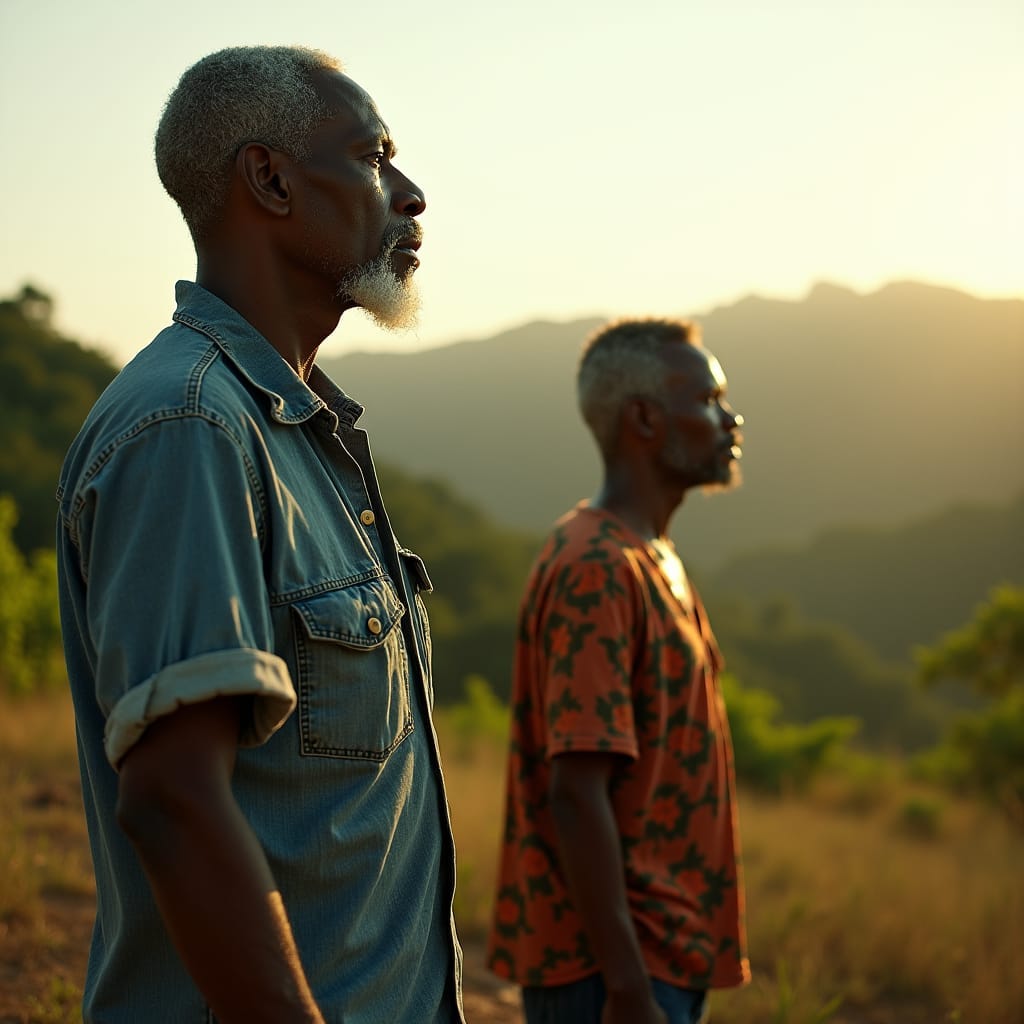
Intense close-up of a weary Jamaican laborer, sweat-drenched face illuminated by warm, golden cinematic lighting, deep shadows accentuating determined features, hint of exhaustion etched on weathered skin, worn denim shirt clinging to muscular frame, sleeves rolled up, revealing toned forearms, film grain and subtle vignette adding texture, depth to the 35mm film aesthetic, evoking the gritty realism of a documentary, yet elevated to epic, cinematic heights, reminiscent of the vivid, high-contrast style of cinematographers
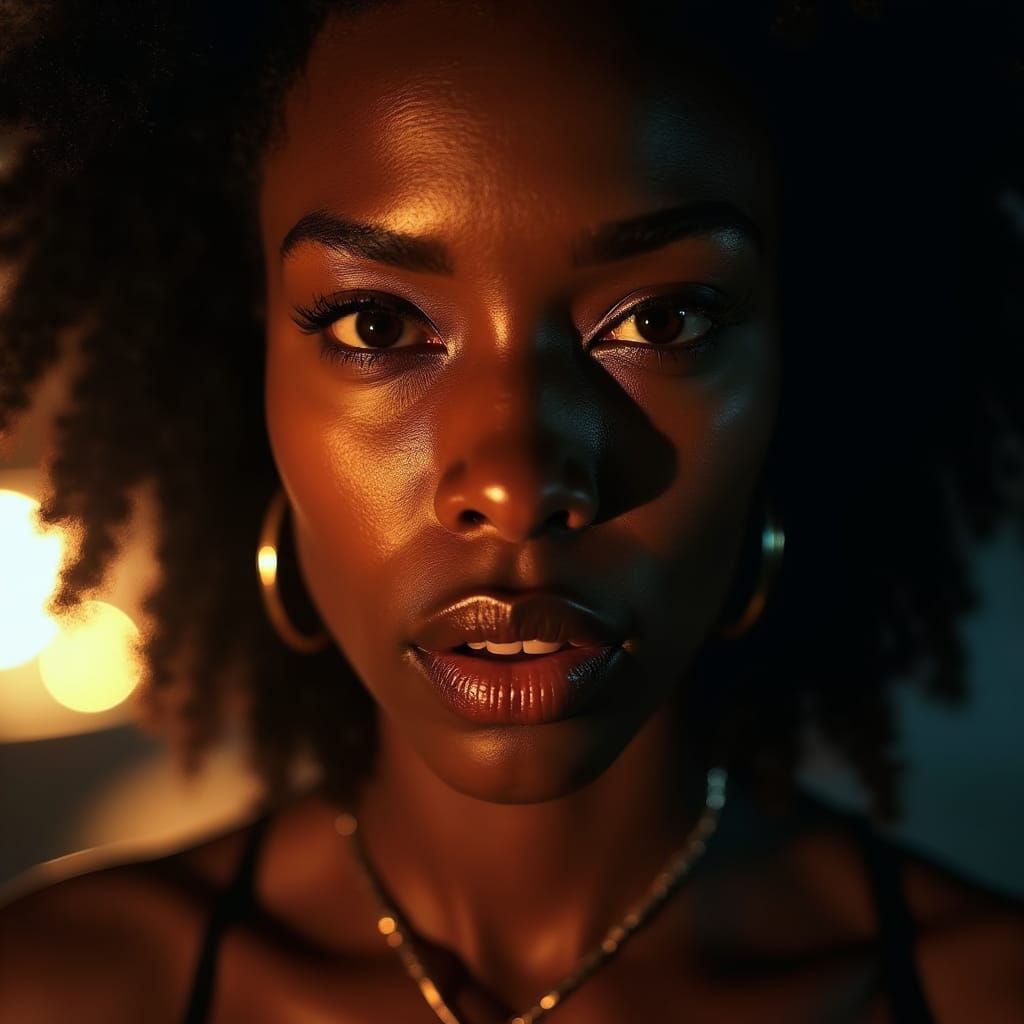
ntense close-up of a stunning Jamaican woman with a strong, determined expression, her face illuminated by a warm, cinematic glow,
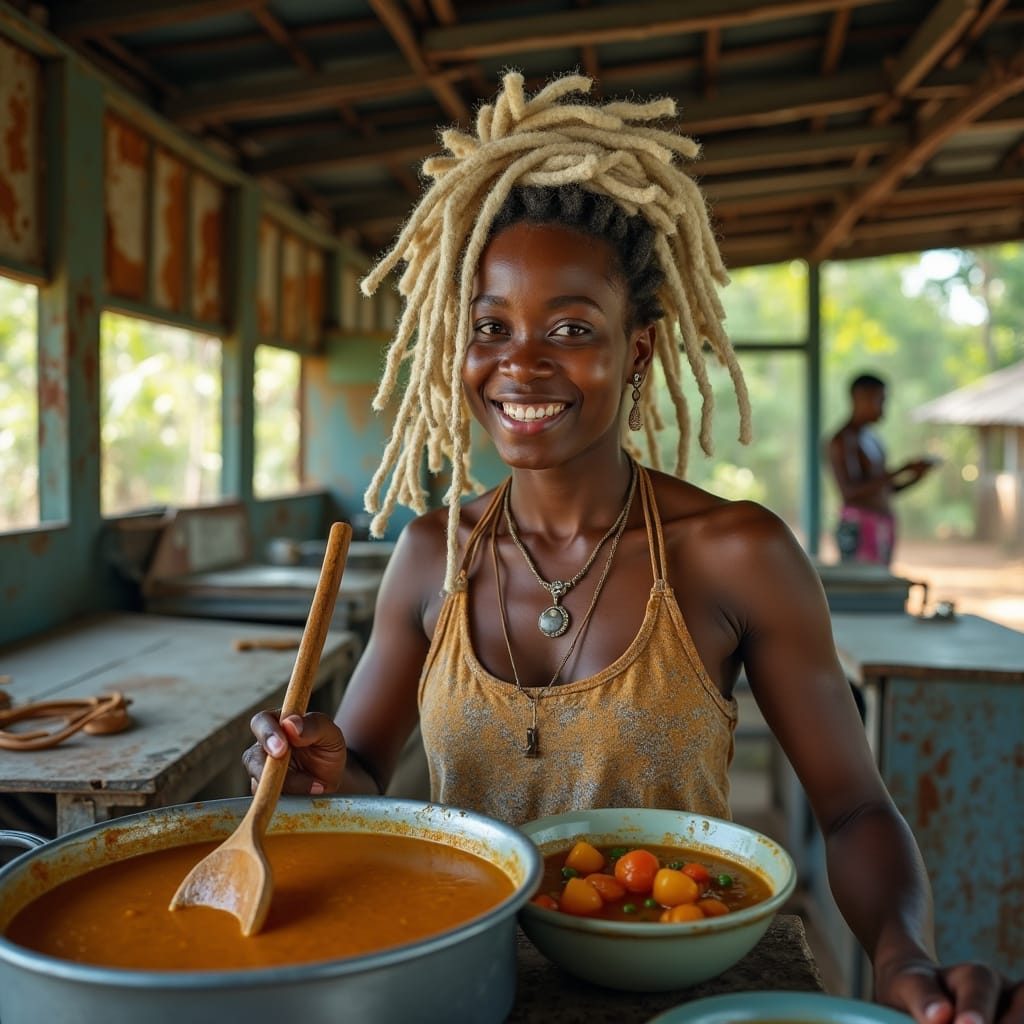
n a worn, rusty zinc-roofed roadside eatery, surrounded by a patchwork of plywood and corrugated metal, a stunning woman with a crown of thick, white dreadlocks serves steaming bowls of soup from a large, wooden ladle. Her bright, hazel eyes sparkle with warmth as she interacts with the patrons, her skin glowing with a radiant, sun-kissed complexion. The camera captures her in a breathtaking, cinematic moment, as if frozen in time, with the soft, golden light of the Jamaican sun casting a warm glow on the entire scene. Inspired by the gritty, yet elegant aesthetic of cinematographers like Emmanuel Lubezki and Roger Deakins, with a dash of the vibrant, Caribbean colors reminiscent of artists like Ash Thorp and Simon Stalenhag, this image is a masterpiece of cinematic storytelling, with a color palette that is at once earthy, yet epic, and a texture that evokes the grainy, filmic quality of a 35mm film, shot on a v-raptor XL, with a subtle vignette and careful post-processing to enhance the mood and atmosphere of the scene.
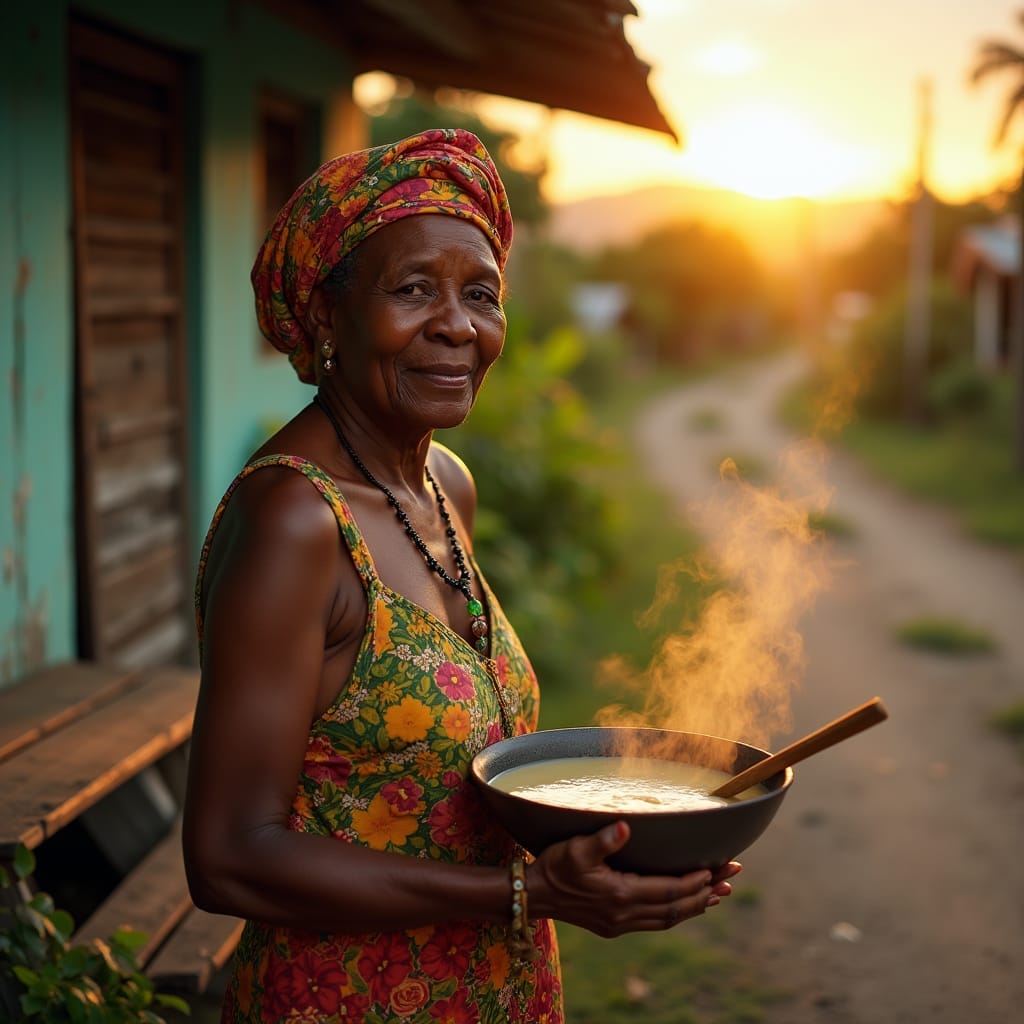
Old Jamaican woman wearing a vibrant floral headwrap and a warm smile, serving steaming hot soup from a large, worn wooden spoon, standing beside a rustic plyboard and zinc roadside restaurant, with a classic wooden bench and a few scattered tables, nestled among lush tropical foliage, against the warm, golden light of a setting sun, casting long shadows and a soft, cinematic glow, evoking the works of Terrence Malick, Gordon Parks, and Werner Herzog, with a cinematic film still aesthetic
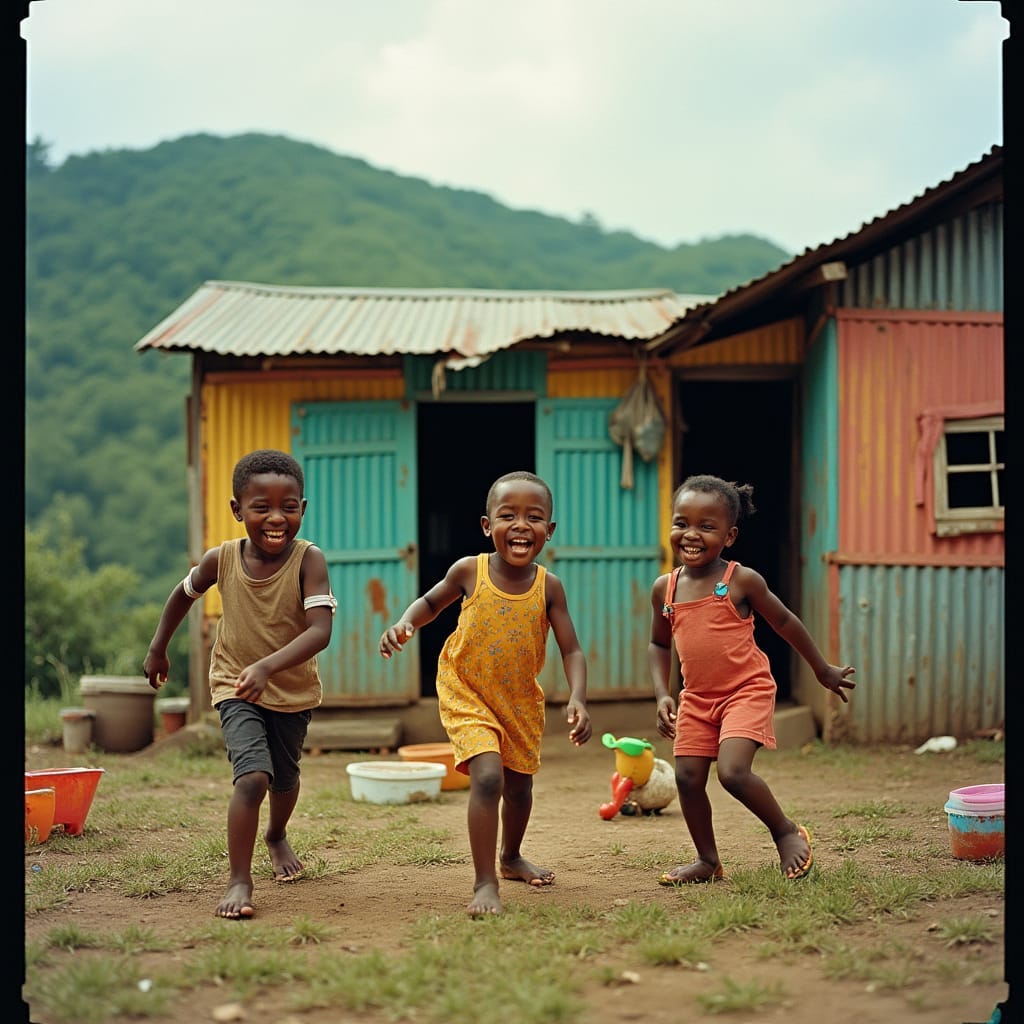
Vibrant zinc house with faded colors and corrugated iron roof, nestled between two sleek, modern glass homes with crystal-clear swimming pools, in a lush Jamaican neighborhood. Beautiful, carefree children with bright smiles and radiant energy, playing and laughing together in the midst of this striking contrast. Cinematic film still, inspired by the gritty realism of Roger Ballen, the vivid colors of Steve McCurry, and the poignant storytelling of Gordon Parks.
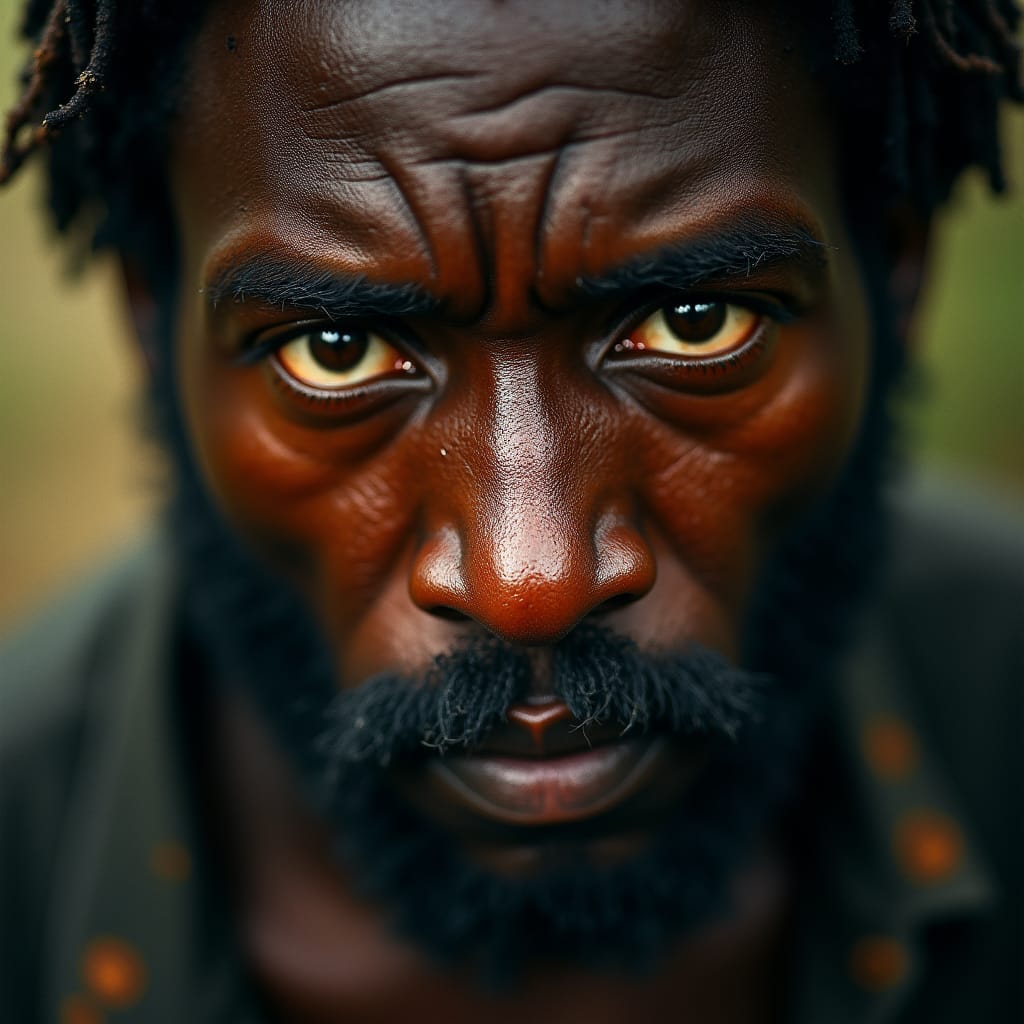
Intense close-up portrait of a rugged Jamaican ghetto man, worn from the harsh realities of life, with deep lines etched on his weathered face, his eyes telling a story of resilience and struggle. Shot on a V-Raptor XL camera, the image exudes a cinematic quality, reminiscent of the gritty realism of filmmakers like Ryan Coogler and Steve McQueen.
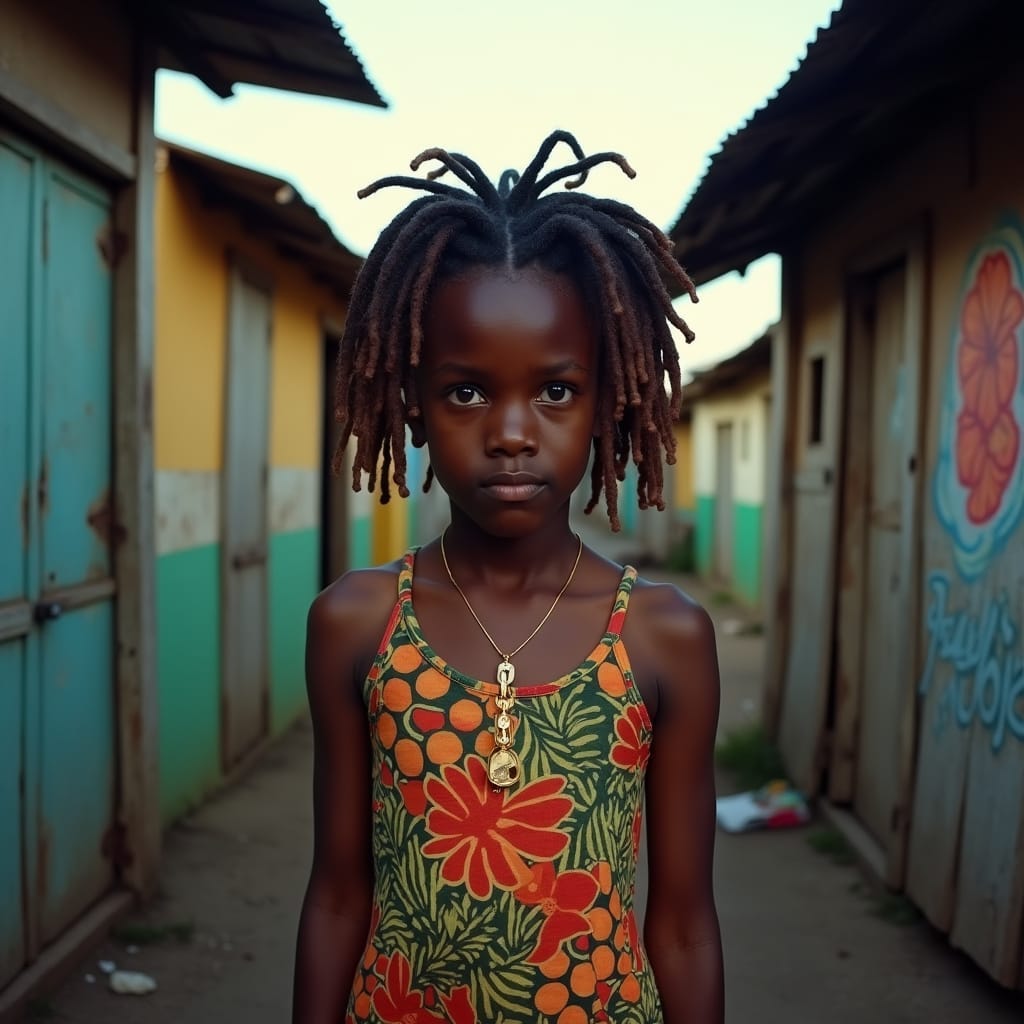
Jamaican teenager, Afro-Caribbean features, vibrant dreadlocks, bright expressive eyes, wearing a colorful sleeveless dress, gold chain and pendant, standing in a narrow, dimly lit alleyway, surrounded by weathered wooden shacks, rusty corrugated iron roofs, and vibrant street art, cinematic lighting casting deep shadows and warm highlights
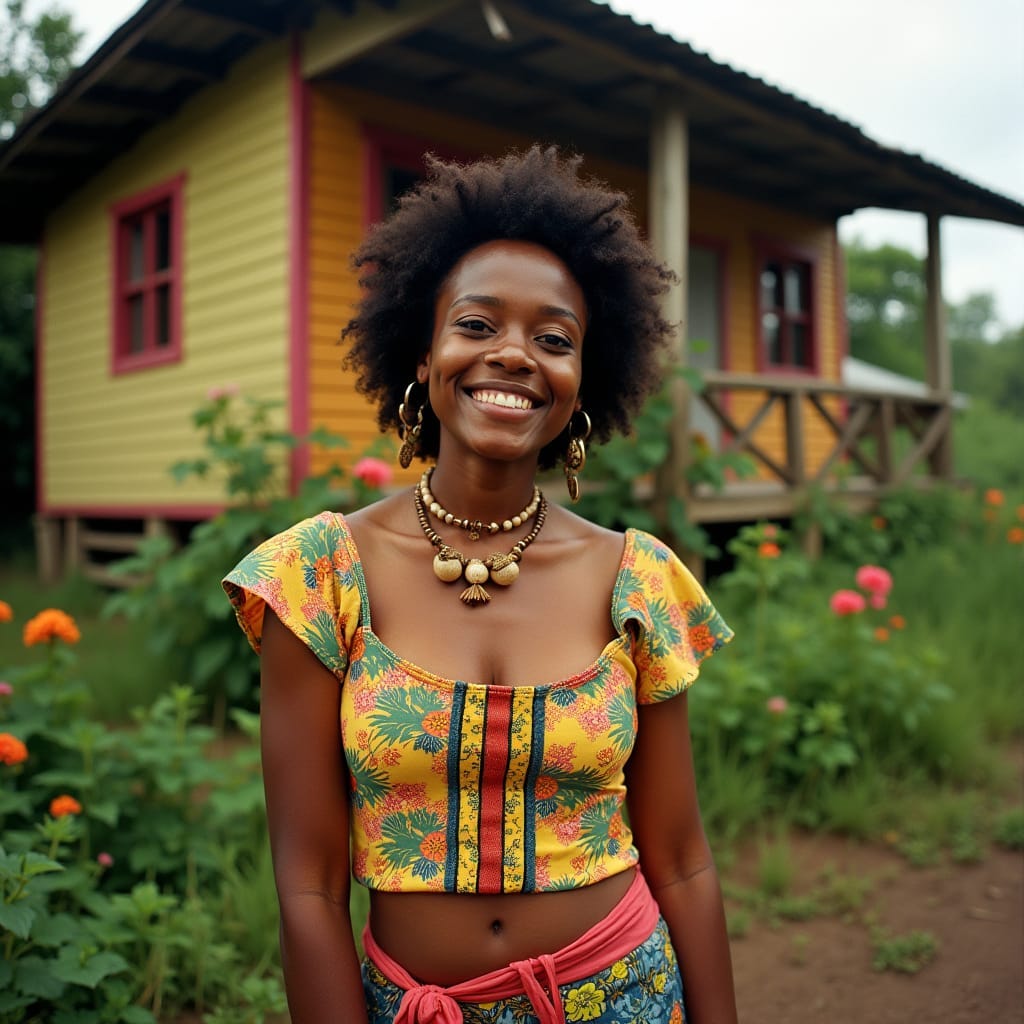
A young Jamaican woman, dressed in vibrant, eclectic clothing, with a bright smile, stands proudly in front of her beloved “yard”,
The establishment of colonies in Jamaica by European powers, beginning with the Spanish in the early 16th century and followed by the British in the mid-17th century,
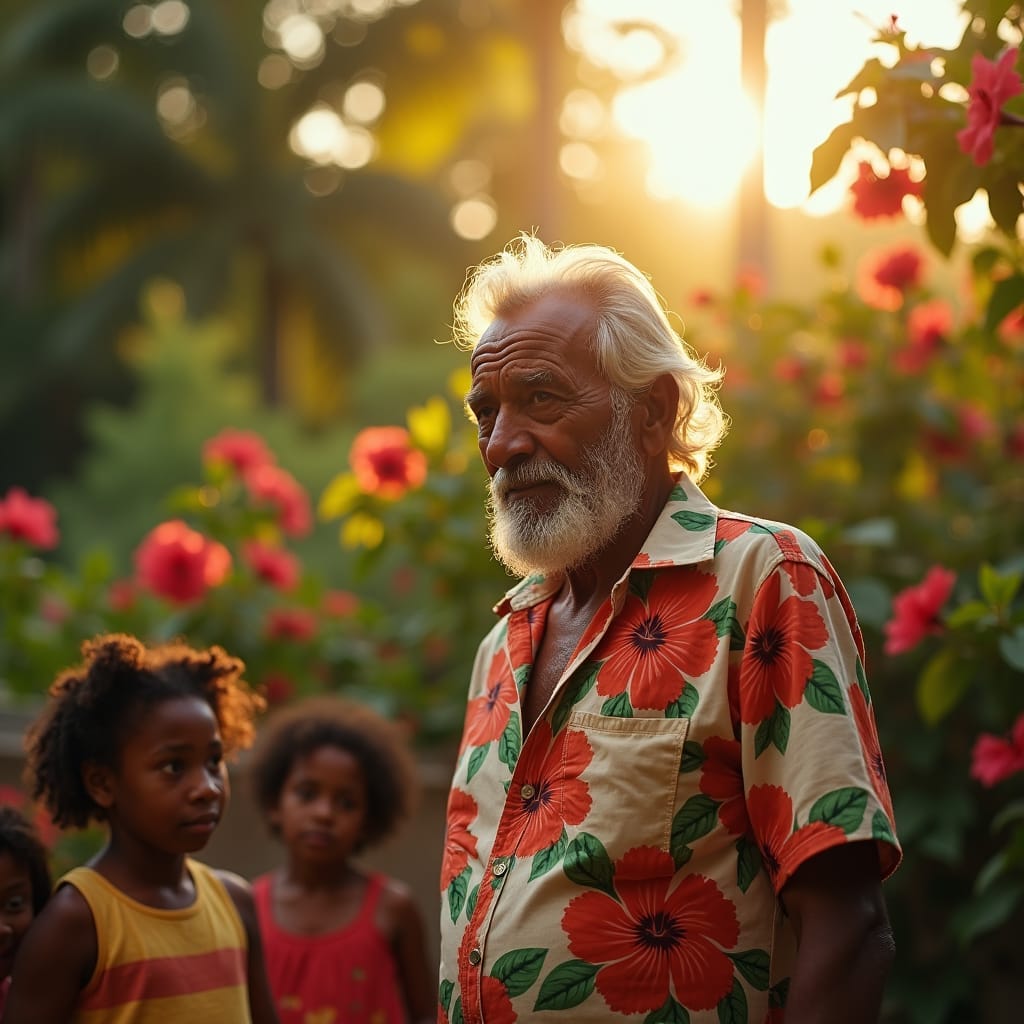
A warm, golden light casts a nostalgic glow on a Jamaican patriarch, dressed in a worn, yet dignified, guayabera shirt, as he stands in the lush, vibrant backyard of his family’s ancestral home, surrounded by his eager, young children, their bright, inquisitive eyes fixed intently on his weathered face. The atmosphere is alive with the sweet scent of blooming hibiscus and the soft, melodic chirping of tropical birds, as he speaks in a low, soothing tone, his words dripping with paternal love and wisdom, “My dear children, I want you to know that I’m transferring this property into your names, but don’t you worry, I’ll still be here, living among these trees, these flowers, and these memories, until my time on this earth comes to an end.
Jamaicans
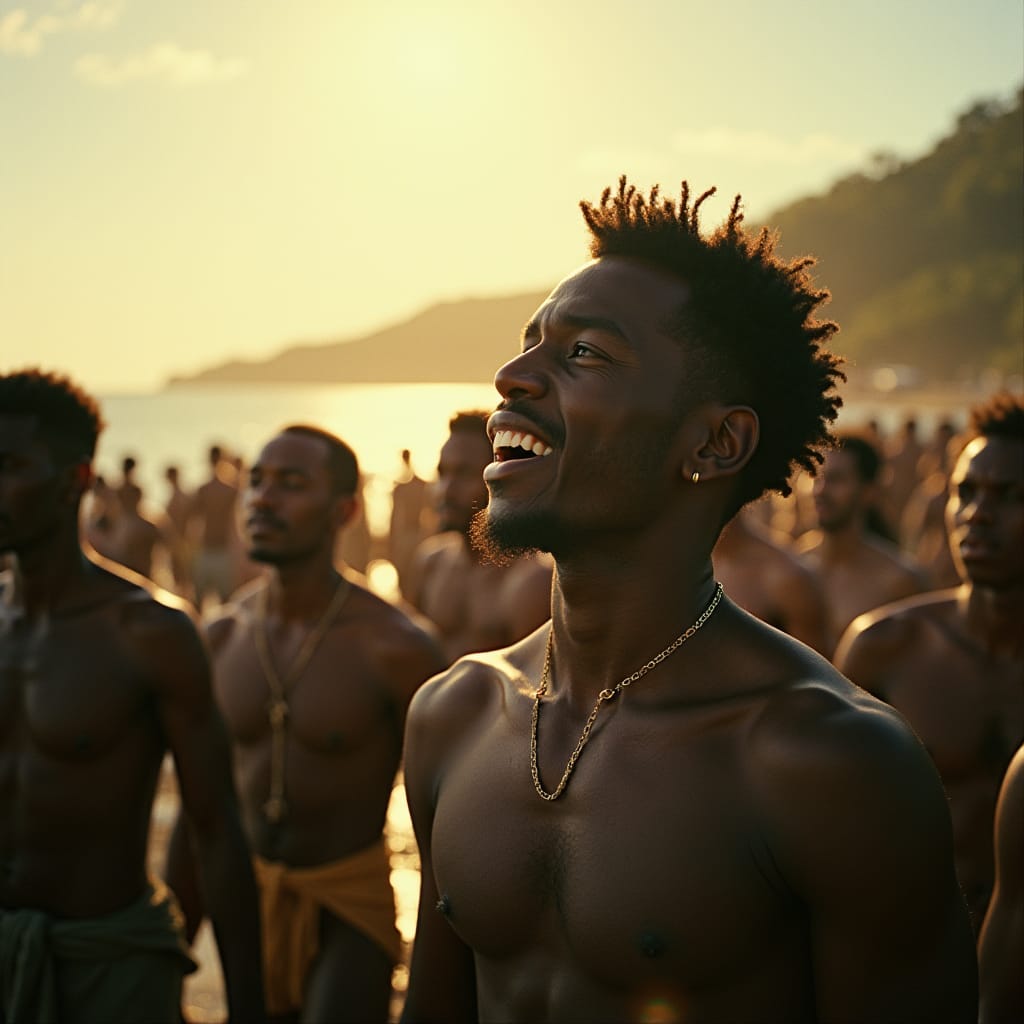
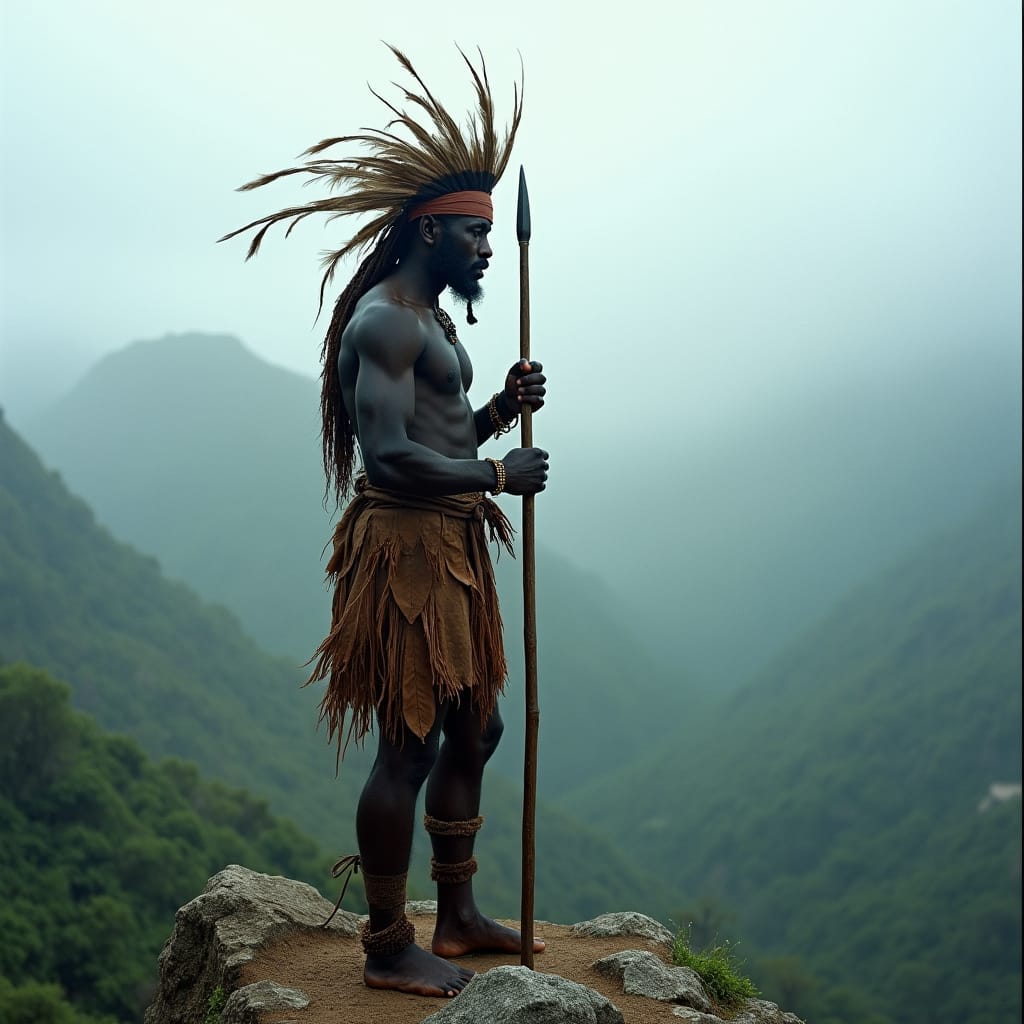
Depicting the fierce resilience of the Maroons, who fought from 1728 to 1739 against British colonial forces in Jamaica, this image captures the strength and determination of communities of escaped Africans who found refuge in the island’s rugged interior.