

Exploring Jamaican Patois, Also Known as Patwa, Through the Lens of Real Estate, History, and Culture: A New Resource at Jamaica Homes

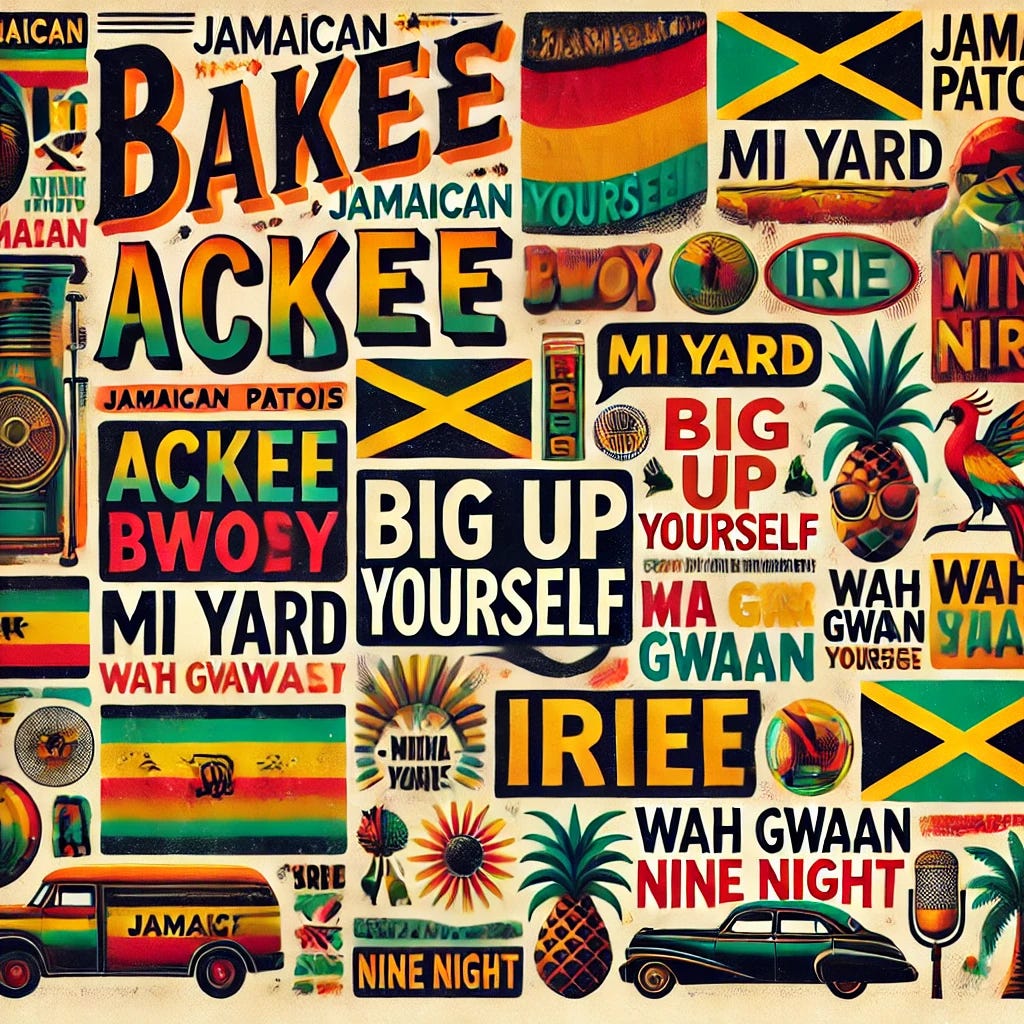
Jamaican Patois, or Patwa, is a dynamic and evolving language that tells the story of Jamaica’s past, shapes its present, and inspires its future. Rooted in history, deeply embedded in culture, and influential in politics, Patwa transcends its role as a means of communication to become a symbol of resilience, creativity, and identity. Now, Jamaica Homes is proud to present a new resource that delves into the historical timeline, cultural significance, and modern implications of Jamaican Patois. Explore more here: Jamaican Patois at Jamaica Homes.
The Timeline of Jamaican Patois: A Language Born of Necessity and Innovation
17th Century: The Origins of Patois
Jamaican Patois emerged during the 17th century as enslaved Africans on sugar plantations sought ways to communicate among themselves and with their English-speaking colonizers. The language is a creole, combining elements of English, West African languages, and influences from the Spanish and Taino who preceded the British in Jamaica. At this time, Patwa was seen as a “low” form of speech, reflecting the social hierarchy of the plantation system.
18th–19th Century: The Language of Resistance
As resistance to slavery grew, Patwa became a tool of empowerment and defiance. Secret messages and songs in Patwa helped organize uprisings, including the famous 1831 Baptist War led by Samuel Sharpe. During this era, the language was firmly associated with the working class and became a repository of African traditions and collective memory.
Post-Emancipation: A Symbol of Identity
With the abolition of slavery in 1838, Patwa began to evolve as freed Jamaicans moved into towns and rural communities. Though it was still stigmatized by colonial elites, it thrived in storytelling, folk songs, and market trade. The language remained vibrant, reflecting the island’s diverse cultural influences. Explore how these historical shifts impact modern real estate and communities at Jamaican Patois at Jamaica Homes.
20th Century: A Voice in Culture and Politics
The 20th century marked a turning point for Jamaican Patois. It became central to Jamaica’s cultural exports, particularly reggae music. Icons like Bob Marley popularized Patwa globally, embedding it in songs that resonated with themes of struggle, love, and freedom. In politics, leaders like Marcus Garvey used Patois to communicate with the masses, reinforcing its status as a language of empowerment.
Despite its cultural significance, Patwa faced opposition from some policymakers and educators, who favored English as the language of instruction and governance. This divide highlighted ongoing tensions between colonial legacies and Jamaican identity.
21st Century: Embracing Patois as a National Treasure
In recent decades, there has been a shift toward recognizing the value of Patois. It is now celebrated as a key part of Jamaica’s cultural heritage, with efforts to formalize its structure and promote its use in education and media. While debates about its official status continue, Patois is undeniably a unifying force for Jamaicans at home and abroad.
Learn more about how this evolution shapes communities and properties today at Jamaican Patois at Jamaica Homes.
Examples of Patois in Use
Jamaican Patois is heard in everyday conversations, music, and even formal settings. Some common phrases include:
“Wah gwaan?” (What’s going on?)
“Mi deh yah.” (I’m here.)
“Nuh worry yuhself.” (Don’t worry yourself.)
These expressions capture the warmth and resilience of the Jamaican people, and their usage extends into real estate as well. Whether it’s negotiating a deal or describing a neighborhood, Patois adds a uniquely Jamaican flavor to interactions.
Cultural and Political Influences on Patois
Over the years, Patois has been a reflection of cultural pride and political resistance. From ska and dancehall music to dub poetry and Rastafarian philosophy, it permeates every aspect of Jamaican culture. Politicians and activists often use Patwa to connect with grassroots movements, making it a language of the people.
In real estate, Patwa enriches the experience of living in Jamaica. Neighborhoods where the language thrives often have a strong sense of community and cultural preservation, which are key factors for investors and homeowners alike. Discover properties in culturally rich areas at Jamaica Homes.
The Future of Jamaican Patois
As Jamaica continues to evolve, so too does its language. Efforts to document and teach Patois are paving the way for its preservation and wider recognition. Whether in literature, film, or digital platforms, Patwa is thriving as a symbol of Jamaica’s enduring spirit.
Jamaica Homes’ resource offers a unique perspective on how Patois influences not just culture but also real estate and community building. Dive deeper into this fascinating topic and explore its connection to property and identity at Jamaican Patois at Jamaica Homes.
Jamaican Patois is more than a language—it’s a story, a movement, and a testament to the creativity and resilience of the Jamaican people.