


Jamaica, with its rich culture, music, food, beautiful landscapes, land of food and water, and vibrant communities, is more than just a vacation destination—it’s a place many people from around the world now call home.
Jamaica’s economy is thriving with positive momentum, ranking as the 5th freest in the Americas and 34th globally in the 2024 Index of Economic Freedom. With a score of 68.1, Jamaica is performing above both the global and regional averages, showcasing its steady improvements. The country has made significant strides in areas like investment and business freedom, making it an attractive place for both local entrepreneurs and foreign investors. Starting a business has become easier, and the economy grew by an impressive 5.2 percent in 2022.
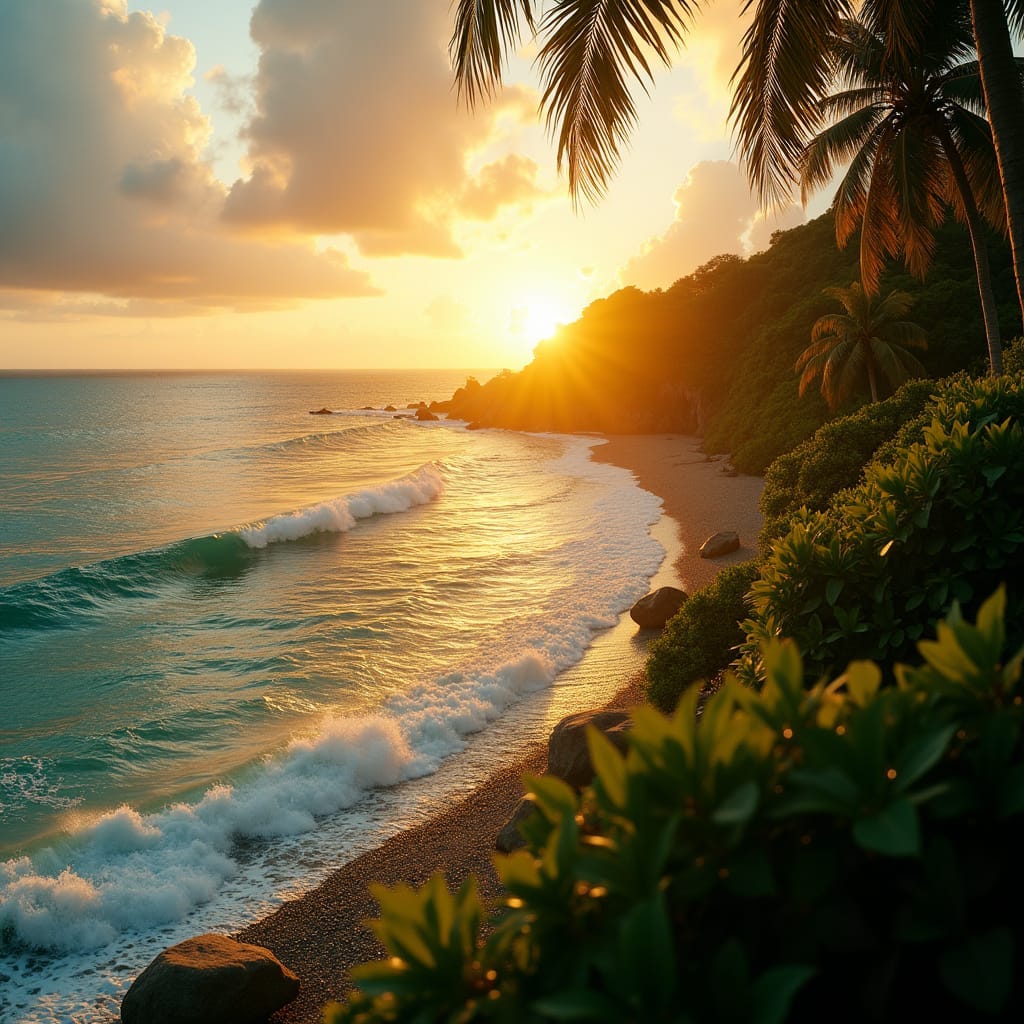
Whether you’re thinking about relocating for work, retirement, or a new adventure, moving to Jamaica can be both rewarding and challenging. This guide provides a comprehensive overview of some of the things to expect, how to best prepare, and the practical steps involved in making Jamaica your new home. Lets get startered!

1. Preparing for the Move

Research
Before making the move, thorough research is crucial. Take time to understand what Jamaica has to offer in terms of lifestyle, opportunities, and potential challenges:
Climate: Jamaica has a tropical climate with hot temperatures year-round, distinct rainy and hurricane seasons, and occasional earthquakes. The heat may require you to stay hydrated more frequently, and it’s important to be prepared for mosquitoes, especially during the rainy season.
Cost of Living: Expenses can vary significantly depending on where you settle. Urban areas like Kingston tend to be pricier, while rural areas may offer more affordable living.
Local Laws: Familiarize yourself with immigration, property ownership, and employment laws, as these can impact your long-term plans.
Tip: Many people spend years visiting and carefully researching before committing to a move. It’s a big decision, so take your time to make sure Jamaica is the right fit for you.
Financial Planning

Moving to Jamaica requires careful financial planning:
Initial Costs: Consider the cost of moving your belongings, visa applications, securing housing, and purchasing a car or furniture.
Ongoing Expenses: Estimate monthly costs for rent, utilities, groceries, healthcare, and transportation.
Tip: Don’t expect to spend less on food than you do elsewhere, but you can plan to save by shopping smartly. Buy local products, as they are generally taxed less than imported goods. Be wise with your choices, and if you have any spare land, consider growing your own food—it’s a great option if you’re inclined to do so.
Visas and Residency
Securing the right visa and residency is one of the first hurdles:
Tourist Visa: Many visitors can stay up to 90 days without a visa.
Work Permits and Residency: If you plan to work or retire, look into longer-term visa options, work permits, and residency applications through the Passport, Immigration and Citizenship Agency (PICA).
2. Where to Stay
Choosing where to live is one of the biggest decisions when moving to Jamaica. The island offers a range of options from bustling cities to quiet rural retreats.
Major Cities vs. Rural Areas
Kingston: As the capital city, Kingston is the political, economic, and cultural center of Jamaica. It’s ideal for those looking for a more fast-paced environment, complete with shopping centers, restaurants, and entertainment.
Montego Bay: Known for its resorts and beaches, Montego Bay is a popular destination for expatriates and retirees.
Ocho Rios: This area offers a blend of city life and natural beauty, with close proximity to waterfalls and beaches.
Rural Areas: Consider quieter regions like Portland or St. Elizabeth, where you’ll find a slower pace of life and closer connections to nature.
Expat Communities
Many foreigners settle in well-established expat communities, particularly in coastal areas like Montego Bay, Negril, and Ocho Rios. These regions provide familiar comforts and conveniences, making the transition smoother for newcomers.
Cost of Living
Housing Costs: Rent in Kingston or Montego Bay can be high, particularly in popular neighborhoods. Expect to pay anywhere between $500 to $1,500 USD monthly, depending on the location and property type.
Utilities: Expect to pay higher costs for utilities like water, electricity, and internet in rural areas.
3. Building vs. Buying vs. Renting
Each option has its pros and cons depending on your long-term plans, financial situation, and desire to become a permanent resident.
Renting
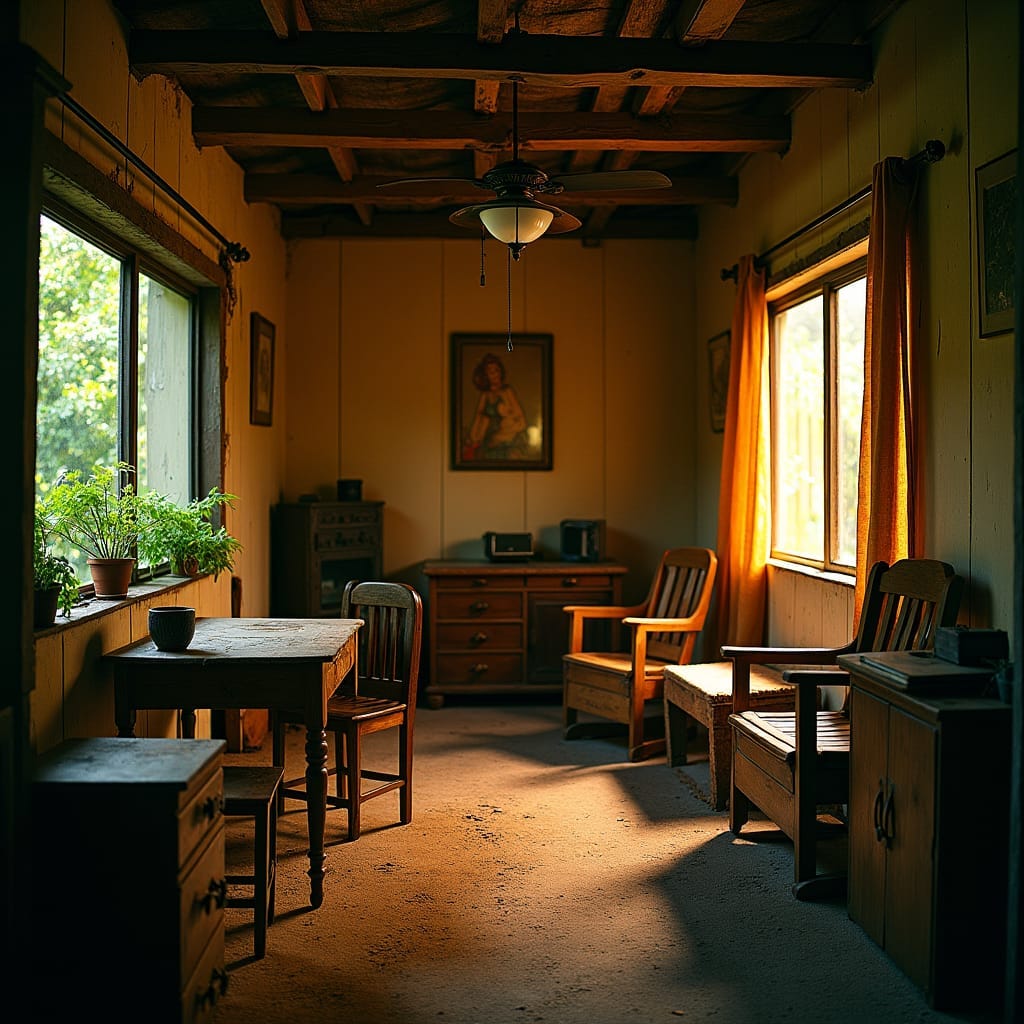
Flexibility: Renting allows flexibility if you’re still deciding where to settle. Lease agreements range from six months to a year, with furnished and unfurnished options available.
Cost: Rents are higher in urban areas but offer the convenience of proximity to jobs, hospitals, and schools.
Buying a Home


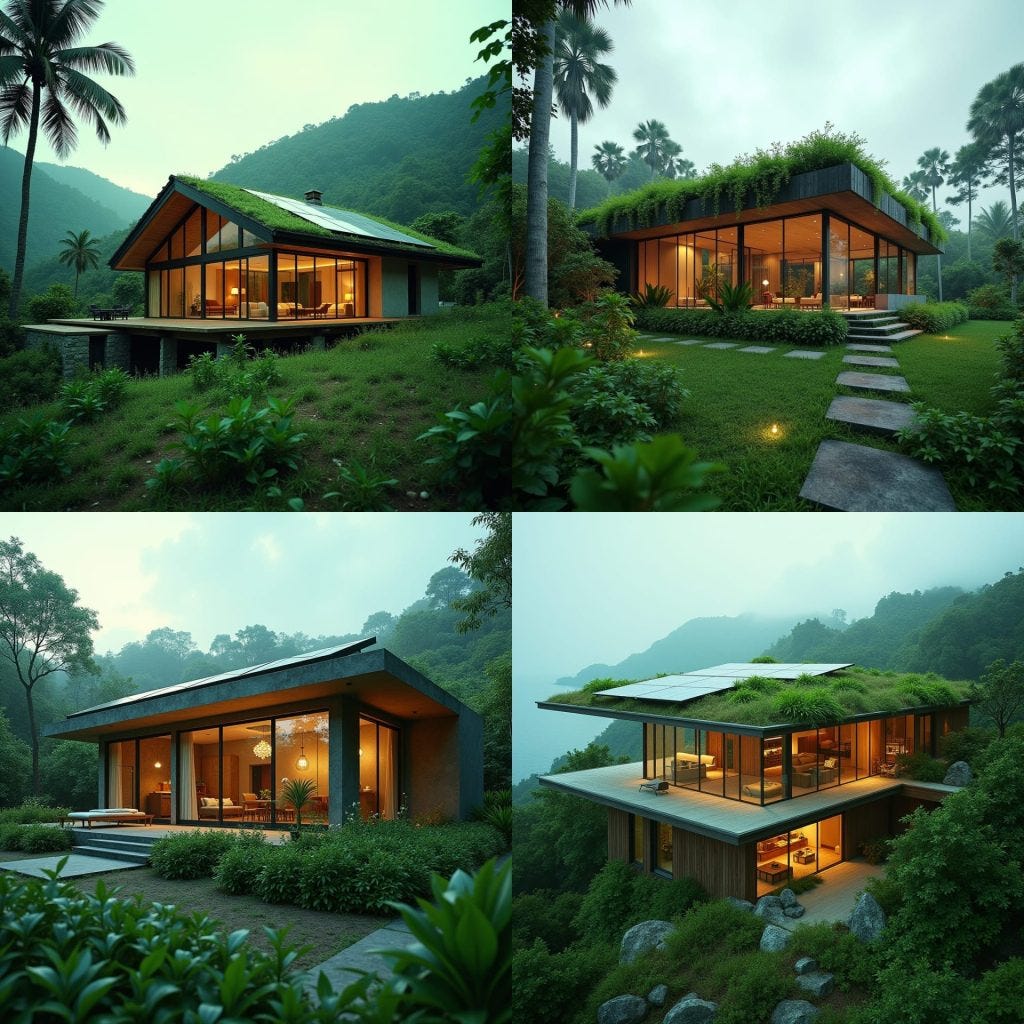
Step 1: Set Goals & Prepare
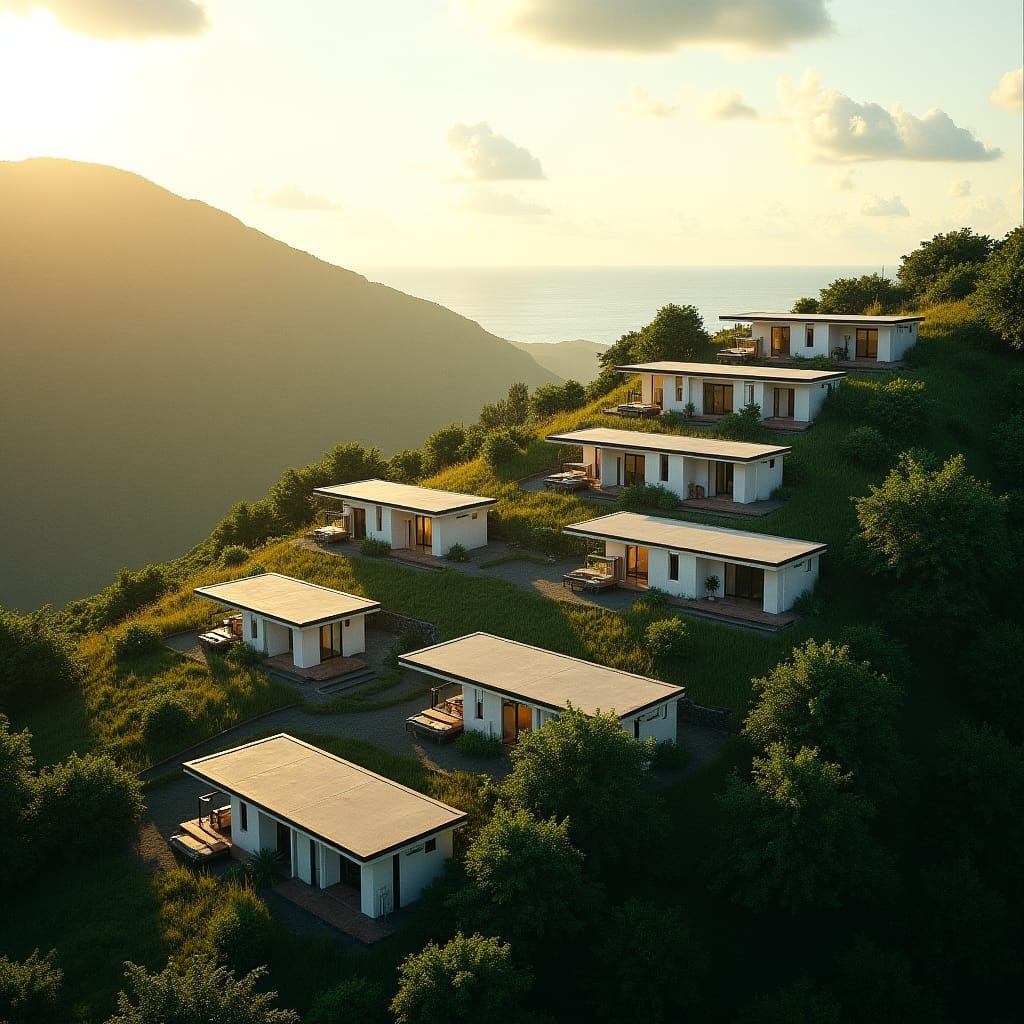
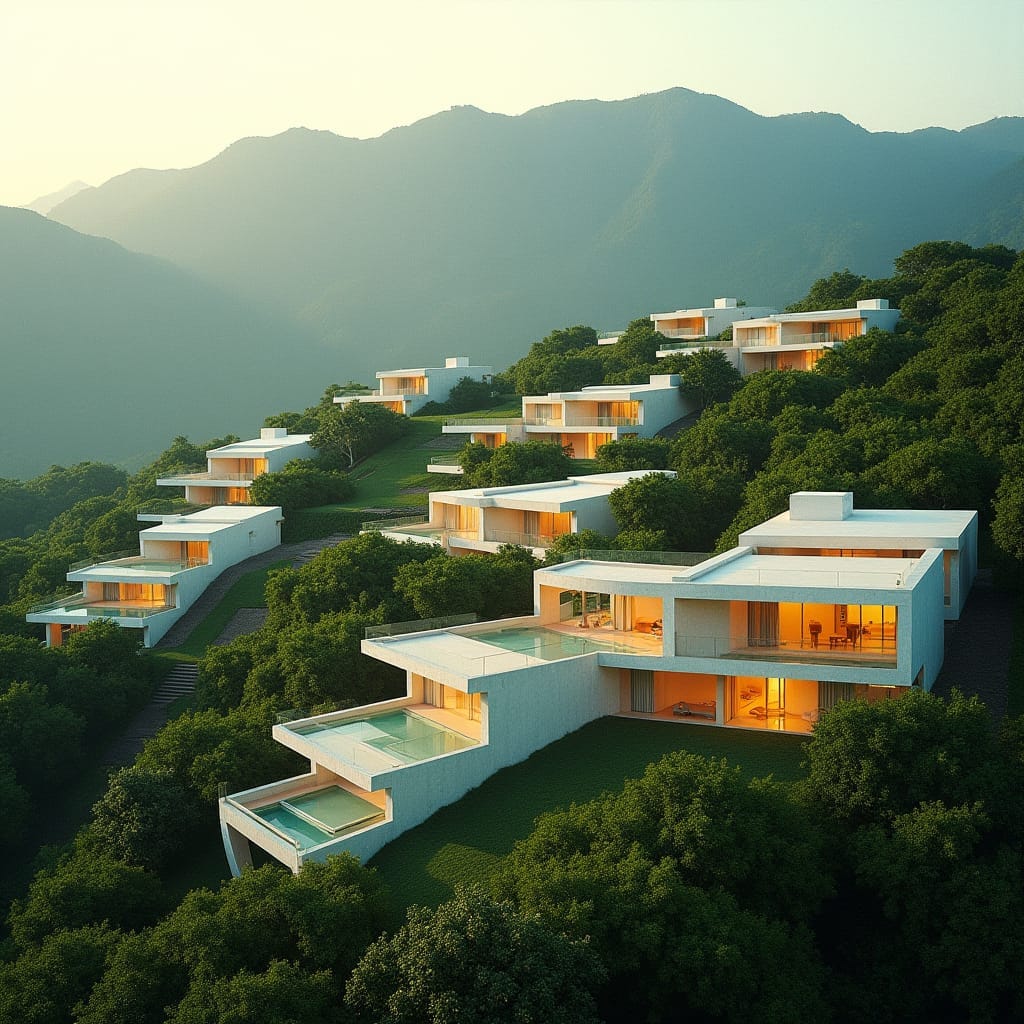
Decide: Choose between a beach villa, city apartment, or rural home.
Financing: Get mortgage pre-approval and understand taxes.
Hire an Attorney: Get legal help for paperwork and title checks.
Step 2: Find a Property
Browse Listings: Use Realtor.com or local agents.
Hire a Realtor: Get help with negotiations and local insight.
Visit Properties: Schedule viewings and ask questions.
Step 3: Make an Offer & Close the Deal
Offer: Make an offer and sign the Agreement for Sale after legal checks.
Finalize: Complete financing, pay taxes, and close.
Step 4: After Purchase
Register: Register the property.
Insure: Get property insurance.
Manage: Consider a property manager if needed.
Other
Property Prices: Jamaica’s real estate market is diverse, with properties ranging from affordable in rural areas to more expensive in cities and tourist hubs. Prices start around $100,000 USD for a modest home but can rise significantly in prime locations.
Process: Foreigners can buy property in Jamaica, but it’s important to work with a licensed real estate agent and a lawyer. The process involves submitting an offer, securing financing, and conducting title searches to ensure the property is free of debt.
For a more in depth overview read our how to buy a house in jamaica guide
Building
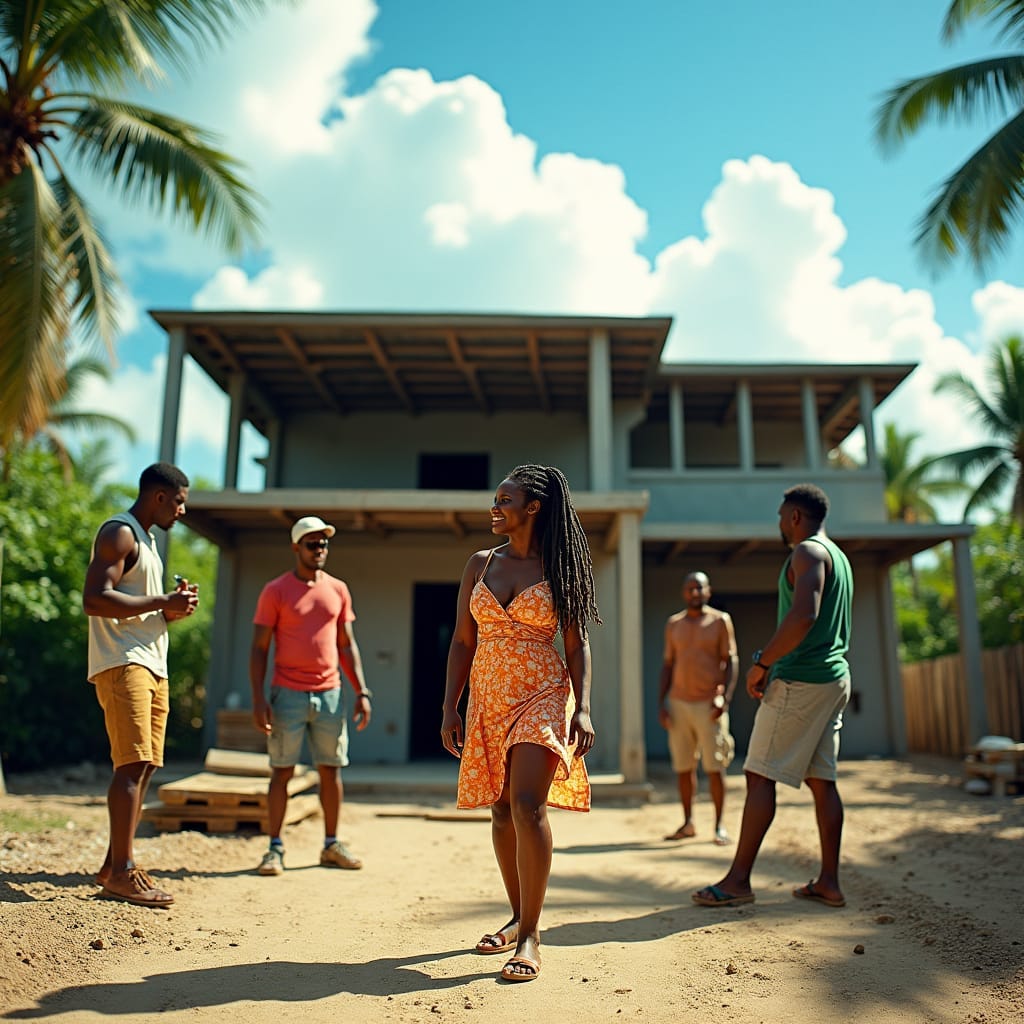
Step-by-Step Home Building Process in Jamaica
Finding and Acquiring Land.
Design and Planning.
Securing Financing and Permits.
Site Preparation.
Foundation Construction.
Framing and Exterior Work.
Interior Works.
Exterior Finishing.
Land Prices: Land can be cheaper in rural areas, but the cost of building will depend on the location and the type of home you want.
Challenges: Building a home requires navigating local building codes, obtaining permits, and finding reliable contractors. Be prepared for a potentially lengthy process.
4. Best Areas for Foreigners to Build, Buy, or Rent
Montego Bay
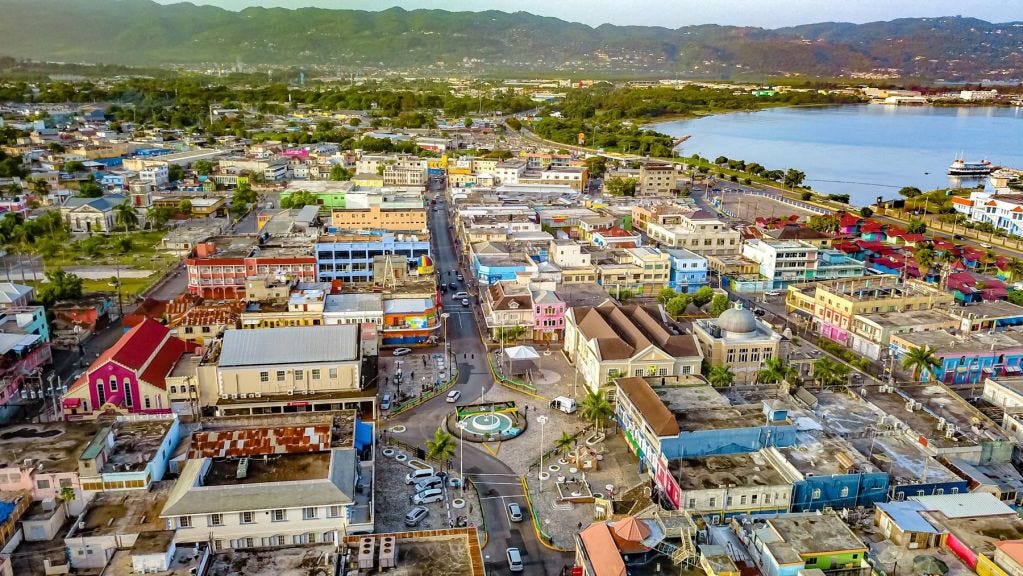
Montego Bay is one of the top choices for foreigners. Its thriving tourism industry means it’s well-suited for expatriates looking for work or retirees seeking a comfortable lifestyle near beautiful beaches and modern amenities.
Kingston
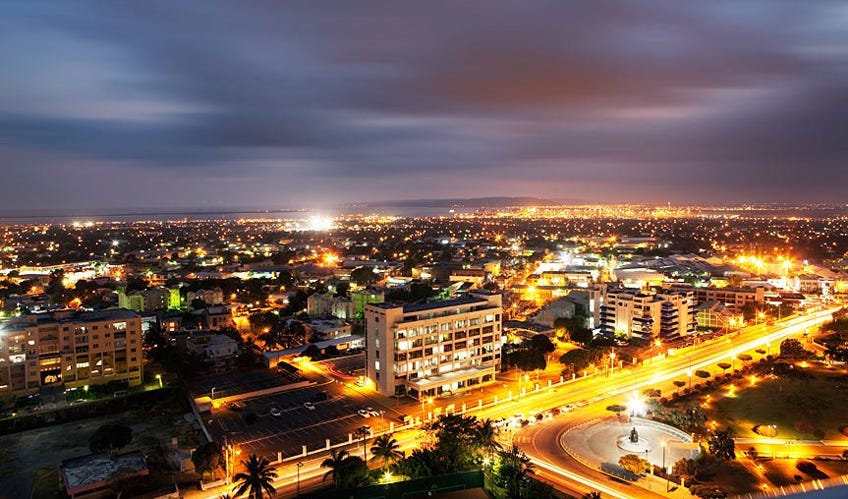
Kingston, as the capital city, is the best place for those wanting to be at the heart of the action. It offers everything from restaurants and nightlife to job opportunities, but it’s also one of the more expensive places to live.
Negril
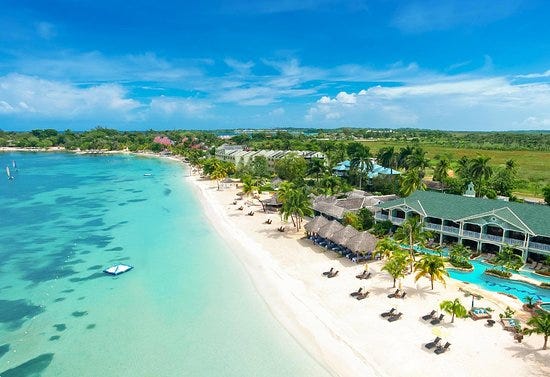
Famous for its Seven Mile Beach, Negril offers a laid-back vibe that appeals to both younger expats and retirees. It’s popular with foreigners who prefer a more relaxed environment while still having access to restaurants, hotels, and entertainment.
Port Antonio
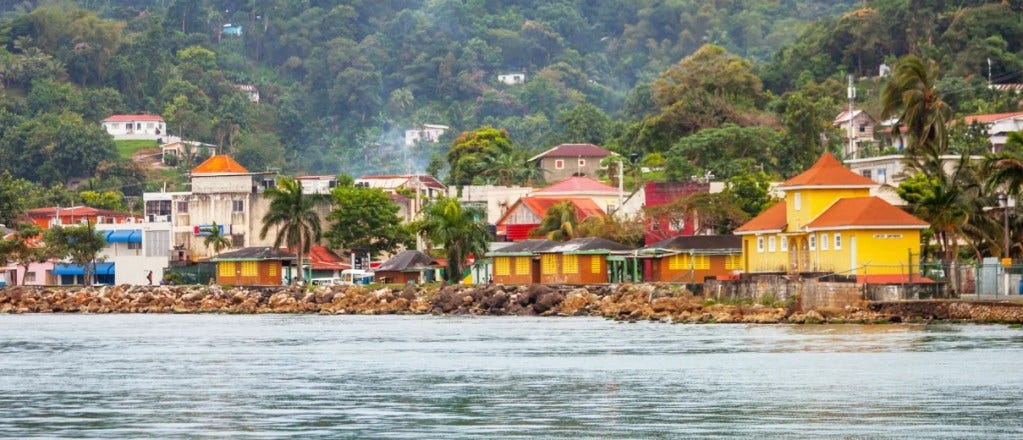
Located in the northeast, Port Antonio is ideal for those seeking natural beauty and a quieter lifestyle. The real estate market here is more affordable, and the region is less developed compared to the bustling cities.
5. Should You Ship or Buy New Furniture?
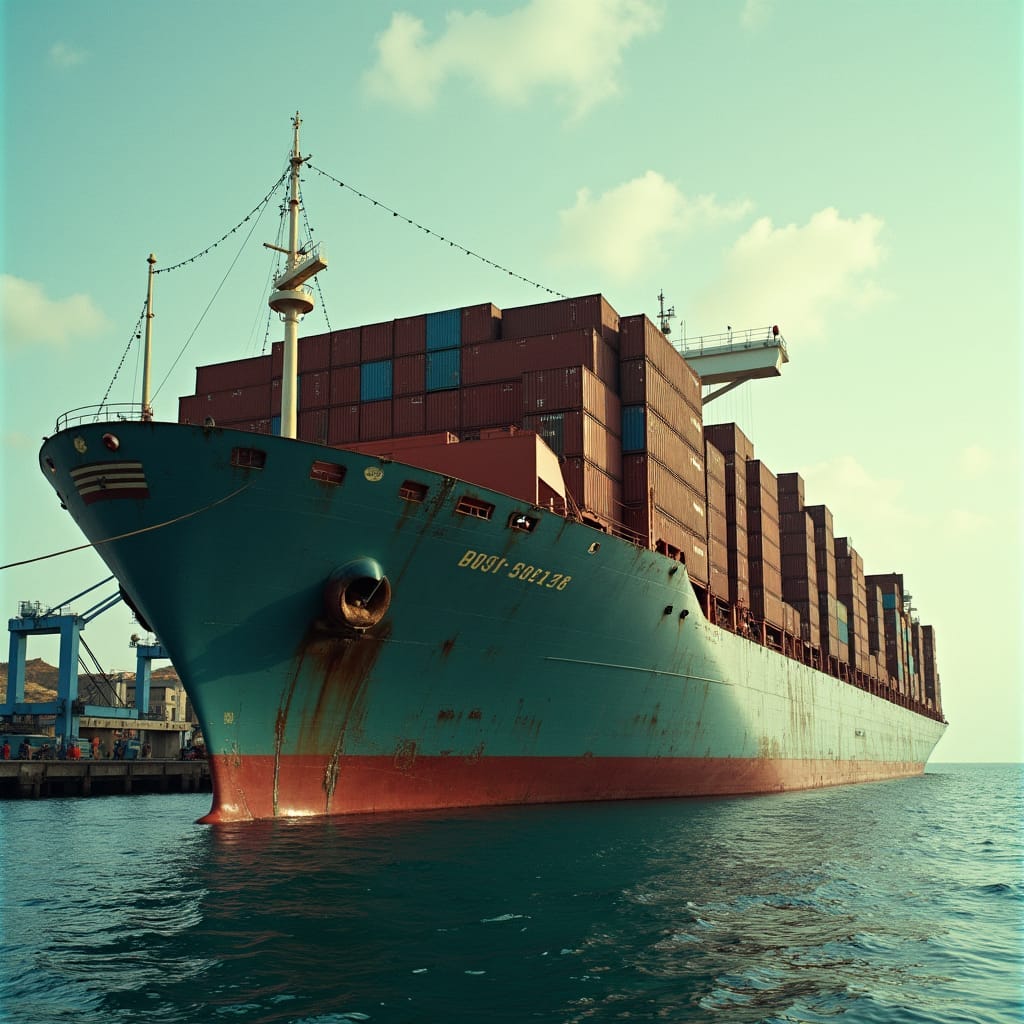
Deciding whether to ship your furniture or buy new in Jamaica depends on personal preference, cost, and convenience.
Shipping Furniture
Cost: Shipping furniture can be expensive due to import duties and taxes, which can range from 20-60% of the value of the goods.
Time: Depending on the shipping method, it can take several weeks for your items to arrive, and customs clearance can be slow.
Shipping a fully furnished 4-bedroom house in a 40ft container to Jamaica is a cost-effective option Here’s a quick summary of the typical costs involved:
Shipping cost for a 40ft container: $7.5,000 to $15,000 (depending on tariffs, exchange rates, and other factors).
Customs duties and taxes: Be prepared for additional charges based on the total value of goods being imported.
Buying New
Local Options: There are many furniture stores in major cities, offering a range of options from locally-made items to imported goods. Prices may be higher for imported furniture due to taxes and shipping costs.
Convenience: Buying locally allows you to furnish your home more quickly and support local businesses.
6. Should You Send a Car Over or Buy One in Jamaica?
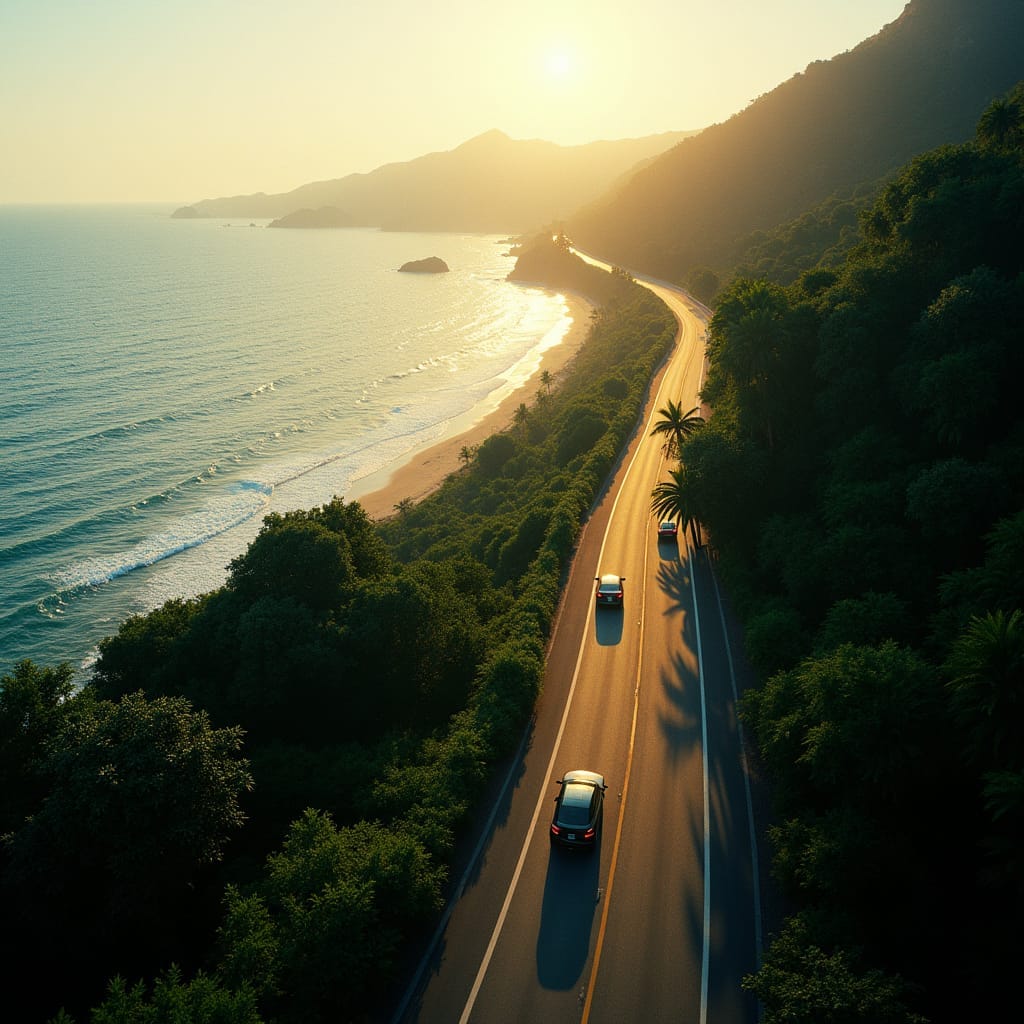
Shipping a Car
Costs: Shipping your vehicle can be costly, especially when factoring in import duties, taxes, and shipping fees. Taxes can be as high as 40-60% of the vehicle’s value.
Considerations: Ensure your car meets Jamaican regulations, especially regarding left-hand drive vehicles.
Buying a Car in Jamaica
Cost of Cars: Cars in Jamaica are expensive due to import duties, so even second-hand vehicles can be pricey.
Availability: While new cars are available from dealerships, used cars dominate the market. Be prepared for high prices and a potentially lengthy purchasing process.
7. Jamaica’s Culture, Rasta, Politics, Ghettos, and Crime



Culture and Rasta
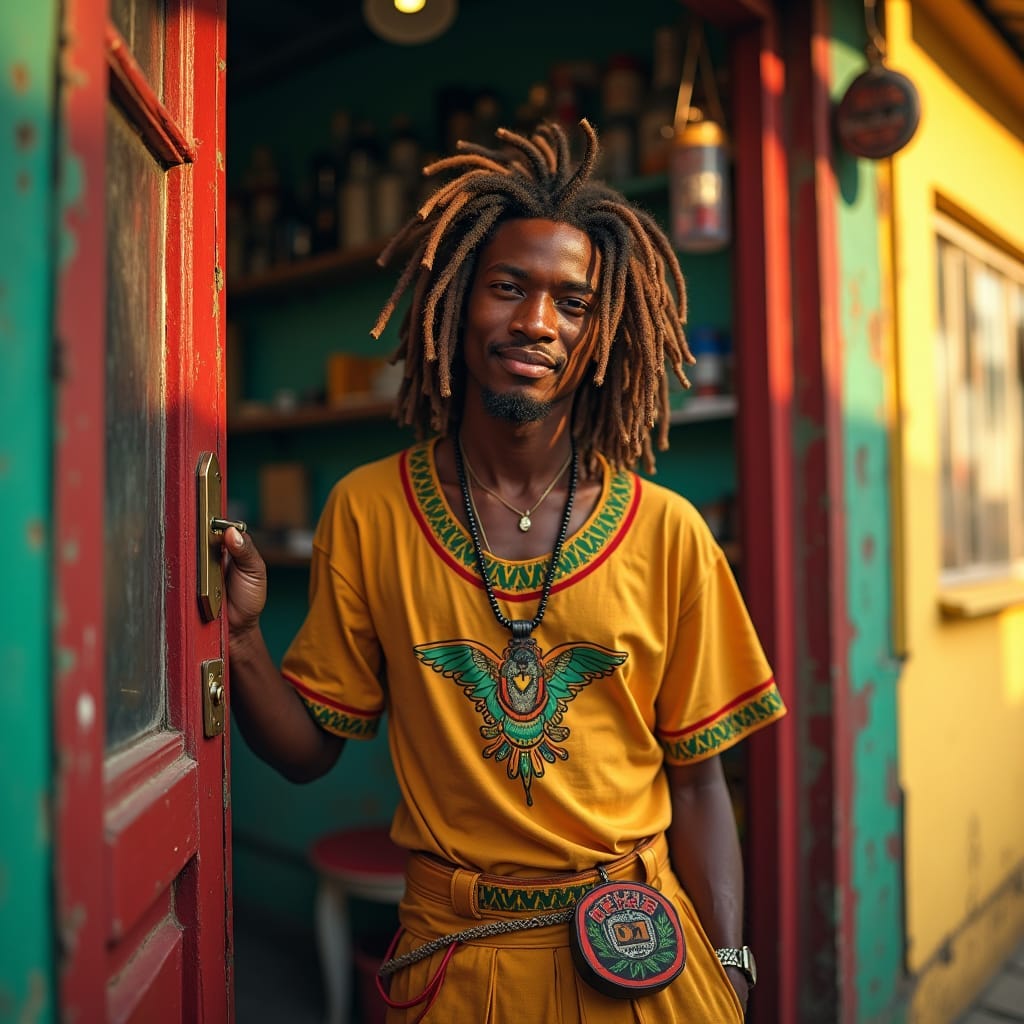
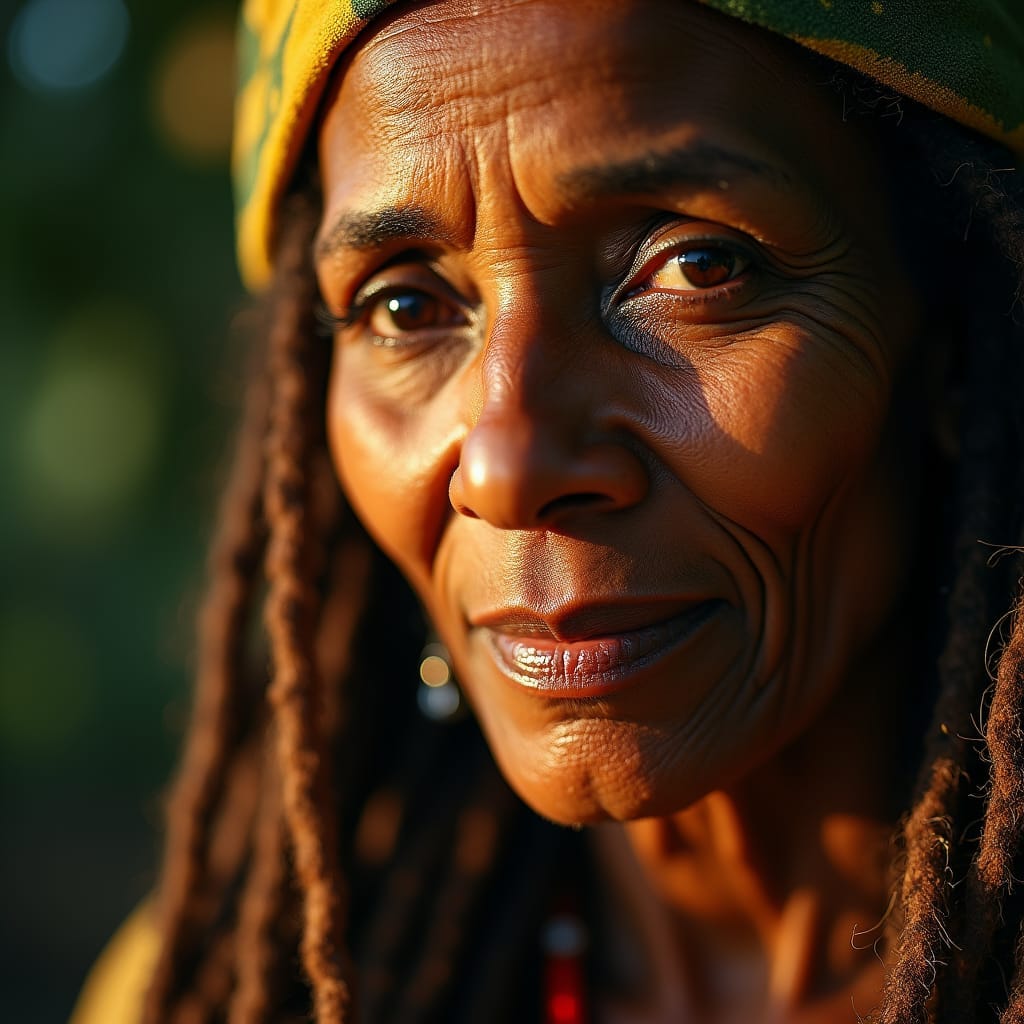
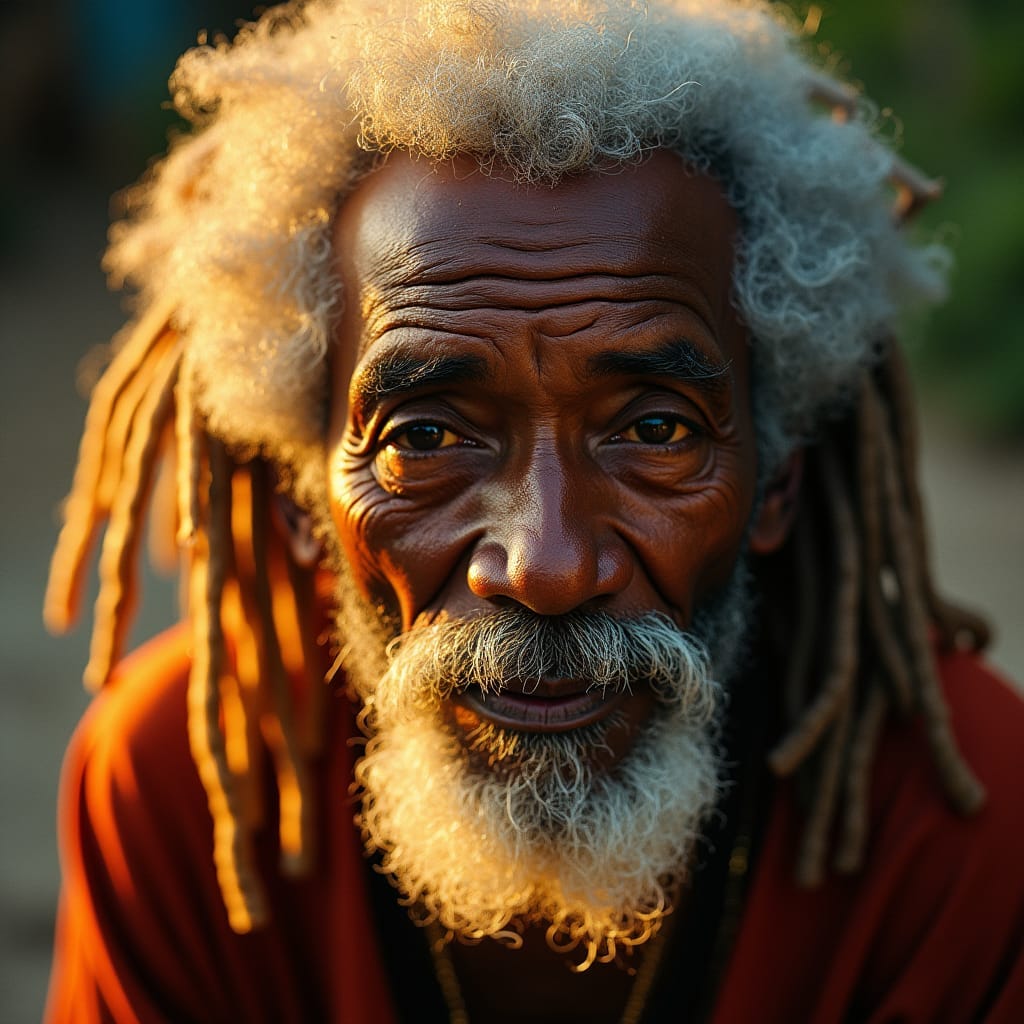
Jamaican culture is rich and diverse, deeply influenced by African, European, and indigenous traditions. where faith strongly influences daily life. Even those who don’t regularly attend church often believe in God, shaping a traditional, family-oriented culture that values respect and community. In contrast to more liberal societies like Europe, Jamaica’s norms tend to be more conservative and faith-driven.
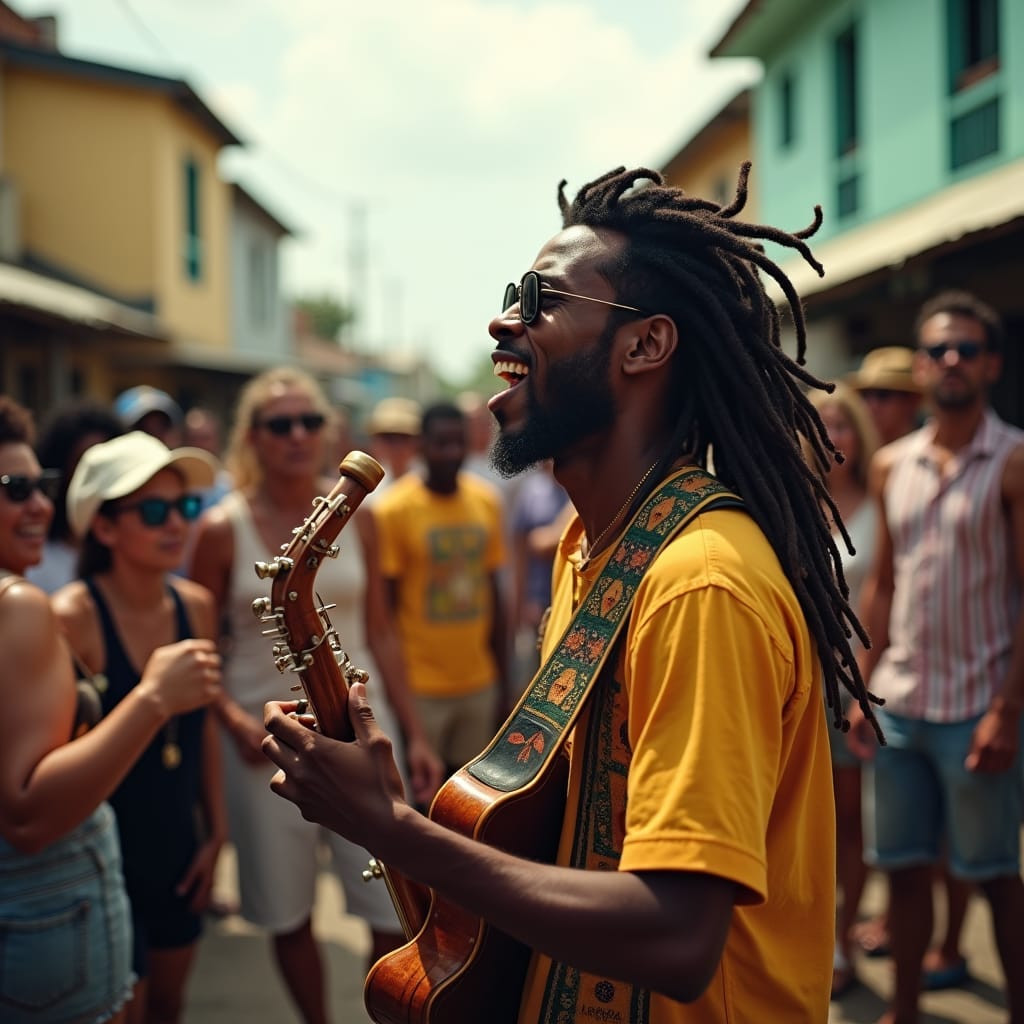
Alongside Christianity, Rastafarianism plays a significant cultural role, promoting African unity, peace, and love. The movement, which has deeply influenced reggae music, is an important part of Jamaica’s identity.
Key cultural holidays include:
Emancipation Day (August 1st): Celebrates the end of slavery.
Independence Day (August 6th): Marks Jamaica’s independence in 1962.
Heroes’ Day (third Monday in October): Honors national heroes.
Together, Christianity, Rastafarianism, and these holidays shape Jamaica’s rich cultural life.
Politics
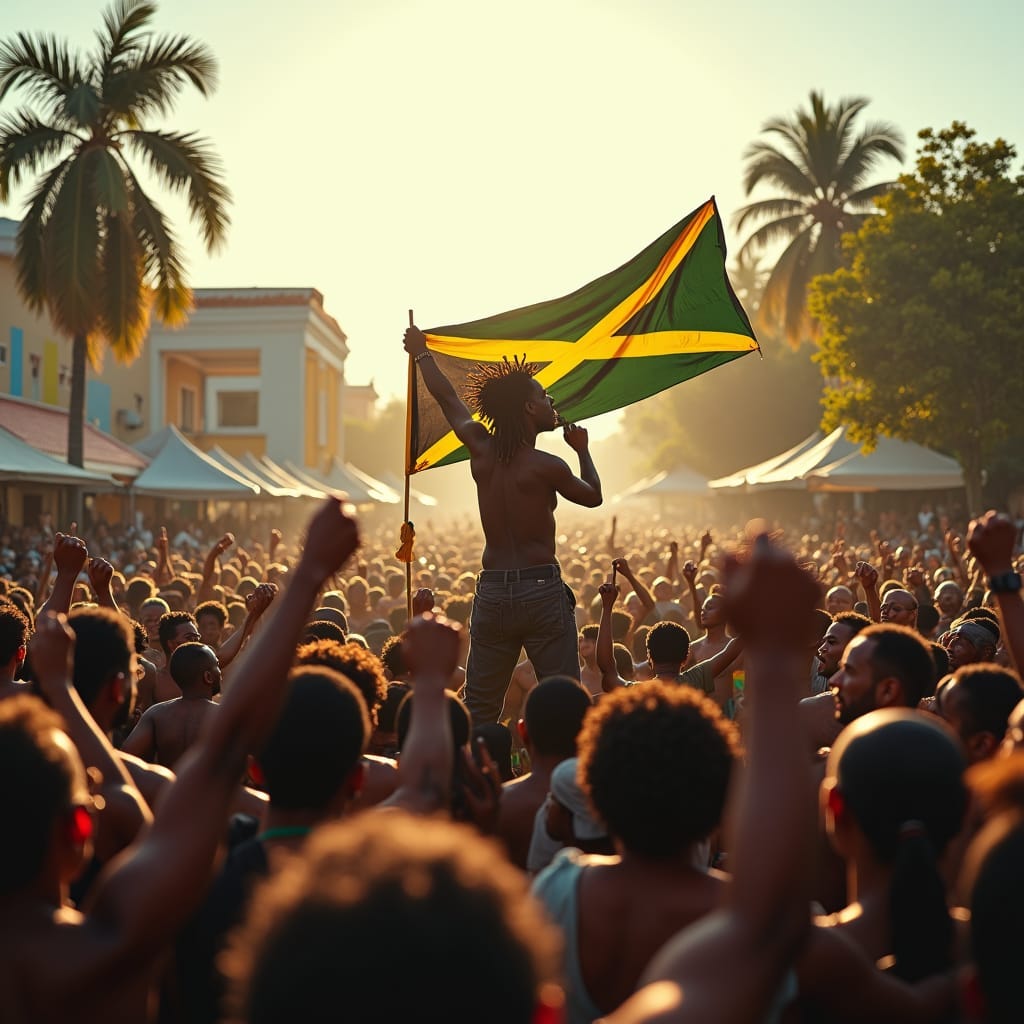
Jamaica is a parliamentary democracy, with politics often dividing along party lines. The island experiences its share of political challenges, but it remains relatively stable and is working to tackle issues like high spending, public sector inefficiencies, and corruption. Inflation is slightly above 10 percent, and unemployment is at 9.2 percent, but with strong property rights and a robust legal system, Jamaica continues to build a solid foundation for growth. The country is open to foreign investment, and with continued reforms, it has the potential to further enhance its economic freedom and prosperity.
Ghettos and Crime

While Jamaica is known for its beauty and culture, it also faces challenges with crime, particularly in certain urban areas. Understanding local dynamics and avoiding high-crime neighborhoods is essential for safety.
Poverty, unemployment, and limited opportunities contribute to high crime rates, especially in certain urban areas like parts of Kingston, Spanish Town, and Montego Bay.
Gang violence, drug-related crimes, and political tension are prevalent issues in these neighborhoods. As a result, both locals and tourists must be mindful of the dynamics of these areas. It’s important to note that crime in Jamaica is often localized, meaning that while certain pockets of urban areas experience higher rates of violence, many other parts of the island are safe and welcoming.
Navigating the Scene Safely
For those looking to experience Jamaica’s authentic music culture, it’s important to stay informed and cautious. Here are a few tips to navigate the reggae and dancehall scene while staying safe:
Stick to Well-Known Venues: There are many organized dancehall events that take place in established venues across the island, such as in Montego Bay, Negril, and certain areas of Kingston. These offer a safe way to enjoy the music and dance without the risks associated with street parties in higher-risk neighborhoods.
Go with Locals: If you’re keen to attend a local street dance, it’s a good idea to go with someone who is familiar with the area. They’ll help you navigate the scene and avoid places where crime could be an issue.
Avoid High-Crime Areas: Certain neighborhoods, particularly in parts of Kingston like Tivoli Gardens or sections of Spanish Town
Reggae Music, Dancehall Scene, and Jamaica’s Ghettos: A Complex Reality
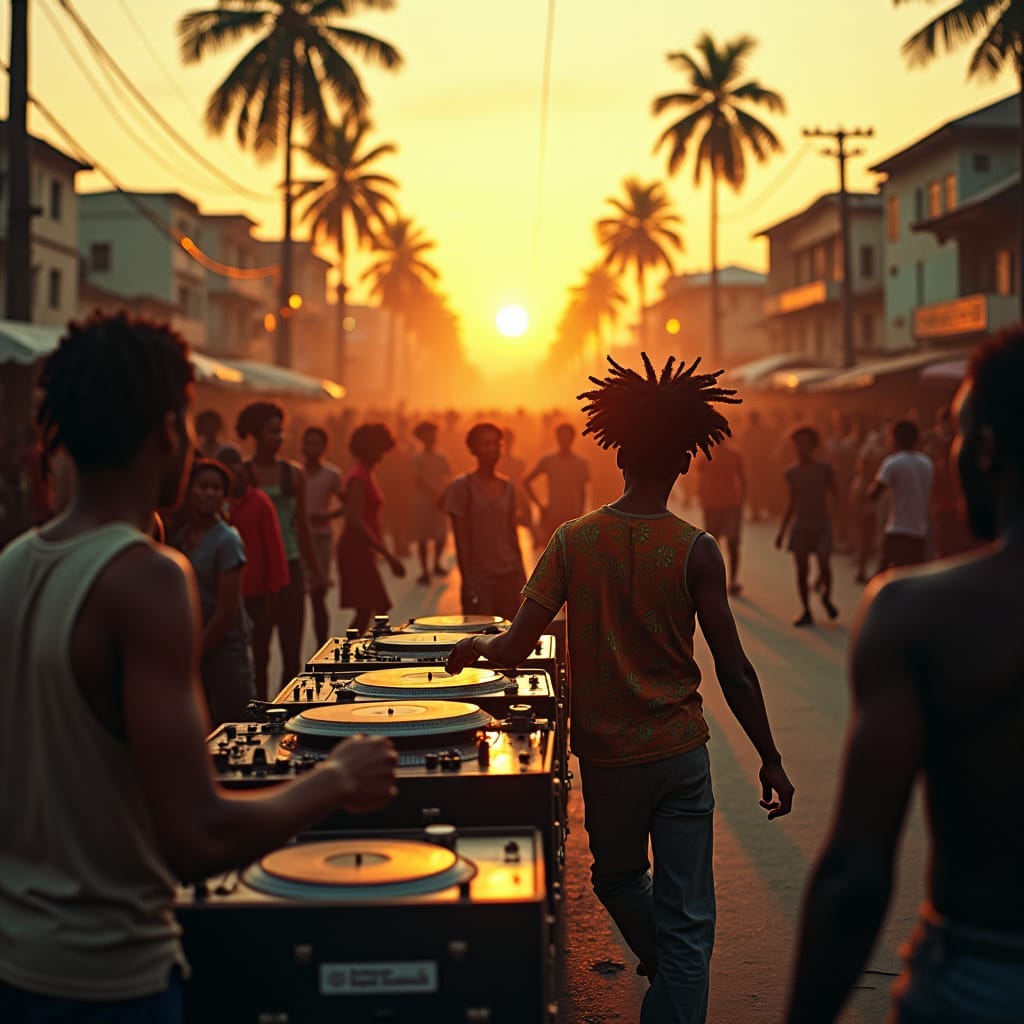
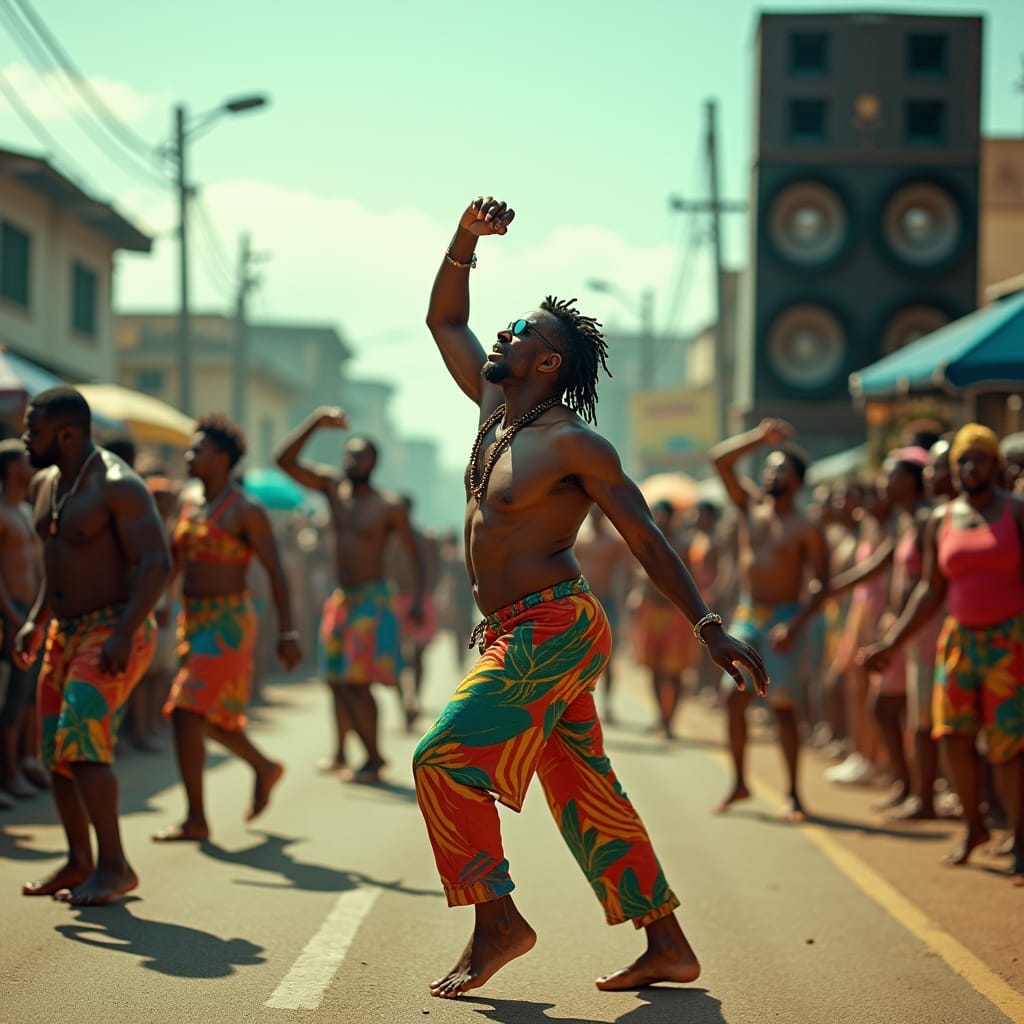

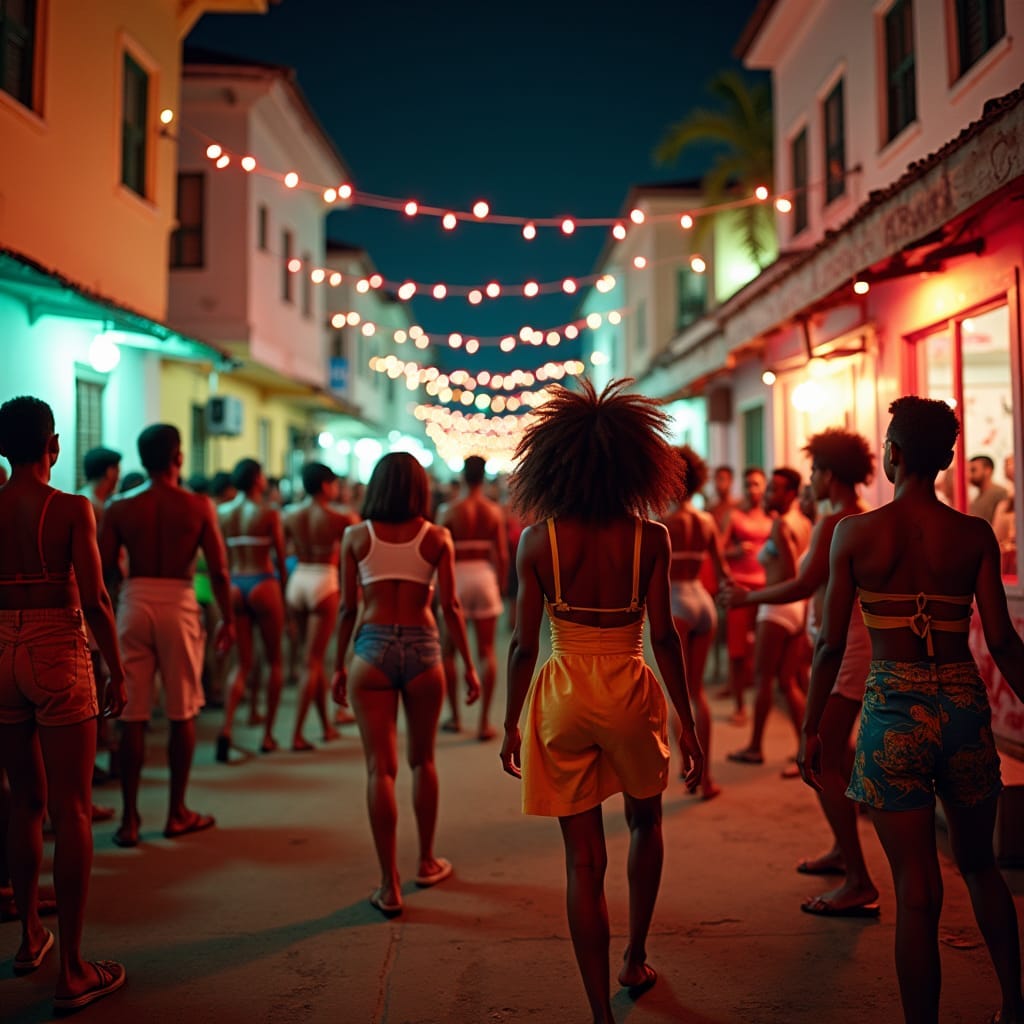
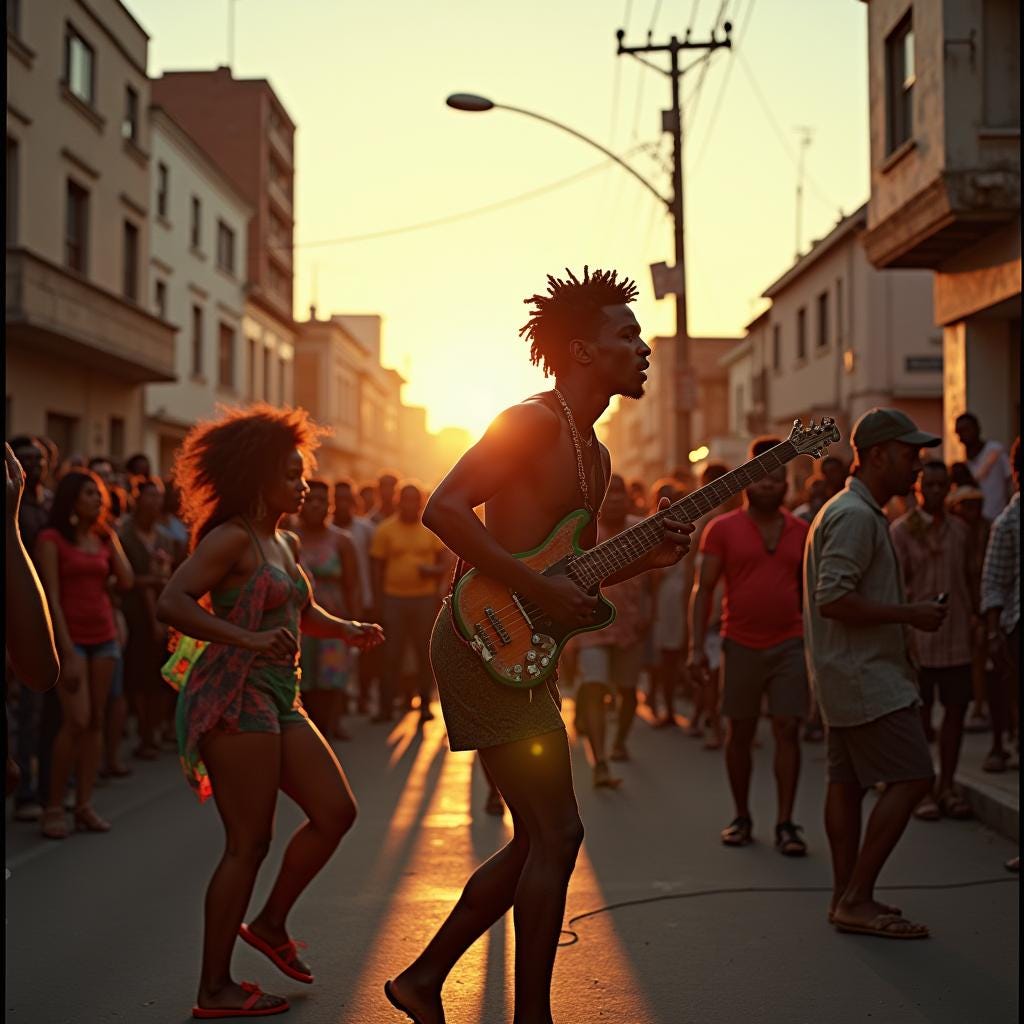
Jamaica’s global influence extends far beyond its stunning beaches and breathtaking landscapes—it’s the birthplace of reggae and dancehall music, genres that have shaped global music culture. From the pulsating rhythms of Bob Marley’s iconic reggae tunes to the raw, energetic beats of dancehall, the music of Jamaica speaks to the heart and soul of the island’s people. But alongside this vibrant music scene exists the reality of the inner-city ghettos, where both creativity and hardship often collide.
The Dancehall Scene in Jamaica’s Ghettos
Dancehall, the edgy and electric genre that evolved from reggae, reflects the daily realities, joys, and struggles of life in Jamaica’s urban communities. From the heart of Kingston’s ghettos, this music resonates with the youth, giving voice to their experiences, ambitions, and frustrations. Dancehall parties, or “street dances,” are a core part of life in these neighborhoods. Here, streets transform into open-air clubs, filled with flashing lights, massive speaker systems, and dancers showing off their latest moves in vibrant, daring outfits.
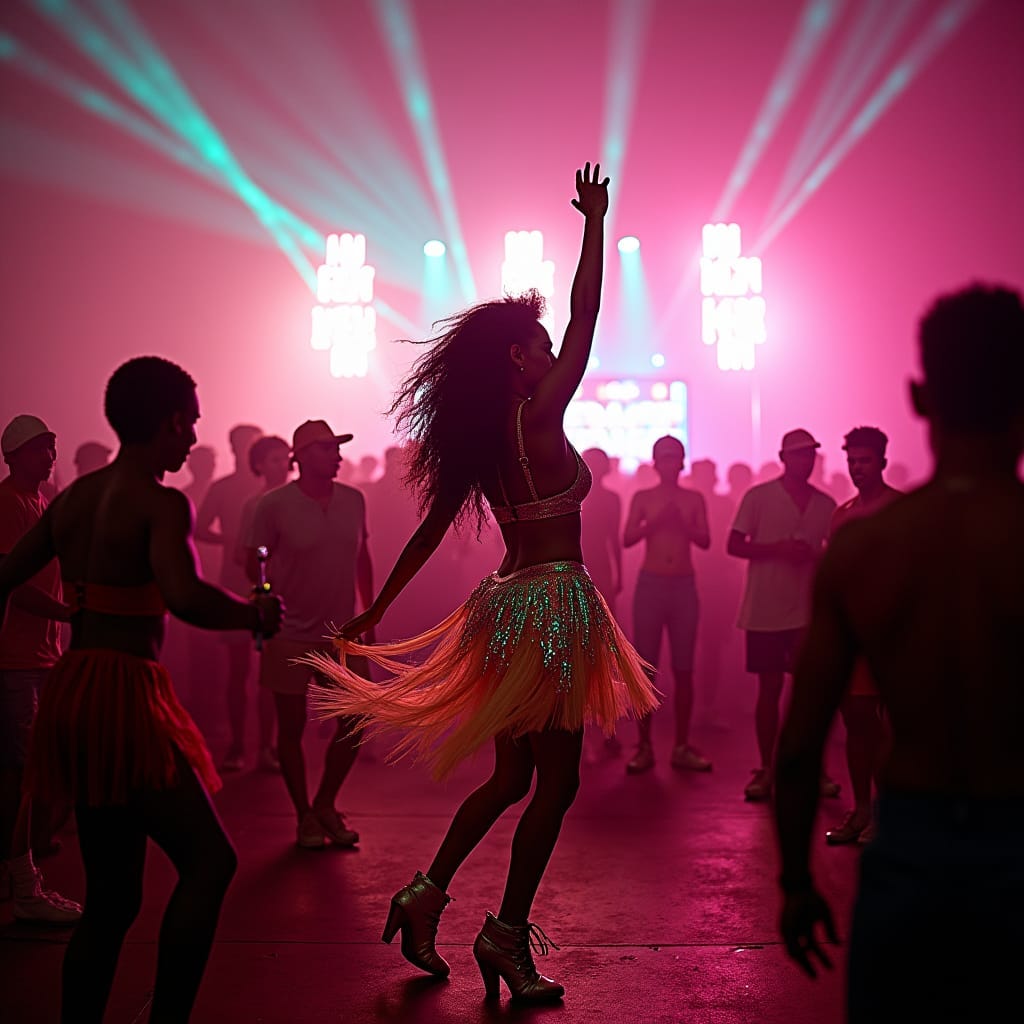
These parties are a testament to Jamaica’s spirit of resilience and celebration. In communities where poverty and violence are common, dancehall becomes a form of expression, a way to escape the pressures of everyday life, and an avenue to celebrate identity and culture. Attendees, dressed in flashy clothes—women often in batty riders and men in designer gear—flaunt their style as they dance to booming music that echoes through the night.
However, while the dancehall scene is full of life and cultural pride, it’s also deeply intertwined with the realities of Jamaica’s inner cities, where crime and violence can pose real dangers.
8. Jamaica’s Job Market

Challenges of Finding Well-Paid Jobs
Finding well-paid jobs as a foreigner can be difficult. While Jamaica’s economy is growing, well-paying positions are limited, and locals are often prioritized for such roles. Foreigners may face discrimination in terms of wage expectations or pricing for goods and services if they have a noticeable accent or are perceived to be wealthy. As Tony Rebel sings in his popular reggae track:
“Say what a nice place fi live, sweet Jamdown
The only problem is, dollars nah run
What a nice place fi live, sweet Jamdown
The only problem is, dollars nah run…”
These lyrics capture the reality many face in Jamaica—despite its beauty and vibrant culture, economic challenges and limited opportunities for high-paying jobs can be a struggle for both locals and foreigners.
Fields of Opportunity
In 2022, foreign direct investment (FDI) in Jamaica rose by nearly 13% to USD 360 million, driven largely by tourism, with 4.1 million visitors in 2023—a 23.7% increase from the previous year. Spain and Mexico were the main contributors, alongside investments in IT and agriculture.
Opportunities for expatriates are typically found in tourism, education, healthcare, and real estate. However, Jamaica is ripe for business if you have a good idea, the know-how, and sufficient capital. Entrepreneurs who are willing to invest in innovative ventures and adapt to the local culture and market demands can do well opening up shop in Jamaica. With the right approach, you can carve out your niche in sectors like tech, agriculture, manufacturing, or services, benefiting from the island’s growing economy and global connectivity.
9. Retiring in Jamaica
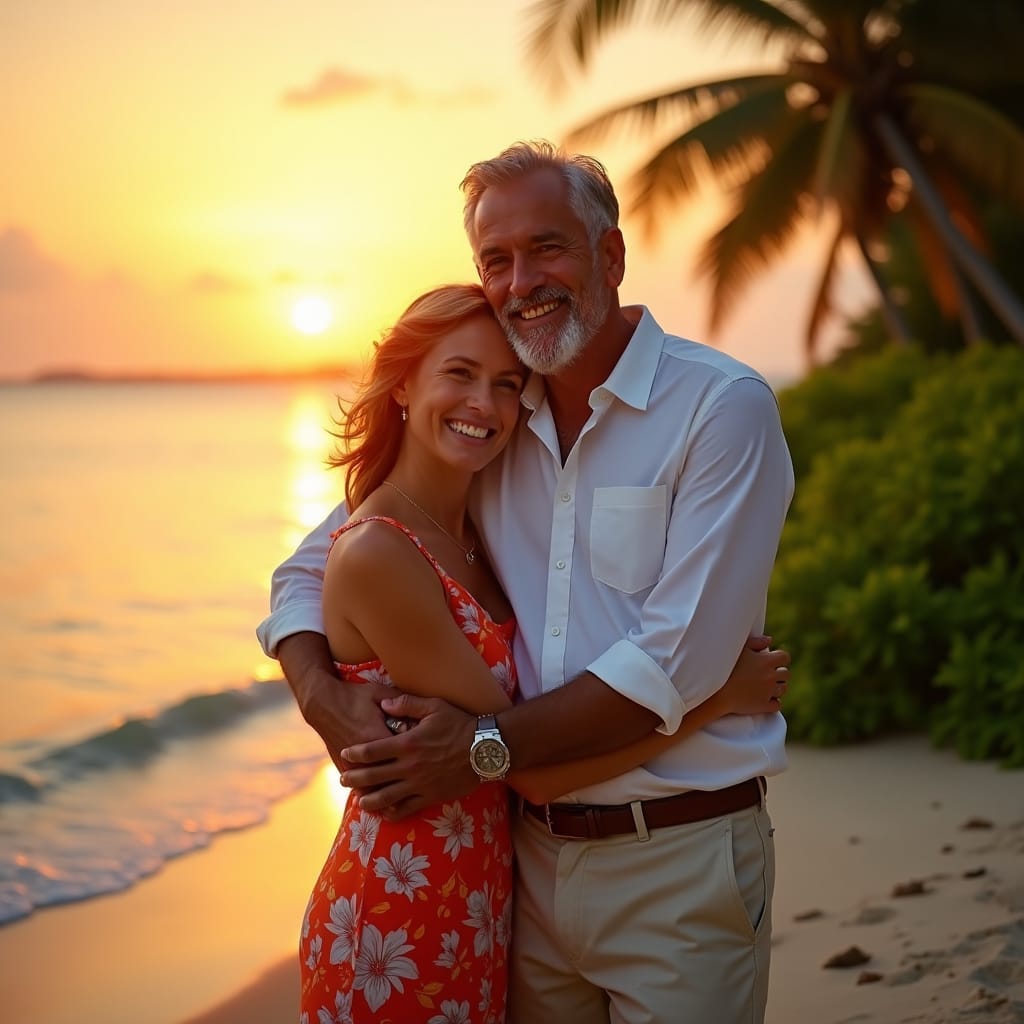
Jamaica is an excellent destination for retirees seeking a peaceful lifestyle, access to beautiful beaches, and a vibrant culture. However, healthcare, safety, and the slow pace of bureaucracy are considerations. Retiring in Jamaica can be more financially sustainable than moving there earlier in life, as retirees often have more flexible income sources like pensions or savings.
10. Navigating Jamaica’s Healthcare System

Public Healthcare
Public healthcare in Jamaica is accessible but often underfunded and overcrowded. Wait times can be long, and resources are sometimes limited. However, if you are not a national, you will need some form of health coverage. For returning residents may have difficulty accessing the free system. In some cases, doctors may suggest that you seek alternative solutions, especially if they believe you are accustomed to quicker service abroad. Jamaica has top doctors who are coveted around the world, but the public healthcare system is underfinanced, leading to delays and limitations.
Private Healthcare
Jamaica’s private healthcare sector offers high-quality services, including primary, diagnostic, and specialist care, though it comes at a higher cost than public healthcare. It caters mainly to international citizens and expats who can afford it. But it is advisable for expats and non-nationals to purchase health insurance to cover medical expenses, as it ensures quicker access to treatment and a higher standard of care. Notable providers include Baywest Wellness Hospital, offering COVID-19 testing, telemedicine, and medical tourism, and Jamaica Hospital Medical Center, the first Comprehensive Stroke Center in the country.
11. Things to Consider If You’re Not a Jamaican Citizen
Healthcare
Healthcare will never be free for non-citizens. Expats must purchase private insurance or pay out of pocket for medical care.
Visa and Residency
Non-Jamaicans will need to have passports and visas properly stamped and approved. Time limits on stays are also a factor, and extensions must be requested in advance.
To permanently live in Jamaica, you must be a citizen, permanent resident, or hold a work permit or exemption. Here’s a brief overview of the residency options:
Permanent Residency: Requires a valid passport, proof of financial stability, birth and marriage certificates (if applicable), a medical certificate from Jamaica, a police certificate from your previous country, proof of property/assets, a purpose letter, two reference letters from Jamaica, and processing fees. Applications take 3-6 months.
Economic Residence Visa: Requires an investment of at least $500,000 in an approved project, granting residency for up to five years.
Residency Through Marriage: If married to a Jamaican, you’ll need to register with the Ministry of National Security, submit marriage and citizenship proof, both passports, passport-sized photos, and a declaration of shared residence. Apply for an entry visa through the Jamaican High Commission.
12. How to Get There

Flying
Jamaica has three main international airports: Norman Manley in Kingston, Sangster in Montego Bay, and Ian Fleming near Ocho Rios. With the planned expansion of Ian Fleming International Airport, investing in property near Ocho Rios is becoming even more attractive due to improved accessibility.
Visa Requirements
To visit Jamaica, you’ll need a valid passport and must complete the digital C5 Immigration and Customs Form. Key requirements include:
Passport: Must be valid for at least six months beyond your departure date with one blank visa page.
C5 Form: Complete the form and present it upon arrival.
Proof of return: Show evidence of onward and return flights.
Proof of funds: Demonstrate sufficient funds for your stay.
Proof of purpose: Provide documents showing the reason for your trip, such as a business letter or invitation.
Proof of accommodation: Submit a hotel booking or an invitation from a host.
Most visitors can stay in Jamaica without a visa for up to 90 days, but confirm this with your airline. Longer-term residents will need to apply for visas or work permits. For health, vaccines such as tetanus, diphtheria, hepatitis A, and B are recommended.
13. The Best Time to Visit Jamaica
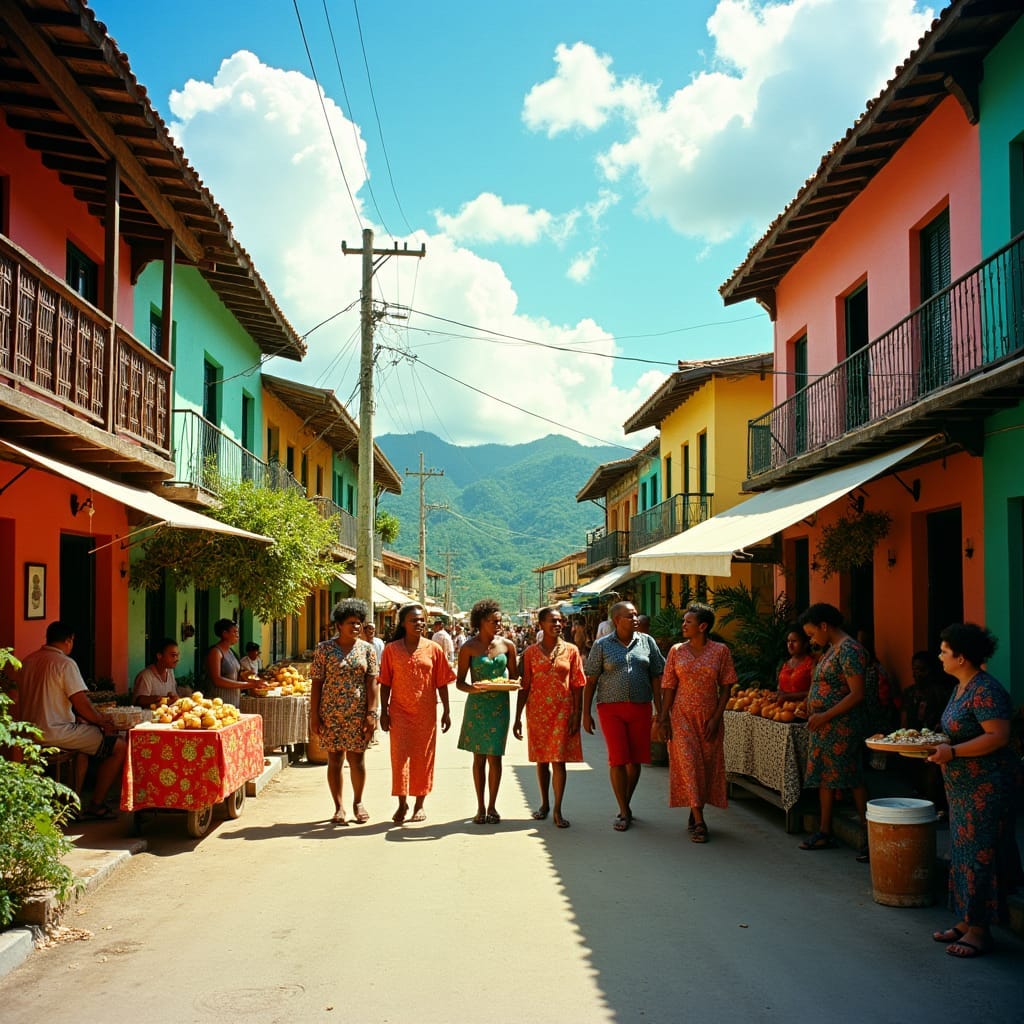
The best time to visit or move to Jamaica is between November and June, when the weather is sunny and dry. Hurricane season runs from August to November, with September being the rainiest month. Moving during the off-season might offer lower housing costs but could present more logistical challenges due to weather.
14. Getting Around Jamaica
Car Rentals
Renting a car is a popular way to explore Jamaica, but be mindful of road conditions outside of main towns, as they can be rough and full of potholes.
Public Transportation
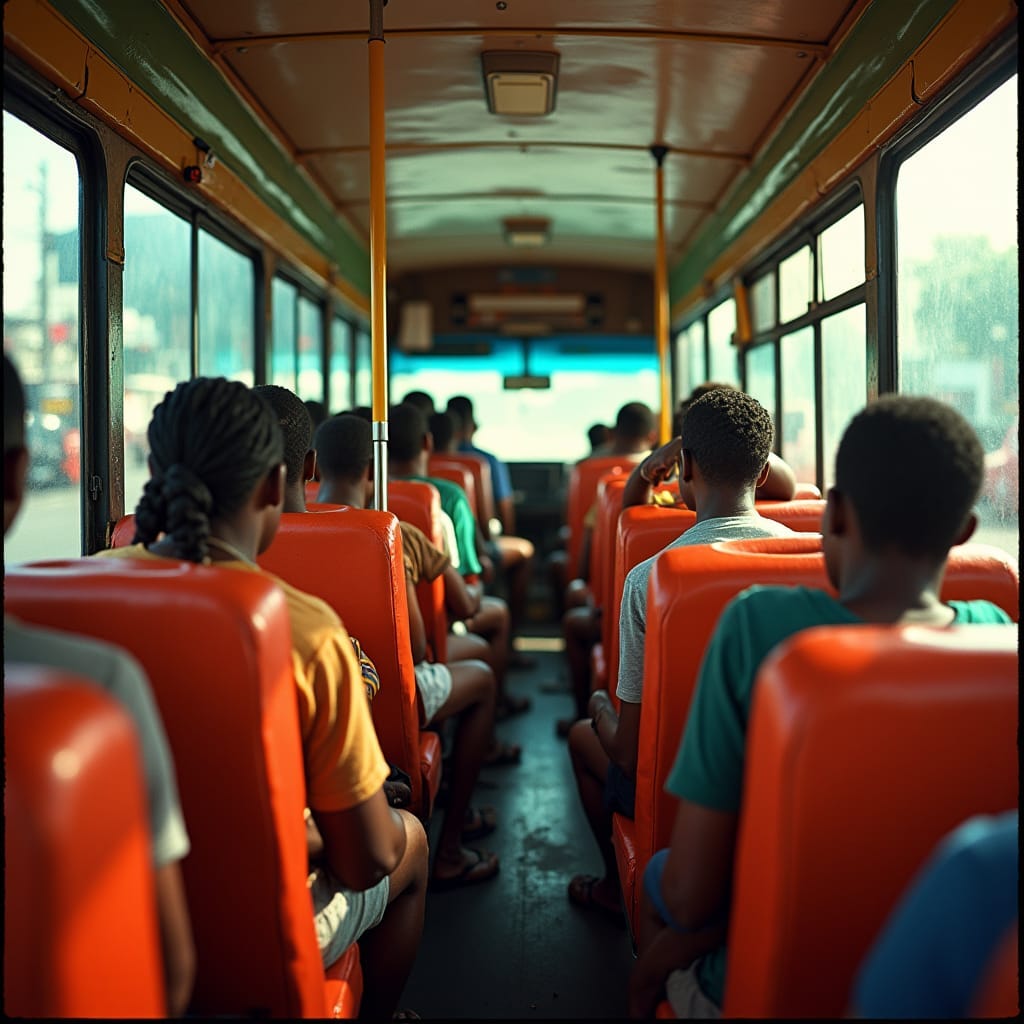
Knutsford Express is a reliable bus service that links major towns, while minibuses and shared taxis offer more budget-friendly options for shorter distances.
15. Local Customs and Tips for Life in Jamaica

Language
The official language is English, but Jamaican Patois is widely spoken. Learning a few key phrases can help you blend in.
Here are a couple of popular Jamaican Patois sayings and phrases that can help you blend in:
“Wah Gwaan?” – This is a common greeting meaning “What’s going on?” or “How are you?”
Response: “Mi deh yah” – Meaning “I’m here” or “I’m doing well.”
“Small up yuhself” – This phrase is used when asking someone to make space or move over, meaning “squeeze in” or “make room.”
“Irie” – This word means “good” or “everything is alright” and is often used to express positive feelings.
“Mi soon come” – While it literally translates to “I’ll be back soon,” it’s often used to mean “I’ll be back, but not right away.”
These phrases are widely used in casual conversations, and knowing a few will help you connect with locals and navigate daily interactions more comfortably.
Tipping
Tipping is not obligatory but appreciated. Standard tips range from 10-15% for good service.
Driving on the Left
Remember that Jamaicans drive on the left side of the road, which can be an adjustment if you’re coming from a country that drives on the right.
Moving to Jamaica Guides
What Makes St. Mary a Prime Destination for Real Estate Investment?
Should I Ship to Jamaica? An In-Depth Guide to Shipping Decisions
What Are the Most Popular Places for Americans to Live in Jamaica?
Upon relocating to Jamaica, what steps should I take upon arrival?
What safety precautions would you recommend as I prepare for my relocation to Jamaica?
What does “unconditional landing” signify in Jamaica’s context?
What is the duration of stay permitted for individuals without citizenship in Jamaica?
Is it possible for me to remain in Jamaica if I marry a Jamaican?
How long does it take to get permanent residency in Jamaica?
What documents are considered proof of residence in Jamaica?
What advice would you give to someone who is moving to Jamaica?
What Are the Essential Considerations When Shipping to Jamaica?
Does the Jamaican Government Truly Appreciate the Contributions of Returnees?
Conclusion
Moving to Jamaica is an exciting adventure filled with cultural richness, beautiful landscapes, and the chance to live a more relaxed lifestyle. However, it also comes with its challenges. From navigating the job market and real estate to understanding healthcare and local customs, this guide aims to prepare you for all aspects of life on the island. With careful planning and an open mind, Jamaica can become your perfect home away from home.
General Disclaimer: The information provided in this article is for general guidance and informational purposes only. Shipping costs, customs duties, and taxes mentioned may vary depending on individual circumstances, shipping providers, international laws, and the specific contents of your container. Additionally, the details related to moving, buying property, or living in Jamaica are subject to change due to local regulations, market conditions, and other factors. Always consult with professionals, such as real estate agents, legal advisors, and shipping companies, to receive accurate, up-to-date, and personalized advice tailored to your needs.