


In Jamaica, the roof styles used on homes are influenced by the tropical climate, traditional designs, and modern trends. Popular types include gable, hip, and flat roofs, with newer options like slab roofs gaining traction for their durability and ability to support solar panels. Each roof type offers distinct benefits, whether it’s cooling, weather resistance, or aesthetic appeal. Selecting the right roof plays a crucial role in the functionality and appearance of Jamaican homes.
Here’s a list of some popular roof types in Jamaica, along with descriptions, including the newer slab roofs that are gaining popularity:
1. Gable Roof
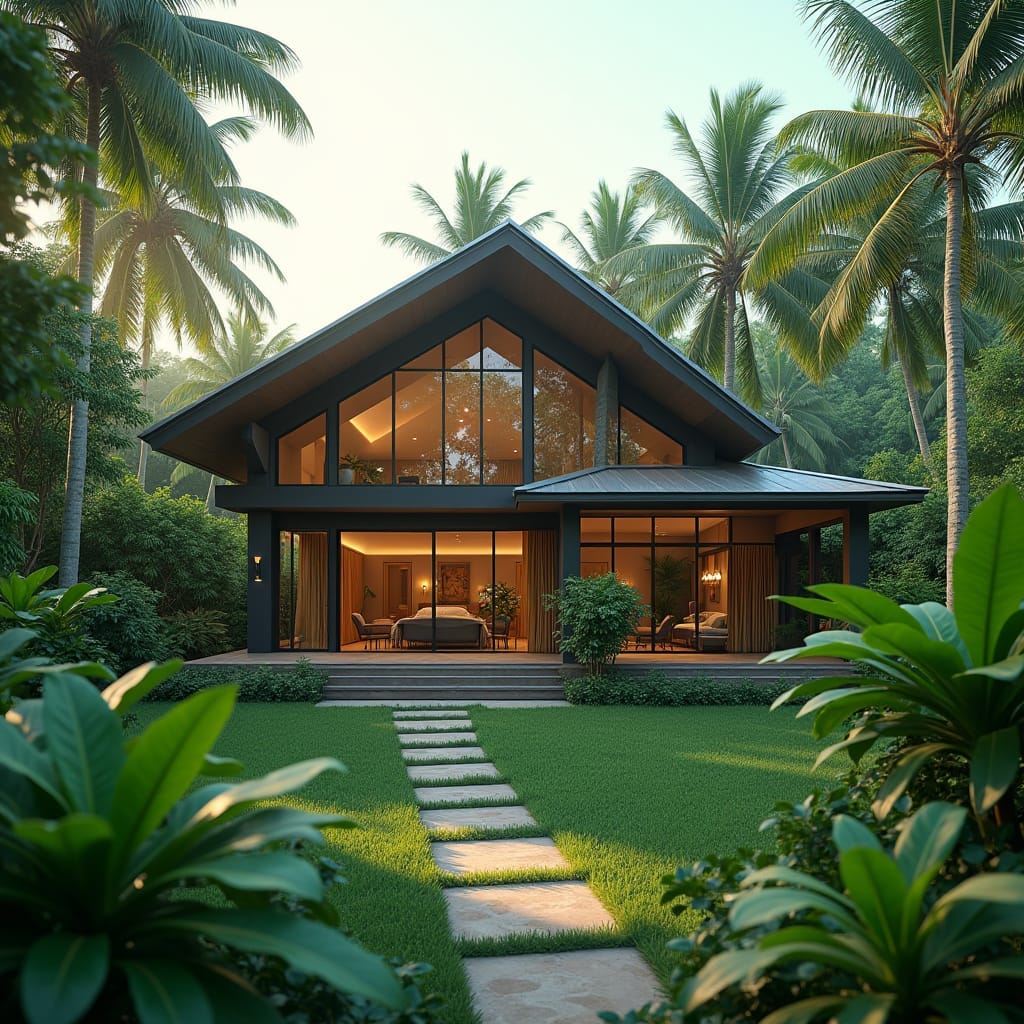
Description: A classic, triangular-shaped roof with two sloping sides that meet at a ridge. It is one of the most common types of roofing, ideal for shedding water and easy to build.
Benefits: Gable roofs are cost-effective and allow for good ventilation, which is important in Jamaica’s tropical climate.
Common Use: Widely seen in both rural and urban homes across Jamaica.
2. Hip Roof
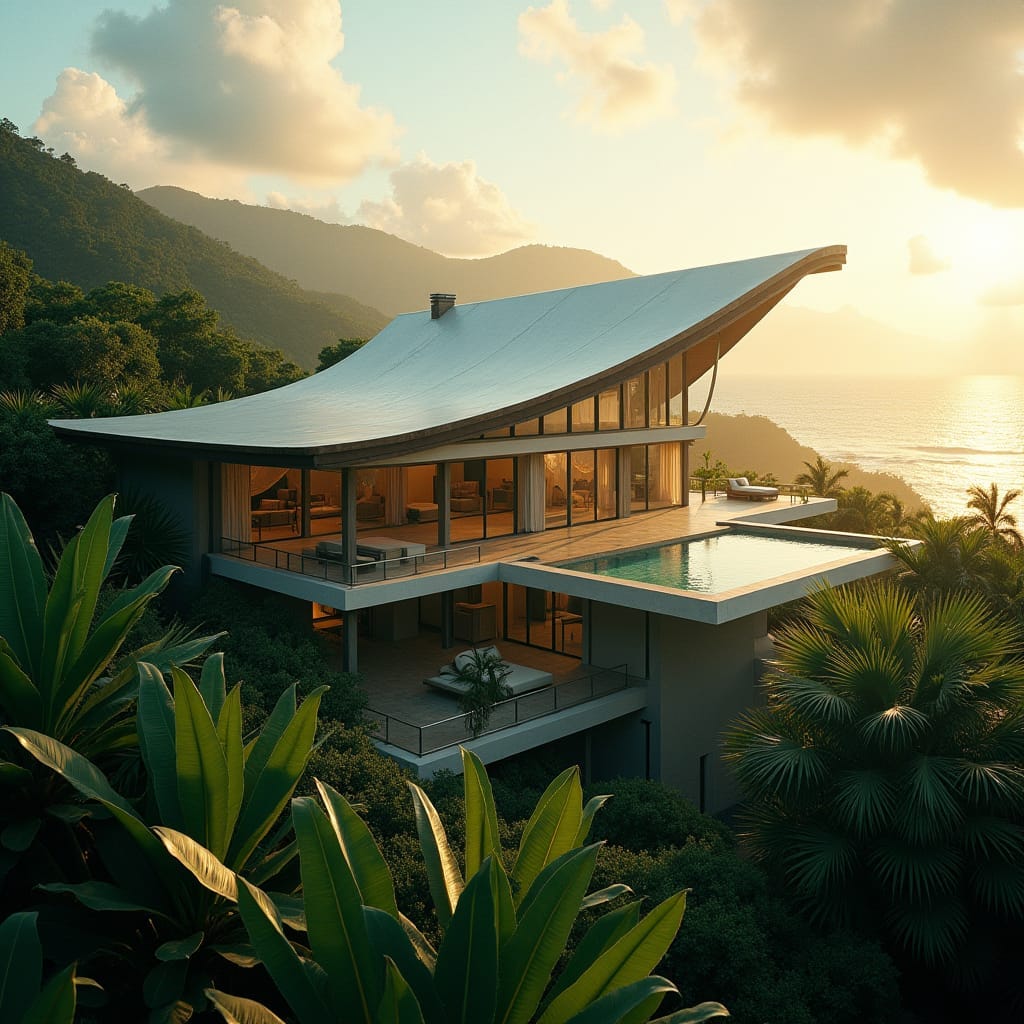
Description: All four sides of the roof slope downwards to the walls. This design makes it more stable and resilient to high winds.
Benefits: Ideal for areas prone to hurricanes, like Jamaica. Hip roofs offer better protection against storms compared to gable roofs.
Common Use: Popular in regions like Jamaica where tropical storms are a concern.
3. Shed Roof (Lean-to Roof)
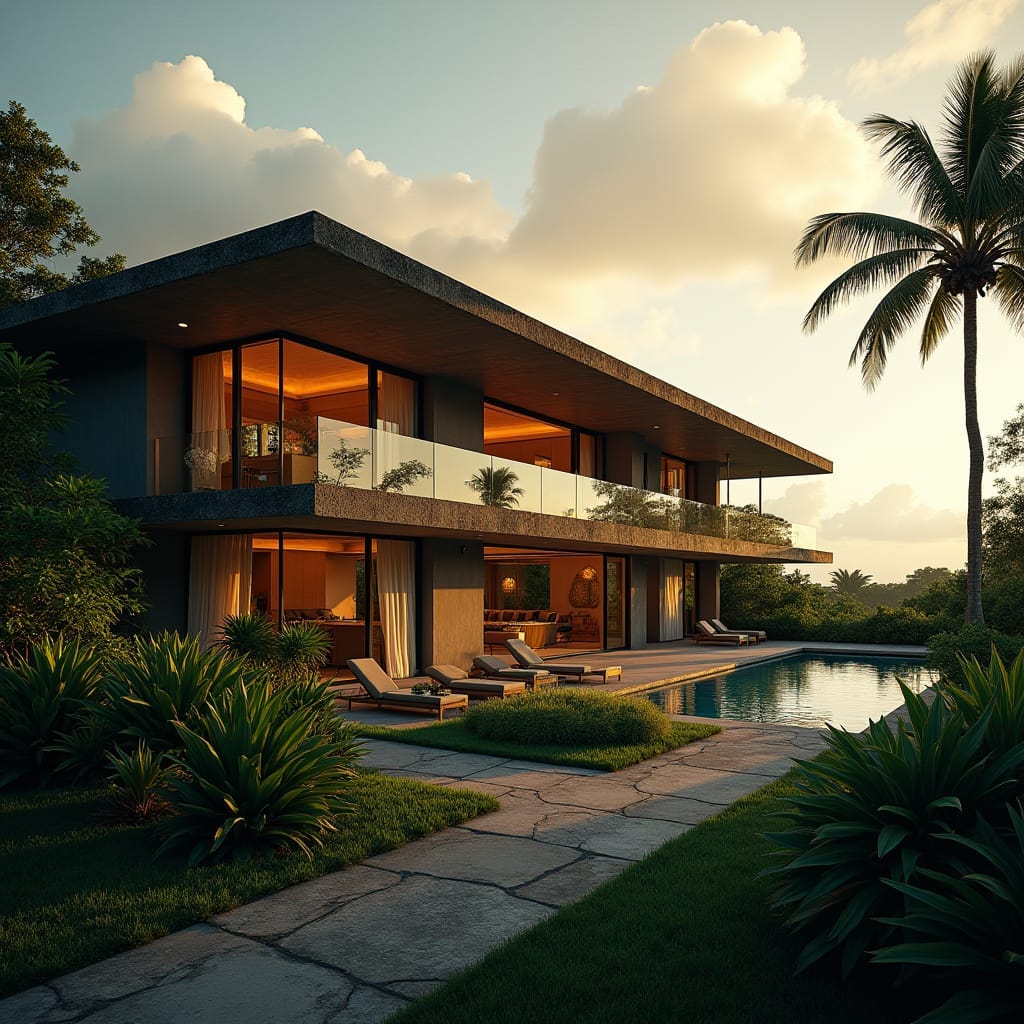
Description: A single-sloped roof that’s common for smaller structures or extensions of existing buildings. It’s simple and effective at draining rainwater.
Benefits: Affordable and easy to construct. Its slanted design allows for effective water drainage.
Common Use: Often used for extensions, verandas, or smaller residential structures.
4. Flat Roof
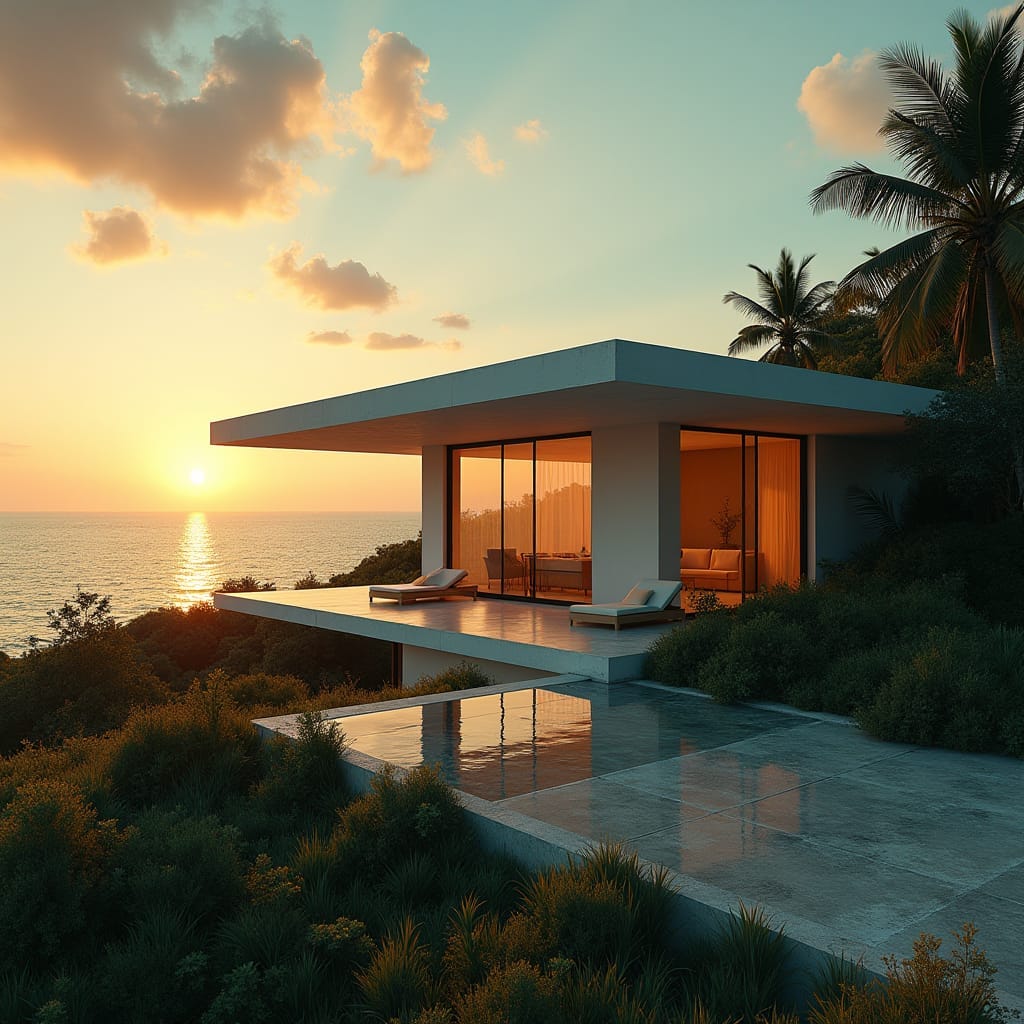
Description: A roof that is almost level but slightly sloped for drainage. Flat roofs in Jamaica are often covered with waterproof materials to handle heavy rainfall.
Benefits: Flat roofs provide additional outdoor living space, which is great for homes where space is limited.
Common Use: Seen in modern homes and urban settings where roof decks or patios are desired.
5. Slab Roof (Concrete Slab Roof)
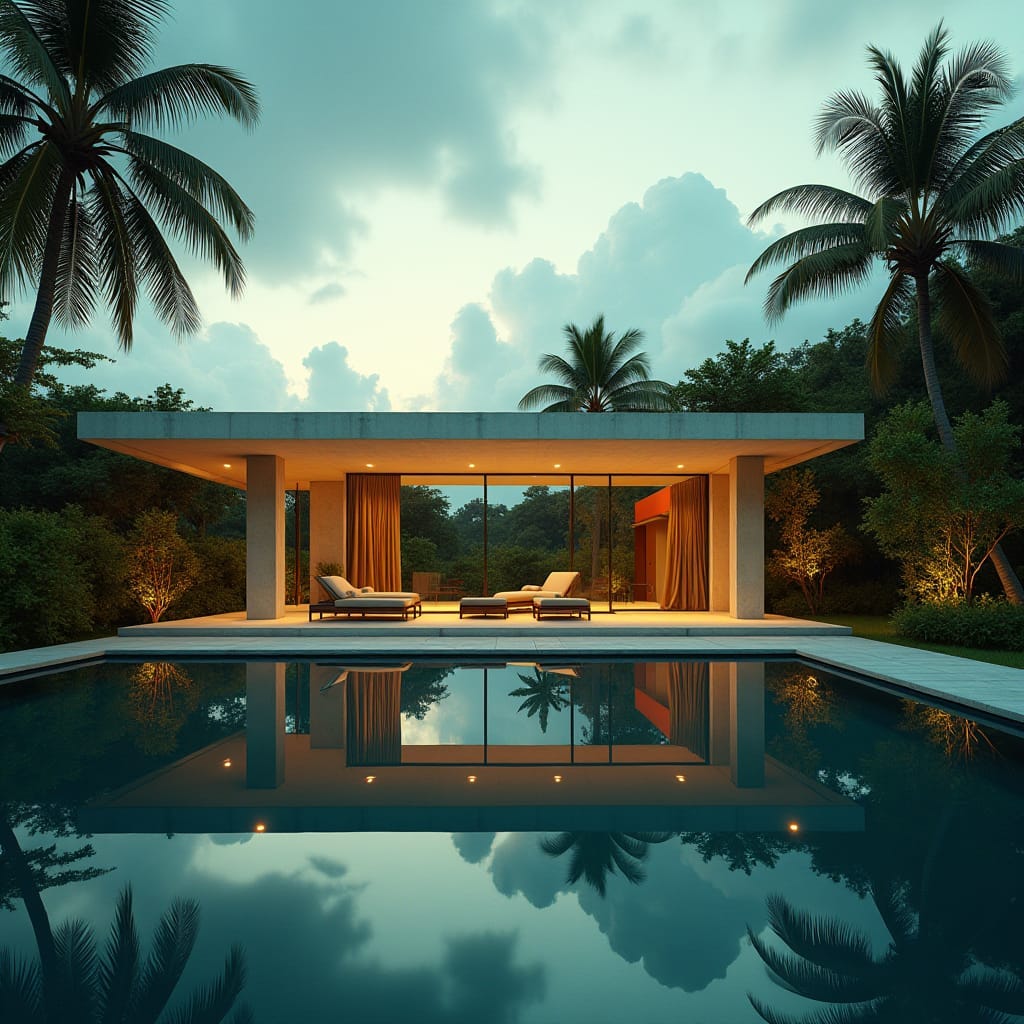
Description: A newer trend in Jamaican architecture, this roof type consists of a solid concrete slab used as a flat or slightly sloped roof. It is very durable and long-lasting.
Benefits: Slab roofs offer strong protection against hurricanes and extreme weather conditions. They can also provide an additional level of living space, such as a rooftop patio.
Common Use: Becoming increasingly popular in urban areas or upscale housing developments, especially for those desiring modern, durable homes.
6. Mansard Roof
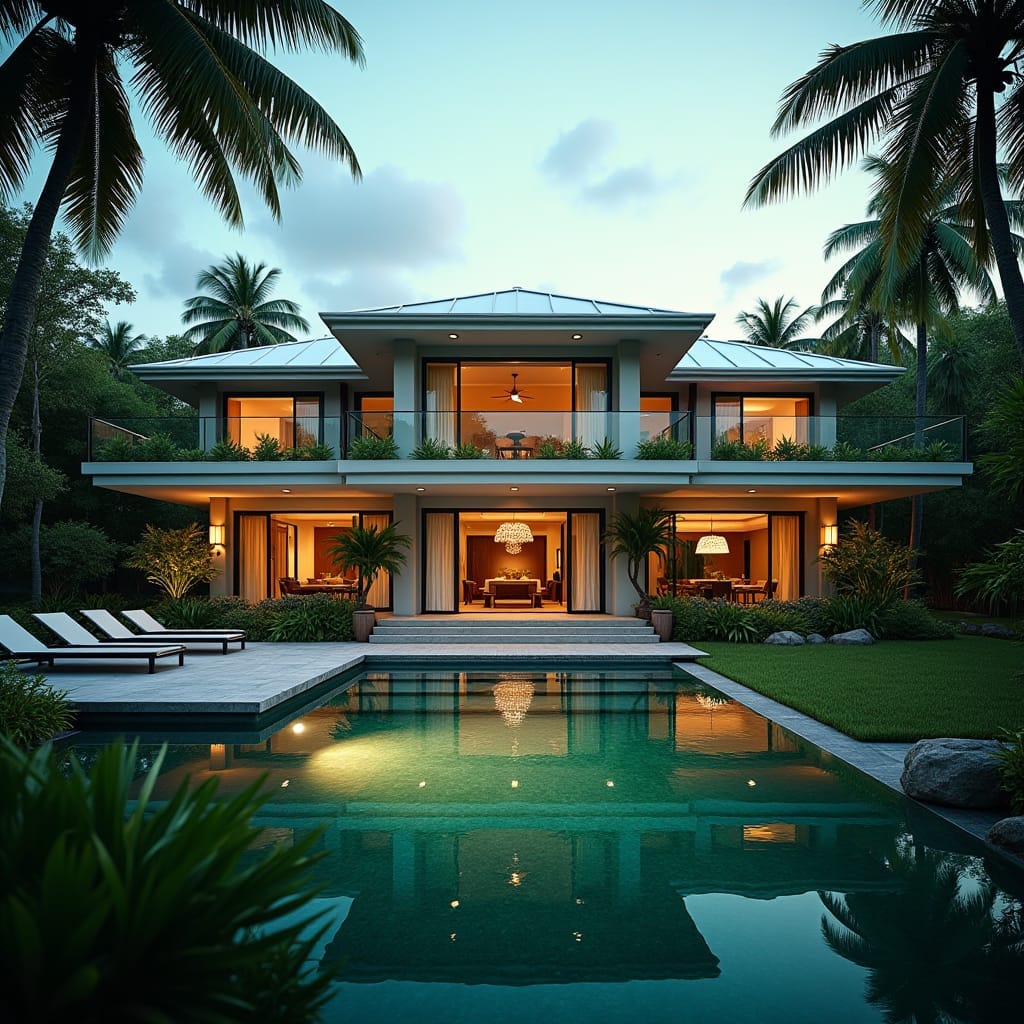
Description: A four-sided roof with two slopes on each side – the lower slope being steeper than the upper one. The mansard roof offers extra attic or living space.
Benefits: Allows for more living space or storage under the roof, making it practical for adding extra rooms without expanding the home’s footprint.
Common Use: Used in luxury homes or homes with a European-inspired architectural style.
7. Dutch Gable Roof
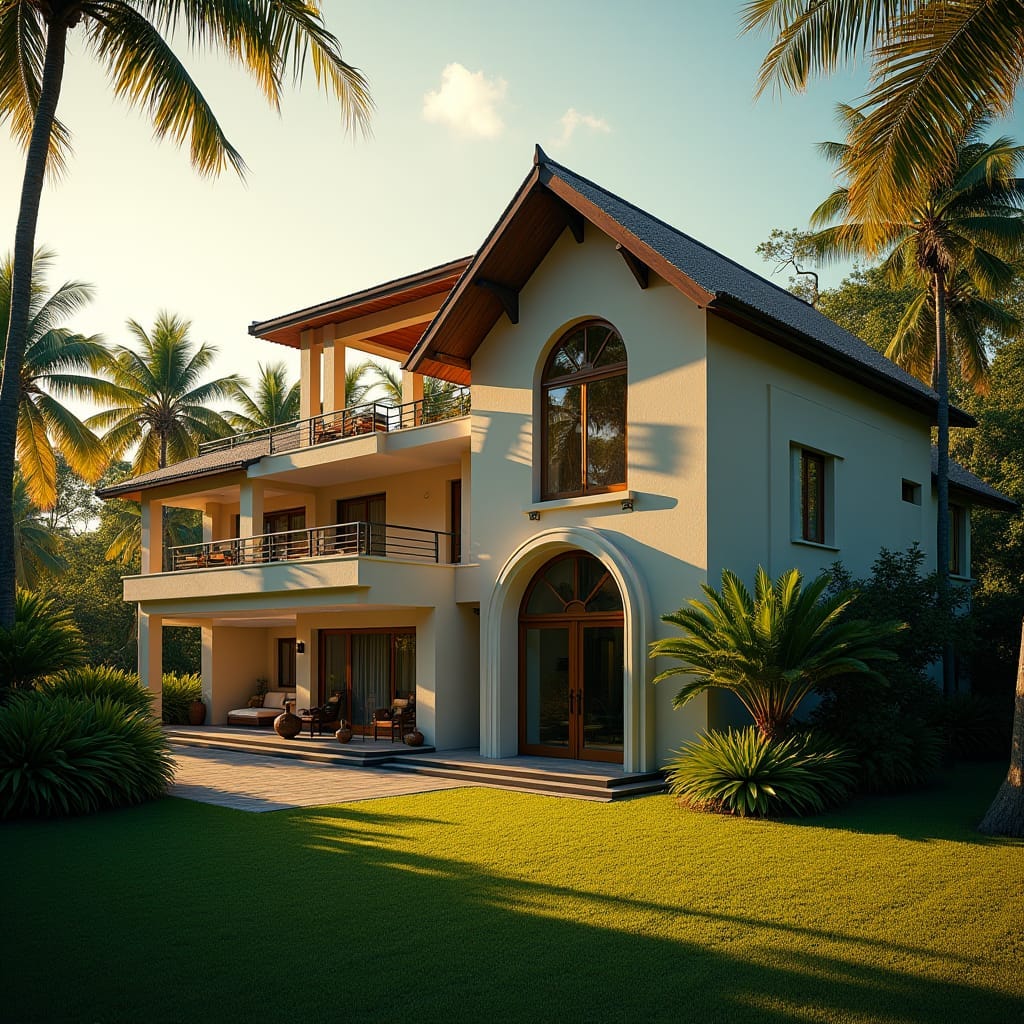
Description: A combination of the gable and hip roof designs. The top part is a gable, and the bottom part is a hip roof.
Benefits: Provides more attic space while offering good wind resistance. It combines the aesthetic appeal of a gable roof with the structural stability of a hip roof.
Common Use: Seen in both traditional and modern residential homes in Jamaica.
8. Bonnet Roof
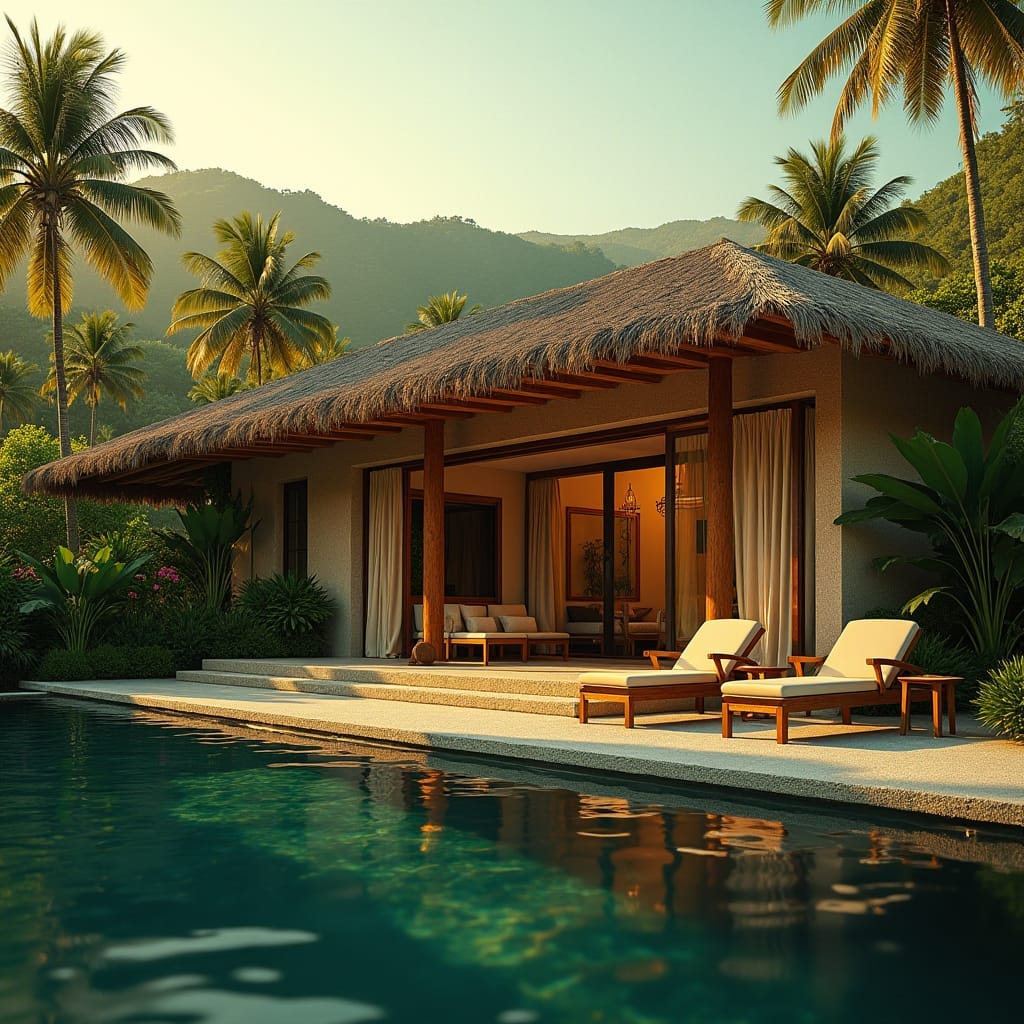
Description: A variation of the hip roof, with a lower angle at the eaves to create a porch-like structure. The roof extends over the veranda, which is common in tropical climates.
Benefits: Offers good shelter for verandas, shading, and protection from heavy rains.
Common Use: Seen in rural homes or vacation homes with wide verandas, particularly in coastal areas.
9. Gambrel Roof
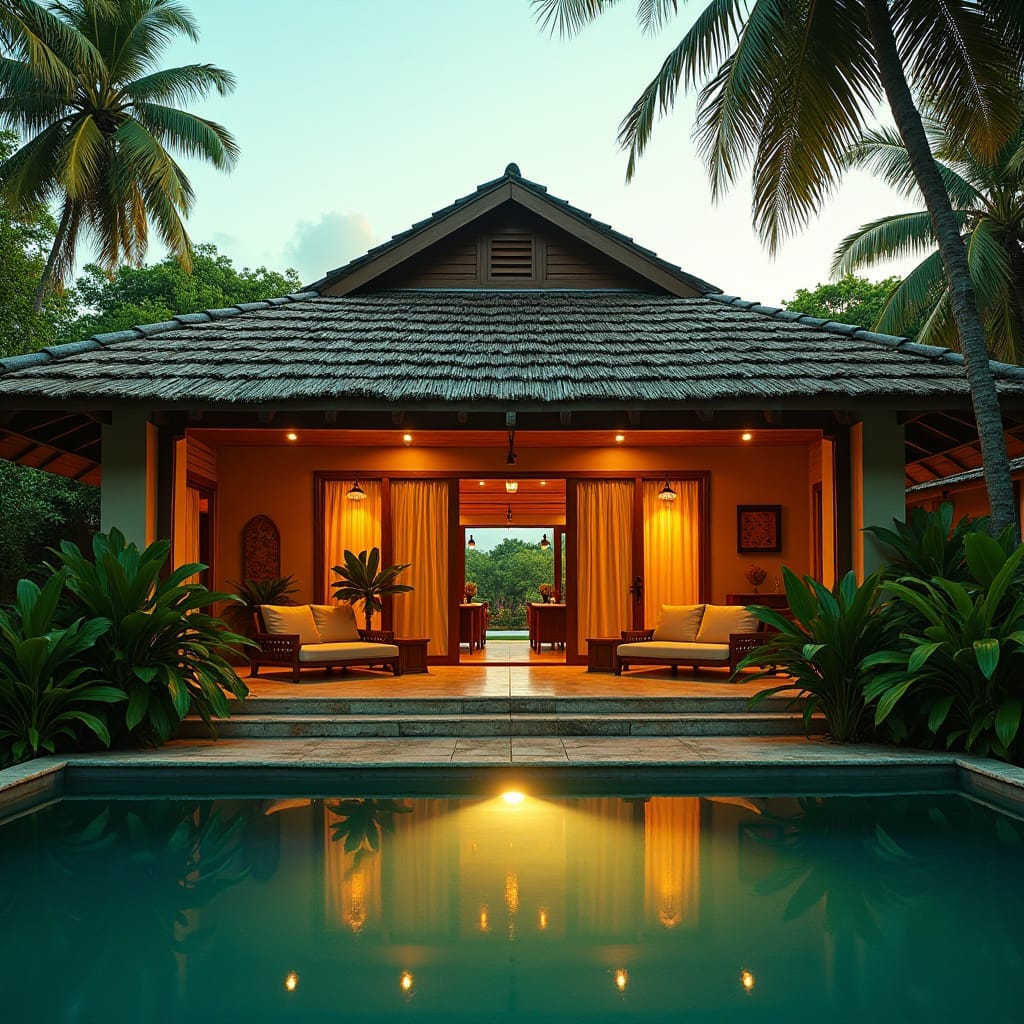
Description: Similar to the mansard roof, but the slopes are more pronounced, creating a barn-like appearance. It provides maximum attic space.
Benefits: Provides more living or storage space, which is useful in homes with limited floor space.
Common Use: Less common, but seen occasionally in more rural or traditional homes in Jamaica.
10. Thatched Roof
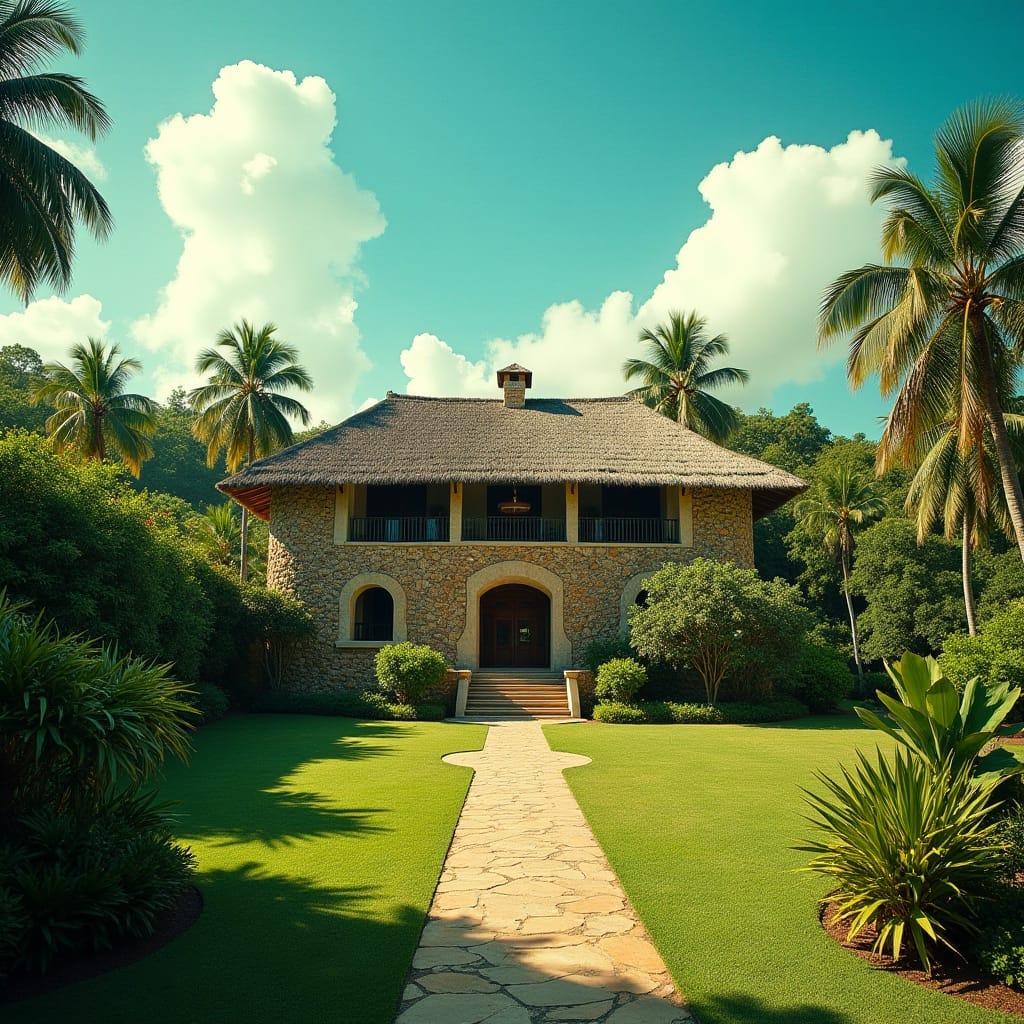
Description: Traditionally made from dry vegetation such as straw, reed, or palm leaves. Thatched roofs were once common but are now rare, except in specific eco-tourism accommodations.
Benefits: Natural, eco-friendly, and offers good insulation.
Common Use: Mainly seen in eco-resorts or traditional-style cottages, particularly in rural or tourist-heavy areas.
11. Butterfly Roof
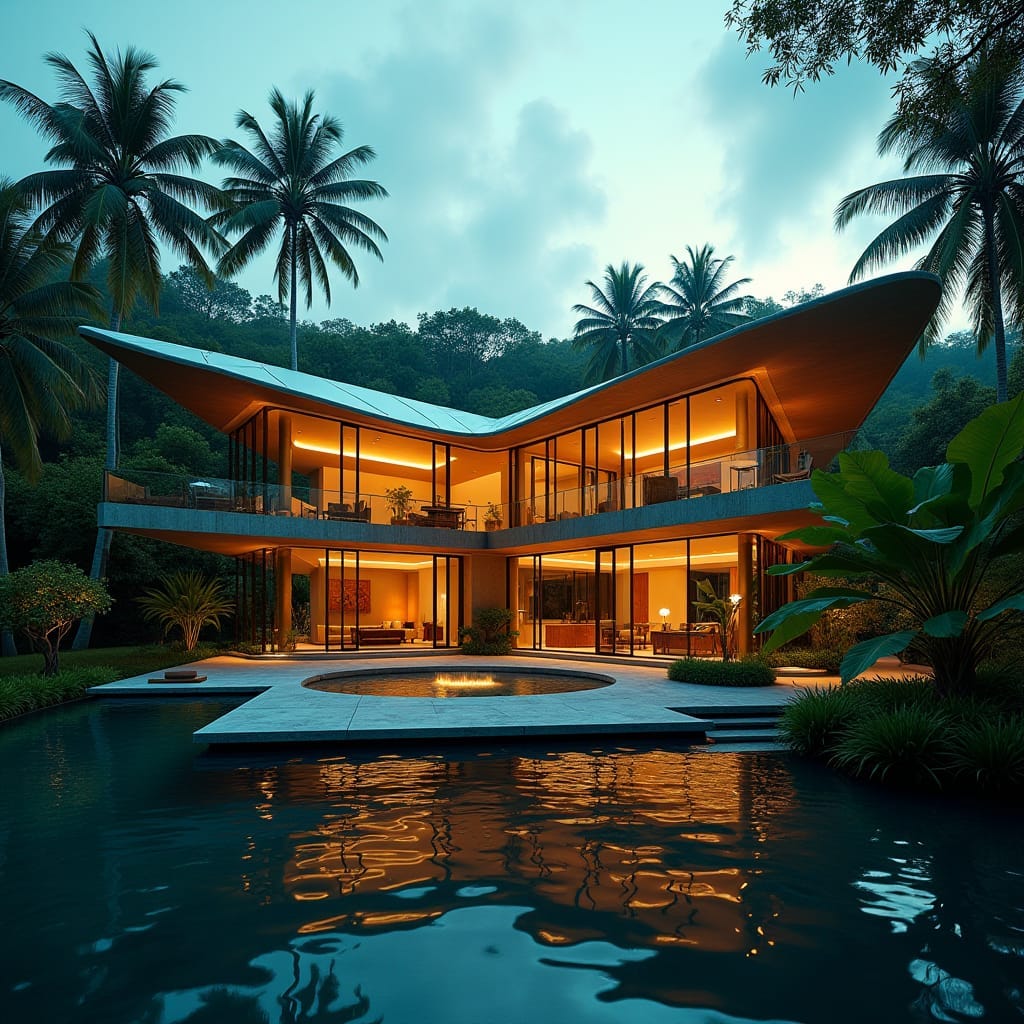
Butterfly Roof: This V-shaped roof is less common but is admired for its modern aesthetic. The roof dips in the middle, resembling butterfly wings, and allows for great rainwater collection.
12. Salbox Roof
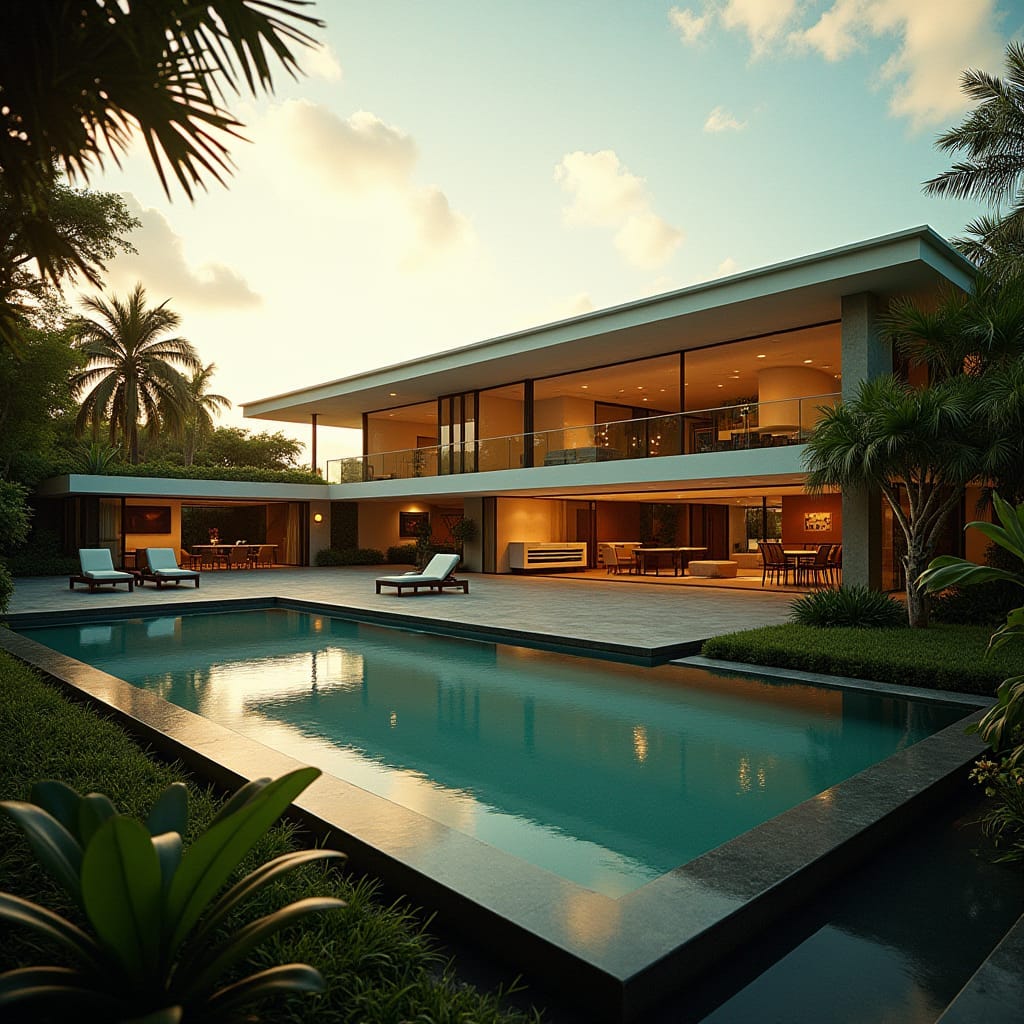
Saltbox Roof: Found in some older homes, this roof style has a long, sloped back and a shorter front, resembling a colonial style. It provides extra space and is ideal for homes built on hills or sloped terrain.
13. Green Roof
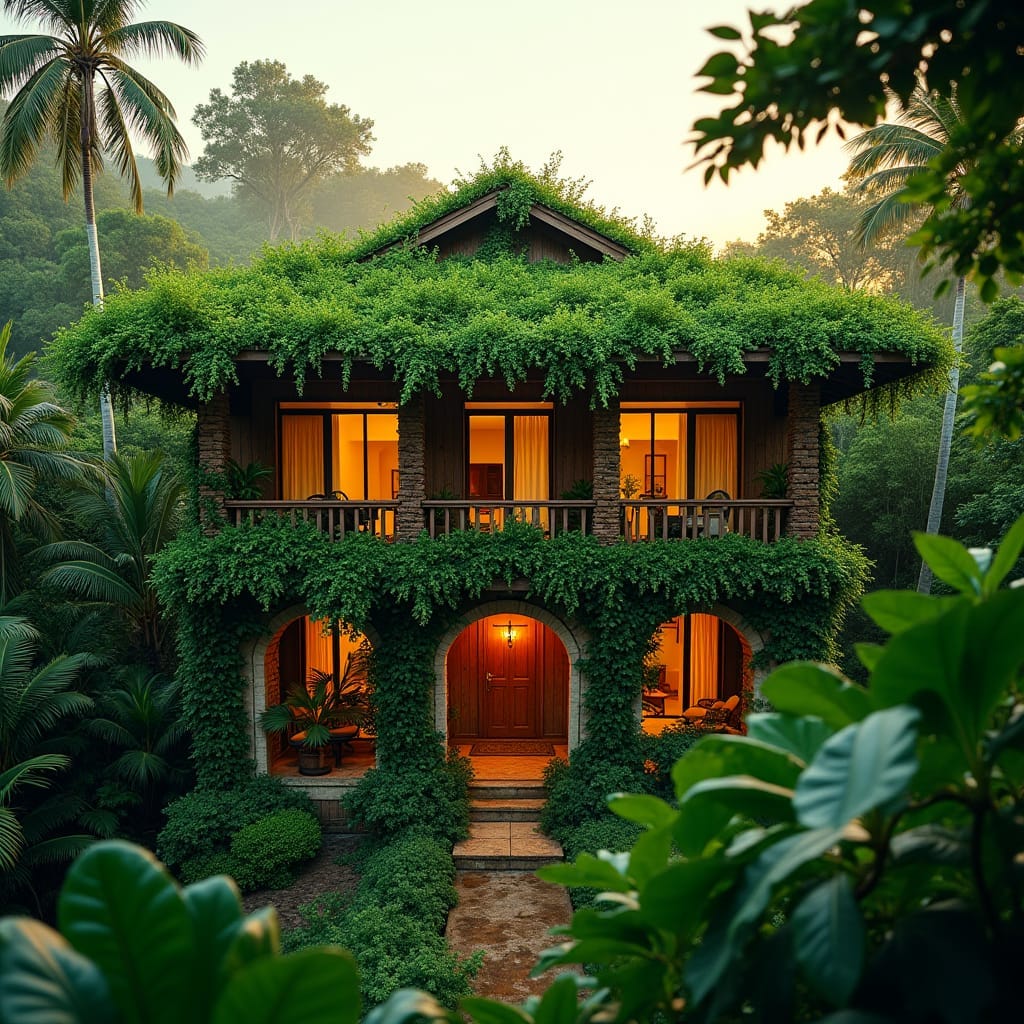
Green Roof: Also known as a living roof, this eco-friendly design incorporates plants and greenery on the roof surface. While rare in Jamaica, green roofs are gaining interest in sustainable architecture and can provide insulation and a beautiful visual appeal.
Barrel-Vaulted Roof
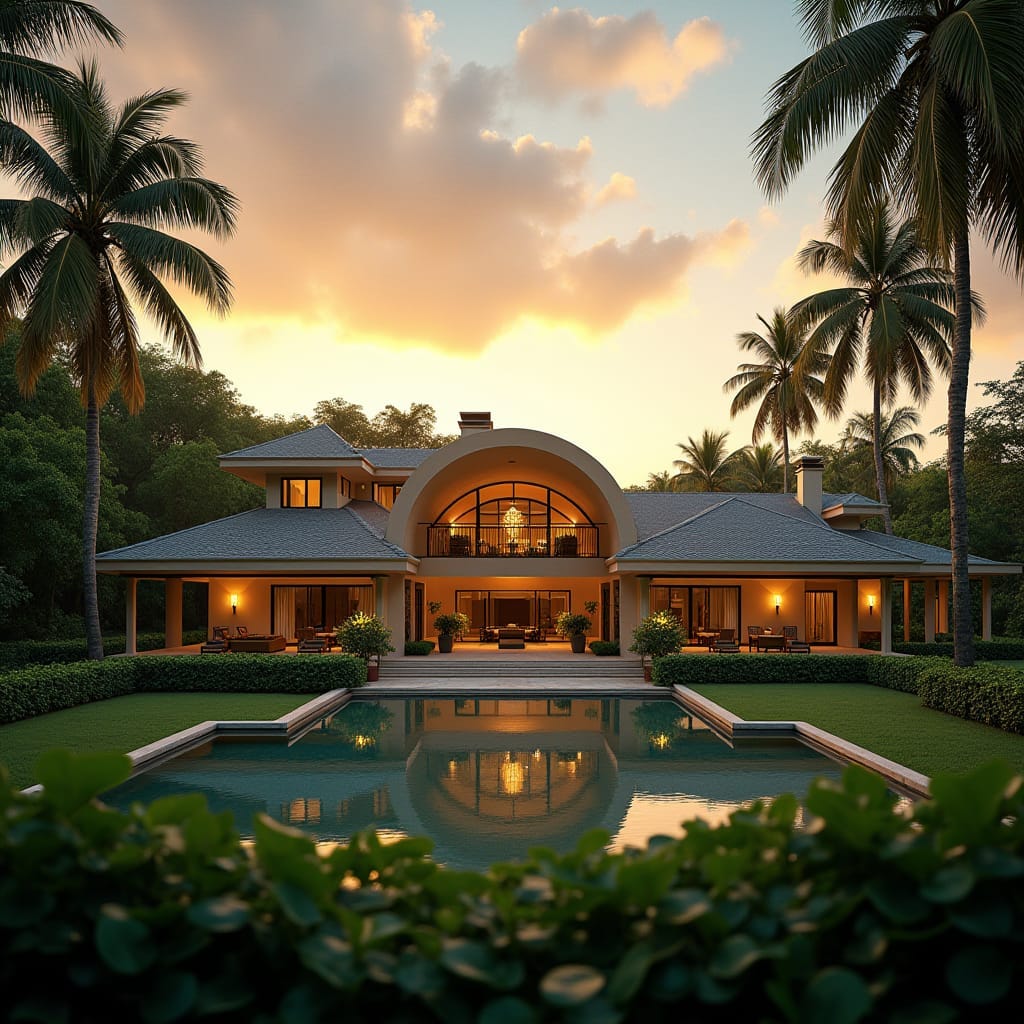
In Jamaica, barrel-vaulted roofs are less common but can be found in modern and industrial-style architecture. This roof style features a curved, elongated shape that looks like a barrel cut lengthwise in half. Barrel-vaulted roofs are ideal for covering long, rectangular structures such as warehouses, churches, or large commercial buildings, providing an open and airy interior. Unlike dome roofs, they offer the advantage of spanning longer buildings while maintaining a unique, eye-catching design. Their curved form also helps with natural light distribution and adds an element of contemporary flair to Jamaican architecture.
Bell Roof
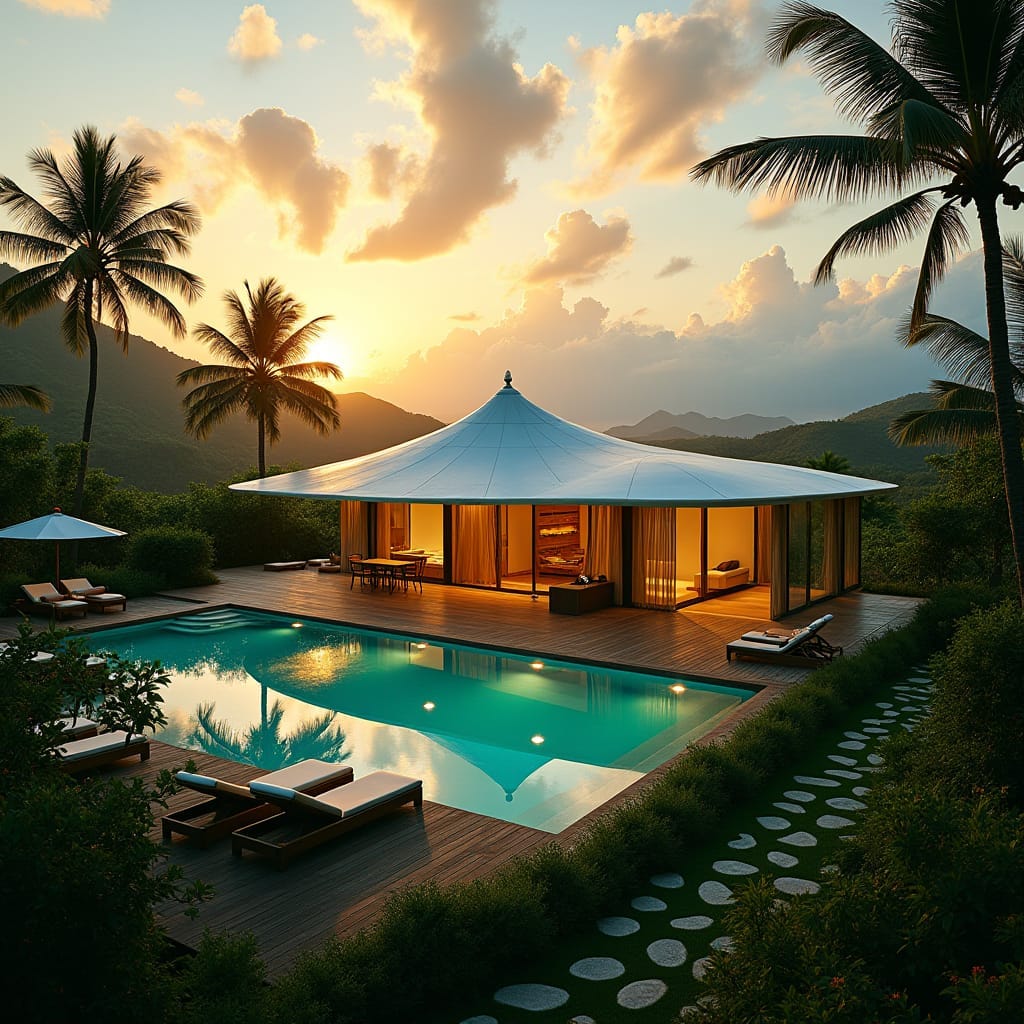
In Jamaica, bell roofs are a rare yet distinct architectural feature. Shaped like a bell, these roofs often appear on vintage or historical buildings such as churches, schools, and colonial-era homes. Their curved, flaring design can be round, square, or multi-sided, evoking a sense of tradition and elegance. Bell roofs are often seen on structures that reflect classic styles like Victorian, Queen Anne, and Edwardian homes. Though uncommon in residential architecture in Jamaica today, bell roofs remain a symbol of historical preservation and are admired for their unique aesthetic and ability to stand out in Jamaica’s architectural landscape.
Combination Roof
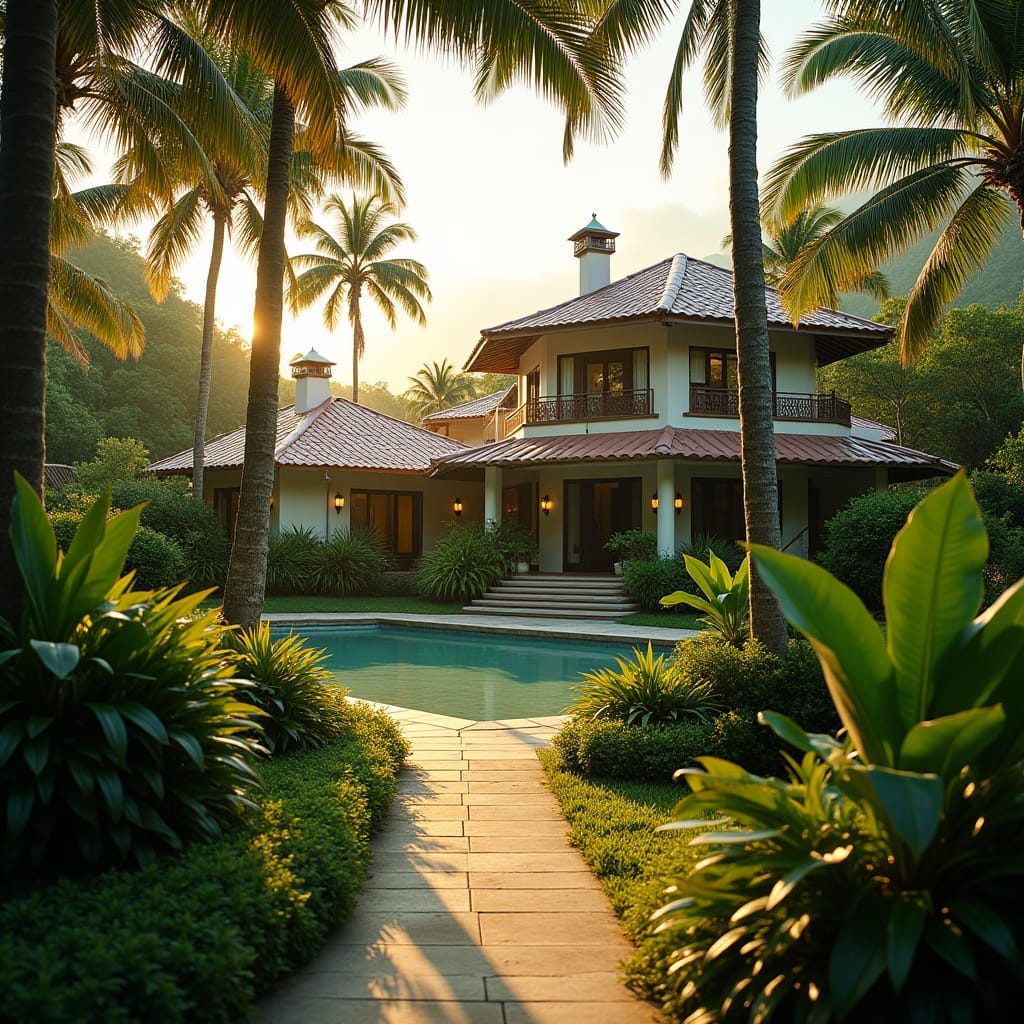
In Jamaica, combination roofs are a flexible and creative solution that blends multiple roofing styles to suit a building’s aesthetic and environmental needs. This versatile approach allows homeowners to incorporate various roof types, such as pairing gable roofs with hip roofs, or adding a clerestory roof for additional natural light. These designs are often used to enhance the overall appearance while improving the home’s functionality, providing better wind resistance and ventilation—key features for Jamaica’s tropical climate. Whether it’s for modern homes or larger estates, combination roofs offer endless design possibilities while adapting to Jamaica’s architectural trends and environmental challenges.
Dome Roof
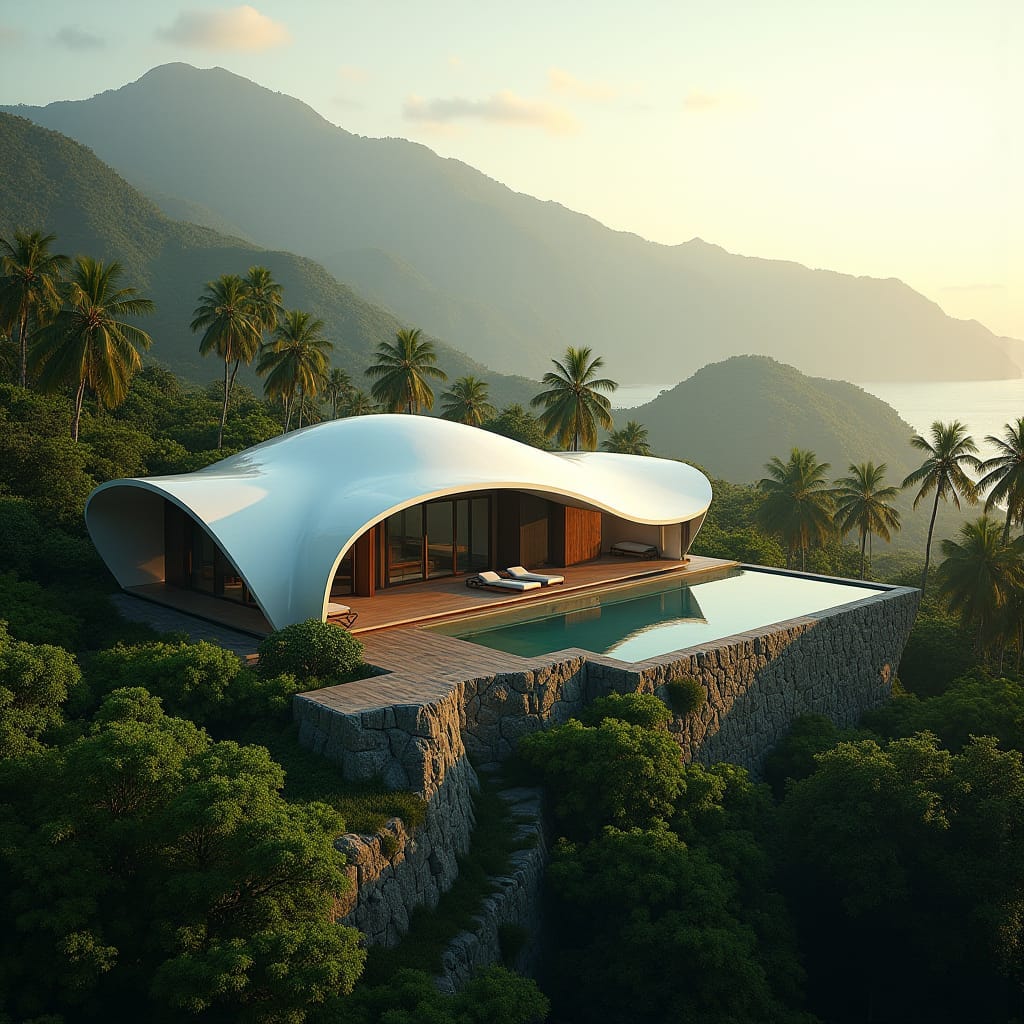
In Jamaica, dome roofs offer a unique architectural feature with their inverted bowl shape and polygonal design. While typically more expensive than other roofing options, they provide exceptional durability, making them ideal for specific structures like gazebos, cupolas, or even churches. When meticulously designed, dome roofs can serve as the primary roof for certain buildings, offering a distinct and elegant appearance. Their durability and ability to withstand Jamaica’s tropical weather conditions make them a practical yet stylish option for modern and traditional architectural styles across the island.
Dropped Eaves Roof
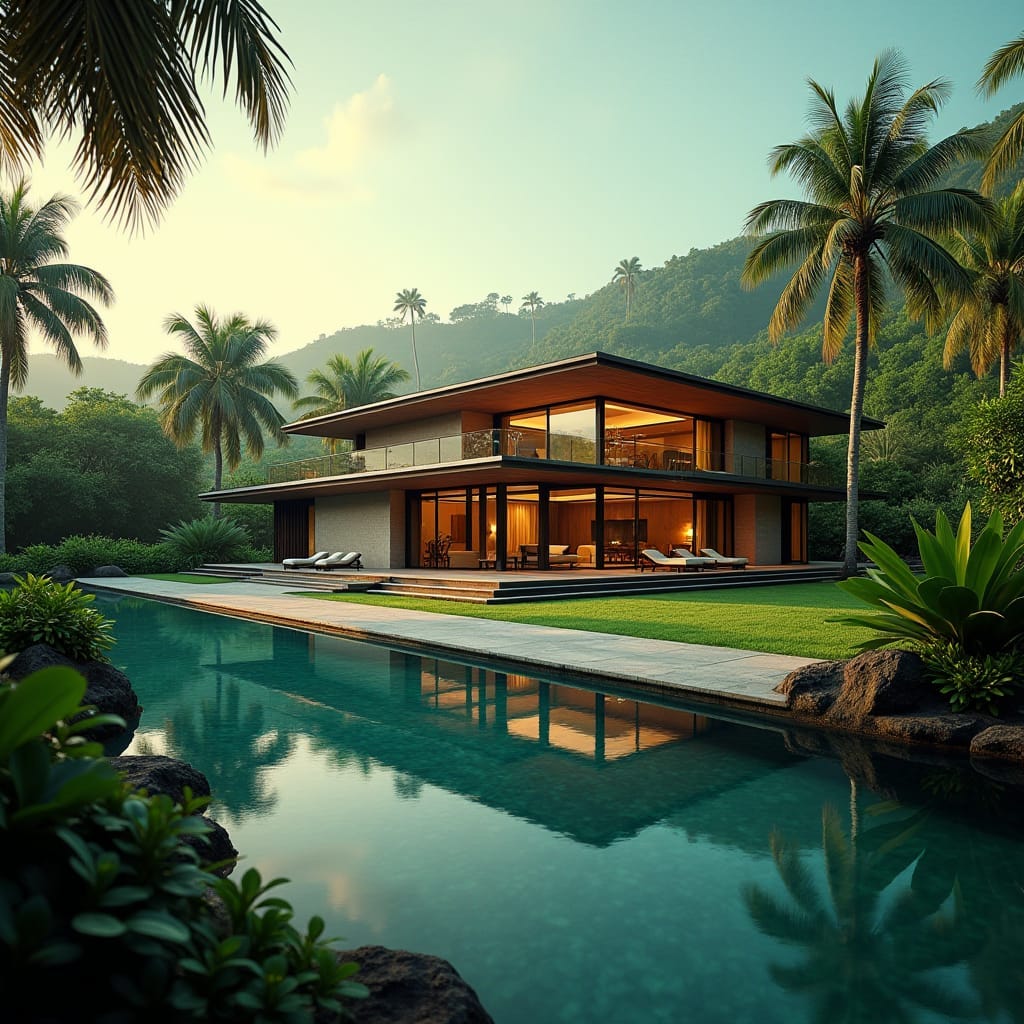
In Jamaica, a dropped eaves roof features two slopes at the center, similar to a saltbox roof, with steep eaves on the front side. This design creates a distinct slant, resulting in rooms with angled ceilings, a popular choice among homeowners seeking unique interior spaces. The steep eaves not only add aesthetic appeal but also effectively direct rainwater towards gutters and downspouts, making it highly functional in Jamaica’s tropical climate. This roofing style helps prevent water accumulation that can lead to roof damage, making it a practical and stylish choice for Jamaican homes, especially in areas prone to heavy rainfall.
Sawtooth Roof
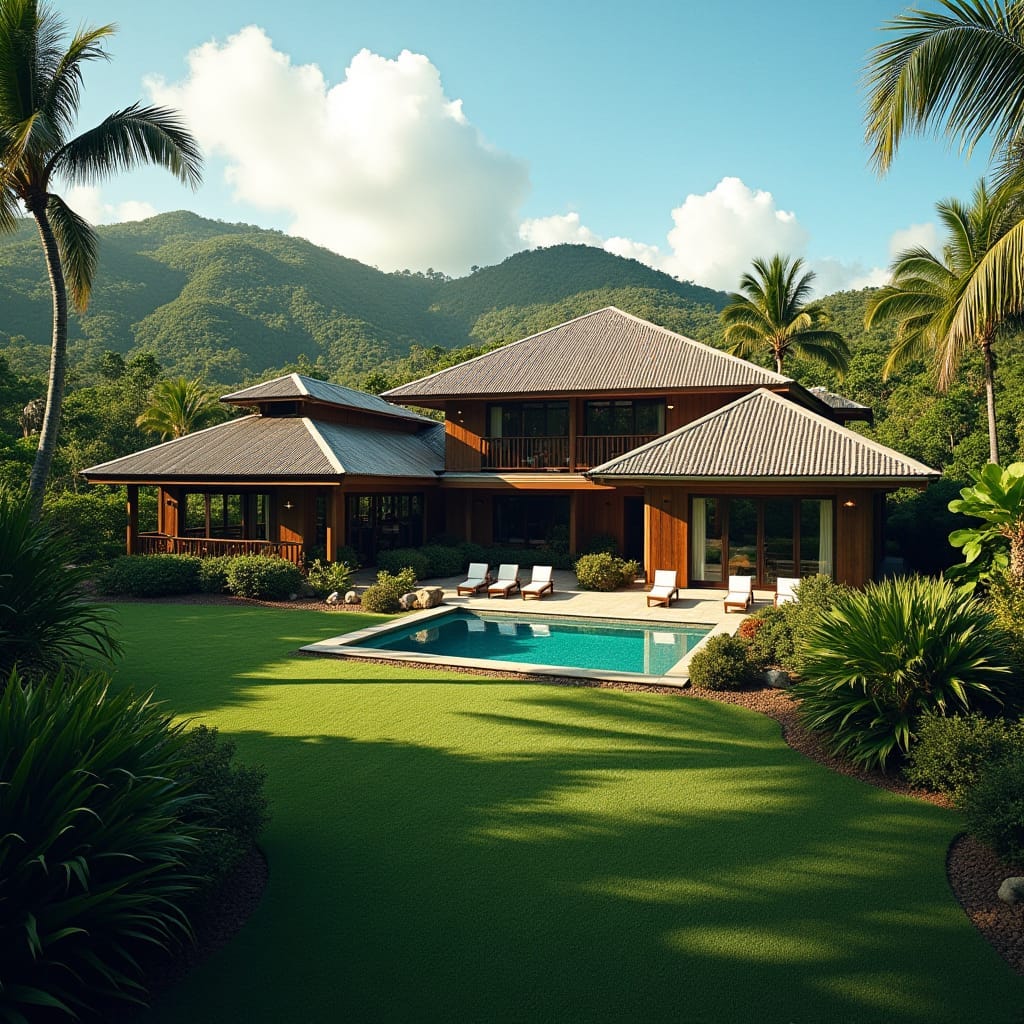
In Jamaica, a sawtooth roof features a series of ridges with double-pitched sides, resembling the jagged edges of a saw. Each “tooth” has a steep slope on one side and a gentler slope on the other. The vertical spaces between the ridges often have windows installed, allowing abundant natural light to enter the building, making it ideal for homes or commercial properties looking to maximize daylight. This design is functional in Jamaica’s warm climate, helping to keep interiors cooler by allowing light without excessive heat from direct sun exposure.
Conclusion
In Jamaica, roof designs not only reflect the island’s architectural heritage but are also adapted to cope with the tropical climate, including heat, rain, and hurricane risks. Slab roofs, in particular, are gaining popularity as they provide durability, resistance to storms, and modern aesthetics. Each roof type offers different benefits, and the choice depends on factors like location, climate concerns, and personal preferences.
These roofing styles highlight the diversity of Jamaican architecture and its ability to adapt to both functional and aesthetic needs in a tropical environment.