


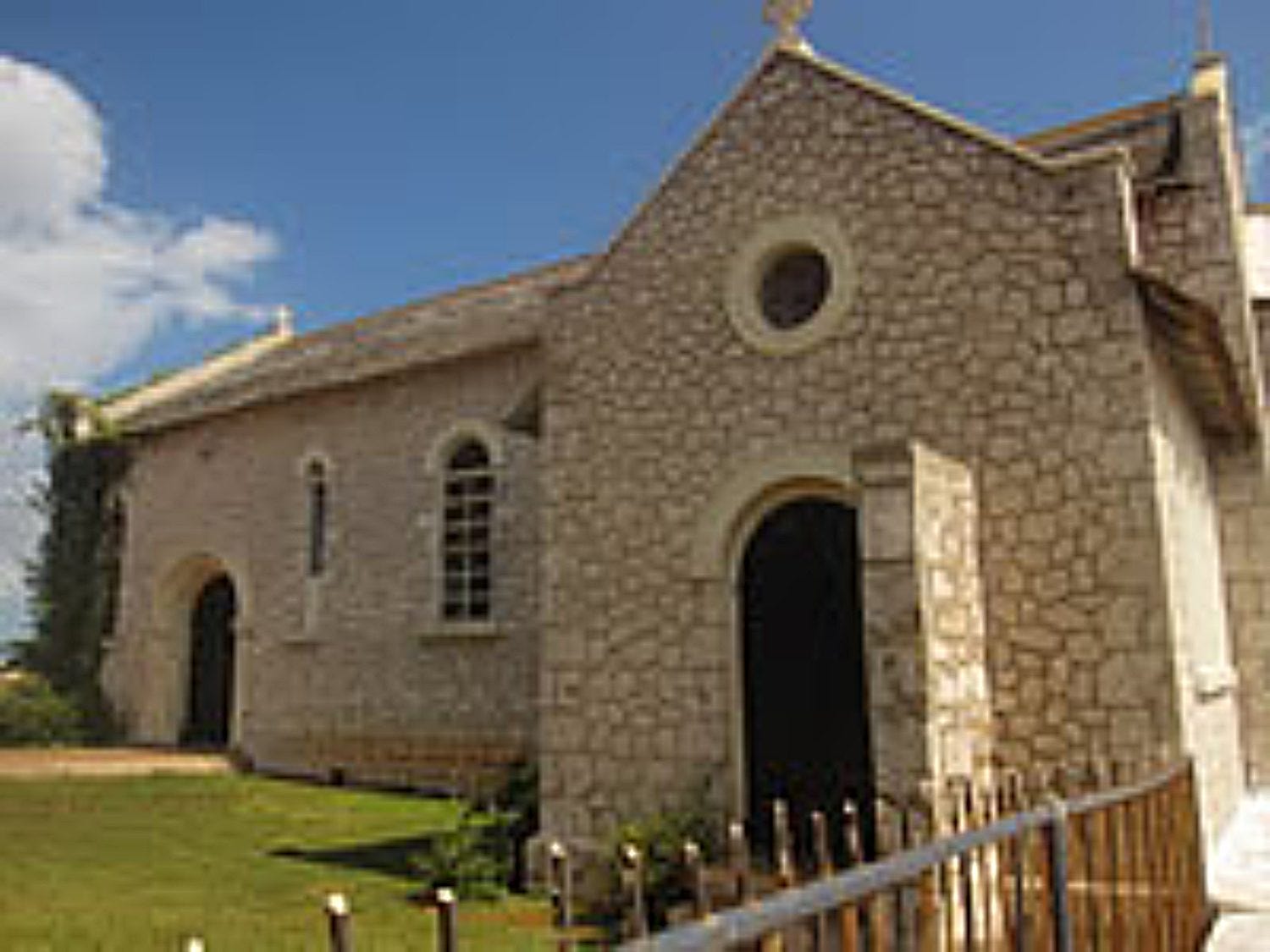
Munro College, a prestigious boys’ boarding school in St. Elizabeth, Jamaica, was founded in 1856 as the Potsdam School. Renamed during World War I, it was established through the wills of plantation owners Robert Hugh Munroand Caleb Dickenson to provide quality education for poor boys. A sister school for girls was later founded at Hampton School.
Academic Excellence
Munro is renowned for producing the most Rhodes Scholars of any Caribbean secondary school, including Vincent F. Taylor (2013). Known for its rigorous academics, it remains a leader in fostering leadership and achievement.
Historic Campus
Set atop the Santa Cruz Mountains, Munro’s campus offers breathtaking views of the Caribbean Sea and includes several historic buildings, such as the Coke Farquharson Building, The Chapel, and Dining Hall, with some designated as National Heritage Sites.
The Chapel, completed in 1914, showcases cut-stone architecture and stained-glass windows funded by alumni. Munro was also the first Caribbean school to install a grid-connected wind turbine, pioneering renewable energy in 1996.
Challenges and Resilience
Despite setbacks like Hurricane Beryl, which damaged 32 of its 35 buildings, Munro has shown resilience, continuing to rebuild and adapt while preserving its legacy.
Distinguished Alumni
Munro counts many notable alumni, including Donald Sangster (former Prime Minister), Nigel Clarke (IMF Deputy Managing Director), reggae artist Protoje, and journalist Andrew Salkey. These individuals embody Munro’s tradition of excellence.
Continuing the Legacy
With its motto, “A city set upon a hill cannot be hid,” Munro College continues to inspire young men to lead and excel, blending its rich tradition with a commitment to innovation and progress.