


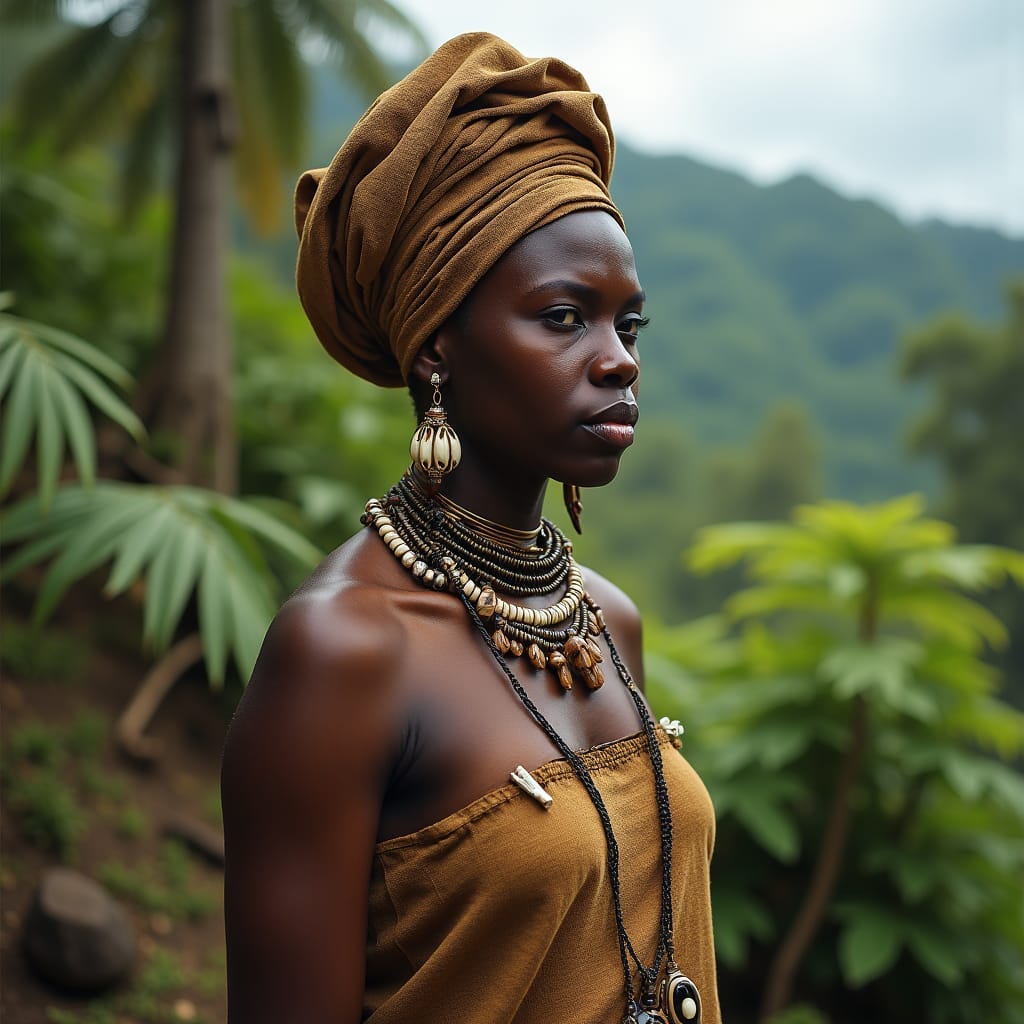
In every lane, from the rolling hills of St. Elizabeth to the bustling streets of Kingston, echoes a story of resilience, tenderness, and power. That story is the Jamaican mother — not only a matriarch of her household but often the soul of a community, a silent revolutionary, and a keeper of legacy. On Mother’s Day, while the world celebrates the personal, Jamaica celebrates the profound. For in this island nation, motherhood is a force of national history.
To understand Mother’s Day in Jamaica is to explore a complex intertwining of colonial history, Afro-Caribbean culture, fierce womanhood, and real estate—yes, even the homes and lands that form the literal bedrock of our society. It is a journey through time, examining the women who bore not just children but movements, homes, values, and even a nation.
A Seed from Abroad: The Origin of Mother’s Day in Jamaica
Mother’s Day, as celebrated globally, originated in the United States in the early 20th century. It was brought to Jamaica during the era of British colonialism, particularly post-WWI, when Western holidays became more integrated into Jamaican society through church and schooling systems. By the 1930s, Mother’s Day found a home in local Baptist and Anglican churches, which embraced the celebration to honour the maternal figures in their congregations.
Yet, while the date came from abroad, the depth of meaning was entirely Jamaican. The Jamaican mother, already revered in cultural expressions, gained a special day—but one that could hardly encapsulate her immeasurable role.
“Jamaican mothers don’t just raise children—they raise villages, they raise homes, they raise nations.”
— Dean Jones, Realtor Associate at Coldwell Banker Jamaica Realty
Motherhood in a Nation’s History: Queens, Warriors, and Visionaries
Even before the term “Mother’s Day” existed here, Jamaican history had been shaped by mothers—some biological, others national in spirit.
Nanny of the Maroons: The Ultimate Mother of Resistance
No tribute to Jamaican mothers is complete without Nanny of the Maroons, a warrior queen, freedom fighter, and spiritual guide. Nanny did not raise her own children but nurtured an entire people in their fight for liberty. She led escaped slaves into the Blue Mountains, organized resistance against British forces, and laid the foundations of Maroon communities that still survive today.
She is officially a National Hero, but more intimately, she is remembered as a mother of resistance—protecting, teaching, and guiding generations toward self-determination.
“A mother of a nation does not always give birth to you—sometimes, she births your freedom.”
— Dean Jones
Amy Ashwood Garvey: Mother of Pan-Africanism
The first wife of Marcus Garvey, Amy Ashwood Garvey, was a pioneering Pan-Africanist, educator, and feminist. She helped co-found the Universal Negro Improvement Association (UNIA), edited newspapers, and championed women’s rights. Her influence extended from Jamaica to the Americas and Africa.
Ashwood was not just a political activist—she was a cultural mother, nurturing ideologies that would outlive her and plant seeds for black liberation across continents.
Edna Manley: Mother of Jamaican Arts
British-born but Jamaican in soul, Edna Manley helped birth the modern Jamaican cultural identity. Through sculpture, education, and advocacy, she encouraged Jamaicans to embrace their African heritage. She became a mother figure to the entire creative community, founding institutions and mentoring generations of artists.
She sculpted not only in clay, but in minds and movements.
The Jamaican Home: Matriarchal Stronghold and Real Estate Anchor
Jamaican society, despite colonial influences, has always leaned toward matriarchal structures. Women have long held the fort—literally and figuratively. In urban Kingston or rural Clarendon, the phrase “ah mi madda house dat” carries more than pride. It’s about ownership, survival, and legacy.
Real Estate and the Female Backbone
Women in Jamaica have historically been the guardians of land and home, even when legal systems tried to exclude them. Long before titles were legally in women’s names, they were buying lots through partner draws, building with remittances from abroad, and holding families together in concrete, zinc, and stone.
Today, women are some of the fastest-growing real estate investors in Jamaica, both in the diaspora and locally. Mothers sacrifice to send barrels, save for down payments, and ensure their children inherit “something more than mi get.”
Mothers build generational wealth from humble beginnings. A two-bedroom in Spanish Town becomes a legacy. A farming plot in St. Mary becomes a college education. A rented room becomes a mortgage.
Motherhood, in Jamaica, is the first investment portfolio.
Modern Mamas and the Future of Nation-Building
Contemporary Jamaican mothers face new challenges—globalized pressures, digital anxieties, rising costs of living. Yet they remain the pillars.
They are teachers on WhatsApp groups, nurses in the diaspora, entrepreneurs on Instagram, and Sunday dinner legends. They are balancing parenting with protest, homeownership with higher education. Some are single-handedly doing what entire systems cannot—raising conscious, competent, and caring citizens.
The idea of “mother” in Jamaica has evolved. It’s now inclusive of grandmothers, godmothers, stepmothers, surrogate mothers, and even fathers playing the role. But at the core, it’s still about protection, provision, and pride.
Motherhood as a Cultural and Economic Engine
Jamaican music, literature, and storytelling are saturated with odes to mothers. From Bob Marley’s “No Woman No Cry” to Buju Banton’s “Mama’s Song,” motherhood is celebrated as the ultimate spiritual and emotional anchor.
Economically, mothers are essential to tourism, remittances, and even agriculture. The beloved “market woman” in Coronation Market or Papine is often a mother—supporting her children through hustle and heart.
In real estate, mothers are builders—literally raising homes block by block, room by room. They are landlords, homeowners, developers of family compounds that stretch across generations.
In politics, they are rising—entering leadership with maternal philosophies of justice, balance, and community care.
What Jamaica Teaches the World About Motherhood
Jamaican culture teaches that motherhood is not confined to biology—it is a spiritual duty. From the church sister who helps raise half the neighborhood to the teacher who becomes a second mother, our society blurs the lines between family and community.
This collective view of mothering is powerful.
It reminds us that raising a child truly does take a village—and that village often wears a skirt, ties a head wrap, and carries strength in her smile.
A Salute to Everyday Sheroes
This Mother’s Day, we salute:
The mother in St. Thomas walking miles with her children to school.
The grandmother in May Pen still cooking for three generations.
The young mother in Montego Bay managing work and study.
The helper who raises children not born to her but forever hers in love.
And to those who mother without recognition, who mother despite grief, who mother without being called “mom”—this day, this nation, sees you.
The Future: Mothering the Next Jamaica
As we look to the future, Jamaica must continue to support its mothers. That means:
Policies for maternal health and childcare.
Equal pay and land ownership rights.
Affordable housing and urban planning that protects single mothers.
Celebration of cultural motherhood in education systems.
We must raise a nation that mothers its people back—nurturing every child, protecting every home, empowering every woman.
Final Reflections: The Nation as Womb and Seed
Mother’s Day in Jamaica is more than a card or a cake. It’s a recognition of power. It’s about understanding that women here have been doing the work of God and government—holding families, properties, and culture together while building new legacies from the ashes of old systems.
As Dean Jones aptly says:
“To understand Jamaica, you must understand her mothers. They are not just women. They are the heartbeat of our islands, the architects of our tomorrows.”
So today, let us honour the women who made us and remade the world around us.
Happy Mother’s Day, Jamaica. Your mothers have always been, and will always be, your greatest treasure.