

What are the different types of roof designs, their origins, benefits, and how do they compare in popularity and functionality in Jamaica and globally?

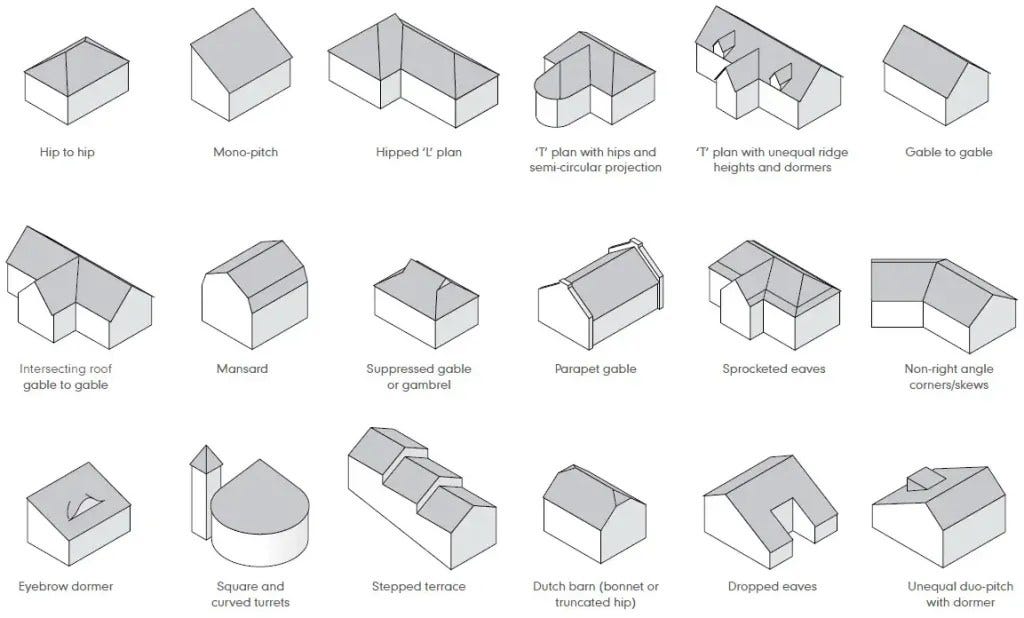
Roofs are integral components of building design, not only providing shelter but also contributing to the overall aesthetic and functionality of a structure. Throughout history, various roof types have evolved to meet different climatic conditions, architectural styles, and cultural preferences. From the classic gabled roof to the more contemporary butterfly roof, each design serves specific purposes and offers unique benefits. Understanding these roof types, their origins, and their applications helps homeowners, architects, and builders make informed decisions about roofing solutions that best suit their needs. This comprehensive table explores a range of roof types, detailing their characteristics, historical backgrounds, benefits, and popularity in diverse regions, including Jamaica.
Roof TypeDescriptionOrigin / DateBenefitsPopularity in JamaicaGabled RoofA roof with two sloping sides that meet at a ridge, creating a triangular shape.Ancient, worldwideSimple construction, effective water runoff, classic appearance.Popular, especially in traditional homes.Clipped Gable RoofA variation of the gabled roof where the top of the gable is clipped off, creating a more subdued angle.Europe, medievalReduces wind resistance, less prone to damage in storms.Less common, seen in some traditional styles.Dutch Gabled RoofA gabled roof with an additional gable on the side, creating a stepped effect.Netherlands, 16th centuryAesthetic appeal, extra space, and light in attic areas.Rare, mostly in historical or specialized designs.Gambrel RoofA roof with two slopes on each side, the lower slope being steeper than the upper one, resembling a barn roof.Colonial America, 17th centuryMaximizes attic space, traditional farmhouse look.Occasionally seen in country-style homes.Mansard RoofA roof with two slopes on each side, the lower slope being much steeper than the upper one, creating additional floor space.France, 17th centuryIncreases usable attic space, elegant appearance.Rare, typically in historic or luxury homes.Shed RoofA single-pitched roof that slopes in one direction, resembling a shed roof.Modern, 20th centurySimple design, easy to construct, effective water runoff.Occasionally used in modern or industrial-style buildings.Flat RoofA roof that is nearly level, with a slight pitch to allow water runoff.Ancient, worldwideSpace for rooftop gardens or installations, straightforward construction.Common in urban and commercial buildings.Saltbox RoofA roof with a long, pitched rear section and a shorter, steeply pitched front section, resembling a saltbox.Colonial America, 17th centuryProvides extra space, traditional colonial look.Rare, typically in historical homes.Bonnet RoofSimilar to the hip roof but with a lower slope on the eaves, creating a more enclosed appearance.Colonial America, 17th centuryProvides more protection from the elements, unique appearance.Occasionally seen in traditional homes.Pyramid Hip RoofA roof with four triangular sides that meet at a single point, creating a pyramid shape.Ancient, worldwideEffective for shedding water and snow, unique aesthetic.Less common, usually in specialized or decorative buildings.Cross Hipped RoofA roof with four hipped sections that intersect at right angles, forming a cross shape.Ancient, worldwideProvides good water runoff, stable structure.Rare, used in complex architectural designs.Butterfly RoofA roof with two inward-sloping surfaces that meet at a central ridge, creating a V-shape.Modern, 20th centuryMaximizes natural light and ventilation, contemporary appearance.Occasionally used in modern and eco-friendly designs.Dormer RoofA vertical window structure that projects from a sloping roof, adding headroom and light to upper levels.Medieval EuropeEnhances light and ventilation in attic spaces, adds architectural interest.Common in both traditional and modern homes.Sprocketed EavesRoof eaves that extend and are supported by decorative brackets or corbels, creating an overhanging effect.Victorian EnglandProvides additional shade and protection from rain, decorative appeal.Less common, seen in some historical or decorative buildings.Unequal Duo-Pitch RoofA roof with two slopes of different angles, creating a varied roofline with dormers for additional space and light.Modern, 20th centuryIncreases interior space and light, unique architectural style.Occasionally used for modern and custom designs.Non-Right Angle CornersArchitectural features where walls or rooflines meet at angles other than 90 degrees, creating a unique design.Modern, worldwideAdds visual interest and adapts to irregular lot shapes, enhances design flexibility.Rare, used in custom or modern architectural designs.Stepped TerraceA series of progressively lower levels or steps in outdoor space, creating a tiered effect.Ancient, worldwideMaximizes usable outdoor space, manages soil erosion, and enhances views.Occasionally used for properties with sloped landscapes.Eyebrow DormerA dormer with a curved roofline that arches over a window, resembling an eyebrow.18th century EuropeAdds aesthetic charm, protects windows from water damage, and enhances light.Rare, often in historic or unique architectural styles.Intersecting Roof Gable-to-GableA design where two gabled roof sections meet and intersect, creating a complex roofline.Medieval EuropeProvides structural strength and visual complexity, enhances water runoff.Occasionally used in custom or traditional homes.Square TurretA tower with a square base and roof, often used for defensive or decorative purposes.Medieval EuropeOffers strong structural integrity, provides additional space and views.Rare, typically in historic or castle-like buildings.Curved TurretA tower with a round or curved base and roof, adding a graceful and elegant appearance.Ancient, worldwideAdds aesthetic appeal, offers panoramic views, and enhances structural stability.Occasionally used in historic and luxury designs.M-Shaped RoofA roof with two intersecting gables that create an ‘M’ shape, adding visual interest and functional space.Modern, 20th centuryMaximizes attic space, effective for water runoff, and provides a unique appearance.Rare, seen in some modern and unique designs.Suppressed Gable/GambrelA roof with a gable or gambrel that is truncated or flattened, creating a more subtle profile.Historical EuropeReduces wind resistance, provides additional headroom, and maintains a traditional look.Less common, seen in some traditional styles.Parapet GableA gabled roof with an extended parapet wall along the roof’s edge, offering additional protection.Medieval EuropeProtects against weather elements, conceals roof structures, and enhances building’s appearance.Occasionally used in historical or decorative designs.T-Plan with Unequal Ridge Heights and DormersA T-shaped building with varying ridge heights and dormers for added light and space.Modern, 20th centuryMaximizes interior space, enhances natural light, and provides a unique architectural layout.Occasionally used for custom and modern homes.Sprocketed EavesRoof eaves that extend outward and are supported by decorative brackets, adding both style and function.Victorian EnglandProvides extra shade, improves water runoff management, and adds visual interest.Less common, seen in some historical and decorative buildings.Eyebrow DormerA dormer featuring a curved, arched roofline over a window, resembling an eyebrow.18th century EuropeEnhances natural light, prevents water damage, and adds architectural charm.Rare, often used in historic or unique designs.Intersecting Roof Gable-to-GableRoof design where two gabled sections intersect, creating a complex and visually interesting roofline.Medieval EuropeEnhances structural strength, provides good water runoff, and adds visual complexity.Occasionally used in custom or traditional buildings.Square TurretA tower with a square shape, providing a strong structural base and additional space.Medieval EuropeOffers structural integrity, additional space, and can enhance views.Rare, typically in historic or castle-like buildings.Curved TurretA tower with a round or curved shape, adding elegance and unique architectural appeal.Ancient, worldwideEnhances aesthetic appeal, provides panoramic views, and improves structural stability.Occasionally used in historic and luxury designs.
This table provides a broad overview of roof types, their characteristics, and their applications in Jamaica and worldwide.