


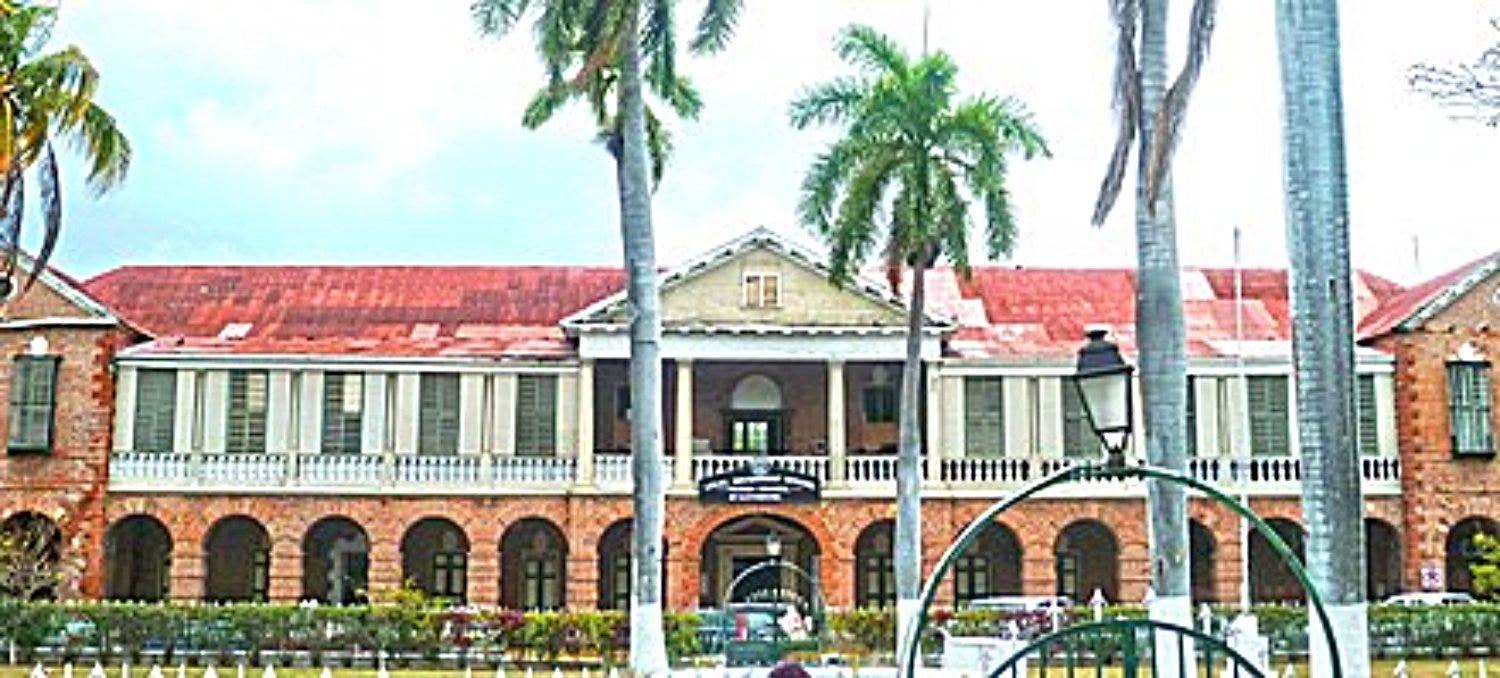
The House of Assembly, formed in 1664 as Jamaica’s colonial legislative body, played a central role in governing the island’s internal matters and economic path under British rule. Initially convening in Spanish Town, the Assembly represented the interests of Jamaica’s powerful white planter class, who held vast plantations and enslaved individuals. Membership required substantial property ownership, a qualification that ensured the Assembly was dominated by wealthy landowners and merchants. Voting rights were limited to “freeholders”—white men who owned land, plantations, or businesses—solidifying the social and political control of a small elite over Jamaican society.
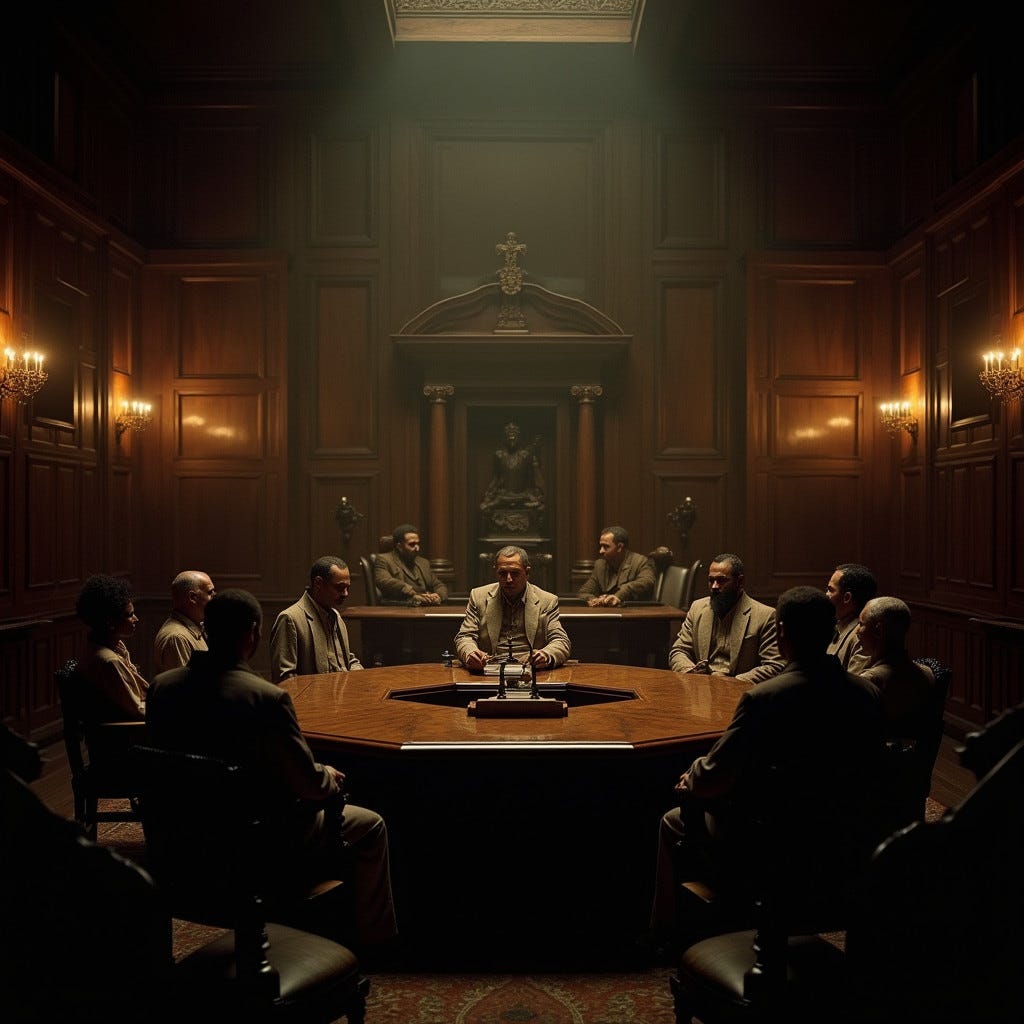
Throughout its existence, the Assembly impacted multiple facets of life in Jamaica by enacting policies on slavery, trade, taxation, and labor. In 1696, for instance, the Assembly passed the Act for the Encouragement of the Importation of White Servants, intending to increase the white population through indentured labor. However, the institution of slavery quickly became the dominant labor system, with the Assembly enacting laws that protected it and upheld white economic power.
The Assembly also controlled decisions affecting defense, infrastructure, and public services. During the peak of Jamaica’s sugar economy, it implemented laws to regulate labor, maintain control over land rights, and respond to uprisings by enslaved people. In response to events like the Christmas Rebellion of 1831 (also known as the Baptist War), the Assembly introduced repressive measures to further enforce control over the enslaved population.
With the British Slavery Abolition Act in 1834, the Assembly was compelled to accept emancipation laws, yet it attempted to curtail the rights of freed individuals by implementing an apprenticeship system and other restrictive measures. Tensions persisted as Jamaica’s newly freed Black population sought broader representation and rights.
The Morant Bay Rebellion of 1865, led by Paul Bogle, marked a turning point, exposing the severe social and economic inequalities on the island. In response, the Assembly voted to end self-governance, transitioning Jamaica to direct British control as a crown colony. This shift dissolved the Assembly, transferring governance to British-appointed officials until Jamaica gradually achieved greater autonomy, culminating in independence in 1962.
The House of Assembly’s legacy is multifaceted. While it established early structures for colonial governance and economic policies, it also symbolized the exclusion and oppression of the majority population by a privileged minority. The Assembly’s influence on Jamaica’s economy, labor practices, and social hierarchy laid the groundwork for the island’s later struggle for equality, self-determination, and eventual democracy.