

Jamaica in the 1970s and 1980s: Reggae, Diaspora, and the Path to Homeownership


Jamaica in the 1970s and 1980s was a period marked by political unrest, cultural evolution, and a deepening connection with the global diaspora, particularly in the United Kingdom and the United States. The influence of reggae, New York street culture, and European culture, particularly in the UK, where Bob Marley spent considerable time, had a profound impact on Jamaica’s socio-political and cultural landscape. These elements, along with the Black Power movements in the US and the UK, created an interwoven tapestry of struggle, resilience, and resistance that shaped Jamaica during these decades.
The Global Influence of Reggae and Bob Marley
At the heart of Jamaica’s cultural influence in the 1970s and 1980s was reggae music, spearheaded by the global icon, Bob Marley. Reggae was more than just a genre of music; it was a movement deeply rooted in the Rastafarian faith and the struggles of the Jamaican people. Marley’s lyrics spoke of revolution, justice, and peace, resonating with the struggles faced by oppressed people across the world.
Marley’s time in the UK in the 1970s further exposed him to the rise of punk rock and the evolving street culture, blending elements of rebellion from both genres. This synthesis of reggae with other subcultures was instrumental in pushing reggae into mainstream popularity across Europe, especially among marginalized communities. Marley’s connection with London’s diverse culture allowed him to use his music to address universal themes of poverty, racism, and injustice, which resonated with the growing Black Power movements in the UK and the US.
The Black Power movement in the UK, much like in the US, arose in response to racial discrimination and social inequality. The first generation of Jamaicans, known as the Windrush generation, had been living in the UK since the late 1940s and 1950s. This generation had migrated to the UK with hopes of new opportunities but faced racial hostility and economic hardships. The Black Power movement, influenced by African American leaders like Malcolm X and Stokely Carmichael, called for empowerment, self-reliance, and pride in Black identity. Bob Marley’s music became anthems for these movements, offering both hope and solidarity.
New York Street Culture and the Jamaican Diaspora
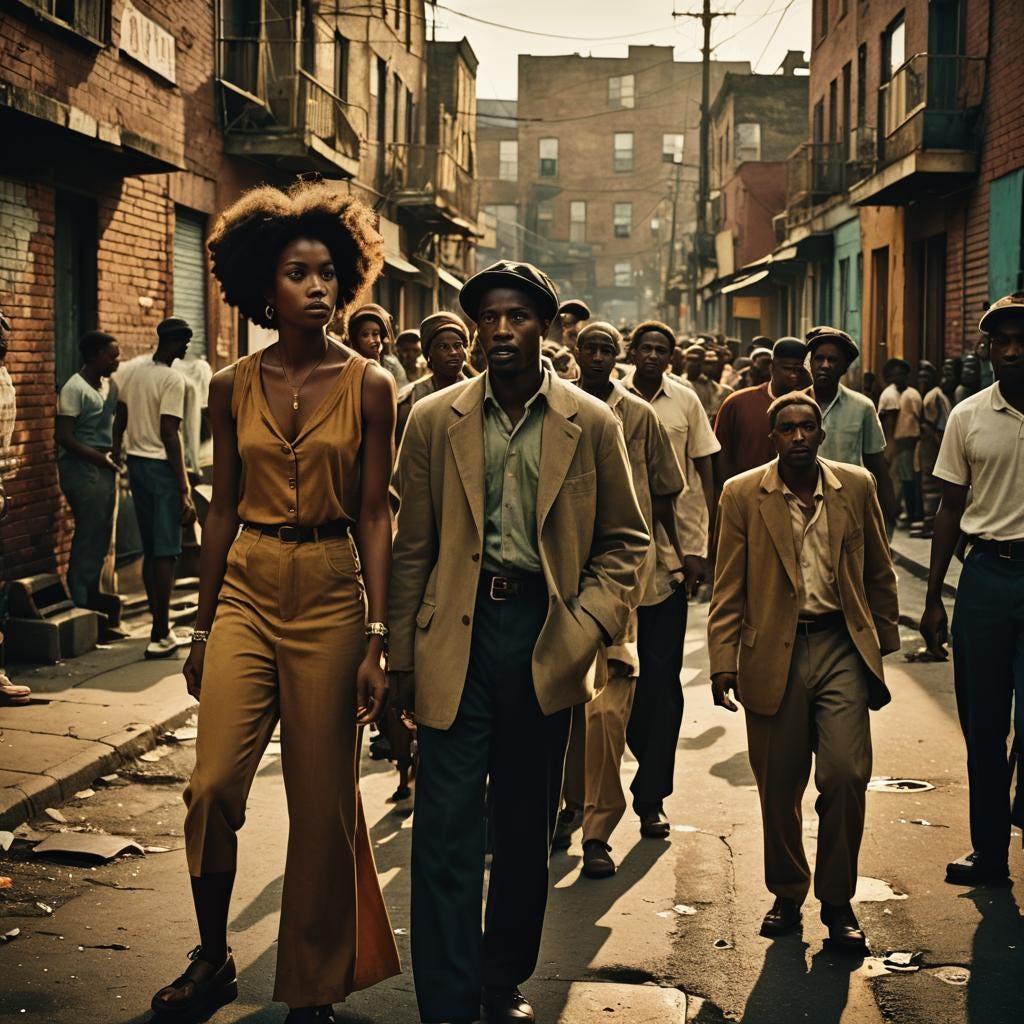
The 1970s and 1980s also saw the rise of street culture in New York, where many Jamaicans had migrated in search of better economic opportunities. In the US, Jamaicans found themselves in a melting pot of cultures, blending with African American, Puerto Rican, and other Caribbean communities. New York’s burgeoning hip-hop scene was influenced by Jamaican sound systems, and DJ Kool Herc, often credited as one of the founders of hip-hop, was himself a Jamaican immigrant. Herc brought the tradition of Jamaican “toasting” (rhythmic talking over beats) to New York parties, blending the island’s sound with urban American culture.
At the same time, Black-owned businesses, the legacy of Black Wall Street, and the Black Power movement were gaining momentum in cities like New York and Chicago. However, while the movement initially inspired economic self-sufficiency and community strength, the promises of equality and opportunities were never fully realized for many African Americans and Caribbean immigrants. The systemic racism that pervaded American society made it difficult for Black entrepreneurs to sustain their businesses and led to feelings of disillusionment, particularly as the civil rights movement of the 1960s gave way to the more militant stance of the 1970s.
The Impact of the Black Power Movement on Jamaica
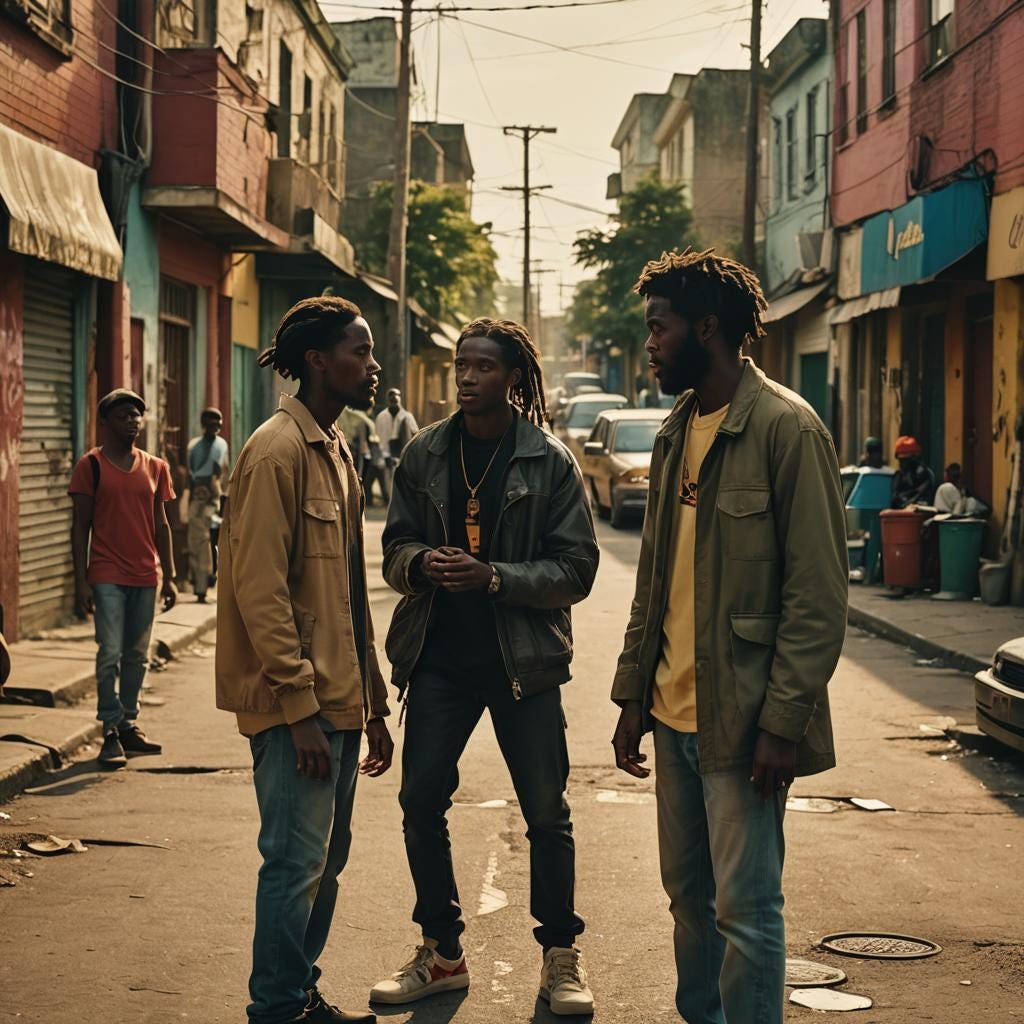
The Black Power movement had a profound influence on Jamaica, particularly as the country grappled with its own socio-political upheavals. Throughout the 1970s, Jamaica was torn between the two main political parties, the People’s National Party (PNP) led by Michael Manley, and the Jamaica Labour Party (JLP) led by Edward Seaga. The period was marked by intense political violence, with ideological divides fueled by Cold War politics. Manley’s socialist policies, inspired by the Black Power movement and his alliances with leaders like Fidel Castro, aimed at empowering the working class and addressing income inequality.
However, these policies faced resistance from the business elite and foreign investors, leading to economic instability and high levels of unemployment. The Jamaican diaspora, particularly those living in the US and UK, remained closely connected to the island, with many sending remittances to support family members. Yet, for many Jamaicans living abroad, their experiences were far from ideal. They faced racial discrimination, underemployment, and harsh living conditions. Despite this, the narratives they shared with those back home often focused on success and opportunity, painting a picture of prosperity that was not always reflective of their realities.
This disconnect between the experiences of Jamaicans abroad and the expectations of those back home had a significant impact on Jamaica’s economy. Many members of the diaspora began to invest in properties in Jamaica, purchasing land and homes with the intention of returning or providing for their families. This trend of reinvestment became a vital part of Jamaica’s economy, with remittances and property investments helping to stabilize the country’s finances during times of economic hardship.
The Struggles and Aspirations of the Jamaican Diaspora
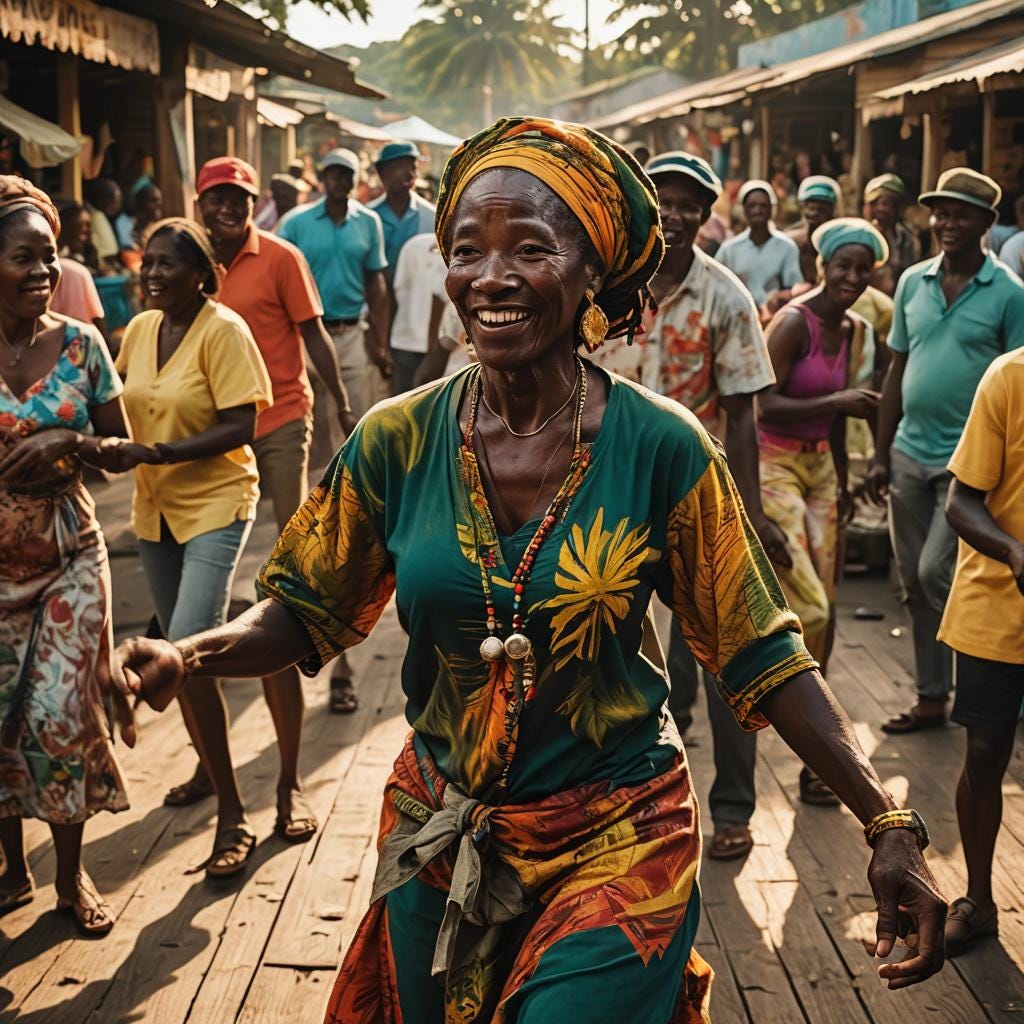
The experiences of Jamaicans in the UK and the US were often characterized by resilience in the face of adversity. In the UK, many faced overt racism, with groups like the National Front and gangs such as the Tommy Boys openly targeting Caribbean immigrants. In the US, the systemic racism and economic marginalization of Black communities led to the rise of movements like Black Wall Street and the Black Power movement. However, these movements were met with violent resistance, and many Black-owned businesses were destroyed or driven out of the market.
Despite these challenges, Jamaicans abroad continued to persevere. They took on jobs that others did not want, often working long hours in factories, construction, and domestic work. Over time, many were able to save enough money to invest in properties both abroad and back in Jamaica. This trend of reinvestment in the homeland became a symbol of pride and success for many in the diaspora.
Moving Forward: Jamaica’s Path to Homeownership
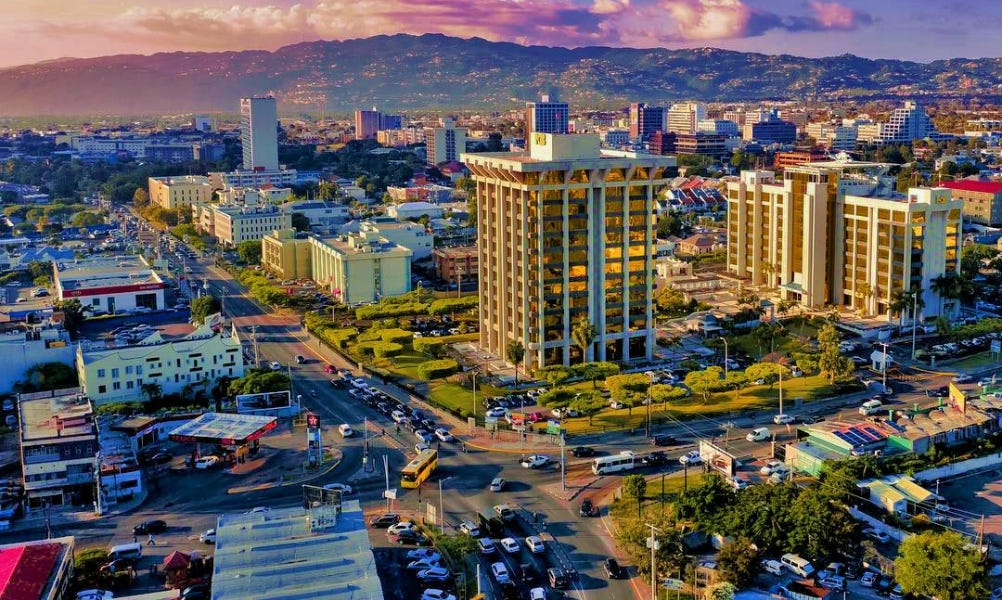
As Jamaica moves forward, the lessons of the 1970s and 1980s continue to resonate. The political and economic challenges of those decades have given way to a renewed focus on stability and growth. Today, there is a growing emphasis on homeownership as a means of achieving economic security and social mobility for all hardworking Jamaicans. The government, in partnership with private developers, is working to increase access to affordable housing and create opportunities for more Jamaicans to own their homes.
This focus on homeownership is not only about providing shelter but also about empowering individuals and families to build wealth and secure their futures. By creating pathways to property ownership, Jamaica is fostering a sense of pride and stability among its citizens, both at home and in the diaspora.
The role of the diaspora in this process cannot be overstated. Jamaicans living abroad continue to play a vital role in the country’s development through remittances, investments, and the sharing of ideas and resources. As the country looks toward the future, the collaboration between the Jamaican government, private sector, and the diaspora will be crucial in ensuring that more Jamaicans have access to affordable housing and the opportunity to build a better life for themselves and their families.
Conclusion
The 1970s and 1980s were pivotal decades for Jamaica, shaped by cultural influences from reggae music, the Black Power movement, and the experiences of the Jamaican diaspora in the UK and the US. Despite the challenges faced by Jamaicans abroad, their resilience and determination helped to build a bridge between the island and its global community. As Jamaica continues to grow and develop, the lessons of the past provide a roadmap for a future where homeownership and economic empowerment are within reach for all hardworking Jamaicans.
With a renewed focus on creating affordable housing and fostering economic stability, Jamaica is well-positioned to offer its citizens a brighter future, both at home and abroad.