


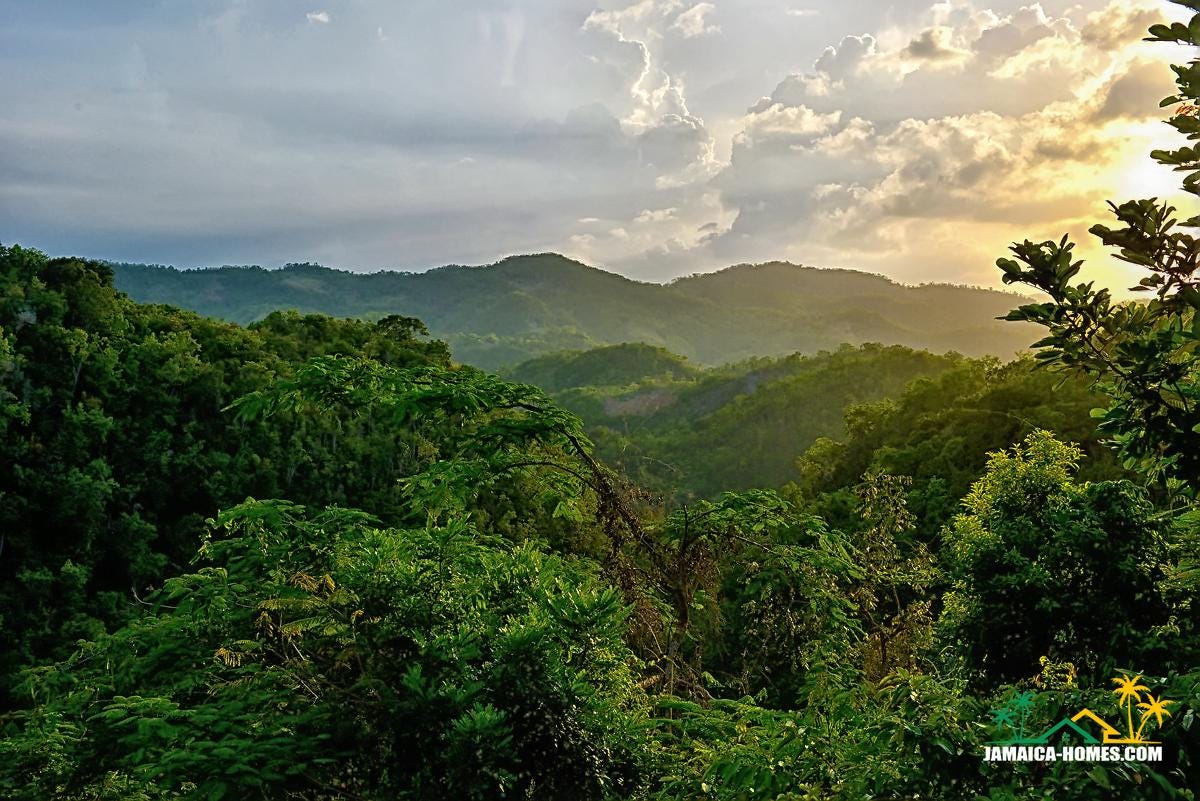
The Cockpit Country in Jamaica is a unique and ecologically significant region characterized by its dramatic karst limestone topography, lush forests, and rich biodiversity. Covering over 1,300 square kilometers across the parishes of Trelawny, St. Elizabeth, and St. James, it is Jamaica’s largest contiguous forest and home to many endemic species of flora and fauna. The landscape, defined by steep hills, valleys, and sinkholes, is a key water source, with its aquifer feeding major rivers like the Black River and providing fresh water to surrounding communities. Historically, the area was a refuge for the Maroons, descendants of escaped enslaved Africans, who used its rugged terrain to resist colonial forces. Today, it remains a cultural and historical symbol of resilience and freedom.
Cockpit Country faces threats from deforestation, agricultural encroachment, and bauxite mining, which have raised concerns among conservationists and local communities. Efforts are ongoing to designate parts of the region as protected areas to preserve its ecological and cultural heritage. Beyond its ecological value, the area also holds potential for sustainable eco-tourism, offering opportunities for hiking, birdwatching, and cultural exploration. Its unique landscape and role as a biodiversity hotspot highlight the importance of balanced development strategies to ensure that economic activities do not compromise its irreplaceable natural and cultural assets.