

Why Is Working Remotely from the Caribbean and or Jamaica Viewed Differently than from Europe?

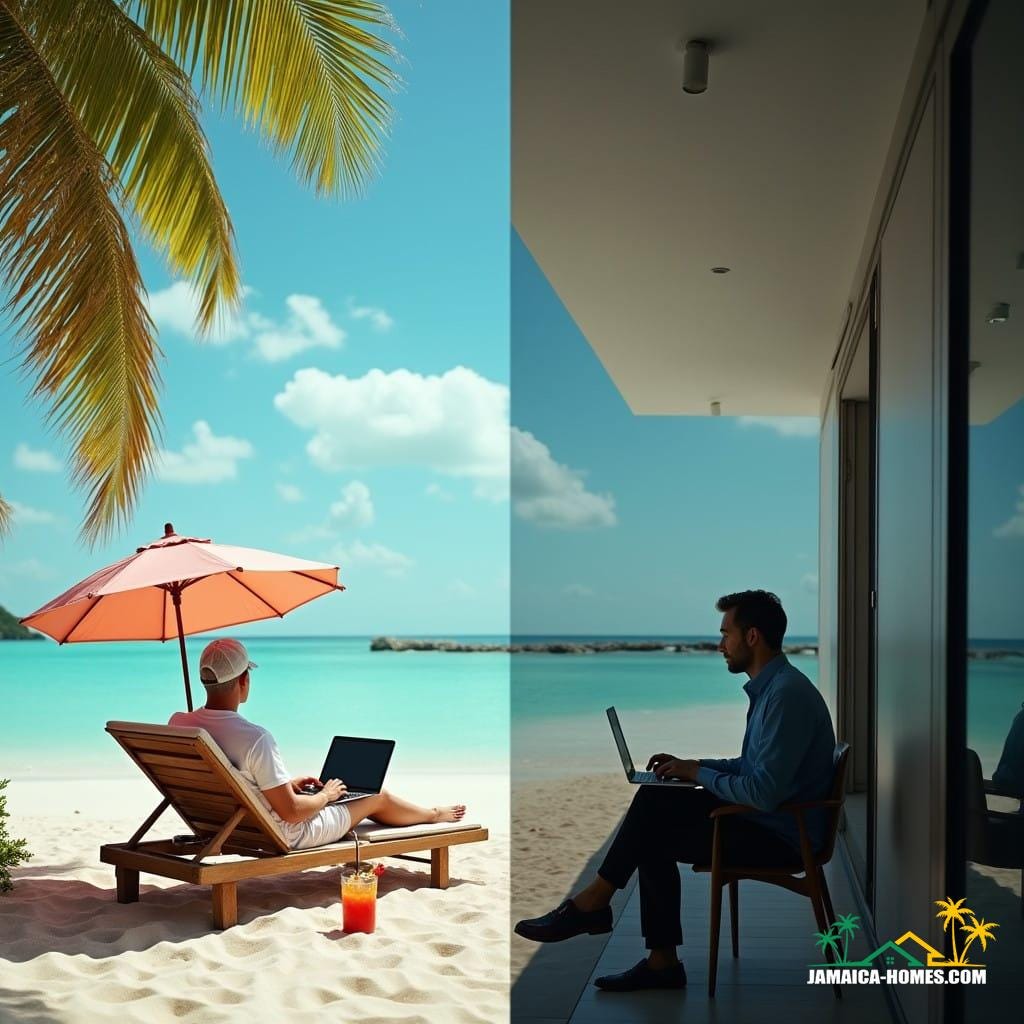
The way people perceive remote work from various locations, especially in the context of the UK and countries like Jamaica or the broader Caribbean, is influenced by a blend of historical, social, economic, and cultural factors. The differences in attitude can be traced back to a mix of stereotypes, economic disparities, and a lack of understanding of local realities. This can explain why the idea of working remotely from EU countries like France or Spain is often seen as acceptable or even glamorous, while working from places like Jamaica is met with skepticism or negative assumptions. Here’s an in-depth exploration of the subject:
1. Historical and Cultural Perceptions
Colonial Legacies and Class Distinctions: The UK has a long history of colonial influence over many Caribbean nations, including Jamaica. This has fostered a mindset that sees the Caribbean as a “holiday paradise” rather than a place for serious work or professional ambition. The cultural image of the region is steeped in stereotypes that emphasize leisure, tourism, and relaxation. This contrast can create a subconscious bias, where working from a place that historically served as a colonial “playground” is seen as less legitimate compared to working from a European country that has long been viewed as sophisticated or culturally aligned with Britain.
Sun, Sea, and Sand Mentality: The media and popular culture have reinforced the idea that the Caribbean is all about resort life and idyllic beach scenes. This leads to the misconception that people working from such places are simply enjoying a “life of leisure,” rather than engaging in the kind of disciplined, focused work that one would expect from an office setting in the UK or Europe. This perception persists even among some Caribbean returnees, who feel pressured by friends and family to conform to the image of a carefree lifestyle.
2. Economic Disparities
Cost of Living and Economic Assumptions: While the cost of living in some parts of the Caribbean is lower than in the UK, this is not universally true. Certain expenses, like imported goods, healthcare, and utilities, can be high. For those with fixed incomes, such as pensions or remote salaries, it’s important to stretch their money. Yet, people in the UK might assume that living in a tropical location means you’re getting by on much less and that you can afford to host guests indefinitely or provide extra support without question. The reality is that living expenses can be unexpectedly high in places like Jamaica, with added costs often hidden in informal transactions or tipped services, which can create a financial strain that is not as easily understood from an outside perspective.
Luxury vs. Necessity: When Brits move to or work from the EU, especially from places like France or Spain, they may not be perceived as indulging in luxury but as opting for an enhanced quality of life. They’re more likely to be seen as expatriates seeking a change of scenery or a more relaxed lifestyle. In contrast, when the same behavior is associated with the Caribbean, it’s often framed as a retreat into a life of luxury and idleness, despite the practical and professional challenges involved.
3. Work Perceptions and Assumptions
Remote Work and Legitimacy: There is a more established precedent for remote work in European countries like Spain, where the work-from-home model is seen as a natural extension of modern European work culture. Meanwhile, the Caribbean still grapples with outdated stereotypes that don’t align with the region’s evolving business environment. The perception of working from a place like Jamaica may be that it’s difficult to reconcile with serious work ethics or high productivity, even if this assumption is unfounded.
The Digital Divide: The infrastructure in the EU, particularly in places like France, is often more aligned with European standards of connectivity and digital infrastructure. This may make working from these places appear more plausible. On the other hand, while Jamaica has made great strides in improving its tech infrastructure, the assumption that there might be issues with reliable internet or efficient communication can contribute to doubts about working remotely from there.
4. Family and Social Expectations
Returnee Dynamics: Returnees to Jamaica, or those who work remotely from the island, often face unique challenges. The expectations of friends and family in the UK can be particularly high. Many people believe that someone who has chosen to live or work in the Caribbean must have a life full of leisure and excess, and they may therefore expect certain privileges when they visit. The expectation to host friends for extended periods, provide transportation, and offer a “vacation” experience contrasts with how guests might be treated when visiting someone in the UK. This creates a double standard, where returnees feel as if they must balance their professional and social obligations differently when living in the Caribbean.
Misconceptions Among Returnees: Returnees often find themselves caught between two worlds: the high expectations of their UK-based peers and the real challenges of life in the Caribbean. Even within the local community, there can be pressure to live up to the “expat” image of relaxed living, which may not align with the reality of trying to build a career, manage high living costs, or navigate the day-to-day challenges of life on the island.
5. Overarching Biases and Stereotypes
Racial and Social Bias: Biases rooted in race and socioeconomic stereotypes can also play a role in how working from the Caribbean is perceived. There is a tendency to view the region through a lens that focuses more on historical and cultural biases rather than current economic and professional realities. This leads to the view that Caribbean life is less serious, less ambitious, or even less sophisticated, despite the reality that many Caribbean people are well-educated, successful, and driven professionals.
The Role of Tourism and Leisure: The tourism industry plays a big role in shaping how people perceive the Caribbean. When most of your interactions with a region come through vacation experiences, the notion that work, hustle, and ambition are taking place there can seem incongruent. In contrast, European countries have diversified economies and are associated with a range of professional opportunities beyond tourism, which helps maintain the perception that they are suitable places for work.
Conclusion
The disparities in how people in the UK view working remotely from EU countries versus the Caribbean are multifaceted, grounded in stereotypes, economic assumptions, and historical legacies. While Europe, especially countries like France and Spain, are seen as desirable and legitimate remote work destinations, the Caribbean struggles with outdated images that paint it as a region of leisure rather than productivity. These perceptions can create a sense of pressure and misunderstanding for those working from the Caribbean, as well as for returnees navigating these expectations on both sides of the Atlantic. The reality is that working remotely from a Caribbean country involves complexities that are often overlooked, and overcoming these biases requires a broader understanding of the region’s modern-day realities and economic environment.
“The views expressed in this post are for informational purposes only and reflect the author’s perspective as of 29 November 2024. They are not intended to serve as professional advice or an endorsement of any specific practices. All opinions are based on the author’s observations and may vary over time or with different individual experiences.”