


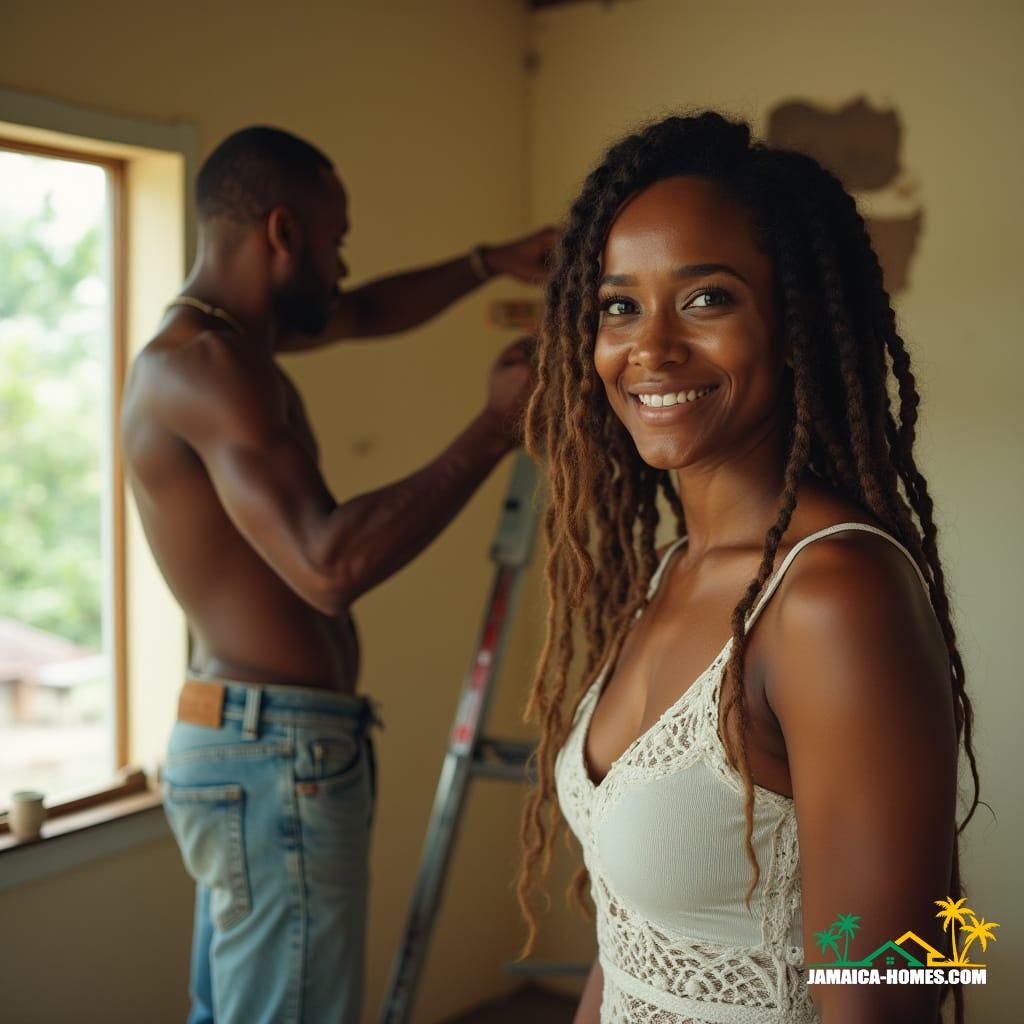
In Jamaica, the home is more than just a shelter—it’s a legacy. From the stately Great Houses of colonial days to the modest concrete bungalows built with “barrel money” from overseas family, every Jamaican home carries its own lineage. So, when it’s time to sell, it’s not just about square footage or location. It’s about honouring that history and helping a buyer see themselves as part of it.
That’s where the art of staging comes in—a practice that may seem modern but has deep roots in Jamaican tradition. And according to Dean Jones, one of Jamaica’s leading real estate experts, the most successful home sales are the ones that speak not just to the eye—but to the soul.
“Selling a Jamaican home is like passing on a family recipe—you’re offering more than a structure; you’re sharing a story. And the story starts in the right rooms.”
— Dean Jones, Jamaica Homes
The Historical Home: A Tapestry of Jamaican Life
To understand why certain rooms matter more when selling, we have to step back and examine how homes in Jamaica have evolved.
In post-emancipation Jamaica, the typical home was a simple board house with a zinc roof—humble, yes, but maintained with pride. The living room (then the parlour) was the crown jewel, often off-limits to children. It showcased family photos, lace doilies, and the occasional souvenir from “foreign.” These rooms weren’t just for comfort; they were statements of identity, resilience, and status.
Fast forward to the 1970s, and remittance-driven housing flourished. Families who migrated to the UK, US, or Canada sent back money to build “big yard” houses. The kitchen, once separate and outdoor, was now integrated into the home’s core. Verandahs gave way to carports, and decorative breeze blocks became a signature of suburban life.
Today, Jamaican homes—whether in Kingston, Mandeville, or Montego Bay—reflect a blend of modern amenities and timeless tradition. But the soul of the home remains the same.
Why Home Staging Works in Jamaica
Staging is the process of preparing your home for sale so buyers can imagine themselves living there. In a market as emotionally driven as Jamaica’s, where people often buy based on how a home makes them feel, staging isn’t just helpful—it’s essential.
Buyers today are more informed, more selective, and often more visual. They scroll through listings on PropertyAds or Jamaica Homes before ever scheduling a visit. If your home doesn’t “catch the eye” online, it may never get the chance to charm in person.
“A staged home doesn’t just sell faster—it sells with more heart. And in Jamaica, that heart is what buyers are after.”
— Dean Jones, Coldwell Banker Jamaica Realty
The Rooms That Sell Your Story
1. The Living Room — Still the Star of the Show
Once called the parlour, the living room was historically where Jamaicans displayed their finest possessions—china cabinets, artificial flowers, and “for guest only” furniture.
While tastes have evolved, the purpose hasn’t: this is still the room that sets the tone.
What to do:
Remove bulky or outdated furniture.
Add warm lighting and a few tasteful art pieces (bonus points for local artists).
Let natural light pour in—no blackout curtains here.
This room should feel airy, welcoming, and like a place where the new owner’s family legacy could begin.
2. The Kitchen — The Cultural Hearth
Jamaican kitchens are sacred spaces. It’s where curry simmers, dough is kneaded for festival, and generations share recipes handed down like gospel.
Modern buyers want a kitchen that feels functional but also emotionally rich.
What to do:
Clear countertops of clutter and food packaging.
Consider upgrading cabinet handles or adding a backsplash.
A bowl of local fruit (ackee, mango, banana) can give the space a fresh, island feel.
“The Jamaican kitchen is where the culture cooks—if buyers can picture Sunday dinner, they’re halfway sold.”
— Dean Jones, Jamaica Homes
3. The Primary Bedroom — From Rest to Retreat
In the past, bedrooms in Jamaican homes were shared among siblings and often doubled as storage. But times have changed. Today, the primary bedroom must feel like a sanctuary.
Think of it as a boutique hotel room in Negril—neutral, serene, and calming.
What to do:
Declutter and depersonalise (no graduation photos or political flags).
Use soft, neutral linens and coordinated pillows.
Add lamps and a small potted plant or flower vase.
Let the room whisper: you can rest here.
4. Outdoor Spaces — Your Verandah, Reborn
The verandah was the heartbeat of old-time Jamaican social life. Couples courted there. Auntie shelled peas there. Neighbours “reasoned” over a cold Red Stripe.
Now, whether it’s a balcony, patio, or backyard deck, this space is critical—especially for overseas buyers seeking an island lifestyle.
What to do:
Trim back overgrown plants.
Stage with a small outdoor table, a couple of chairs, and maybe a lantern or two.
Add a hammock or swing chair for flair.
“Outdoor space in Jamaica isn’t just a bonus—it’s a lifestyle. If they can picture a sundown here, you’ve won.”
— Dean Jones, Coldwell Banker Jamaica Realty
Honourable Mention: The Bathroom
Bathrooms in older Jamaican homes were sometimes afterthoughts—small, dimly lit, and strictly utilitarian. Today’s buyers want bright, clean, and functional.
Quick wins:
Replace old shower curtains.
Use white towels and minimal decor.
Deep clean the tiles and add a scented candle.
A little polish goes a long way.
Why You Don’t Need to Stage the Whole House
Contrary to popular belief, you don’t need to stage every room. Focus on the four that matter most: living room, kitchen, primary bedroom, and outdoor area.
This isn’t about creating an illusion—it’s about creating possibility.
If the budget is tight (and let’s be honest, some sellers are already eyeing their next mortgage), keep it simple. Clean, declutter, rearrange. You don’t need a big spend to make a big impact.
“Staging doesn’t mean pretending. It means preparing. And preparation is what separates a quick sale from a quiet listing.”
— Dean Jones, Jamaica Homes
When to Call in the Professionals
If your home is empty or unusually styled, it may be worth bringing in a professional stager. In Jamaica, services range from J$50,000 to over J$200,000 depending on the level of work needed.
The investment is often worth it, especially if your home is priced in the upper brackets. Buyers looking at $40M+ homes want a visual experience that matches their expectations.
Just be sure to consult your agent first—every dollar spent should serve your timeline and market value.
The Agent’s Eye: Strategy Meets Sentiment
An experienced Jamaican real estate agent will walk through your property with an objective eye—but a culturally sensitive heart.
They’ll tell you when to tone down the decor, which wall to repaint, or what legacy pieces to pack away. They’ll also help you judge how much effort to invest, based on your goals and local market conditions.
And perhaps most importantly, they’ll help you let go with grace.
“A good agent knows when to move a chair—and when to move emotion. Selling is about letting go the right way.”
— Dean Jones, Coldwell Banker Jamaica Realty
Final Thoughts: You’re Not Selling a House—You’re Handing Over History
In Jamaica, we don’t just move house. We move heart. The buyer isn’t just acquiring land and walls—they’re inheriting the echoes of laughter, the smell of fresh callaloo on a Sunday, the rhythm of rain on zinc.
So stage the rooms that matter. Honour the spaces that held your history. And trust the process that brings the next family home.
And if all else fails, remember this witty truth: if your kitchen still smells like Grandma’s stew peas, leave the door open—someone’s bound to walk in.
Need help figuring out where to begin with staging your Jamaican home? Connect with a trusted agent who can walk the journey with you. After all, legacy deserves a proper send-off.