


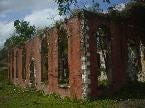
Salter’s Hill Baptist Church, located in St. James, holds significant historical and cultural importance in Jamaica, particularly in relation to the lives of enslaved Africans and their descendants. Built in 1825 by enslaved individuals, the church served as a vital space for worship and community, offering both spiritual guidance and a sense of unity amidst oppression. Its construction was overseen by Walter Denby, a Scottish missionary who, despite being imprisoned for his support of the enslaved, continued his work after his release, further solidifying the church’s role in the abolitionist movement. The church also became a platform for post-emancipation leaders, such as former enslaved persons, who spoke to large crowds from this site, advocating for justice and land rights as a means for economic independence. The church’s association with William Knibb, a well-known abolitionist and minister, further underscores its importance in the fight for freedom. Though the church was destroyed by fire in the early 1900s, its ruins still stand today, a testament to the resilience of those who built and worshipped there. The remaining structure, constructed of cut stone in the Georgian style, is an architectural marvel, with well-preserved features such as arches around the windows and doors, and the baptismal font still intact. The Walter Denby Memorial stands nearby, honoring those who contributed to the Baptist ministry and the labor movement post-emancipation. As a historical site, Salter’s Hill Baptist Church is not only a significant marker of Jamaica’s past but also influences real estate and heritage conservation efforts, as it attracts those interested in the island’s colonial history and the broader struggle for freedom and equality. Its enduring presence continues to shape the cultural and historical landscape, offering insights into the social dynamics of the enslaved and their fight for emancipation.