


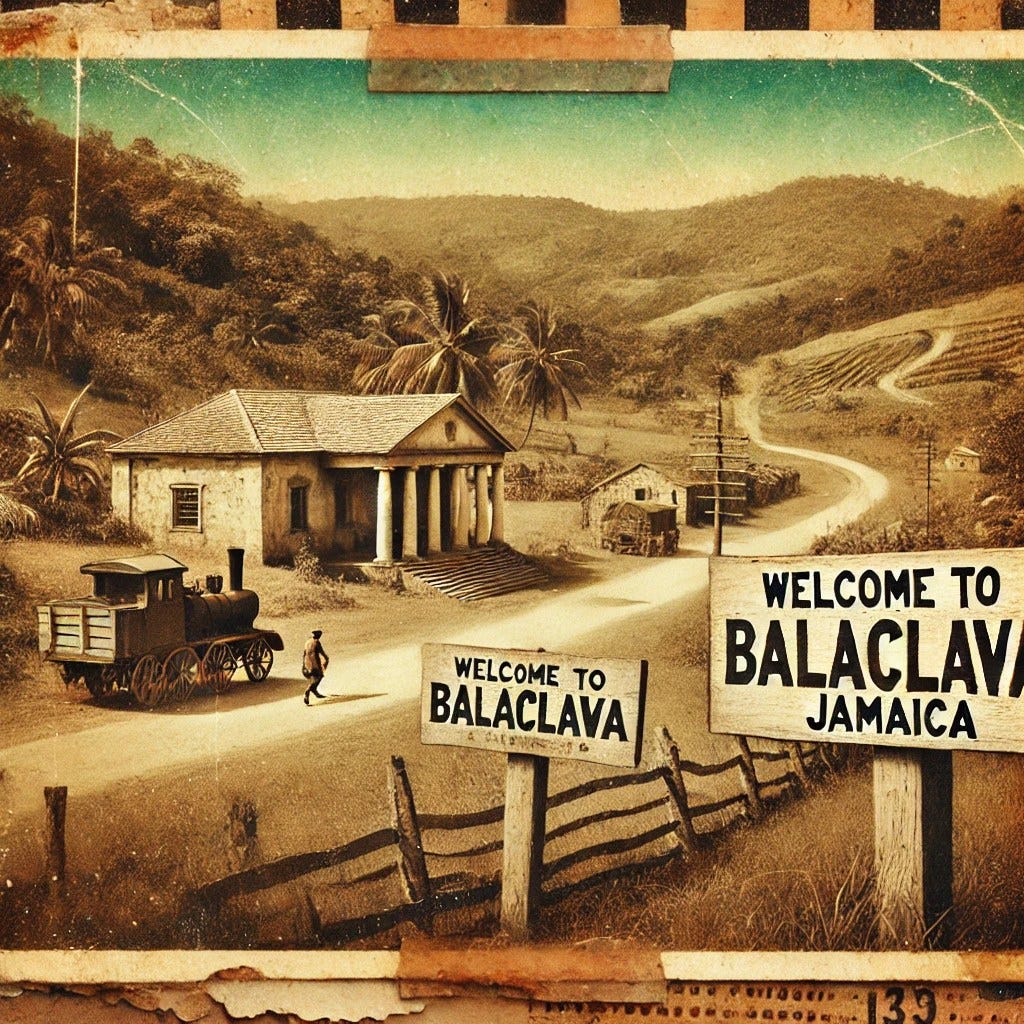
Balaclava, Saint Elizabeth: A Historic Rural Gem
Balaclava is a rural town in northern Saint Elizabeth Parish, Jamaica, located at approximately 18.17°N and 77.64°W. Surrounded by rolling hills, the town enjoys a cool climate and lush vegetation. It is accessible via roads connecting it to Maggotty, Santa Cruz, and Siloah, making it a key link between the interior and coastal regions. The community thrives on agriculture and preserves a rich cultural heritage.
Colonial Roots and Agricultural Legacy
Balaclava dates back to the 18th century when it was a hub for sugarcane and coffee plantations. During British colonial rule, it became an important transport and trade center, aided by the now-defunct Jamaica Railway. The Balaclava Railway Station remains a historic relic of this period. After the abolition of slavery in 1838, freed Africans settled here, establishing small farms that sustained the local economy. Crops like sugarcane, bananas, and yams remain key to the town’s livelihood.
Culture and Community Life
Balaclava has a close-knit community where farming and livestock rearing continue to be central. Churches play a vital role in social and spiritual life, hosting gatherings and celebrations. The town is known for its colonial-era buildings, plantation ruins, and remnants of the railway system. Traditional music, folk storytelling, and local cuisine—such as jerk pork and fried fish—are deeply embedded in the culture.
Though modernization has brought changes, Balaclava retains its historical charm. Its strong agricultural foundation and preserved heritage make it a key part of Jamaica’s cultural and economic landscape.