

St. Dorothy’s Anglican Church Stands as One of Jamaica’s Oldest Surviving Colonial Landmarks

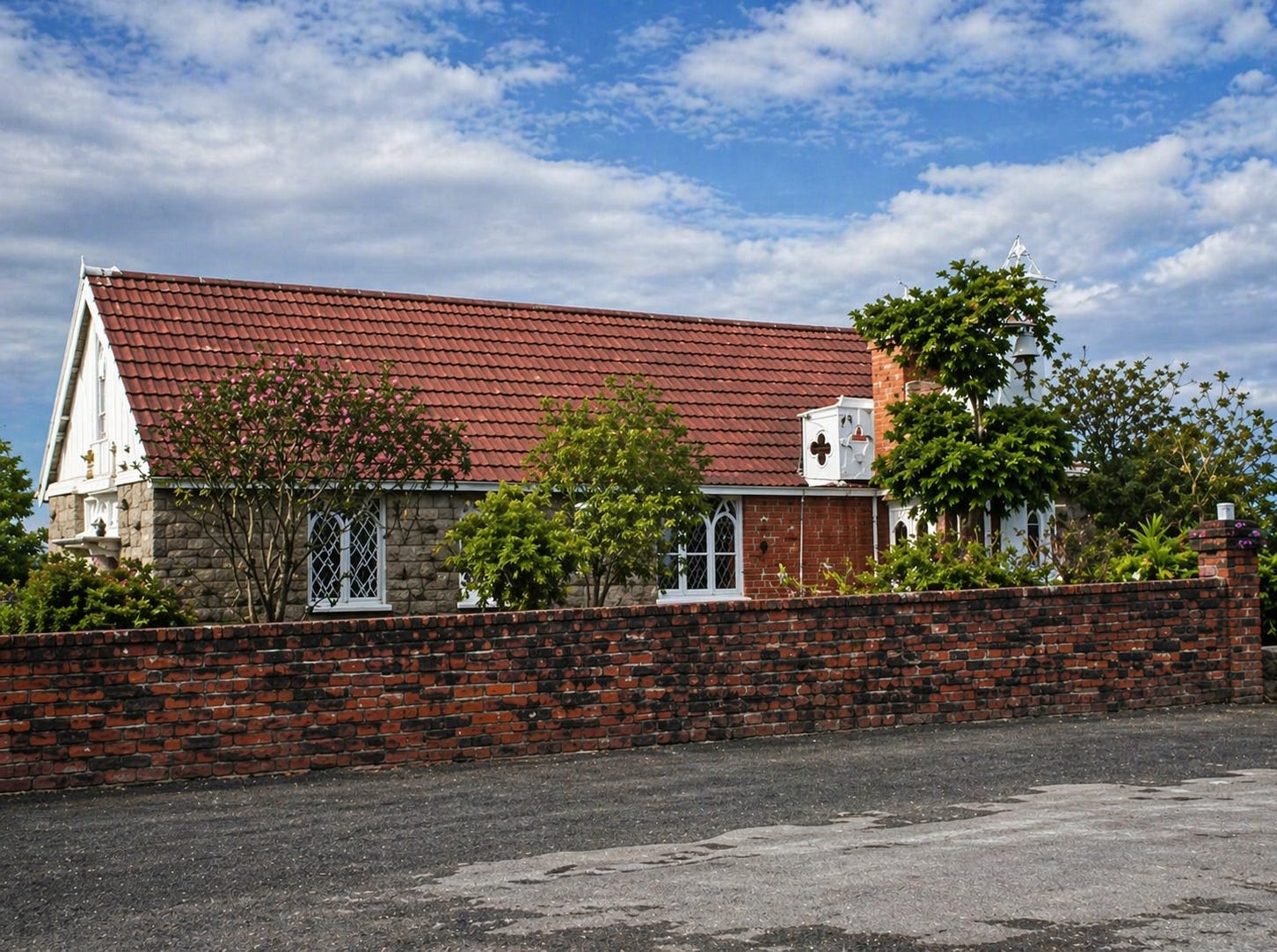
One of Jamaica’s oldest churches, built in 1681, remains a cultural and architectural landmark amid rapid growth in St. Catherine.
Dating to 1681, the church is among the oldest surviving Anglican structures in Jamaica
Located near Old Harbour, an area experiencing steady residential expansion
Reflects early colonial construction using stone, brick and timber adapted to tropical conditions
Heritage experts say such sites are increasingly important as development accelerates
Old Harbour, Jamaica — April 21, 2026 — As development continues to reshape parts of Saint Catherine Parish, one of the island’s oldest धार्मिक landmarks, St. Dorothy’s Anglican Church, is drawing renewed attention for its historical and cultural significance.
Built in 1681 on land donated by Colonel Thomas Fuller and his wife, Catherine Fuller, the church dates back to a period when Jamaica was still in the early decades of British rule following the 1655 capture of the island from Spain. Historical accounts indicate that the surrounding area once formed part of the former Parish of St. Dorothy, from which the church takes its name.
Constructed using a mix of cut stone, brick, mortar and timber, the building reflects a blend of European ecclesiastical design and local adaptation. Thick masonry walls and simple structural forms were typical of late 17th-century construction in the Caribbean, where durability and climate resilience were essential.
According to the Jamaica National Heritage Trust, colonial-era churches such as St. Dorothy’s form part of the island’s protected historical fabric, representing early settlement patterns, religious life and architectural evolution. While not all structures from this period have survived, those that remain are considered important reference points in understanding Jamaica’s built environment.
“Buildings like St. Dorothy’s are more than places of worship, they are physical records of how communities were formed and how architecture adapted over time,” said a heritage consultant familiar with preservation efforts in Saint Catherine Parish. “As development increases, their presence becomes even more important.”
The church continues to function as an active place of worship, linking past and present through regular services and community events. Its continued use has contributed to its preservation, allowing it to remain a living structure rather than a purely historical site.
Its influence also extends beyond religion. In real estate terms, heritage landmarks often contribute to a sense of place, shaping how communities develop and how areas are perceived by residents and visitors. In and around Old Harbour, where new housing schemes and infrastructure projects have expanded in recent years, such sites provide continuity amid change.
Across Jamaica and the wider Caribbean, colonial-era churches remain enduring symbols of a complex history that includes settlement, empire and cultural transformation. While some have deteriorated over time, others, including St. Dorothy’s Anglican Church, continue to serve both spiritual and cultural roles.
For a parish like Saint Catherine Parish, now one of the fastest-growing in the country, the balance between preservation and development is becoming more visible. Heritage structures, once taken for granted, are increasingly seen as assets that contribute to identity, tourism potential and long-term community value.