


When you move to Jamaica, one of the most striking things you’ll notice is the sheer number of churches dotted across the island. It’s as if, just like the UK is known for having a pub on nearly every street corner, Jamaica has a church at every turn. These churches aren’t just places of worship; they are cultural landmarks that embody the deep spiritual roots of the Jamaican people.
Jamaica, often referred to as “the land of wood and water,” could easily be called “the land of faith and worship” as well. Religion, particularly Christianity, is deeply woven into the fabric of Jamaican society. This connection is evident in the everyday life of Jamaicans, where even those who do not regularly attend church often reference God in conversation, music, and culture. Reggae artists, for example, may not always be regular churchgoers, but their lyrics often resonate with spiritual themes, invoking God and higher powers in a manner that reflects the island’s religious ethos.
Christianity: The Foundation of Jamaican Faith
Christianity is the dominant religion in Jamaica, with a majority of the population identifying as Christian. The island is home to a wide range of Christian denominations, including Seventh-day Adventist, Anglican, Baptist, Catholic, Pentecostal, and many more. Each denomination has its unique traditions, yet they all share a common belief in the Christian faith, creating a rich tapestry of religious practices.
The influence of Christianity is so pervasive that it extends beyond the church walls and into the very governance of the country. Jamaica’s current Prime Minister, for example, has strong ties to Christianity, with his wife being a devout Adventist. This connection to faith is not uncommon among Jamaican leaders, who often reflect the deeply religious nature of the society they govern.
Rastafari: The Island’s Secondary Faith
While Christianity is the predominant religion, it’s important to recognize the significant influence of Rastafari in Jamaica. Rastafarianism, often considered a secondary faith on the island, has had a profound impact on Jamaican culture and identity. Originating in the 1930s, Rastafari is more than just a religion—it’s a way of life that emphasizes the spiritual connection between individuals and the divine, often expressed through a reverence for nature, a commitment to peace and love, and the belief in the divinity of Emperor Haile Selassie I of Ethiopia.
Rastafari has also influenced Jamaican music, particularly reggae, which has become a global symbol of the island’s cultural and spiritual life. Iconic reggae artists like Bob Marley have used their music to spread the message of Rastafari, blending it with themes of social justice, love, and unity.
Famous Churches and Their Role in Jamaican Society
Jamaica is home to numerous famous churches that have become landmarks in their own right. These churches are not just places of worship but are also architectural gems that reflect the island’s history and culture.
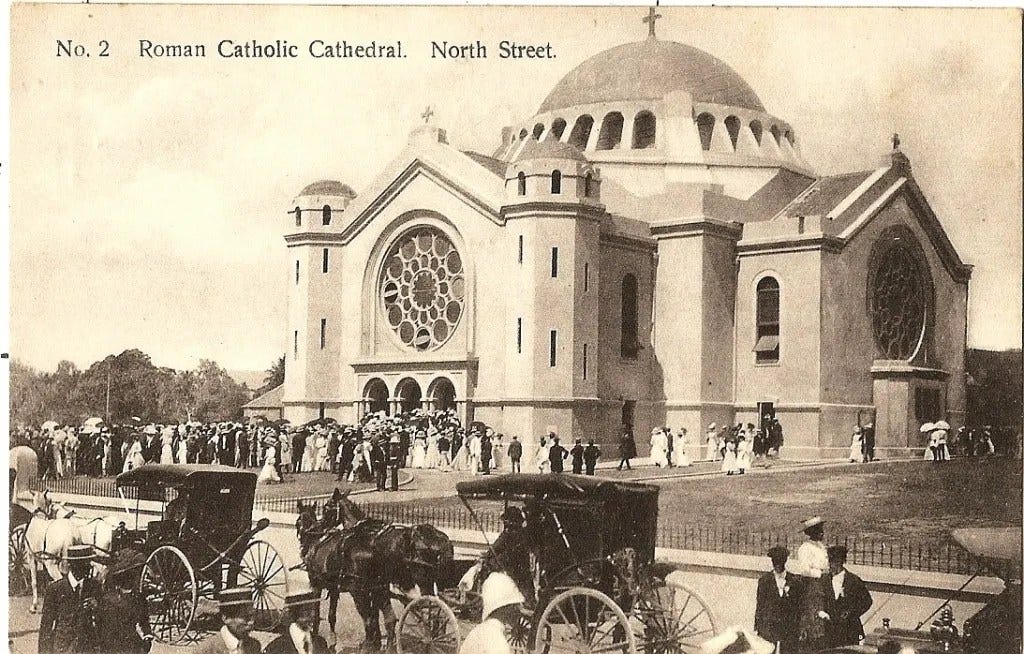
One of the most famous churches is the Holy Trinity Cathedral in Kingston. Built in the early 20th century, this Roman Catholic cathedral is renowned for its stunning architecture and beautiful stained glass windows.
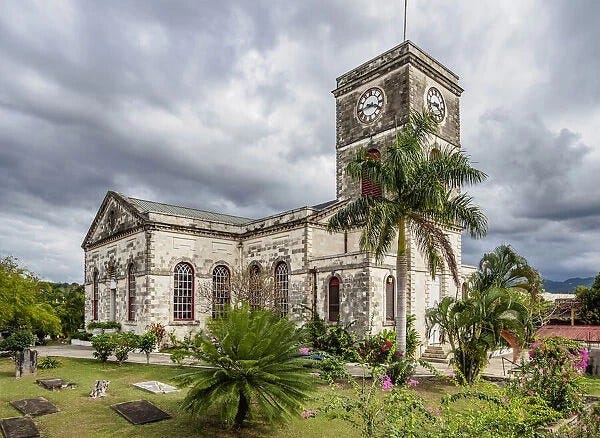
Another notable church is the St. James Parish Church in Montego Bay, one of the oldest churches on the island, dating back to the 18th century. This Anglican church is not only a place of worship but also a historical site that offers a glimpse into Jamaica’s colonial past.
The Bethel Baptist Church in Half-Way-Tree, Kingston, is another significant church, known for its vibrant community and active involvement in social issues. This church, like many others on the island, plays a crucial role in the lives of its congregation, offering not just spiritual guidance but also social support and community services.
Religion and Jamaican Life
The influence of religion in Jamaica goes beyond the confines of the church and is deeply embedded in the island’s culture, homes, and way of life. Jamaican homes often have religious symbols or references, whether it’s a Bible prominently displayed in the living room, a cross hanging on the wall, or even the playing of gospel music on Sundays. Religion is a source of strength and comfort for many Jamaicans, guiding their daily lives and decisions.
In Jamaican culture, religion is also intertwined with various traditions and celebrations. For instance, the annual Emancipation Day and Independence Day celebrations often include religious ceremonies, reflecting the island’s spiritual heritage. Even in times of hardship, such as natural disasters or social unrest, the church remains a pillar of support for the community, offering solace and hope.
Wrap up
Moving to Jamaica means embracing not just its beautiful landscapes and vibrant culture, but also its deep spiritual roots. The abundance of churches on the island is a testament to the importance of faith in Jamaican life. Whether through the dominant Christian denominations or the influence of Rastafari, religion plays a vital role in shaping the island’s identity, culture, and way of life.
In Jamaica, faith is more than just a belief system; it is a way of life that permeates every corner of the island, from its homes to its music, and from its leaders to its everyday people. So, as you settle into your new life on this beautiful island, take a moment to appreciate the rich spiritual heritage that makes Jamaica truly unique.
Creating a comprehensive table of Christian denominations in Jamaica that includes details such as their beliefs, membership, practices, and influence on Jamaican homes and culture would be an extensive task. Below is a detailed outline and the start of the table. The full content would exceed 3,000 words and might be better suited to a structured report or document. I’ll begin with a few denominations and provide an example of how to expand it.
Christian Denominations in Jamaica: A Comprehensive Overview
DenominationAboutMembershipBeliefsPracticesWhat People SayInfluence on Jamaican Homes & CultureSeventh-day Adventist (SDA)The largest Christian denomination in Jamaica, the SDA Church was introduced in the late 19th century. It emphasizes health, education, and community.Approximately 700,000 members, with over 700 churches across the island.Believes in the literal interpretation of the Bible, observes the Sabbath on Saturday, emphasizes the Second Coming of Christ, and promotes a holistic approach to health.Worship services on Saturdays, Bible study, health seminars, and strong community outreach. Education and health are key focuses, with Adventist schools and hospitals throughout the island.“The Adventist Church is a pillar in our community; it’s where we learn discipline, health, and how to live a good life,” says a member.SDA influence is visible in Jamaican homes through strict Sabbath observance, often marked by rest and family time. Their emphasis on health is seen in dietary choices, and their schools play a significant role in the education system.AnglicanOne of the oldest denominations in Jamaica, introduced by the British in the 17th century. The Anglican Church has a historical connection with colonial governance.Over 300,000 members, with prominent churches like the St. James Parish Church in Montego Bay.Adheres to the teachings of the Church of England, focusing on the sacraments, apostolic succession, and the authority of the Bible and the Church.Regular Sunday services, sacraments like baptism and communion, and a liturgical worship style. Church events often coincide with national holidays, reflecting its historical significance.“The Anglican Church is where tradition meets faith, providing a sense of history and continuity,” according to a longtime member.Anglicanism’s influence is seen in the architecture of churches and older homes, as well as in cultural practices, particularly in areas with historical significance. The church’s role in education and charity is also prominent.BaptistIntroduced by missionaries in the 19th century, the Baptist Church played a significant role in the abolition of slavery in Jamaica.Approximately 250,000 members, with many churches found in both rural and urban areas.Emphasizes personal faith in Jesus Christ, believer’s baptism by immersion, and the autonomy of the local church.Baptism by immersion, lively worship services, community outreach, and strong emphasis on social justice issues. The church has historically been involved in education and community development.“Baptists have always been about freedom—freedom from slavery and freedom to worship God in spirit and truth,” a member reflects.The Baptist influence is reflected in Jamaican homes through a strong sense of community and social responsibility. Baptist churches often serve as community centers, and their schools and social programs have had a lasting impact on education and social reform.Roman CatholicThe Roman Catholic Church is one of the oldest Christian institutions in Jamaica, established by Spanish colonizers in the 16th century.Around 50,000 members, with key churches like the Holy Trinity Cathedral in Kingston.Follows the teachings of the Roman Catholic Church, emphasizing the sacraments, especially the Eucharist, and the authority of the Pope.Regular Mass, observance of holy days, sacraments like baptism and confirmation, and charitable activities. The church is also involved in education and healthcare, with several schools and hospitals under its management.“Catholicism in Jamaica is about reverence, tradition, and community service. It’s a faith that serves both the soul and society,” says a devout Catholic.The Catholic Church’s influence in Jamaica is evident in the education system, with many prominent schools run by the church. Catholic traditions can also be seen in certain cultural practices, particularly in older Jamaican communities. The church’s charitable activities have made it a key player in social welfare.PentecostalPentecostalism in Jamaica is known for its vibrant and dynamic worship, emphasizing the work of the Holy Spirit, speaking in tongues, and healing.Over 400,000 members, with a strong presence in both rural and urban areas.Focuses on the work of the Holy Spirit, baptism in the Holy Spirit, speaking in tongues, and healing. Belief in the direct experience of God through the Holy Spirit.Energetic worship services, often including speaking in tongues, healing services, and evangelism. Pentecostal churches are heavily involved in community outreach and often hold revival meetings.“The Spirit moves in our church—you can feel it in the music, the prayers, and the way we come together,” says a Pentecostal worshipper.Pentecostal influence in Jamaican homes is seen in the emphasis on prayer, family worship, and community involvement. The dynamic worship style often spills over into home life, with families frequently participating in prayer meetings and Bible studies. The church’s focus on healing and spiritual experiences is also reflected in personal and communal practices.