


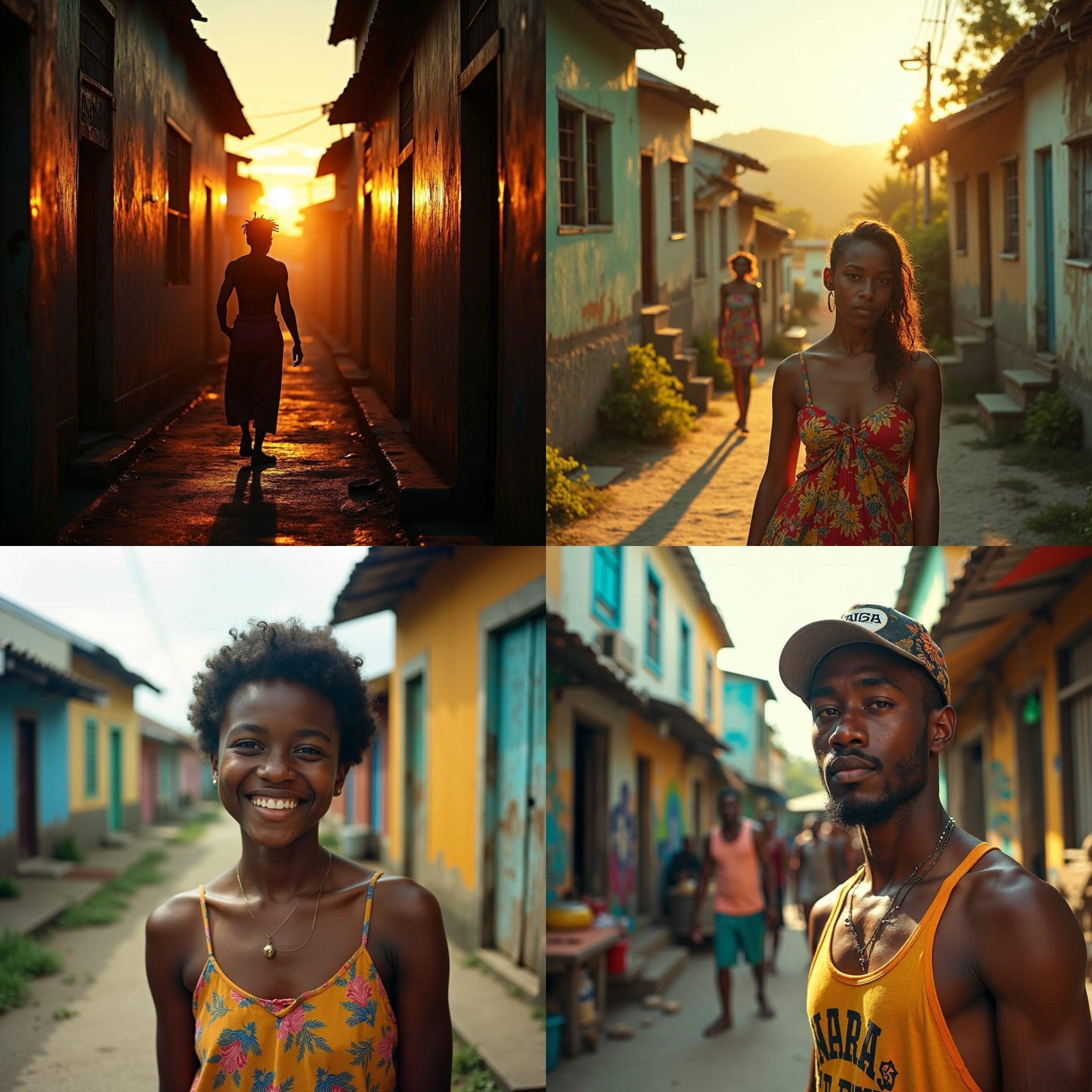
In Jamaica, the term “ghetto” historically refers to urban areas that emerged in the mid-20th century, often characterized by high-density, low-income housing and a lack of infrastructure and resources. These areas initially formed as a response to rapid urbanization and economic challenges that saw large numbers of rural Jamaicans migrating to cities, particularly Kingston, in search of work and better opportunities. Many migrants found themselves in informal settlements on the outskirts of established neighborhoods, such as West Kingston, where they faced overcrowded living conditions and limited access to amenities like clean water, sanitation, and education. These communities became known as ghettos, and the term evolved to signify a place marked by social and economic hardship, often marginalized from mainstream society. Over time, the ghetto took on complex meanings, reflecting not only physical spaces but also a cultural identity shaped by the resilience and creativity of those who lived there.
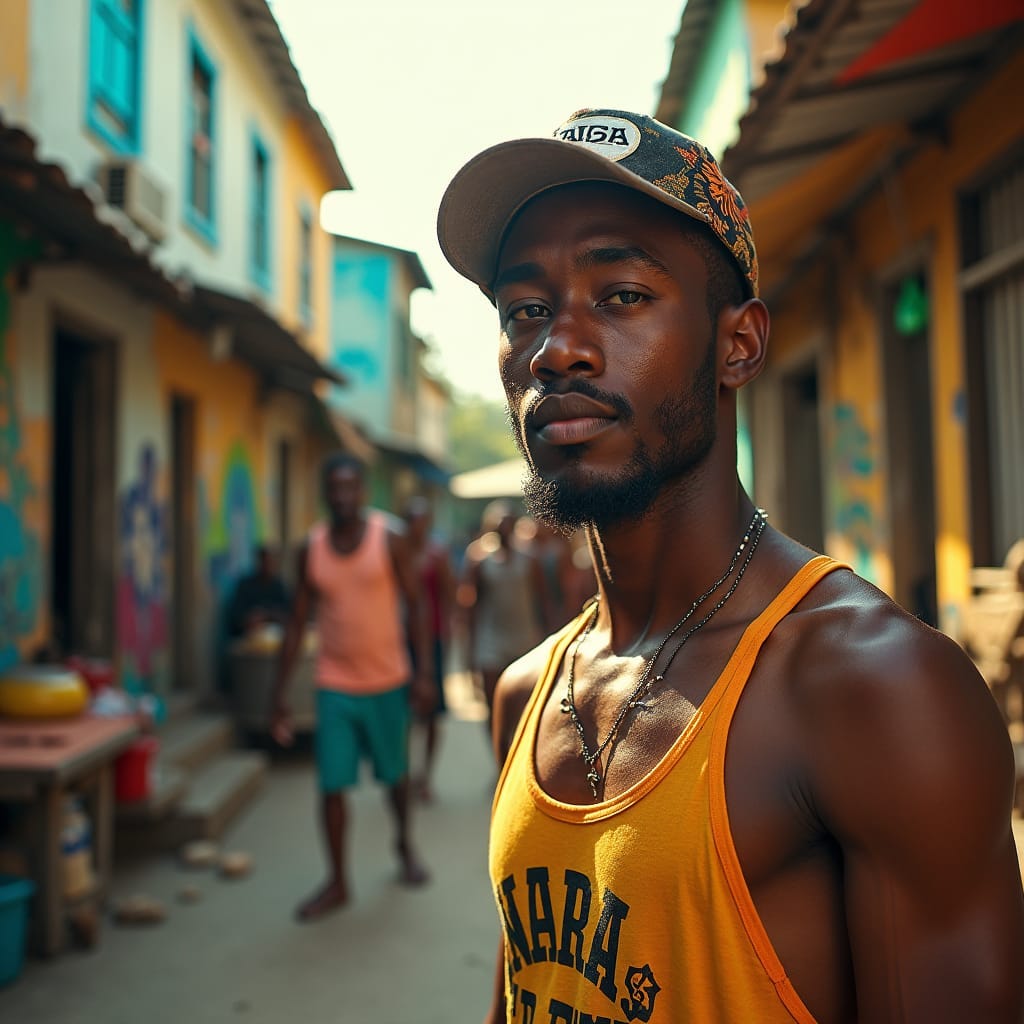
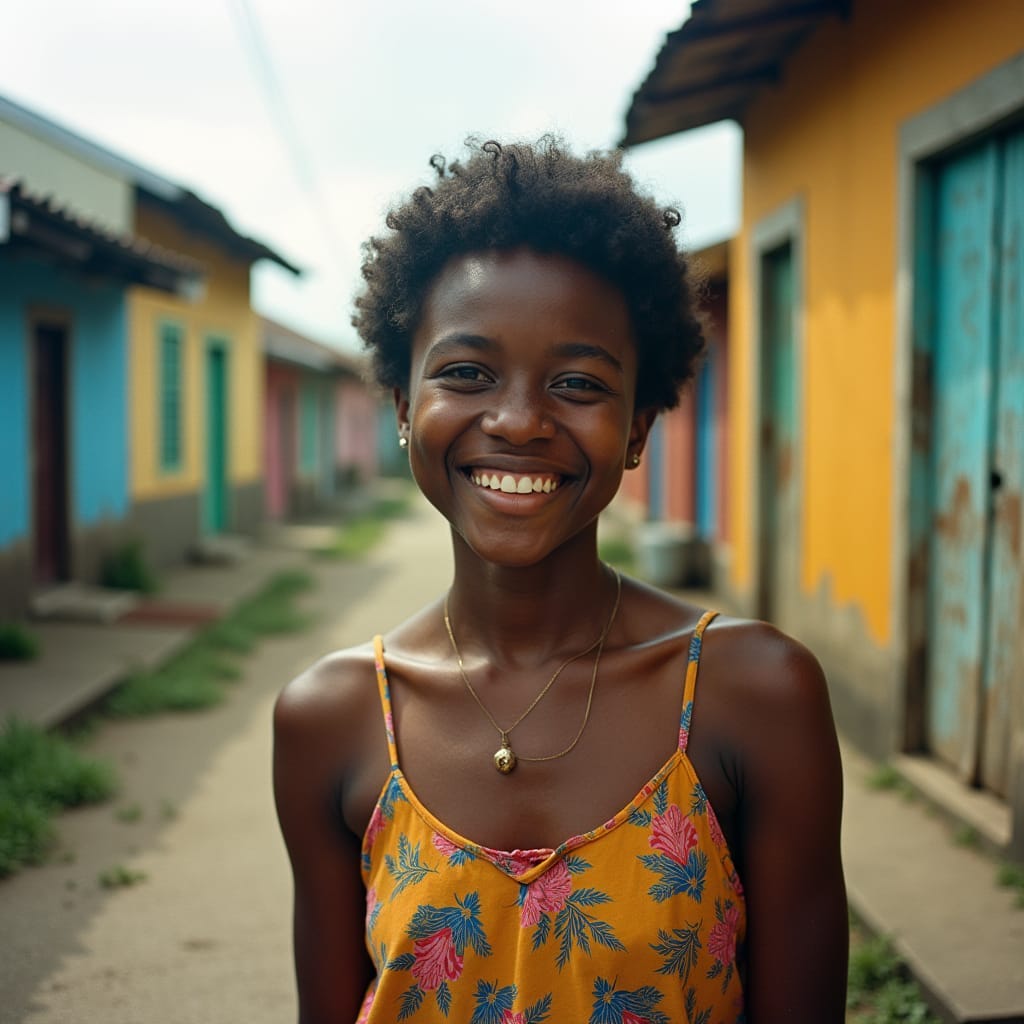
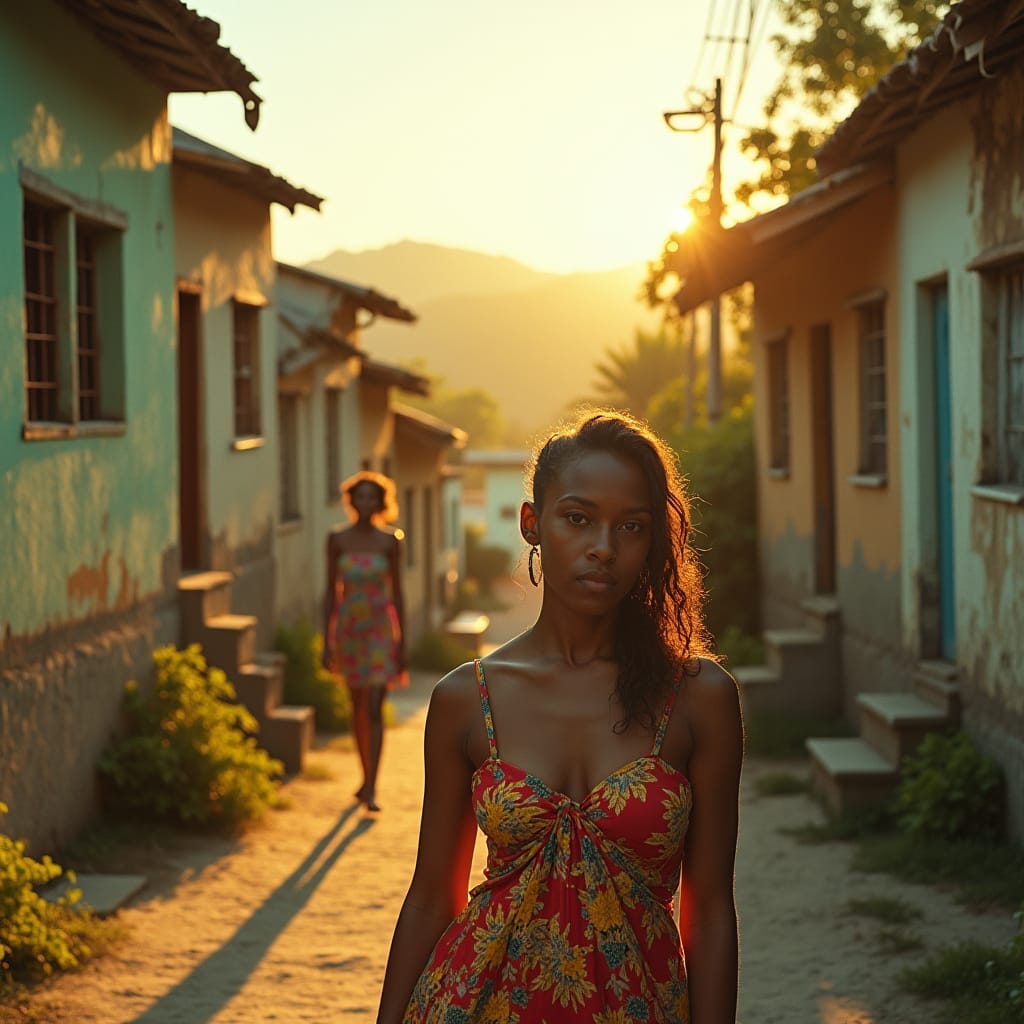
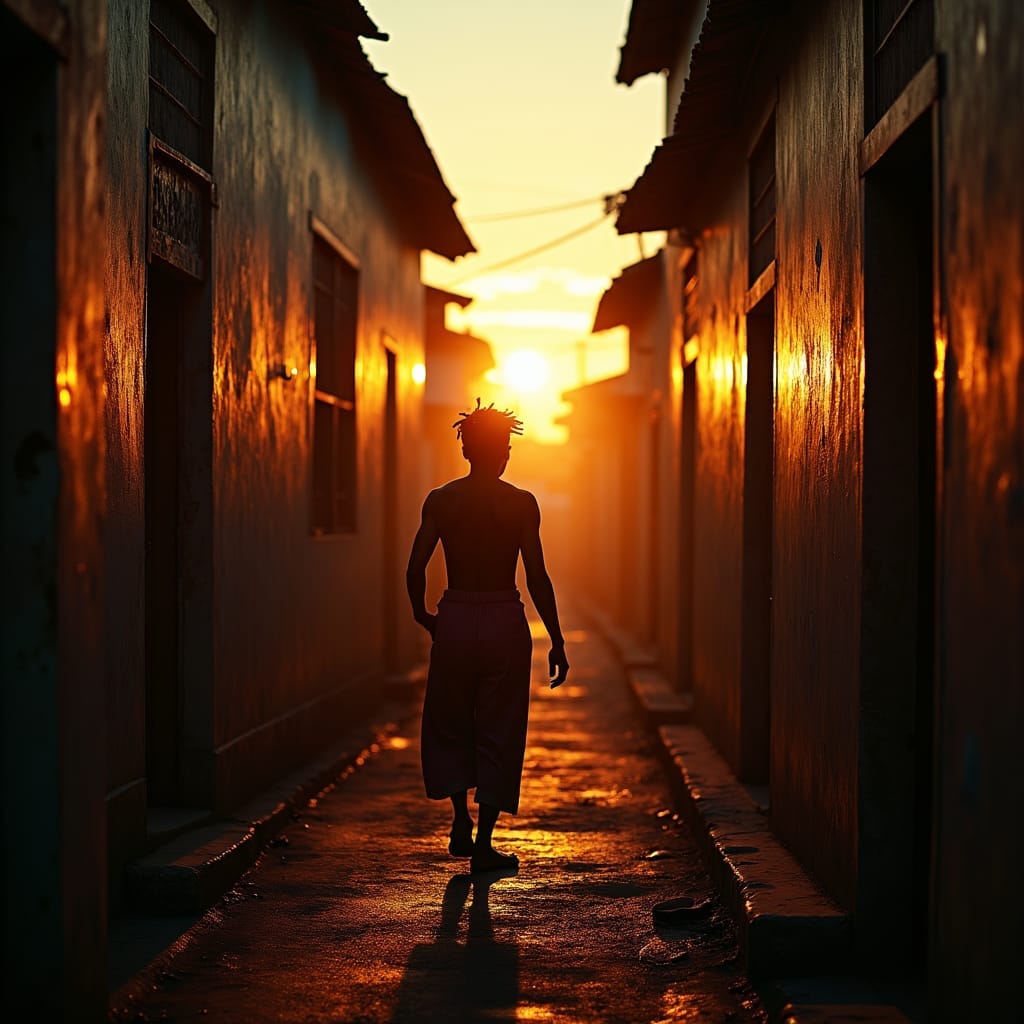
During the 1960s and 1970s, political and economic shifts significantly impacted Jamaican ghettos, particularly in areas like Tivoli Gardens, Denham Town, and Trench Town. These neighborhoods became politically charged spaces, as Jamaica’s two major political parties, the People’s National Party (PNP) and the Jamaica Labour Party (JLP), sought to influence and control these densely populated areas. This political influence often manifested through support programs, infrastructure improvements, and community projects aimed at winning loyalty. However, it also contributed to the stigmatization of these neighborhoods as breeding grounds for crime and violence. As social pressures mounted, the ghetto’s image became intertwined with political rivalries, economic struggles, and a lack of state support. Despite this, these neighborhoods maintained a strong sense of community and identity, often fostering a unique cultural expression that has had a lasting impact on Jamaican music, art, and resistance movements.
Jamaican ghettos are also known for their profound influence on the island’s cultural landscape, particularly through reggae and dancehall music. Artists like Bob Marley, Peter Tosh, and other icons emerged from ghetto neighborhoods, using their music to shed light on the struggles, hopes, and dreams of the marginalized. Their lyrics spoke about the harsh realities of ghetto life, from police brutality to poverty, but also about love, unity, and resilience. This cultural expression has allowed ghetto communities to claim a sense of pride and identity that transcends their socioeconomic challenges. For many, the ghetto is not just a place of hardship but also a source of artistic creativity and social commentary. Through reggae and dancehall, the narratives of these communities reached global audiences, turning the Jamaican ghetto into a symbol of both struggle and resistance worldwide.
Today, the term “ghetto” in Jamaica carries layers of meaning, symbolizing a unique blend of hardship, resilience, and cultural pride. While ghettos are still associated with poverty, overcrowding, and crime, they also represent communities that have fought to maintain their identity and dignity amidst systemic challenges. In recent years, there have been efforts to improve conditions within these neighborhoods through social programs, community empowerment projects, and housing initiatives. Yet, the deep-rooted challenges of economic inequality, limited access to education, and unemployment continue to persist, reinforcing the cyclical nature of ghetto life in Jamaica. Despite these struggles, the people from these communities continue to shape Jamaican identity and culture, making the ghetto both a place of complex social realities and a rich source of national pride and cultural influence.