


The Kingston Heritage Sites provide a rich tapestry of Jamaica’s historical and cultural evolution, each site embodying different aspects of the capital’s diverse past. Here’s an overview of these significant landmarks, each contributing to the city’s unique historical narrative:
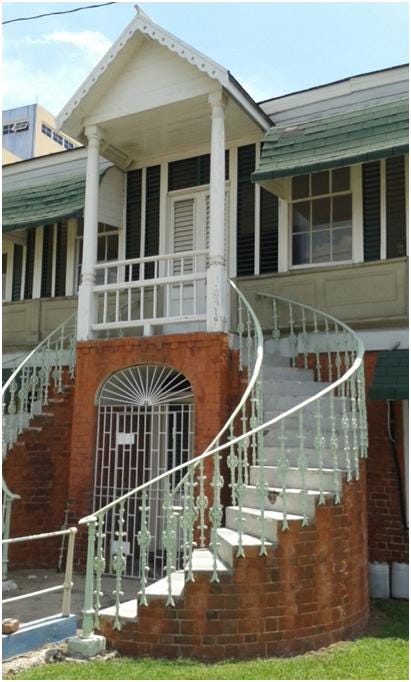
150 East Street stands as a rare example of Jamaica Georgian architecture in Kingston. This two-storey building reflects the architectural style that once graced the city, representing a bygone era of elegant design and construction. Its preservation amidst modern developments highlights its historical value and the architectural legacy of the Georgian period.
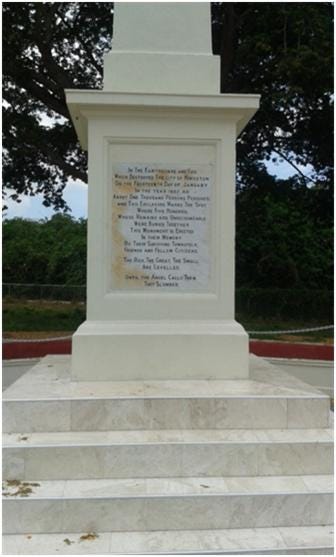
The 1907 Earthquake Monument serves as a solemn tribute to the devastating earthquake that struck Kingston in 1907. This monument is a lasting reminder of the catastrophic event that caused severe damage to the capital city, marking a significant turning point in Kingston’s urban development and recovery efforts.
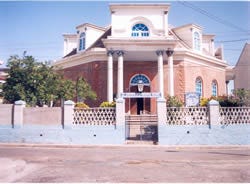
Scots Kirk Church holds the distinction of being the principal Presbyterian Church in Jamaica. Its establishment represents the presence and influence of Presbyterianism on the island, reflecting the religious diversity and historical development of Christian denominations in Jamaica.
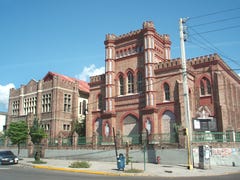
Coke Methodist Church is named in honor of Dr. Thomas Coke, a prominent figure in the establishment of Methodist Missions in Jamaica. This church stands as a testament to his contributions to the Methodist movement and its growth across the island.
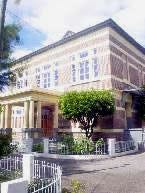
East Queen Street Baptist Church once boasted the largest Baptist congregation in the world. This significant achievement underscores the church’s prominence and its role in the religious and social fabric of Kingston during its peak.
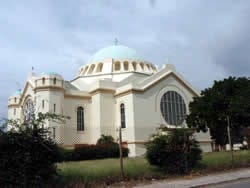
Holy Trinity Cathedral, completed in 1911, showcases the Byzantine Revival architectural style. This grand cathedral stands as a notable example of early 20th-century church design, reflecting the era’s architectural trends and the significance of ecclesiastical architecture in Kingston.
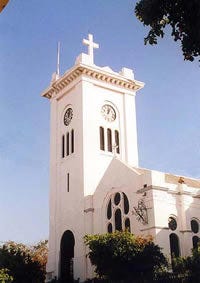
Kingston Parish Church, constructed around 1911 on the site of its predecessor, represents a continuity of religious and community life in Kingston. Its establishment on the foundations of the original church connects modern worship practices with the historical roots of the parish.
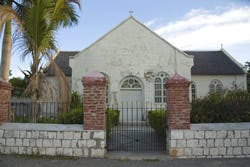
St. Peter’s Church, originally destroyed by the great earthquake of 1692 in Port Royal, marks a significant historical event that reshaped the city. Its original destruction and subsequent reconstruction are emblematic of the resilience and enduring legacy of Jamaica’s ecclesiastical heritage.
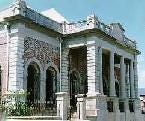
Wesley Methodist Church, built in 1825, exemplifies early 19th-century Methodist church architecture. Its historical importance lies in its role in the Methodist community and its architectural contribution to the religious landscape of Kingston.
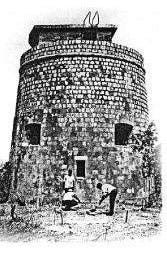
Fort Nugent, located in Harbour View, was first established by the Spanish slave agent James Castillo. This fortification was constructed to protect his residence from potential attacks, showcasing the early military and defensive strategies employed in the region.
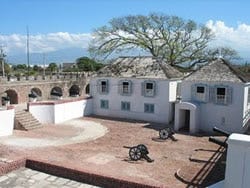
Fort Charles, the first fort erected in Port Royal, was built in the late 1650s to protect the bustling port city. Its establishment reflects the strategic importance of Port Royal in colonial Jamaica and its role in maritime defense.
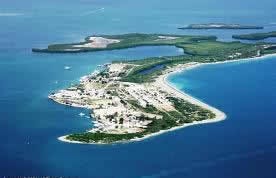
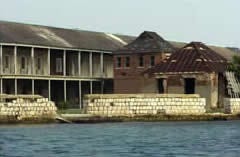
The Port Royal Forts, including Fort Carlisle, Fort Morgan, and Fort Rocky, were part of a network of fortifications designed to defend Port Royal, which was once known as “the richest and wickedest city in the world.” These forts illustrate the city’s historical significance as a major naval base and trade hub.
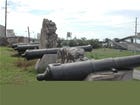
Rockfort, fortified in 1694 under the command of Ducasse, was initially built to guard against a potential French invasion from Santo Domingo. Its construction highlights the geopolitical tensions of the time and the strategic measures taken to protect Jamaica.
Rockfort Spa, believed to have emerged miraculously after the 1907 earthquake, is renowned for its therapeutic qualities. The spa’s unique origin story adds to its historical and cultural significance, attracting visitors seeking both healing and historical reflection.
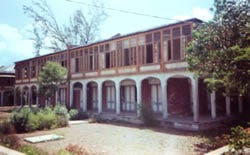
The Admiralty Houses, part of the Old Naval Dockyard in Port Royal, are remnants of Jamaica’s naval history. These structures reflect the strategic and administrative roles of Port Royal in maritime affairs.
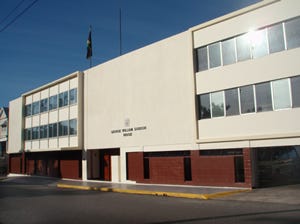
Gordon House, a contemporary two-storey building with a distinct symmetrical design, serves as a notable example of modern architectural design in Kingston. Its design and function highlight the evolution of architectural styles and their role in the city’s development.
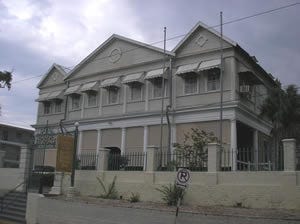
Hibbert House, also known as Headquarters House until the owner’s death, represents a significant building in Kingston’s historical and architectural landscape. Its name and history contribute to the understanding of the city’s development over time.
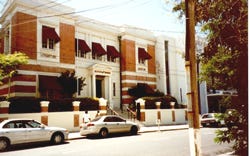
The Institute of Jamaica, established in 1879 during Sir Anthony Musgrave’s governorship, is a cornerstone of Jamaica’s cultural and historical preservation efforts. Its establishment underscores the importance of institutions dedicated to the study and preservation of Jamaican heritage.
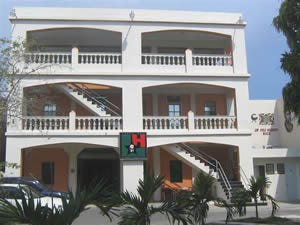
Liberty Hall, once the center of activities for the Kingston division of The U.N.I.A., played a crucial role in the cultural and political activities of the early 20th century. It reflects the impact of Marcus Garvey’s movement and its influence on Kingston.
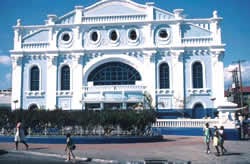
Ward Theatre, gifted to Kingston by Colonel Charles Ward in 1912, is a prominent cultural venue. Its establishment as a gift highlights the role of cultural institutions in the city’s entertainment and artistic landscape.
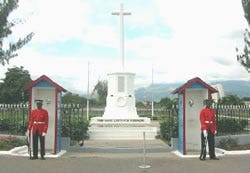
National Heroes Park, now a site of reflection, was once a popular gathering spot in Kingston. Its transformation into a national monument underscores its significance in commemorating Jamaica’s heroes and their contributions to the nation.
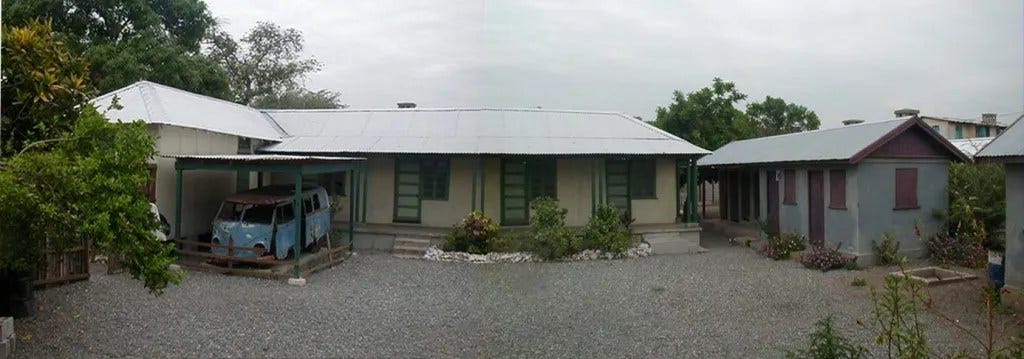
Trench Town Culture Yard, built by the Central Housing Authority between 1940 and 1949, represents a key aspect of Kingston’s housing and cultural development. Its preservation reflects the historical importance of housing projects in shaping the community.
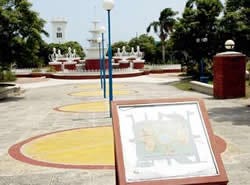
St. William Grant Park, located in the heart of Downtown Kingston, serves as a central recreational and cultural space. Its location and role in the city underscore its importance as a community hub.
Port Royal Terrestrial and Underwater Archaeology sites offer valuable insights into Jamaica’s maritime and terrestrial history. These archaeological endeavors provide a deeper understanding of Port Royal’s historical significance and its role in the island’s development.
Tower Street General Penitentiary, with its exquisite Jamaican Georgian architecture, stands as a historical and architectural landmark. Its design reflects the architectural styles and correctional practices of its time.
Kingston Railway Station, constructed in Jamaica-Georgian style, represents an important aspect of Kingston’s transportation history. Its architecture highlights the development of the railway system and its impact on the city.
The Monuments to Jamaica’s national heroes, including Sir Alexander Bustamante, Michael Manley, Sir Donald Sangster, George William Gordon, Paul Bogle, Marcus Garvey, Nanny, Norman Manley, and Samuel Sharpe, celebrate the contributions of these pivotal figures to Jamaican history. Each monument, designed by notable artists and completed at different times, reflects the enduring legacy and significance of these individuals in shaping Jamaica’s national identity.
Negro Aroused, created by Edna Manley in 1935, stands as a powerful artistic representation of the cultural and social themes of its time. Its creation reflects the role of art in expressing and shaping societal values.
The Public Buildings East and West, among Kingston’s early structures to use concrete, highlight the city’s architectural and infrastructural development. These buildings represent a significant shift in construction practices and the modernization of urban design.
Each Kingston Heritage Site offers a unique perspective on the city’s past, providing valuable insights into its architectural, cultural, and historical evolution. These landmarks collectively contribute to a deeper understanding of Kingston’s development and its role in Jamaica’s broader historical narrative.