
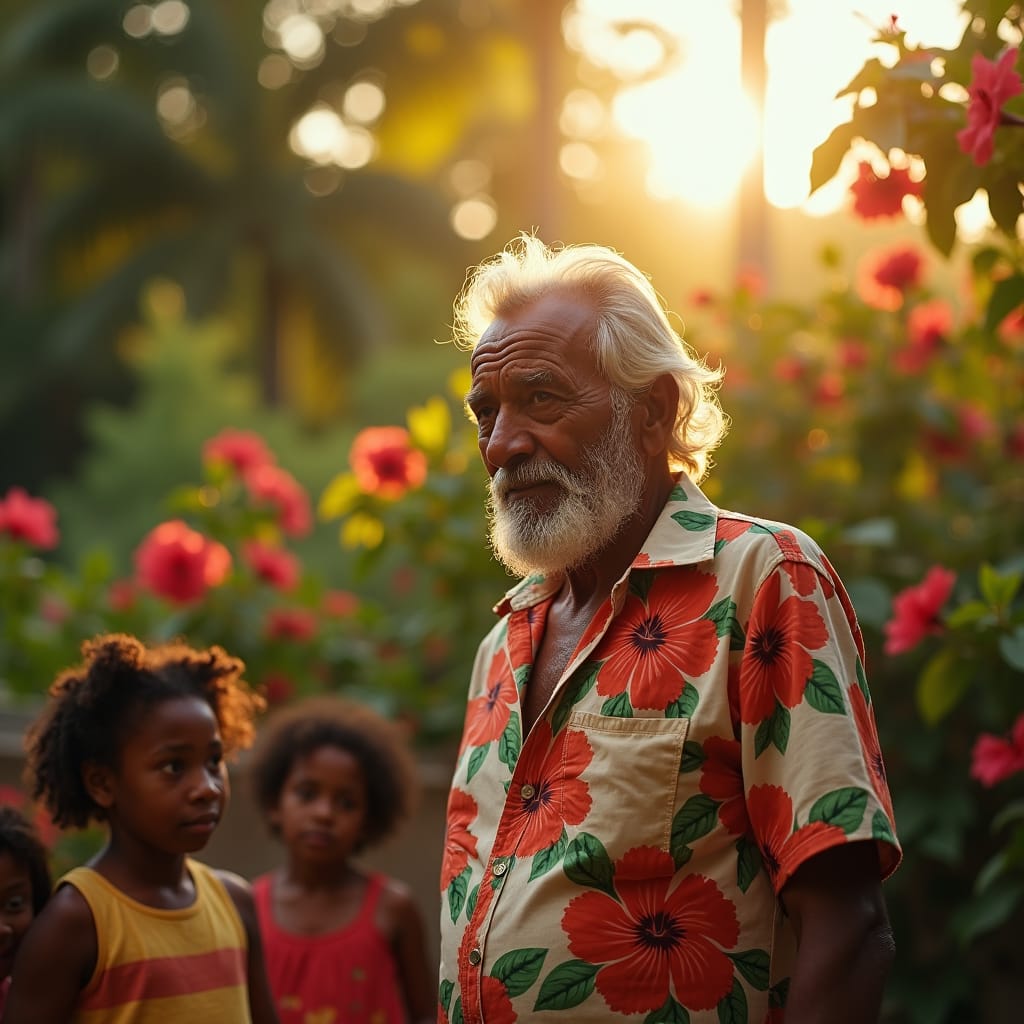

Living in JamaicaJamaica, with its vibrant culture and stunning landscapes, has a unique position in the global real estate market. The i... More as a foreigner offers a unique experience shaped by factors like financial stability and social class. While the island is often perceived as a tropical paradise—especially for tourists—living there day-to-day can be a different story. The contrast is stark between visiting the island, where the lifestyle is cushioned by dollars, and living there, where you face the reality of Jamaica’s societal challenges.
For those with sufficient financial resources, particularly foreign currency, life in Jamaica can indeed feel like paradise. ForeignersForeigners, in the context of Jamaica, real estate, and globally, refer to individuals who are not citizens or permanent... More can enjoy the island’s rich culture, beautiful beaches, vibrant music scene, and close-knit communities. With money, even middle-class expatsExpats, short for expatriates, are individuals who live outside their native country, often for work, lifestyle, or reti... More can afford to live in some of the best areas like KingstonKingston, the capital city of Jamaica, embodies a dynamic fusion of historical depth and contemporary vitality. Establis... More, Montego BayMontego Bay, often referred to as MoBay, is one of Jamaica's most popular tourist destinations, known for its stunning b... More, or upmarket rural communities, where amenitiesThe amenities and extras that are included vary from house to house. Certain residents only get access to exclusive bene... More are easily accessible and the natural beauty is unmatched. As one foreigner who moved back after living in California described, adjusting to the cost of living becomes easier once you embrace the local lifestyle—eating fresh produce and thinking less in terms of foreign currenciesCurrencies in Jamaica and across the world serve as the backbone of economic transactions, facilitating trade, investmen... More.
However, this is not the full story. For those relying solely on JamaicanThe term "Jamaican" encompasses the citizens of Jamaica and their descendants in the Jamaican diaspora, representing a d... More dollars, life is much more challenging. The Jamaican economy, especially when compared to more developed countries, has significant limitations. The high cost of imports, especially technologyTechnology, in its original definition, refers to the application of scientific knowledge for practical purposes, often ... More, and limited social services can make daily life difficult for those in the lower or even middle classes. The disparity between the upper class and lower class is quite stark, with the lower class often living in shantytowns with limited access to basic necessities. This gap highlights the reality many face daily, including high crime rates and the need to cope with Jamaica’s economic and social limitations.
Living in Jamaica requires more than just adjusting to the climate or local customs—it also involves managing a complex social system where class significantly impacts one’s experience. While the upper class in Jamaica can live in luxurious homes in areas that rival those in major cities like Los Angeles, those in lower-income brackets often struggle to make ends meet. The middle class in Jamaica, however, still manages to enjoy a relatively comfortable lifestyle, frequenting restaurants and living in decent neighborhoodsNeighborhoods, originally defined as geographically localized communities within a city, town, or rural area, serve as t... More, though opportunities for upward mobility may be limited.
The contrast between visiting and living in Jamaica often comes down to this: tourists see the island as a vibrant, beautiful place with easy accessEasy access refers to a property’s convenience in reaching key destinations and services, characterized by its proximi... More to luxury, but for residents, particularly those not in the upper class, the experience is more about survival, balancing work with the struggles of dealing with societal gaps. Those who have migrated to Jamaica with a good financial cushion or business experience can more easily navigate the challenges and even thrive, while others may face a harder reality.
In terms of real estateReal estate refers to property consisting of land and the structures on it, such as buildings and homes. It also include... More, this duality plays a significant role. The demand for high-end properties from foreigners—whether for vacation homesVacation homes are houses people buy or rent to stay in when they go on holiday. In Jamaica, these homes are usually in ... More or retirement spots—fuels the real estateIn Jamaican real estate, an estate refers to the total collection of assets and property owned by an individual, especia... More market in more developed areas like Kingston and Montego Bay. Meanwhile, in rural or lower-income areas, the real estate market is often more about affordable housingAffordable housing in Jamaica is an increasingly pressing issue, with rising land and construction costs making home own... More options, which can sometimes mean living in conditions far removed from the paradise many imagine when they visit.
Jamaica’s real estate sectorThe real estate sector encompasses the industry dedicated to the acquisition, sale, lease, and development of properties... More, like its social structure, reflects this dichotomy. For those looking to invest in propertyProperty encompasses a wide range of tangible assets that individuals or entities can own, utilize, or invest in, includ... More or relocate to the island, understanding the economic and societal dynamics is crucial. While there is potential for growth, particularly in areas that attract foreign investmentForeign investment means when people, companies, or even governments from one country spend money to buy or build things... More, the real estate market’s accessibilityAccessibility in Jamaican real estate refers to the design and adaptation of homes and buildings to ensure that individu... More and attractiveness willIn Jamaica, a will is a legal document created by an individual to specify how their assets, including their belongings ... More depend largely on one’s financial situation and class standing in the island’s complex social fabric. For foreign investorsIn Jamaica, foreign investors are individuals or entities from other countries who invest money into Jamaican businesses... More or individuals with means, it can be an ideal destination to enjoy the best of what the island has to offer. However, for others, it requires navigating significant challenges.
DisclaimerA disclaimer is a statement that serves to limit or exclude liability, usually found in legal documents, websites, produ... More:
The views expressed in this post reflect personal experiences and perspectives and are not intended to generalize the living conditions or real estate market in Jamaica. While some areas of Jamaica offer a luxurious lifestyle, others face economic and social challenges that can impact daily life. The real estate market in Jamaica is dynamic, and experiences can vary significantly depending on one’s financial situation, location, and personal circumstances. It is advised to conduct thorough research and consult local experts before making any real estate decisions or relocating to Jamaica.
Discover more from Jamaica Homes
Subscribe to get the latest posts sent to your email.

Join The Discussion