
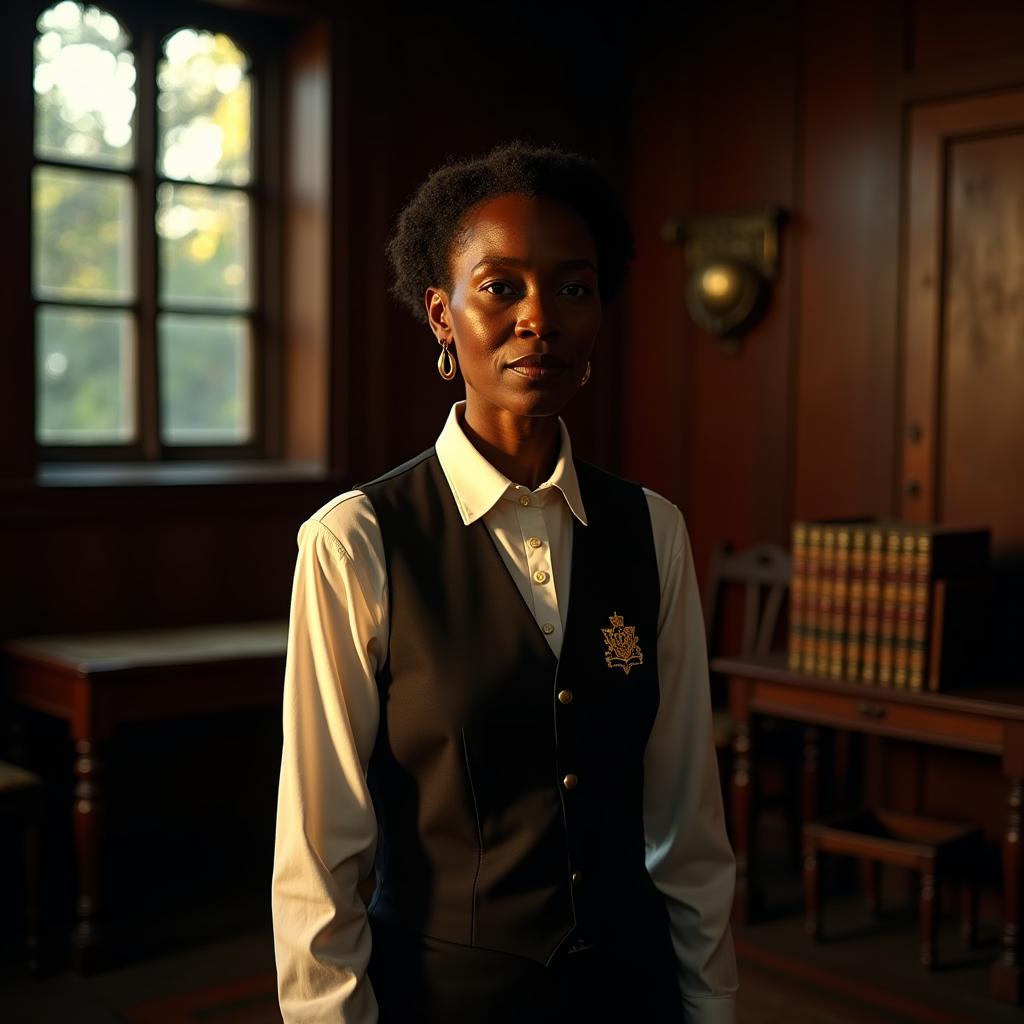
A Justice of the PeaceA Justice of the Peace (JP) in Jamaica, and globally, is a lay magistrate appointed by the government to serve as a volu... More (JPIn Jamaica, a Justice of the Peace (JP) is an appointed judicial officer who plays a vital role in the legal and adminis... More) in JamaicaJamaica, with its vibrant culture and stunning landscapes, has a unique position in the global real estate market. The i... More is a trusted person in the communityIn Jamaica, "community" refers to more than just a geographic area; it embodies a collective identity rooted in shared e... More who helps peopleThe people of Jamaica embody a spirit that is at once richly diverse and unbreakably unified, as captured by the nationa... More for free. They are chosen because they are honest and have a good reputation. Their main job is to protect people’s rights and help keep peace and fairness in the country. Think of them as special helpers who make sure important rules are followed and that everyone is treated fairly. The government ensures they do their job properly through special laws, like The Justices of the Peace Act, 2018.
What Does a JP Do?
A JP has several important jobs that help people every day. Here are some examples:
- Helping with Important Papers: If you need to get a passport, sign a bank form, or attach your photo to an application, a JP can sign and stamp the paper to prove it’s real.
- Example: Imagine you’re applying for a school abroad and need someone to say, “Yes, this is the real person in the photo!” That’s what a JP does.
- Working in Courts: JPsThe Jamaica Public Service Company (JPS) is the island's primary electricity provider, with a history dating back to 192... More help in courts, especially where kids or families are involved. They listen to cases and help make decisions.
- Example: If a child gets in trouble, a JP might be there to help guide the court on what’s best for the child.
- Checking on People in Institutions: JPs visit places like prisons, children’s homes, or elderly care facilities to ensure everyone is treated well.
- Example: If someone complains about a prison being unsafe, a JP might check it out to make sure the conditions are okay.
- Deciding on Bail: When someone is arrested, a JP helps decide if they can go home on bail until their court date.
- Example: If someone is caught breaking a small rule, a JP might say, “You can go home, but you must promise to come back for your court hearing.”
- Giving Advice: People in the community often come to JPs for guidance on personal or family problems.
- Licensing Work: JPs help approve licenses for selling certain items, like spirits (alcohol), to ensure it’s done legally.
Becoming a JP
To become a JP, someone must be honest, respected, and willing to help others for free. They need to:
- Be a Jamaican citizenA Jamaican Citizen is an individual recognized under Jamaican law as holding legal nationality, either by birth, descent... More.
- Be at least 23 years old and able to read and write in English.
- Have experience helping others in the community.
The process involves writing to a leader called the Custos RotulorumIn Jamaica, a Custos Rotulorum, commonly referred to as a Custos, is a prominent ceremonial and administrative official ... More, passing policeIn Jamaica, the police force plays a vital role not only in maintaining public order but also in enforcing laws that imp... More background checks, and completing training. Finally, the Governor-GeneralIn Jamaican real estate, the Governor-General represents the Monarchy and acts as the official representative of the Cro... More officially makes them a JP.
Important Rules for JPs
JPs never charge money for their work. This means they can’t ask for a gift or payment for helping people. They also promise to follow strict rules about honesty and fairness when they take an oath (a serious promise). JPs are like community superheroes—always helping but never expecting a reward!
DisclaimerA disclaimer is a statement that serves to limit or exclude liability, usually found in legal documents, websites, produ... More:
The information provided in this content is intended for general informational purposes only and should not be construed as legal advice. While efforts have been made to ensure the accuracy and completeness of the information, laws and regulations may change over time. Always consult with a qualified legal professional or the relevant authorities for advice regarding your specific circumstances. The author and publisher disclaim any liability for any errors or omissions in the content provided.
Discover more from Jamaica Homes
Subscribe to get the latest posts sent to your email.

Join The Discussion