Building a houseA house serves as a fundamental structure designed for residential living, providing shelter and a place for individuals... More in JamaicaJamaica, with its vibrant culture and stunning landscapes, has a unique position in the global real estate market. The i... More can be both an exciting and daunting experience at the same time. After all, it’s your dream homeA dream home is a special place where you feel safe, happy, and comfortable, designed just for you and the people you ca... More, and building it from scratch gives you the freedom to designDesign is the art and science of creating plans and specifications for the construction of objects, structures, and syst... More it to your exact preferences and the unique needs of your family, right! However, when embarking on this journey, there are several factors to consider, such as the cost of constructionConstruction is the dynamic process of designing and erecting buildings and infrastructure, crucial for shaping modern l... More, the terrain of your landIn real estate, land is a foundational element that significantly impacts the value and potential of a property. It enco... More, the right professionals to hire, and even the timing of your projectA project is a special task or set of tasks that people work on to create something new or make something better. It has... More.
Construction Costs in Jamaica
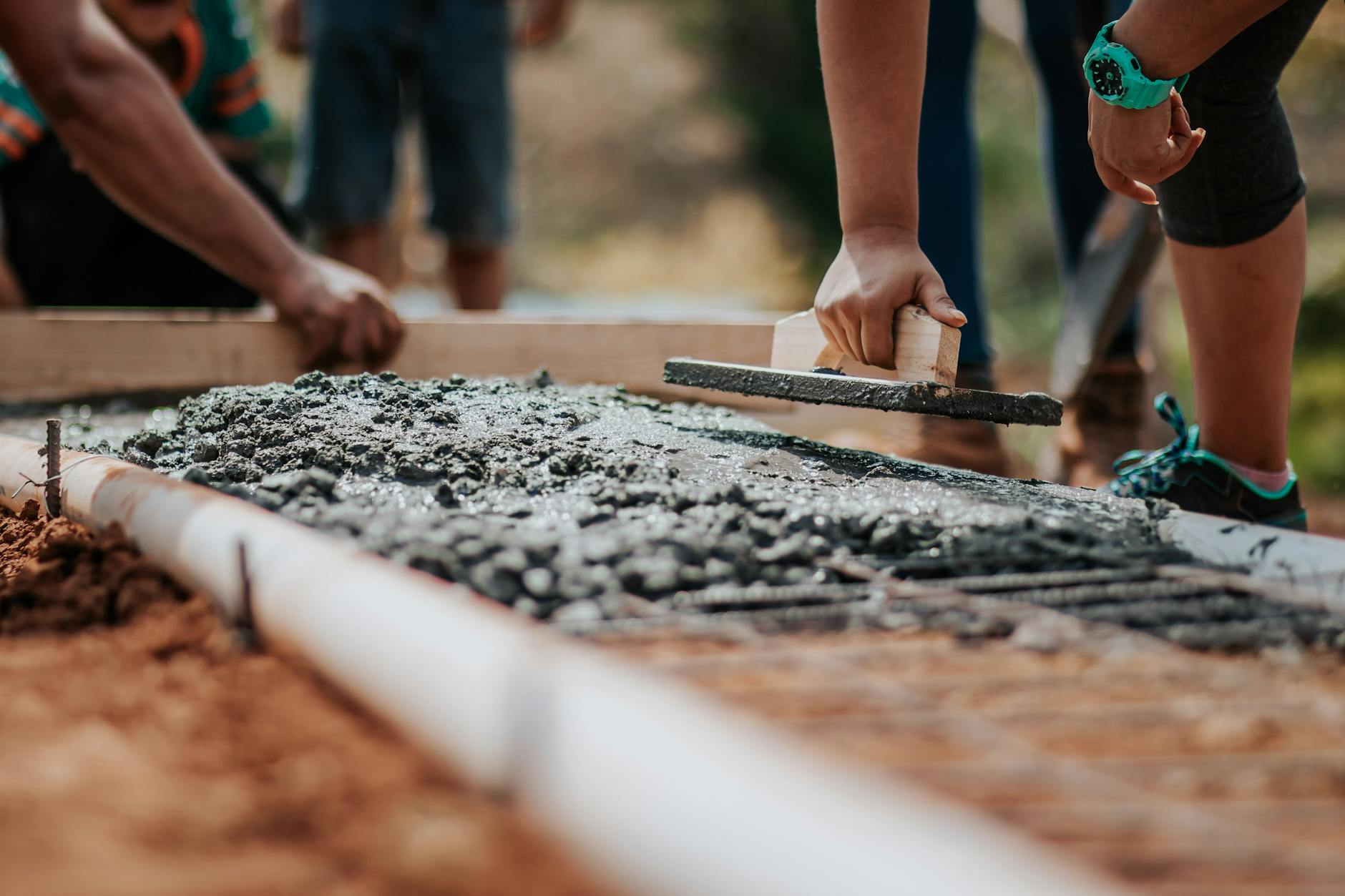
As of 2024, the cost of building a house in Jamaica has risen significantly compared to previous years. According to industry expertsIndustry experts are professionals with a deep understanding and high level of expertise in a specific field, such as re... More, the current cost ranges from approximately JMD $10,000 to $12,000 per square foot. This means that constructing a standard two-bedroom house of around 1,200 square feet would now cost between JMD $12 million and JMD $14.4 million, just for the building itself. This estimate includes the contractor’s overhead and profit but does not cover other essential expenses such as land preparation, which can vary widely depending on the terrain, such as hilly or rocky land. It’s important to factor in these additional costs when budgetingBudgeting for a project, like building a house or a building, means making a plan for how much money you’ll need and h... More for your project, as they can significantly impact the overall expenditure.
However, this figure can vary greatly based on several factors, including the size of the house, the materials used, and the location. For a larger or more custom-designed home, the total construction costs could escalate dramatically, ranging from JMD $12 million to JMD $50 million or more. These costs reflect not only the raw materials and labor involved but also include a margin for the contractor’s overhead and profit. However, it’s essential to note that this estimate does not cover additional expenses that can arise during the construction process. Factors such as land preparation costs can vary greatly, especially if the plot is situated in a hilly or rocky area, where extra work for excavation, foundationThe foundation of a building is its underlying support system, designed to distribute the load of the structure and prov..., and possibly retaining walls may be necessary.
Moreover, land prices in Jamaica are incredibly diverse based on the location. For example, a quarter-acre lotIn Jamaican real estate parlance, the term "lot" refers to a parcel of land designated for residential, commercial, or a... More in Tower IsleTower Isle is a small but historically significant area in the parish of St. Mary, Jamaica, known for its connection to ... More may be priced around JMD $100,000, while in more sought-after regions like KingstonKingston, the capital city of Jamaica, embodies a dynamic fusion of historical depth and contemporary vitality. Establis... More or Montego BayMontego Bay, often referred to as MoBay, is one of Jamaica's most popular tourist destinations, known for its stunning b... More, the cost can soar to JMD $2 million or more. In prime areas, the demand for real estateReal estate refers to property consisting of land and the structures on it, such as buildings and homes. It also include... More can drive prices even higher, with half-acre plots in locations such as Greberter or Oracabessa selling for approximately JMD $275,000. Therefore, when considering building a home in Jamaica, it’s crucial to conduct thorough research and prepare for potential financial variations that could impact the overall budget.
The Importance of Professionals
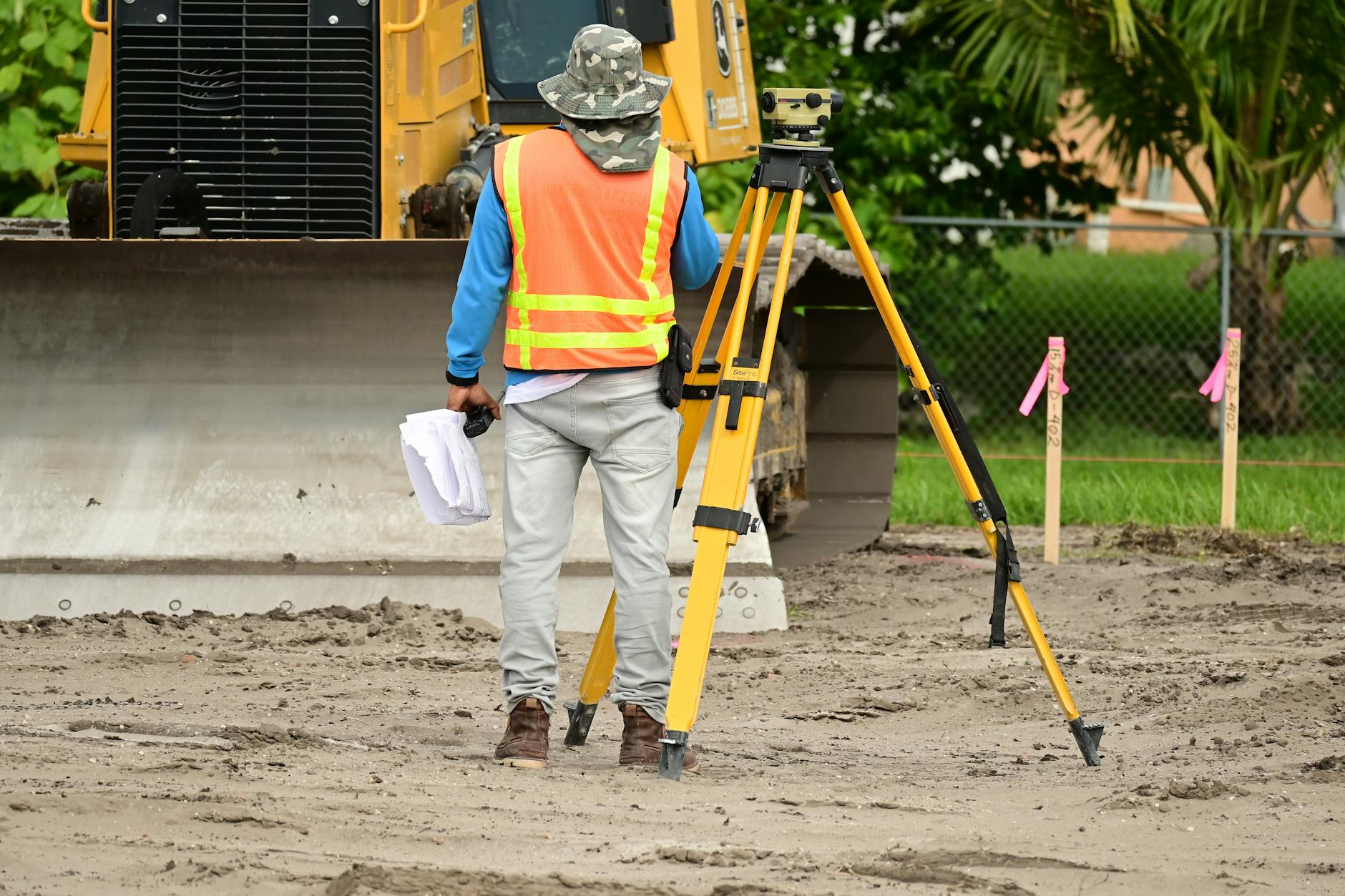
One of the most crucial factors in determining whether it willIn Jamaica, a will is a legal document created by an individual to specify how their assets, including their belongings ... More be cheaper to build rather than buy a home is how well you manage the project and select the right professionals. A common pitfall for first-time builders is failing to hire a qualified quantity surveyorIn Jamaica, a quantity surveyor is a key professional who manages the financial elements of construction projects, ensur... More. Quantity surveyors can give you accurate estimates of building costs and ensure that you stay on budget, avoiding the nightmare of cost overruns.
Engaging an architectAn architect is essential in designing buildings and structures, combining creativity with technical skill to create fun... More early in the process to draft and submit building plans to the local parish councilIn Jamaica, a "parish council" is a local government body responsible for overseeing the administration and development ... More for approval is essential. The delays in getting approvals can sometimes be lengthy, especially since various regulatoryIn Jamaica, regulatory measures are the formal rules and standards established by government authorities to oversee and ... More agenciesAgencies play a crucial role in Jamaica's development process, acting as the stewards and regulators of various aspects ... More in Jamaica are involved. The architect will also help ensure that your design adheres to building codes, reducing the riskA risk is the possibility of an adverse outcome or loss arising from uncertainty or potential hazards. It represents the... More of complications later.
Additionally, securing skilled workers, especially during peak construction periods, can also influence costs. During seasons where there is high demand for construction, such as after hurricanesHurricanes, powerful tropical storms characterized by strong winds and heavy rains, significantly impact both Jamaica an... More or in the lead-up to Christmas, the cost of labour can skyrocket due to increased demand for workers.
Comparing Building vs. Buying
When compared to buying a home, building may work out to be cheaper. For instance, while constructing a two-bedroom house might cost you around JMD $6 million, that same house, once completed, could be valued at JMD $10 million. The key difference is that developers and housing schemes often bring homes to market at lower prices due to economies of scale—they can buy materials in bulk and negotiate lower rates with workers. On the open market, a two-bedroom house in desirable areas like Cherry GardensCherry Gardens is an exclusive residential area in Kingston, Jamaica, known for its luxurious homes and quiet atmosphere... More in St. Andrew can fetch upwards of JMD $18 million.
However, building offers you the chance to customize. The type of windows you choose, whether simple louvre windows or higher-end French windows, can impact the final cost and resale valueIn Jamaican real estate, Resale Value refers to the estimated price at which a property can be sold in the future, consi... More. For example, French windows may be a better choice if you plan to install air conditioning, as they are more energy efficient.
Finishes and Fixtures
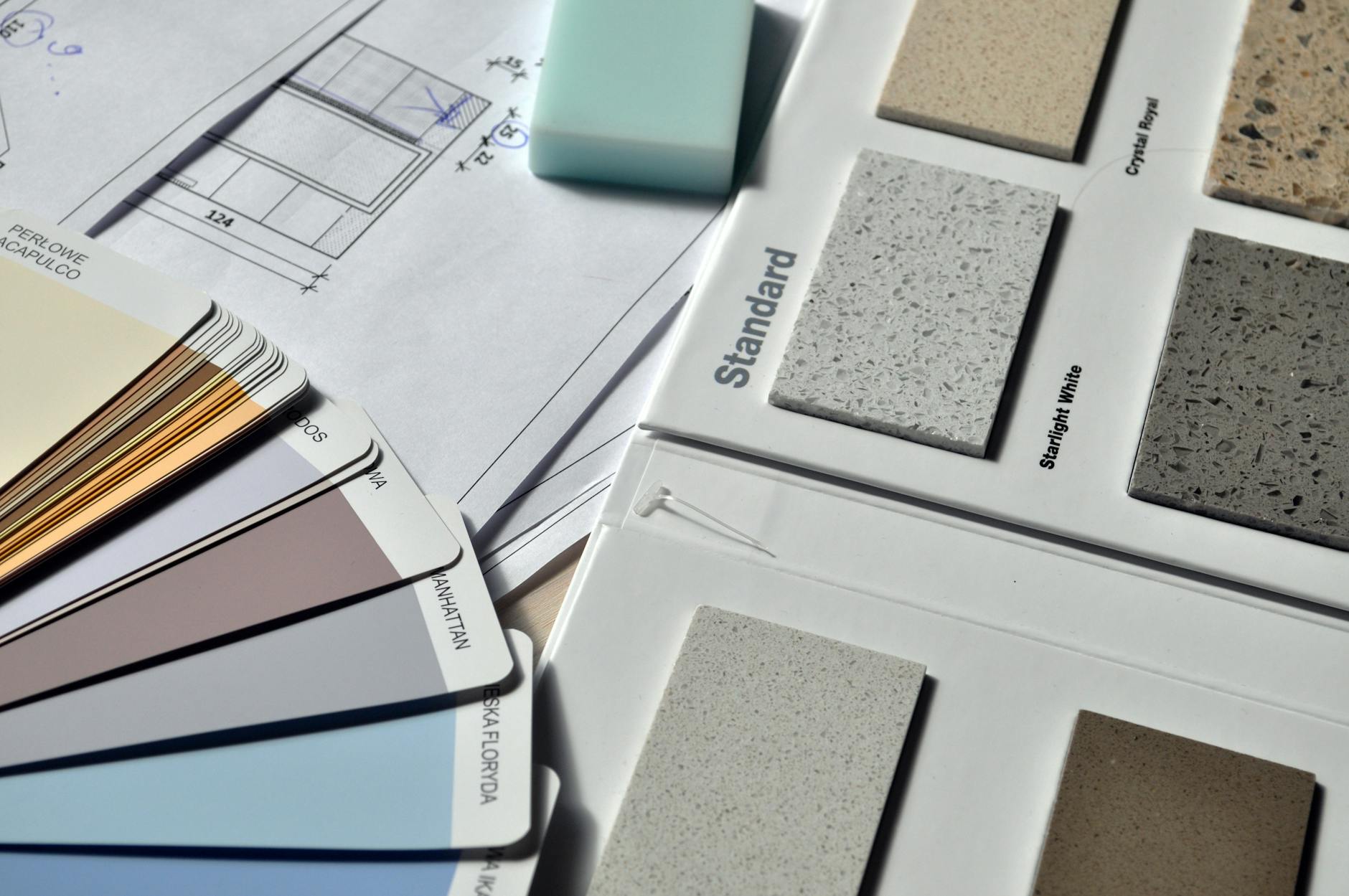
The quality of the finishes you choose can also significantly impact your budget. High-end finishes like porcelain tiles or custom joinery will increase costs but may add to the resaleResale refers to the act of selling items or properties that have already been owned or used by someone else. This conce... More value. For example, a standard bathroom may include an ordinary bathtub, but if you opt for a Jacuzzi, your home’s market valueMarket Value is the estimated amount for which an asset or liability should exchange on the valuation date between a wil... More will likely rise.
It’s important to stick to your budget and not get caught up in unnecessary upgrades or trying to keep up with others. A simple toilet might cost JMD $3,000, while a luxury version could cost JMD $30,000. The temptation to make spontaneous changes during construction can lead to massive cost overruns, so it’s best to plan carefully and stick to your original design unless absolutely necessary.
The Pitfalls of Building
There are common pitfalls that you should be aware of when building your home in Jamaica. Failing to get a detailed estimate from a qualified quantity surveyor at the outset, for instance, can lead to underestimating your total costs. Delays in getting approvals from regulatory bodies, especially when different agencies are not aligned on requirements, can cause unexpected setbacks.
Additionally, hiring the wrong contractor or falling prey to shoddy workmanship can be costly in the long run. Poor-quality work can lead to safety issues, necessitating expensive repairs down the line. This is why hiring reputable contractors with a proven track record is crucial.
Hidden Costs and Labour Challenges
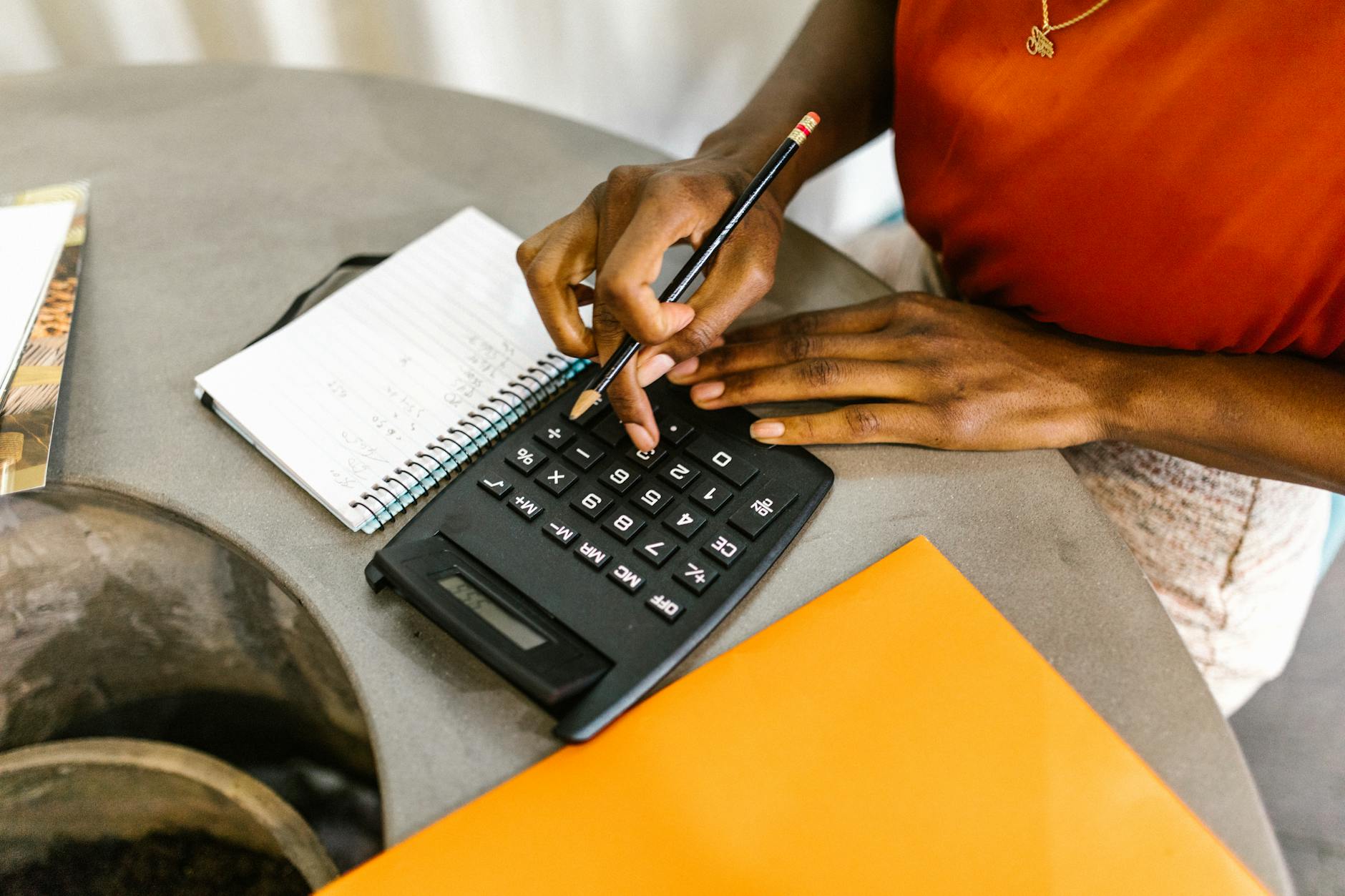
Apart from the raw construction costs, there are several hidden costs that can catch first-time builders by surprise. These include:
- Surveyor and valuator fees: You’ll need these professionals to assess the propertyProperty encompasses a wide range of tangible assets that individuals or entities can own, utilize, or invest in, includ... More, and their fees can vary.
- Stamp dutyStamp Duty in Jamaica is a tax applied to legal documents and specific transactions, such as the sale or transfer of pro... More and lawyer’s fees: Budget for legal feesIn Jamaican real estate, legal fees are crucial for ensuring smooth and compliant property transactions. These fees cove... More, which typically range from 3-5% of the sale price.
- Labour costs: Labour rates in Jamaica can fluctuate based on demand, and the costs are set between unions and master builders. If you’re building during a low-demand period, you might get better rates on labour, but if there’s high demand, particularly after hurricane seasons, you could face increased costs.
Building vs Buying in Jamaica’s Real Estate Market
Whether to build or buy a home in Jamaica depends largely on your financial situation, your ability to manage a construction project, and your personal preferences. Both options come with their pros and cons, and the decision ultimately comes down to what works best for you.
Advantages of Building Your Own Home
- Customization: One of the biggest advantages of building your own home is the ability to customize every aspect to fit your specific needs. From the layout to the materials used, building allows you to create a home that is uniquely yours. This level of personalization is not always possible when buying a pre-built home.
- Potential Cost Savings: Building a home, especially in less urban areas, can sometimes be more affordable than buying, especially when comparing the finished cost to the resale value. For example, building a modest two-bedroom house for JMD $6 million can yield a home worth JMD $10 million or more, depending on location, quality of finishes, and other factors.
- Energy Efficiency: When building, you can opt for energy-efficient materials and systems, such as solar panels or energy-efficient windows and insulationIn Jamaican real estate, insulation refers to materials and techniques used to enhance a building's energy efficiency by... More. These choices may have higher upfront costs, but they can save you money in the long run by reducing utility bills.
- Newer Infrastructure: Building your own home ensures that all the infrastructure—plumbing, electrical systems, roofing, etc.—is brand new, which means fewer repairs and maintenance issues in the near future.
Challenges of Building Your Own Home
- Time-Consuming: Building a house can take several months, depending on the scope of the project. This timeline may be longer than you expect, especially if you encounter delays with approvals, material supply issues, or weather disruptions, which can be common in Jamaica during hurricane season.
- Managing the Process: If you don’t have experience in construction or project managementThe original definition of project management can be traced back to the basic principles of managing tasks and resources... More, the process can be overwhelming. You’ll need to coordinate with contractors, surveyors, architects, and other professionals to ensure the project stays on track. Mistakes or miscommunication can lead to costly delays.
- Hidden Costs: As mentioned earlier, building a home involves various costs that aren’t always apparent at first. These include surveyor and valuator fees, legal fees, stamp duty, and other charges related to getting the land and home approved by local authoritiesLocal authorities in Jamaica play a vital role in regulating and overseeing real estate transactions, including mortgage... More.
- Labour and Quality Concerns: Finding skilled labour can be a challenge, especially if you’re building in rural areas or during periods of high demand. Shoddy workmanship or poor-quality materials can significantly increase costs and impact the safety and longevity of your home.
Advantages of Buying a Pre-Built Home
- Speed: One of the main advantages of buying a pre-built home is that you can move in much faster than if you were building. Once you’ve secured financing and closed the deal, you can typically move in within 60 to 90 days.
- Less Stress: Buying a home is generally less stressful than managing a construction project. You won’t have to worry about dealing with contractors or securing building approvals, and you can focus on finding a home that meets your needs.
- Established Infrastructure: Many pre-built homes, especially those in established communities, come with amenitiesThe amenities and extras that are included vary from house to house. Certain residents only get access to exclusive bene... More like paved roads, nearby schools, and local shops. These homes often have access to services like garbage collectionIn the context of Jamaica's real estate industry and the global market, "collection" typically refers to the process of ... More, water, and electricity, which might not yet be available in newer developments.
- More Predictable Costs: When buying a home, the costs are generally more predictable. You know the purchase priceThe purchase price is the amount of money agreed upon between a buyer and seller for the transfer of ownership of an ass... More upfront, and while there may be additional expenses like legal fees or closing costsClosing costs in Jamaica are the various fees and expenses that both buyers and sellers must pay to finalize a real esta... More, you won’t have to worry about unexpected construction overruns.
Challenges of Buying a Pre-Built Home
- Higher Costs in Desirable Areas: Real estateIn Jamaican real estate, an estate refers to the total collection of assets and property owned by an individual, especia... More in Jamaica’s urban centres, such as Kingston or Montego Bay, tends to be more expensive. Popular neighbourhoods like Cherry Gardens in St. Andrew or Ironshore in Montego Bay command premium prices due to their proximity to amenities and desirable locations.
- Limited Customization: When buying a home, you may not be able to find exactly what you’re looking for. The layout, design, or features may not perfectly align with your preferences. While you can renovate"Renovate" refers to the process of improving or updating a property by repairing, remodeling, or restoring it. The conc... More or make changes, this will add to the overall cost.
- Older Infrastructure: Pre-built homes may have older plumbing, electrical systems, or roofing that require maintenance or updates. You may end up spending more money on repairs in the first few years after purchase, especially if the house has not been well-maintained.
Choosing the Right Option for You
Deciding whether to build or buy depends on your long-term goals, your financial situation, and your comfort level with managing a construction project. If customization and the potential for cost savings are important to you, building may be the right option. However, if you’re looking for a more straightforward and faster process, buying a pre-built home could be the better choice.
The Jamaican real estateJamaican real estate encompasses a diverse property market within Jamaica, including residential homes, commercial build... More market offers diverse opportunities, whether you choose to build or buy. Urban areas like Kingston and Montego Bay cater to buyers looking for cityA city in Jamaica , like those around the world, is a vibrant Hub of culture, commerce, and community, where the pace of... More living with easy accessEasy access refers to a property’s convenience in reaching key destinations and services, characterized by its proximi... More to amenities, while parishes like St. Mary or ManchesterManchester is a parish located in central Jamaica, known for its cooler climate and picturesque landscapes. Renowned for... More offer quieter, more rural settings with lower land costs and greater potential for building.
Conclusion
Is it expensive to build a house in Jamaica? The answer depends on various factors, including the location, the size of the house, the quality of the finishes, and the professionals you hire to manage the project. Building can be a cost-effective way to own your dream home, but it comes with challenges, such as managing the construction process, dealing with delays, and navigating the hidden costs. On the other hand, buying a pre-built home offers convenience and speed, though it may come at a higher cost in some areas and provide less customization.
Ultimately, whether you choose to build or buy, the JamaicanThe term "Jamaican" encompasses the citizens of Jamaica and their descendants in the Jamaican diaspora, representing a d... More real estate market offers plenty of opportunities for homeownership, and with the right planningPlanning in Jamaica involves managing land, resources, and infrastructure to support economic growth, social development... More, you can make your dream home a reality.
Discover more from Jamaica Homes
Subscribe to get the latest posts sent to your email.

Join The Discussion