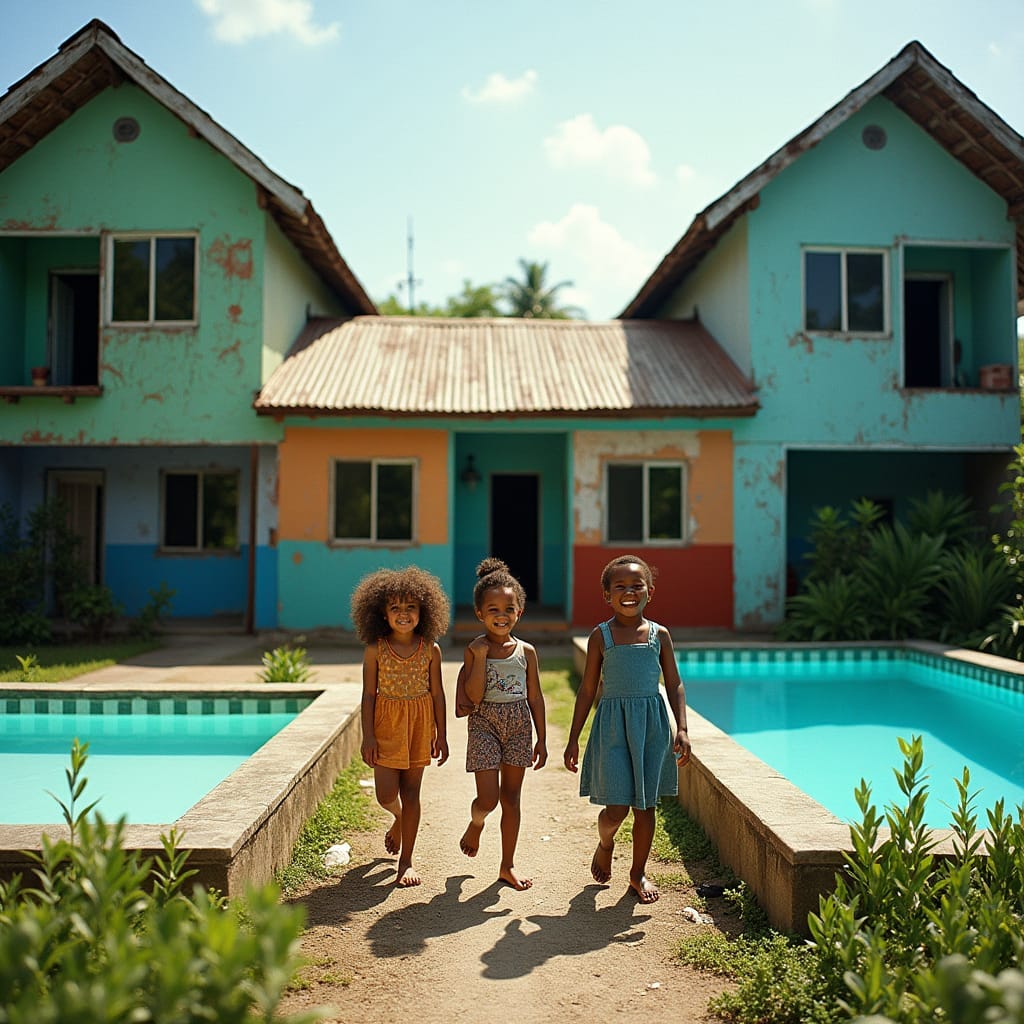
A “zinc house” in Jamaica describes a type of informal housing made with corrugated zinc sheets, often used for both walls and roofing. This type of structure emerged out of necessity in urban and rural communities where access to formal housing was limited, and people adapted by using readily available and affordable materials. Zinc houses became common during the 20th century as Jamaica faced population growth, economic challenges, and housing shortages, especially in inner-city areas. These homes are known for their durability against the elements, with zinc sheets providing weather resistance and basic shelter. Over time, the “zinc house” has become a visible part of Jamaica’s architectural landscape, symbolizing both resilience and the ability to make do with limited resources. While they are often associated with lower-income neighborhoods, zinc houses have inspired discussions around affordable housing solutions and influenced modern approaches that integrate low-cost, weather-resistant materials. Globally, similar structures are found in other regions facing housing shortages, where zinc remains a favored material for quick, sturdy construction. Today, as Jamaica invests in more permanent housing options, zinc houses are being gradually replaced but still stand as a testament to resourcefulness and community strength.
Warm golden light casts a gentle glow on a rustic zinc house in a vibrant Jamaican ghetto, as a stunning light-skinned woman with beautiful, curly dreadlocks sits relaxed on the worn steps, exuding a sense of serenity. Her bright smile and radiant complexion pop against the weathered, earthy tones of the surroundings. Cinematic film still, reminiscent of the works of Terrence Malick, Wong Kar-wai, and Nabil Elderkin, with a warm, sun-kissed color palette and subtle film grain
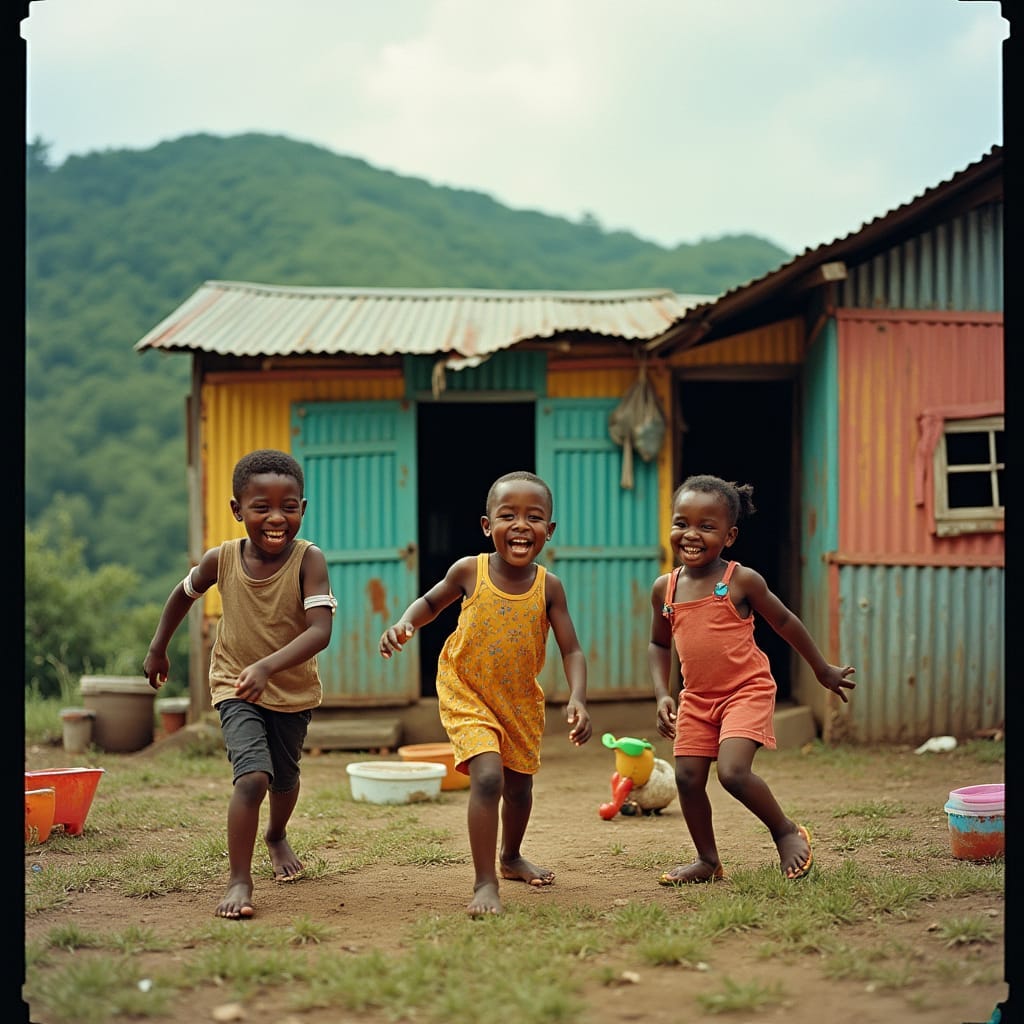
Vibrant Jamaican ghetto zinc house with corrugated iron walls and colorful makeshift repairs, set against a backdrop of lush green hills. Beautifully dressed ghetto children with bright smiles and infectious laughter, playing joyfully in the yard, surrounded by scattered toys and makeshift games.
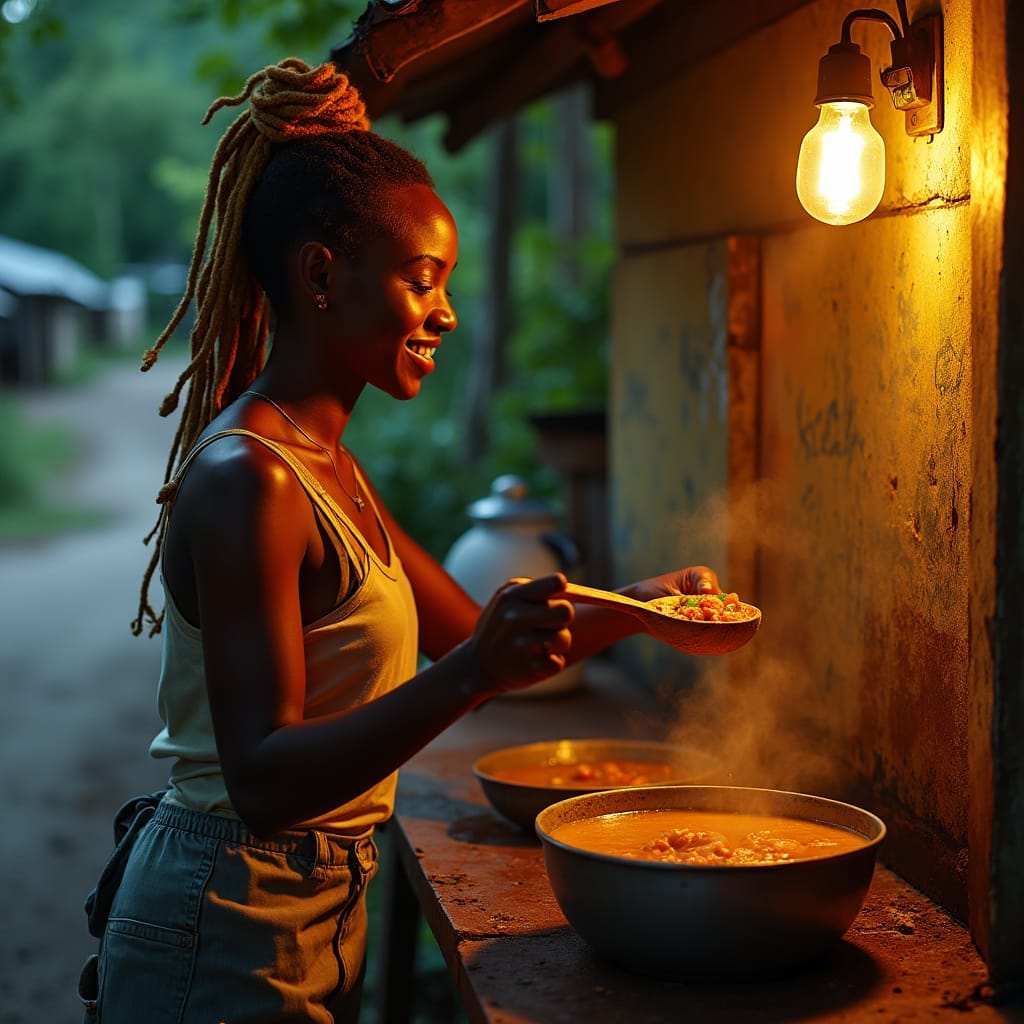
Warmly lit, worn plywood and rusted zinc restaurant on the side of a rural Jamaican road, with a stunning mixed-raced woman, adorned with vibrant dreadlocks, lovingly serving steaming soup from a large, wooden spoon, her bright smile illuminating the scene. Inspired by the cinematic styles of Roger Deakins, Emmanuel Lubezki, and Maryse Alberti
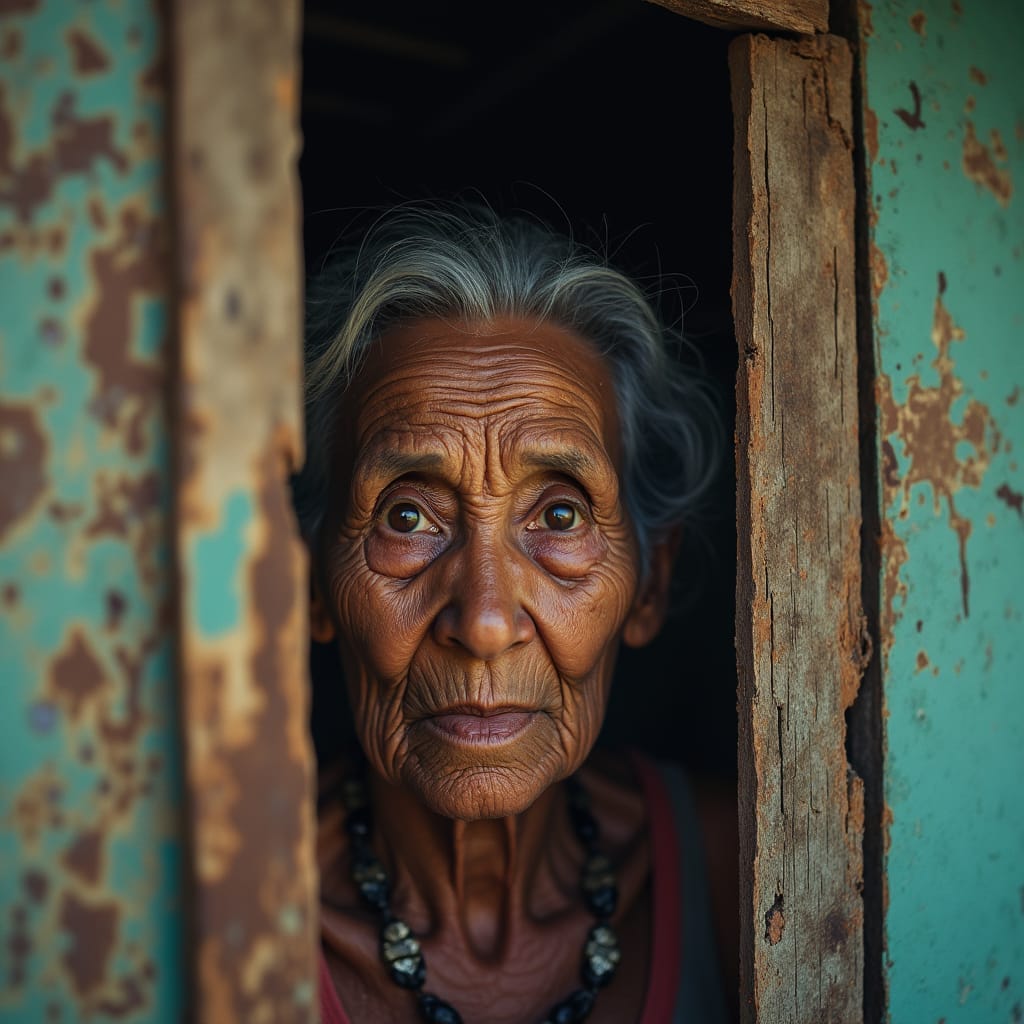
Weathered plywood home with rusty zinc roof, set amidst the vibrant chaos of a Jamaican ghetto, contrasted with sleek modern amenities visible through the doorway. Close-up of a wise, aged woman’s face, creased with deep lines and warm, golden undertones, occupies half the frame. Inspired by the cinematic styles of Roger Deakins, Emmanuel Lubezki, and Bradford Young
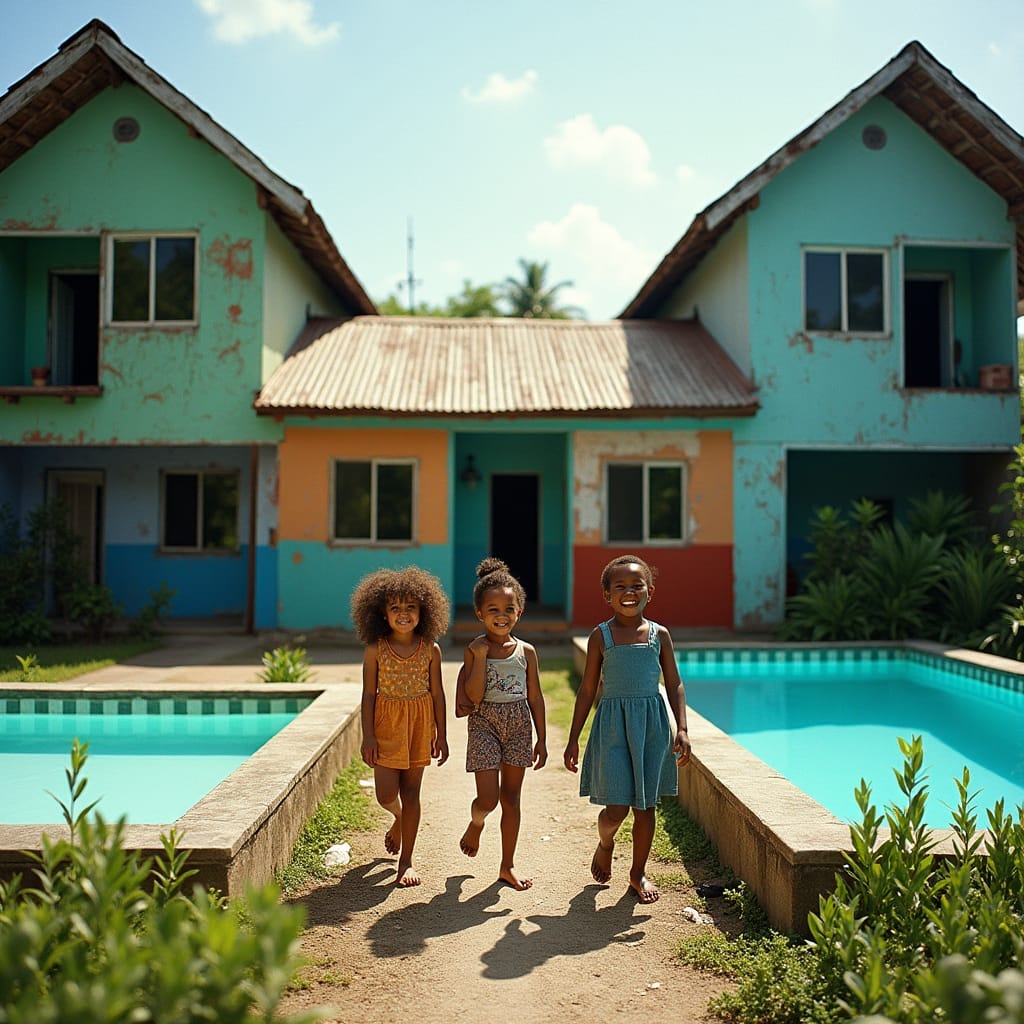
Vibrant zinc house with faded colors and corrugated iron roof, nestled between two sleek, modern glass homes with crystal-clear swimming pools, in a lush Jamaican neighborhood. Beautiful, carefree children with bright smiles and radiant energy, playing and laughing together in the midst of this striking contrast. Cinematic film still, inspired by the gritty realism of Roger Ballen, the vivid colors of Steve McCurry, and the poignant storytelling of Gordon Parks.