

Real Estate Investment
How to Invest, Where the Market Stands, and What the Future Is Quietly Signalling

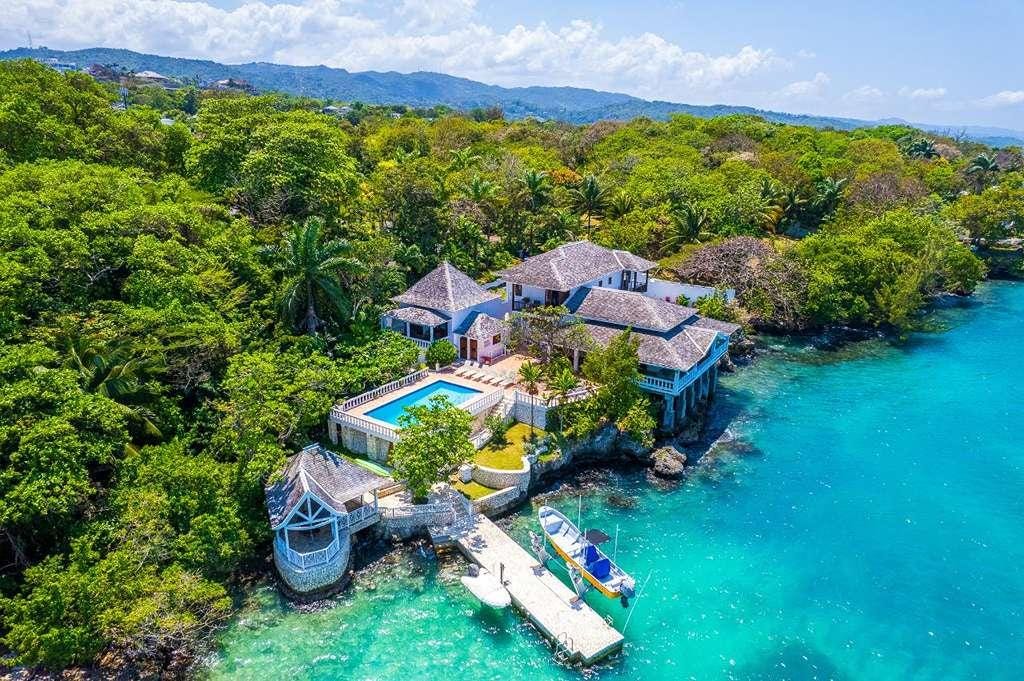
Jamaica’s real estate market sits at a crossroads, part aspiration, part necessity. For decades, property ownership here has been tied to identity, stability, and legacy. Today, it is also tied to something more immediate: survival in an economy where inflation, currency pressures, and global uncertainty quietly reshape what land and housing mean.
To invest in Jamaican real estate now is to step into a market that is both emotionally driven and economically complex. It is not simply about buying a home. It is about understanding timing, structure, and risk in a small island economy deeply connected to global forces.
This is a guide, but also an interpretation of the moment.
The Landscape: Why Jamaica Still Attracts Investors
Jamaica continues to draw three core groups of buyers: local upward movers, diaspora returnees, and international investors. Each sees the same island differently.
The appeal is obvious. Stable democratic governance, a growing tourism sector, a globally recognised cultural identity, and proximity to the United States all underpin demand. Areas like Kingston, Montego Bay, and emerging corridors in St. Thomas and St. Ann continue to see development interest.
But beneath that optimism lies tension. Construction costs remain elevated. Mortgage rates, often in the high single digits for Jamaican dollar loans, constrain affordability. Land supply in prime areas is tightening. And yet, prices continue to move upward, driven not just by fundamentals, but by expectation.
Property in Jamaica is no longer just shelter. It is increasingly seen as a hedge.
Step 1: Define the Investment, Not Just the Property
Before viewing a single property, the most critical decision is strategic.
Are you investing for rental yield, capital appreciation, or personal use?
A beachfront villa in Montego Bay may offer strong short-term rental income but comes with exposure to tourism cycles and storm risk. A modest apartment in Kingston may deliver steadier long-term rental demand, particularly from professionals and students, but with lower headline returns.
Currency also matters. Many investors underestimate the impact of exchange rate movement between the Jamaican dollar and US dollar. Income may be earned in one currency while debt is held in another. That gap can quietly erode returns or enhance them.
Financing requires early clarity. Local banks, international lenders, and cash purchases all come with different timelines and risks. Mortgage pre-approval is not just a formality, it defines your negotiating power.
Step 2: Navigating the Market
The Jamaican property market is relationship-driven.
Working with a licensed realtor through organizations like the Realtors Association of Jamaica provides access not just to listings, but to insight. Pricing is not always transparent. Comparable sales data can be limited. Local knowledge fills that gap.
Buyers should move deliberately. Ask about title history, infrastructure access, water supply, drainage, and community plans. In Jamaica, what sits beyond the boundary wall can matter as much as what sits within it.
Viewings are not just inspections. They are intelligence gathering.
Step 3: Securing the Deal
Once a property is identified, the process becomes legal and precise.
An offer is made. Negotiation follows. Then comes due diligence.
This is where a Jamaican attorney, often sourced through the Jamaica Bar Association, becomes essential. Title searches confirm ownership and identify encumbrances. Surveys validate boundaries. In a market where documentation quality can vary, this stage protects the investor from costly surprises.
The Agreement for Sale formalizes the transaction. Deposits typically range from 5% to 20%. From this point, timelines matter. Delays in financing or documentation can jeopardize the deal.
Step 4: Closing and Cost Realities
Closing a property in Jamaica involves more than the purchase price.
Costs typically include transfer tax, stamp duty, legal fees, and registration. These can collectively add several percentage points to the transaction value.
Understanding obligations through the Tax Administration Jamaica is critical. Miscalculating these costs is one of the most common investor mistakes.
At completion, ownership is transferred and registered with the National Land Agency. Only then is the investment fully secured in legal terms.
Step 5: After the Purchase, Where the Real Work Begins
Ownership introduces a new phase, often underestimated.
Insurance is essential, particularly in a region exposed to hurricanes. Maintenance costs can be higher than expected due to climate wear. Property management becomes necessary for overseas owners or those entering the rental market.
Short-term rentals, driven by tourism platforms, can deliver strong yields, but they require active management and compliance with local expectations. Long-term rentals offer stability but may produce lower returns.
The decision is not simply financial. It is operational.
The Present Moment: Risk and Opportunity Intertwined
Jamaica’s property market is not insulated from the world. Oil prices, global interest rates, geopolitical tensions, and supply chain disruptions all feed into construction costs and borrowing rates locally.
At the same time, infrastructure projects, tourism recovery, and diaspora engagement continue to support demand.
There is a quiet shift taking place. More buyers are pooling resources. Multi-generational purchases are increasing. Investors are becoming more cautious, but not retreating. They are asking harder questions.
Final Thought
Real estate investment in Jamaica remains compelling, but it is no longer simple.
The island offers beauty, opportunity, and long-term potential. But it also demands discipline, local understanding, and a clear strategy. The days of buying on instinct alone are fading. What replaces them is something more measured.
A good investment in Jamaica today is not just about where you buy. It is about why, how, and when.
And increasingly, it is about seeing the island not just as it is, but as it is becoming.