

Faith, Freedom, and Property: Christianity and the Role of Jesus Christ in Jamaica’s Journey from Slavery to Empowerment

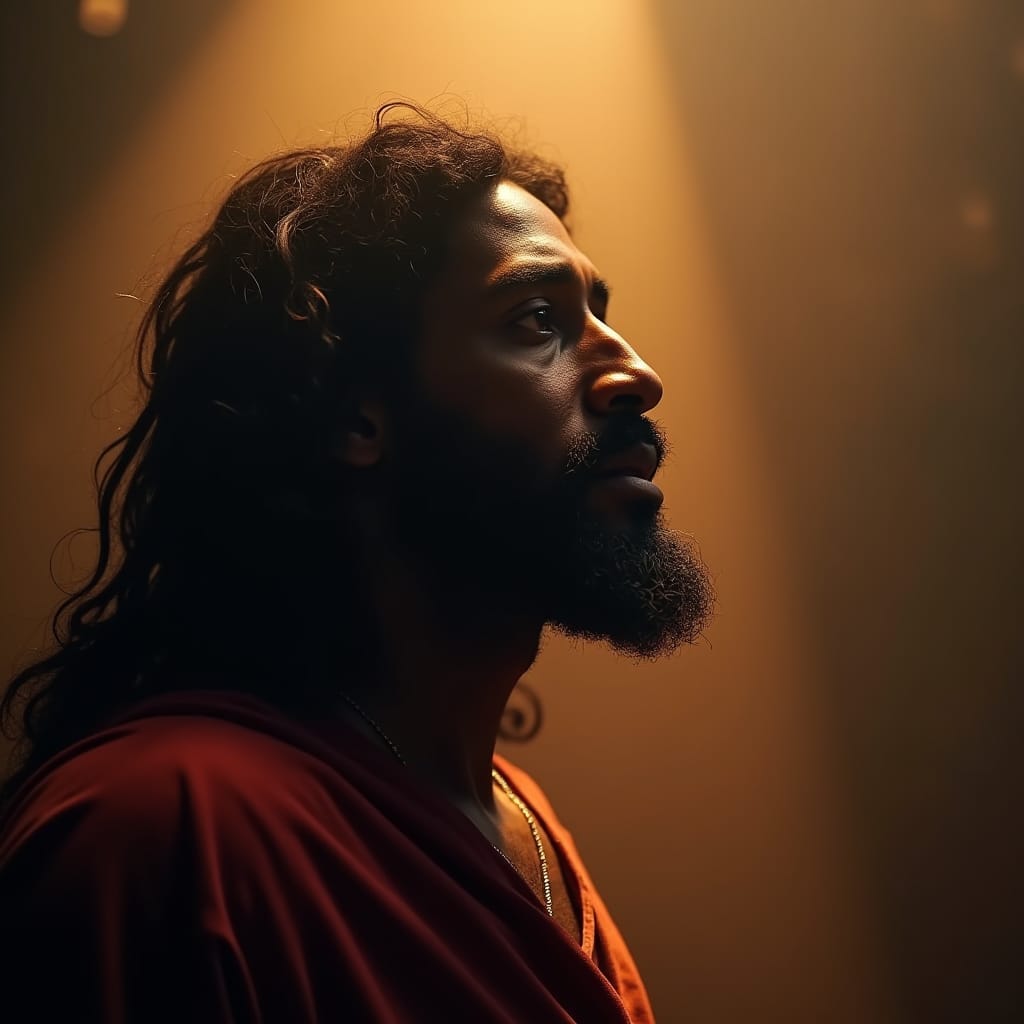
Jamaica is a country deeply intertwined with faith, and Christianity, particularly the belief in Jesus Christ, has played a significant role in shaping the island’s culture, history, and society. Christianity is the dominant religion in Jamaica, with around 70% of the population identifying as Christians. The faith has roots that stretch back to the colonial period, and its influence has been pivotal in the nation’s journey from slavery to emancipation and beyond.
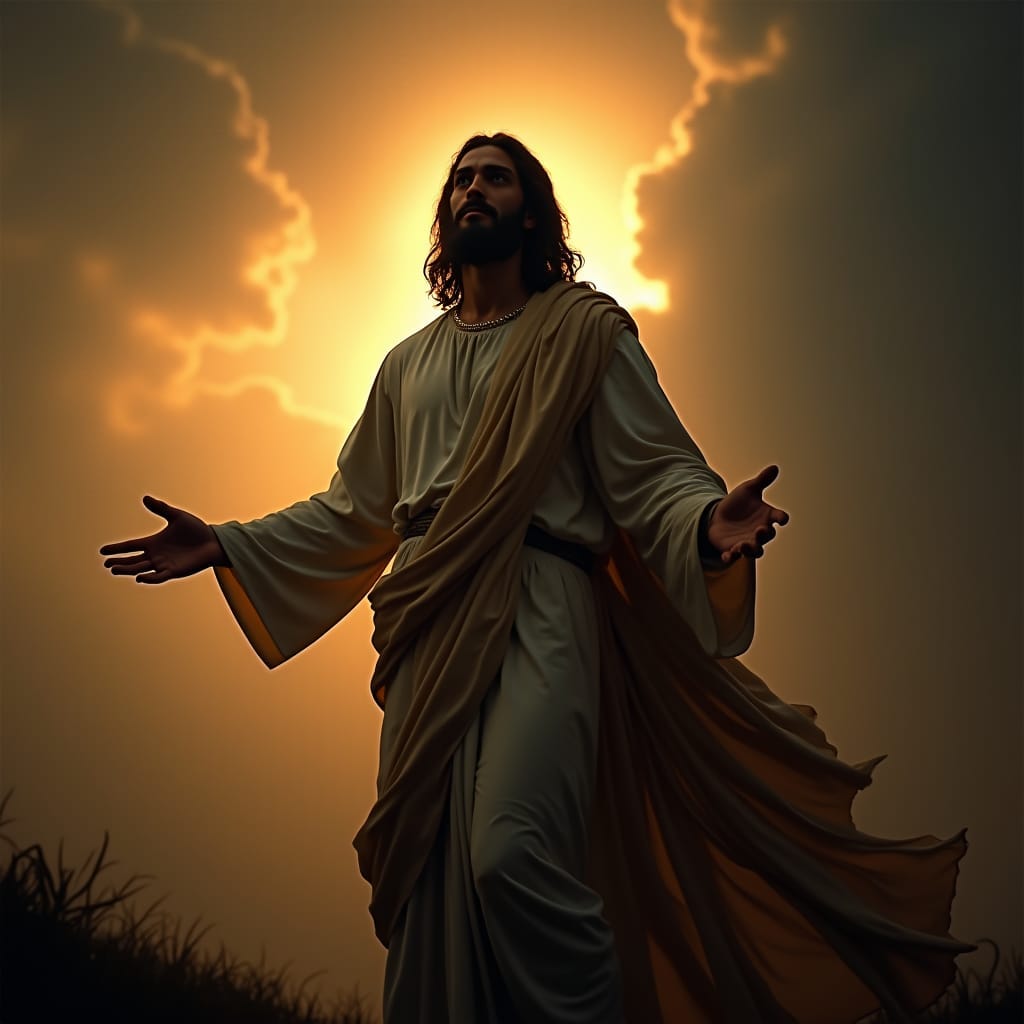
The Role of Christianity During Slavery
During the era of slavery, Christianity was introduced to the enslaved African population primarily by European missionaries, including the Moravians, Baptists, and Methodists. While it is important to recognize that Christianity was often used by slave owners as a tool of control and submission, the enslaved people of Jamaica found ways to reclaim the faith, interpreting Christian teachings through their own cultural lens. The message of liberation, hope, and equality found in the Bible resonated deeply with those suffering under the brutal system of slavery. In particular, the teachings of Jesus Christ about love, justice, and the ultimate deliverance from oppression became symbols of spiritual resistance.
The Baptist Rebellion and Emancipation
One of the most critical moments in Jamaican history connected to faith was the Baptist War (or Christmas Rebellion) of 1831–1832, led by Samuel Sharpe, a deacon in the Baptist Church. Sharpe, inspired by his Christian beliefs, organized a peaceful strike that escalated into a full-scale rebellion. His faith in Jesus Christ’s message of equality and freedom was at the heart of his resistance to the institution of slavery. Although the rebellion was suppressed, it hastened the British decision to abolish slavery, which culminated in the Emancipation Act of 1834.
Christianity Post-Emancipation and Land Ownership
After emancipation, Christianity continued to play a vital role in the lives of freed Jamaicans. Churches became centers of education, community development, and spiritual guidance. The newly emancipated population began to acquire land, as property ownership became a symbol of true freedom and independence. The church often supported these efforts, with some denominations helping former slaves purchase land to build homes and establish communities. This access to land marked a critical shift, giving Jamaicans the ability to own property and cultivate economic self-sufficiency, something previously denied under the system of slavery.
Faith and National Identity
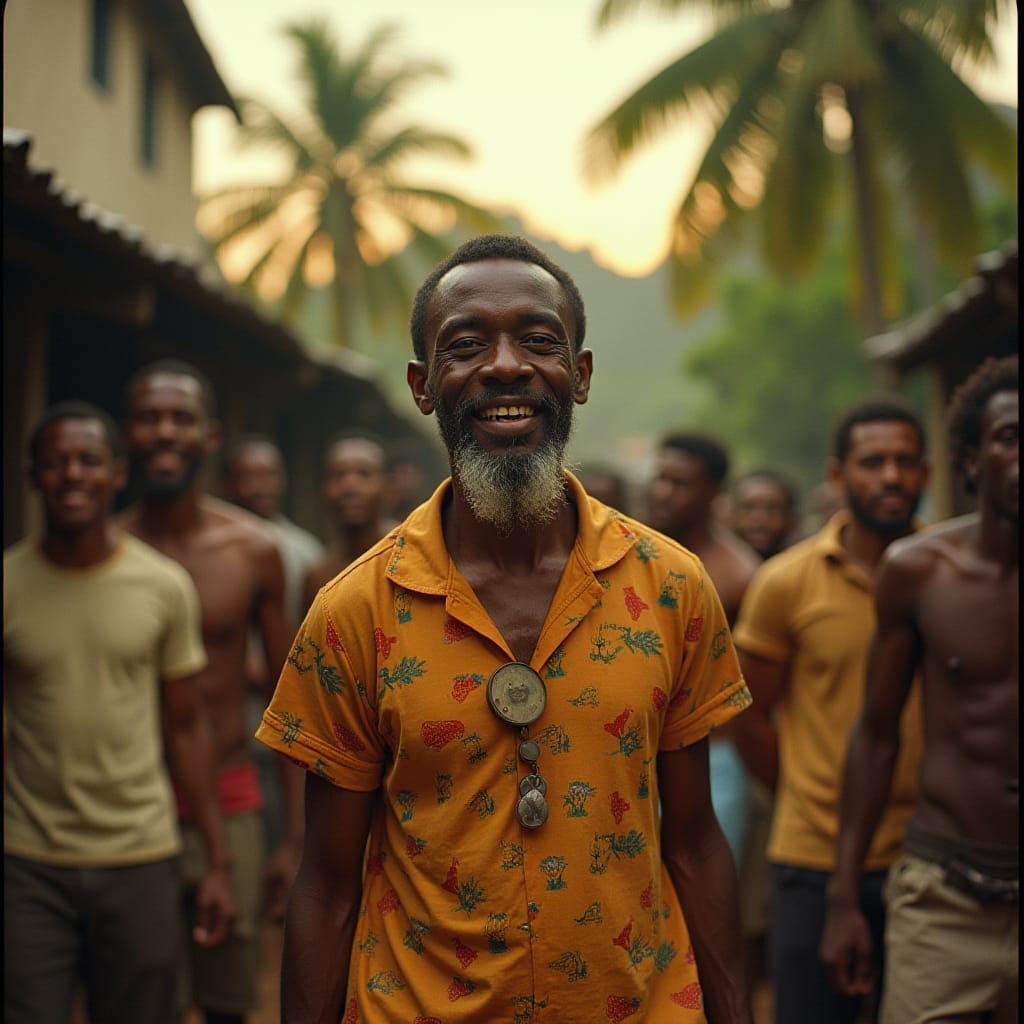
As Jamaica transitioned into a free society and later achieved independence in 1962, Christian values continued to influence national identity. Many of Jamaica’s national symbols, such as its motto, “Out of Many, One People,” reflect Christian themes of unity and community. The church also remains a powerful institution in Jamaica, playing a role in political discourse, education, and social services.
Christianity and Property Ownership Today
Today, the idea of property ownership in Jamaica still carries significant weight. For many, owning land is a way to honor the struggles of their ancestors who fought for the freedom to own property. Faith continues to inspire hope for many Jamaicans seeking to improve their lives. Christian organizations often run programs to support low-income families in acquiring homes, addressing social inequalities that remain in the country.
The Spiritual Legacy
The legacy of Christianity in Jamaica is a complex one, intertwined with both oppression and liberation. However, for many Jamaicans, faith in Jesus Christ continues to be a source of strength and inspiration, providing a moral compass and a vision for a better future. The island’s churches remain vibrant centers of worship, community, and social change, reflecting the ongoing importance of faith in the lives of Jamaicans.
In sum, the Christian faith, from the days of slavery to modern times, has been a cornerstone in Jamaica’s journey toward freedom, equality, and empowerment. It has helped shape the social and economic landscape of the nation, fostering a culture where spirituality, justice, and land ownership remain deeply connected.