


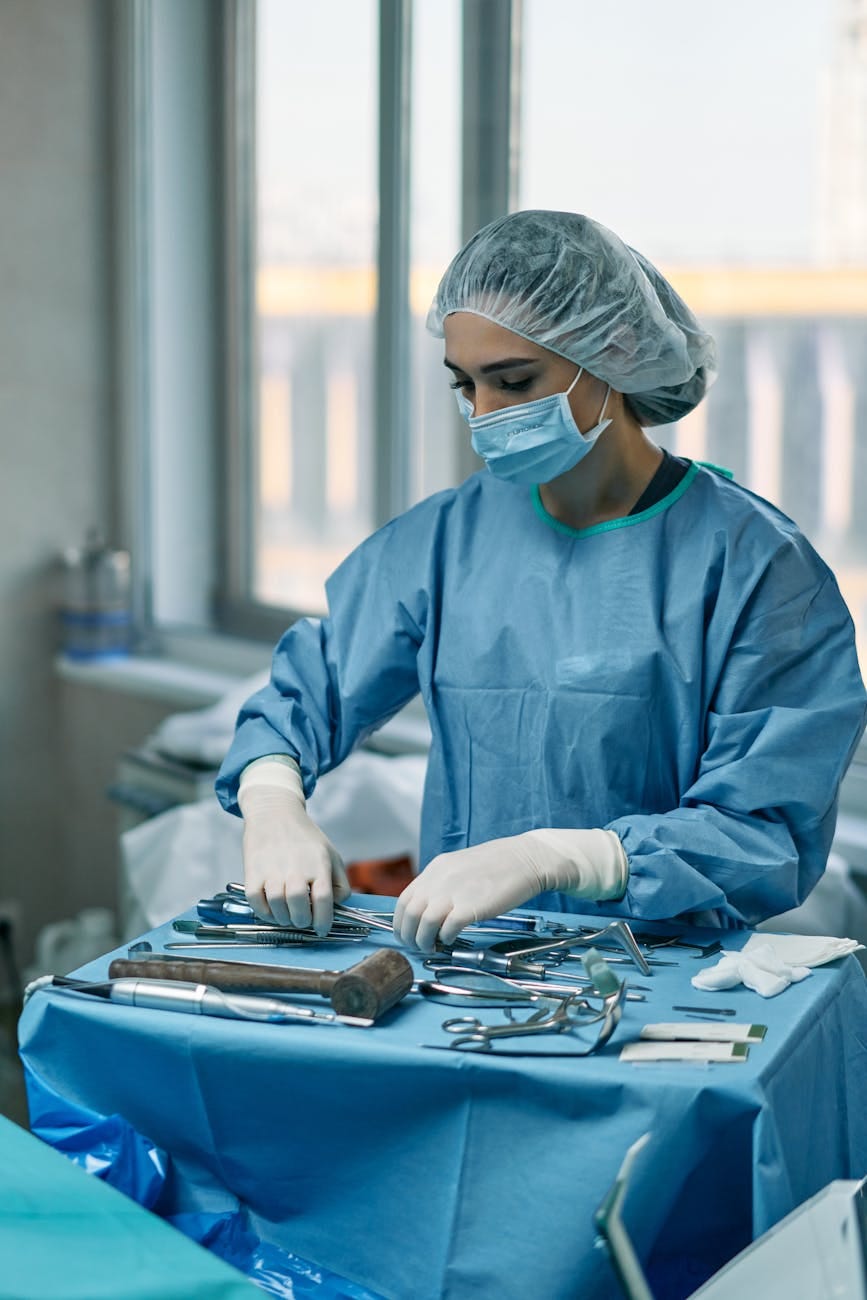
The Jamaica–Cuba Medical Cooperation Programme was a bilateral healthcare agreement established in 1976 between the governments of Jamaica and Cuba under which Cuban doctors, nurses, and other medical personnel were deployed to Jamaica’s public health system. The programme aimed to address shortages of medical professionals, particularly in rural areas and specialist services.
For nearly five decades it became a central part of Jamaica’s healthcare workforce strategy, supplying hundreds of medical professionals to hospitals and clinics across the island.
History
Establishment (1976)
The programme began in 1976, four years after Jamaica and Cuba established formal diplomatic relations in 1972. It formed part of a broader technical cooperation framework between the two Caribbean countries.
Under the agreement, Cuban medical professionals were assigned to work in Jamaica’s public health sector, filling critical shortages in medical personnel and helping to expand access to healthcare.
Development and Role in Jamaica’s Health System (1980s–2010s)
Over the following decades, the programme became one of the most significant examples of Cuba’s international medical cooperation in the Caribbean.
Cuban doctors and specialists worked in multiple areas of Jamaica’s health sector, including:
rural hospitals and clinics
specialist medical services
public health programmes
surgical and ophthalmology services
The programme allowed Jamaica to maintain services in areas where local shortages existed and helped stabilise staffing levels within the public health system.
Continued Dependence and Workforce Gap (2010s–2020s)
By the 2010s and 2020s, Cuban medical professionals remained an important component of Jamaica’s healthcare workforce.
Hundreds of Cuban doctors, nurses, and technicians served in the country, often working in underserved communities and specialised medical services where staffing shortages were most severe.
At the time of the programme’s termination, 277 Cuban medical professionals were working in Jamaica.
Expiration of Agreement (2023)
The most recent formal cooperation agreement between the two countries expired in February 2023.
After its expiration, both governments attempted to renegotiate a new technical cooperation arrangement but were unable to agree on revised terms governing the deployment and compensation of Cuban healthcare workers.
Decision to End the Programme (March 2026)
In March 2026, the Government of Jamaica announced that it would discontinue the medical cooperation programme, ending a partnership that had lasted nearly 50 years.
The Jamaican government stated that the decision was made because the two countries could not agree on the terms and conditions of a new cooperation agreement after the previous memorandum expired.
Jamaica indicated that Cuban doctors already working in the country could potentially continue their service through individual employment contracts under Jamaican labour law until their existing assignments ended.
Cuban Response and Withdrawal (March 2026)
Following Jamaica’s announcement, the Government of Cuba stated that Jamaica had yielded to pressure from the United States regarding the programme.
Cuba’s Ministry of Foreign Affairs declared that Jamaica’s action reflected U.S. pressure over Cuban medical missions and criticised the decision as disregarding the region’s healthcare needs.
In response, Cuba announced it would withdraw the entire Cuban Medical Brigade from Jamaica, including 277 healthcare professionals who were still serving in the country.
This withdrawal marked the effective end of the Jamaica–Cuba Medical Cooperation Programme after approximately five decades of operation.
Legacy
For almost fifty years, the programme played a major role in Jamaica’s public healthcare system by supplementing the local workforce and expanding medical access in underserved areas.
Its termination in 2026 marked a significant shift in Jamaica’s health policy and regional diplomacy, highlighting the intersection of healthcare cooperation, labour policy, and geopolitical tensions surrounding Cuba’s overseas medical missions.