


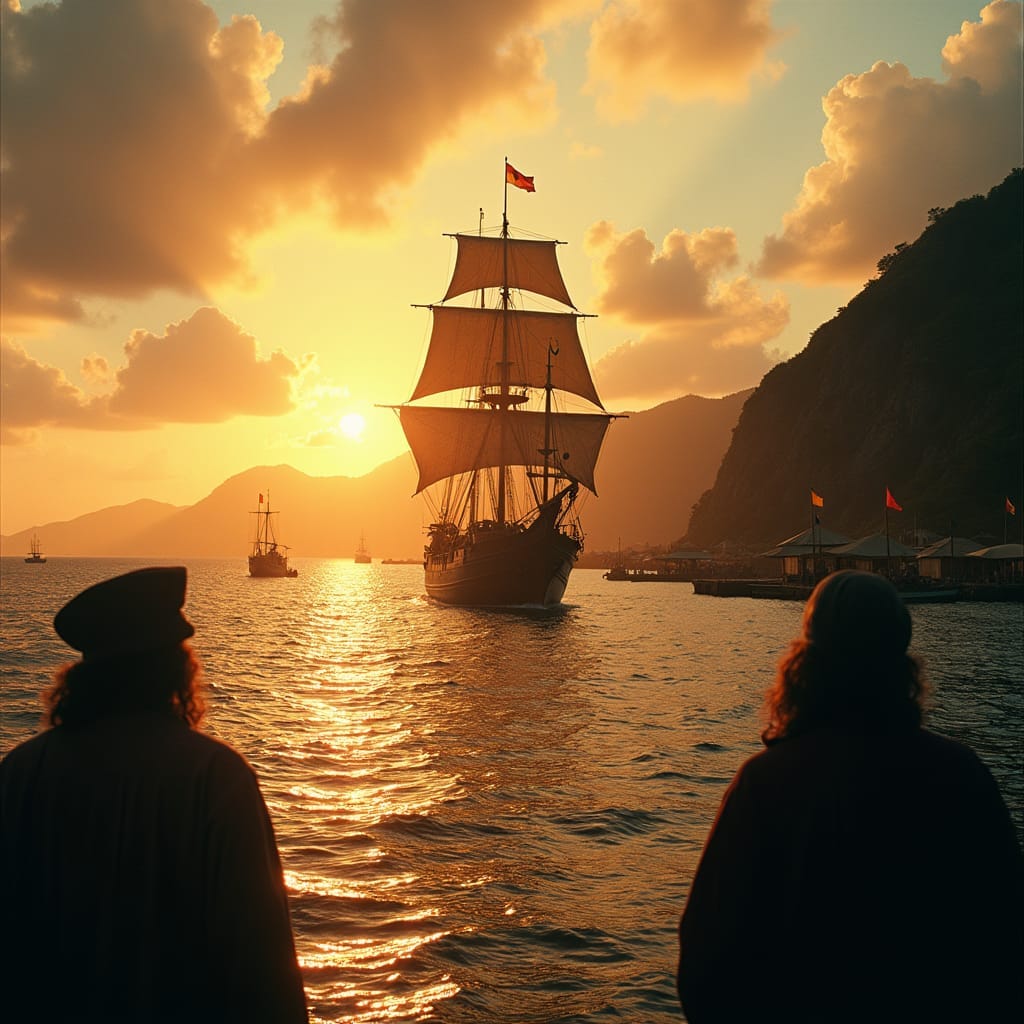
In the early 16th century, Spanish settlers arrived in Jamaica, forever altering the island’s trajectory and laying the groundwork for a new approach to land use and ownership. Under the leadership of the Spanish Crown, these settlers established the first European colony on the island, driven by the pursuit of wealth and the expansion of Spanish influence in the New World. They introduced the encomienda system, which granted large tracts of land to Spanish colonists, along with control over the labor of the indigenous Taino people. This system marked the beginning of a significant shift in Jamaica’s real estate practices, moving from communal land stewardship to a model based on private ownership and exploitation. The Spanish settlers’ efforts to cultivate the land for agriculture, particularly in sugarcane and livestock, laid the initial framework for Jamaica’s future plantation economy, a model that would later be expanded under British rule. As these colonial practices took root, they mirrored broader global trends, where European powers sought to control and profit from newly claimed lands across the Americas. The impact of the Spanish settlers’ real estate practices extended beyond Jamaica, influencing land ownership systems throughout the Caribbean and contributing to the global spread of colonial land exploitation. These early developments set the stage for Jamaica’s integration into a worldwide network of trade and agriculture, shaping the island’s landscape and economy in ways that resonate to this day, as modern real estate practices continue to reflect the legacies of colonialism and the global movement of wealth and power.