
 by
by 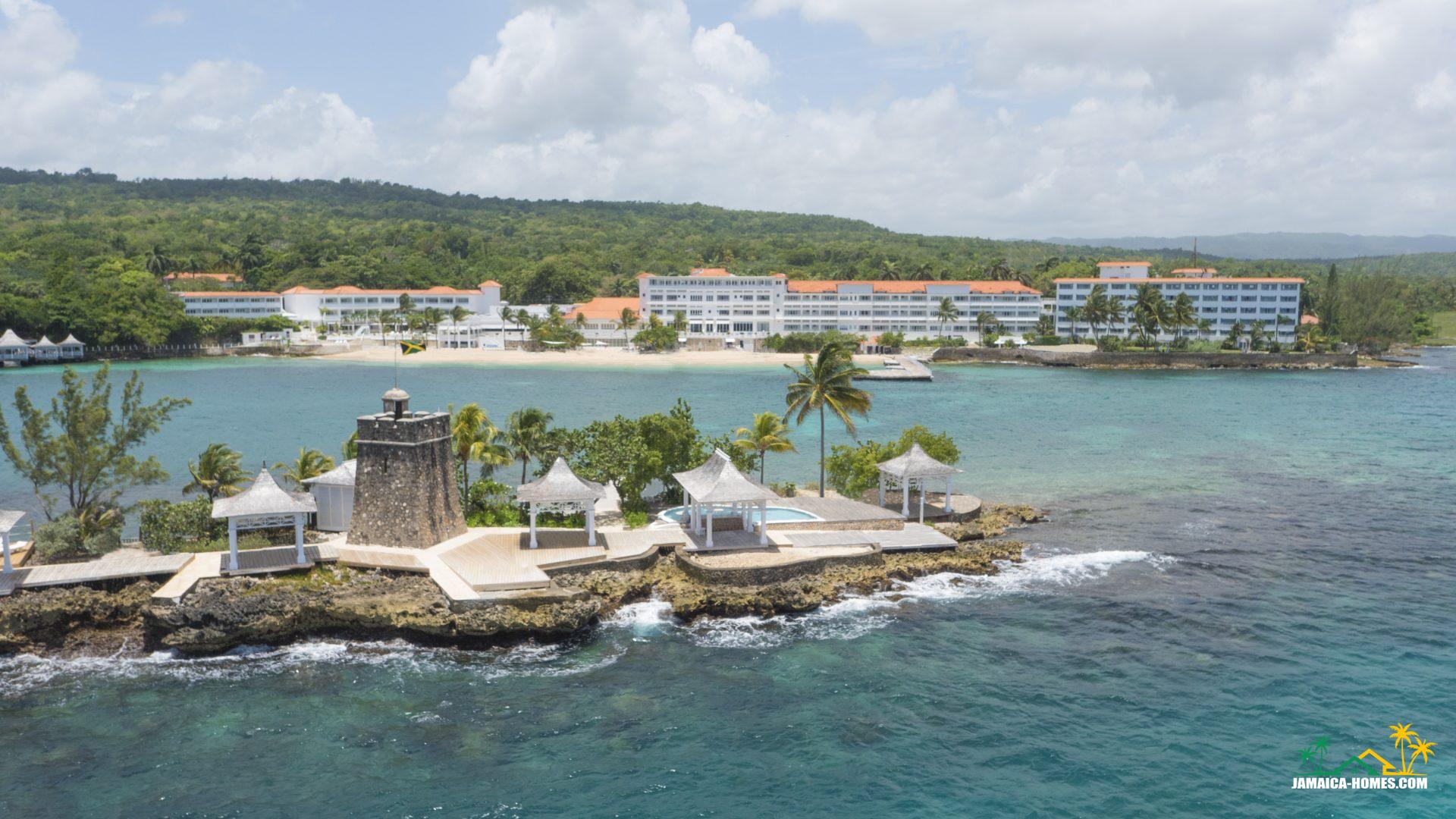
Tower Isle is a small but historically significant area in the parishIn Jamaica, a parish is a unique blend of community, culture, and history. Each of the 14 parishes serves as a local gov... More of St. Mary, JamaicaJamaica, with its vibrant culture and stunning landscapes, has a unique position in the global real estate market. The i... More, known for its connection to Jamaica’s colonial past and modern tourismTourism in Jamaica refers to the industry focused on attracting visitors to the island, who come to experience its natur... More developmentIn Jamaica, the term "development" can refer to various contexts, each with its unique focus and implications. Real esta... More. Its history spans centuries, reflecting Jamaica’s broader narrative of colonialism, slaverySlavery in Jamaica, which began in the early 17th century following the island's colonization by the British, was a brut... More, and post-independence growth.
Early History: Taino Presence
Before EuropeanEuropeans, in the context of Jamaica, real estate, and the global market, refer to individuals from the continent of Eur... More contactIn the real estate realm, contact refers to the crucial communication point between parties involved in a transaction or... More, the area now known as Tower Isle was inhabited by the Tainos, Jamaica’s indigenous peopleThe people of Jamaica embody a spirit that is at once richly diverse and unbreakably unified, as captured by the nationa... More. They lived along the coastal areas, relying on fishing, farming, and trade. Evidence of TainoThe Taino were the indigenous people of Jamaica and much of the Caribbean, known for their advanced agricultural techniq... More settlements, such as artifacts and carvings, has been found throughout St. Mary.
Colonial Era: Sugar Plantations and Slavery
With the arrival of the SpanishThe Spanish first arrived in Jamaica in 1494, marking a significant European influence that shaped the island’s early ... More in 1494 and later the British in 1655, St. Mary became a hubIn the Jamaican real estate landscape, a hub refers to a central point of activity or a focal area that drives growth an... More for plantation agriculture. The fertile lands near Tower Isle were used to cultivate sugarcane, which was the backbone of Jamaica’s colonial economy. Enslaved Africans were brought to the area to provide labor for the plantations, enduring harsh conditions.
Tower Isle itself was likely part of or surrounded by large estatesDuring the colonial era, large estates in Jamaica emerged as the cornerstone of the island's economy, profoundly shaping... More. Like much of St. Mary, it contributed to the island’s wealth during the sugar boom of the 18th and early 19th centuries. However, the abolition of slavery in 1834 and emancipation in 1838 marked a turning point, leading to labor challenges and a gradual decline in the plantation economy.
Post-Slavery Transition
After emancipation, many freed Africans settled in small villages near former plantations in St. Mary. They worked as small-scale farmers or moved to urban areas for better opportunities. Tower Isle and its surrounding areas began transitioning away from large-scale plantation agriculture toward more diverse economic activities.
Modern Era: Rise of Tourism
Tower Isle gained prominence in the 20th century due to its picturesque coastline and proximity to Ocho RiosOcho Rios is a popular resort town on Jamaica's north coast, known for its natural beauty, vibrant tourism industry, and... More, a major tourist destination. The area’s name is associated with a small islet located just off the coast, which became a focal point for visitors.
In the 1940s, Tower Isle became home to one of Jamaica’s most iconic resorts—Couples Tower Isle, originally named the Tower Isle Hotel. This resortA resort is a designated location designed for relaxation, recreation, and tourism, often featuring accommodat... More was a pioneer in Jamaica’s tourism industry, attracting celebrities and international travelers, and it helped establish the area as a premier vacation spot. Its luxurious amenitiesThe amenities and extras that are included vary from house to house. Certain residents only get access to exclusive bene... More and romantic setting cemented Tower Isle’s reputation as a haven for leisure and relaxation.
Cultural and Historical Significance
Today, Tower Isle remains a quiet yet popular destination. Its history reflects Jamaica’s transition from a colonial plantation economy to a modern, tourism-driven society. The area’s legacyLegacy, in the context of Jamaica, real estate, and the broader world, represents the enduring impact of past actions, a... More is preserved through its natural beauty, historic architectureArchitecture is the art and science of designing and constructing buildings and spaces that reflect cultural, functional... More, and continued relevance in Jamaica’s cultural and economic landscape.
Legacy and Preservation
While not as widely known for historical landmarks, Tower Isle’s significance lies in its representation of Jamaica’s resilience and evolution. Its history is a microcosm of the island’s broader story, from its Taino origins and colonial struggles to its vibrant modern identity as a global tourist destination.
DisclaimerA disclaimer is a statement that serves to limit or exclude liability, usually found in legal documents, websites, produ... More:
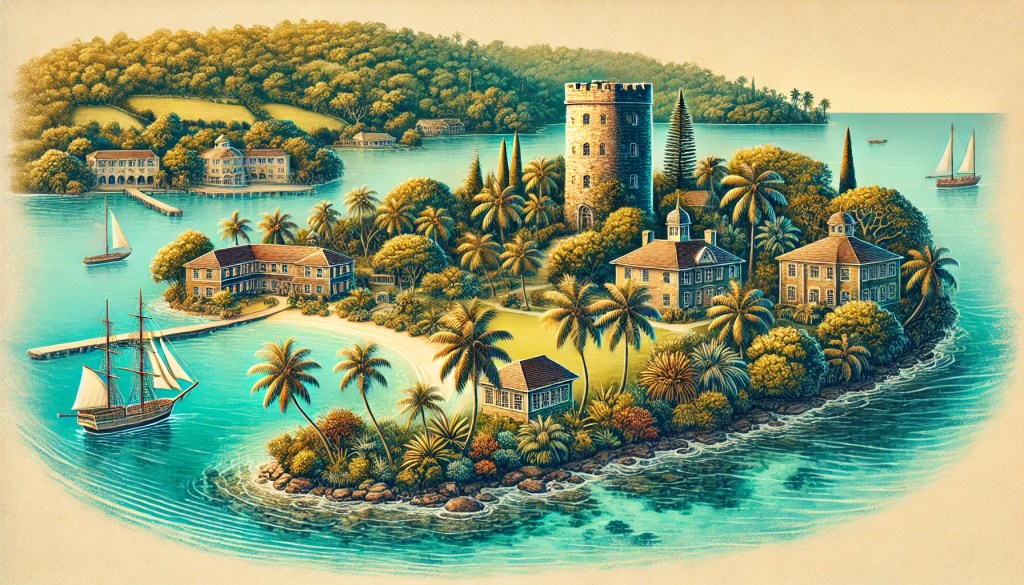
This illustration of Tower Isle, St. Mary, Jamaica, is an artistic interpretation created for representational purposes. While it blends elements of historical and modern significance, the depiction may not accurately reflect current or historical structures, landscapes, or events. For precise historical or geographical information, please refer to verified sources.
Discover more from Jamaica Homes
Subscribe to get the latest posts sent to your email.