Sustainable homes refer to dwellings designed and constructed to minimize environmental impact while promoting energy efficiency, resource conservation, and occupant well-being. In JamaicaJamaica, with its vibrant culture and stunning landscapes, has a unique position in the global real estate market. The i... More, the concept is increasingly relevant due to the island’s vulnerability to climate changeClimate change is the ongoing transformation of Earth's climate system, driven primarily by human activities over the pa... More, rising energy costs, and the need for resilient housing. These homes integrate renewable energy systems such as solar panels, rainwater harvesting, and materials sourced locally to reduce carbon footprints. Globally, sustainable housing addresses the urgent need to combat urban sprawlUrban sprawl in Jamaica describes the expansion of urban areas into previously rural or undeveloped land. This phenomeno... More, reduce greenhouse gas emissions, and meet international goals like the UN’s Sustainable DevelopmentSustainable development is a guiding principle aimed at balancing the needs of today with the ability of future generati... More Goals (SDGs). The real estateReal estate refers to property consisting of land and the structures on it, such as buildings and homes. It also include... More market has embraced sustainable homes as a response to growing consumer demand for eco-friendly living spaces, with developments in areas such as green certifications and smart home technologies. In Jamaica, sustainable homes have become a practical solution for enhancing resilience to hurricanesHurricanes, powerful tropical storms characterized by strong winds and heavy rains, significantly impact both Jamaica an... More and other natural disastersNatural disasters, such as hurricanes, earthquakes, and floods, arise from environmental processes that can cause signif... More while fostering economic growthEconomic growth is when a country’s economy gets bigger and better over time. This means that the country is making an... More through local craftsmanship and innovation. Use cases range from affordable housingAffordable housing in Jamaica is an increasingly pressing issue, with rising land and construction costs making home own... More initiatives to luxury estates, demonstrating how sustainability can align with diverse socioeconomic needs, creating lasting benefits for both residents and the environment.
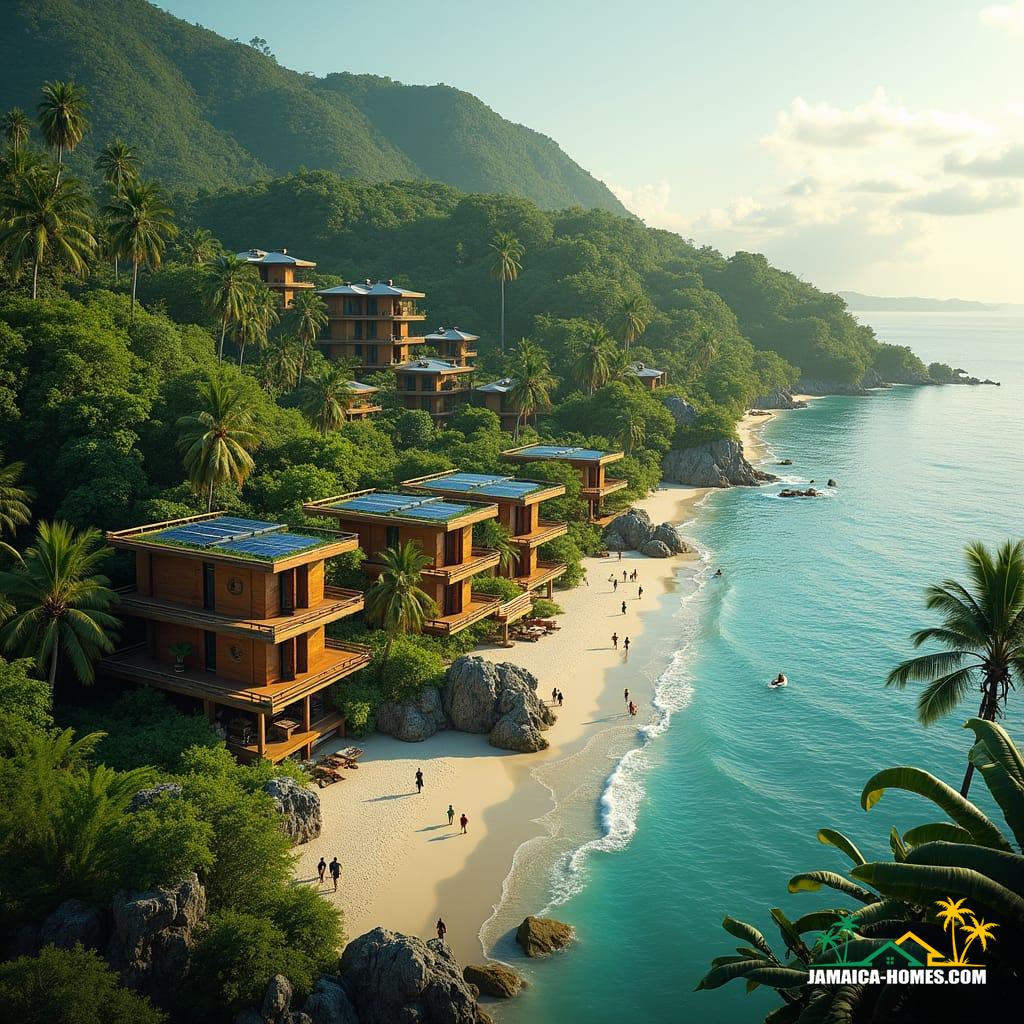
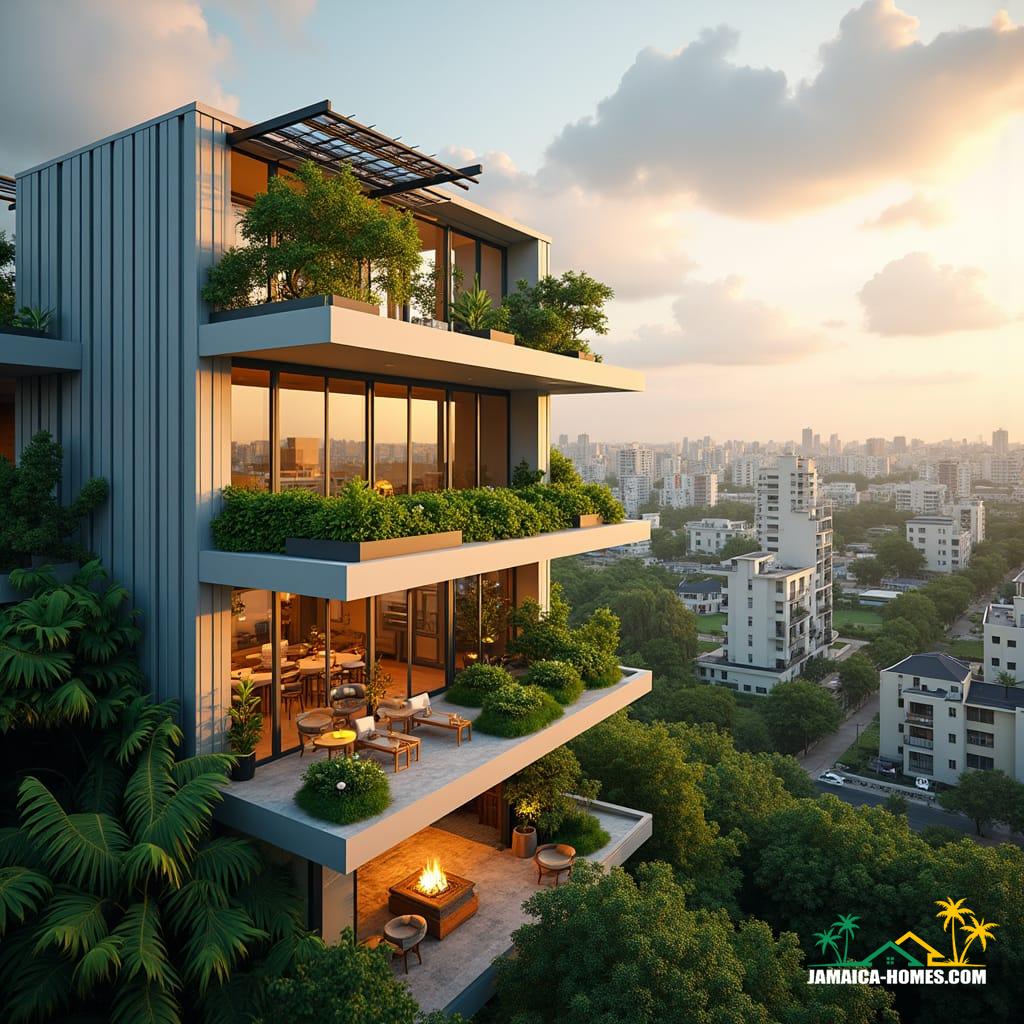
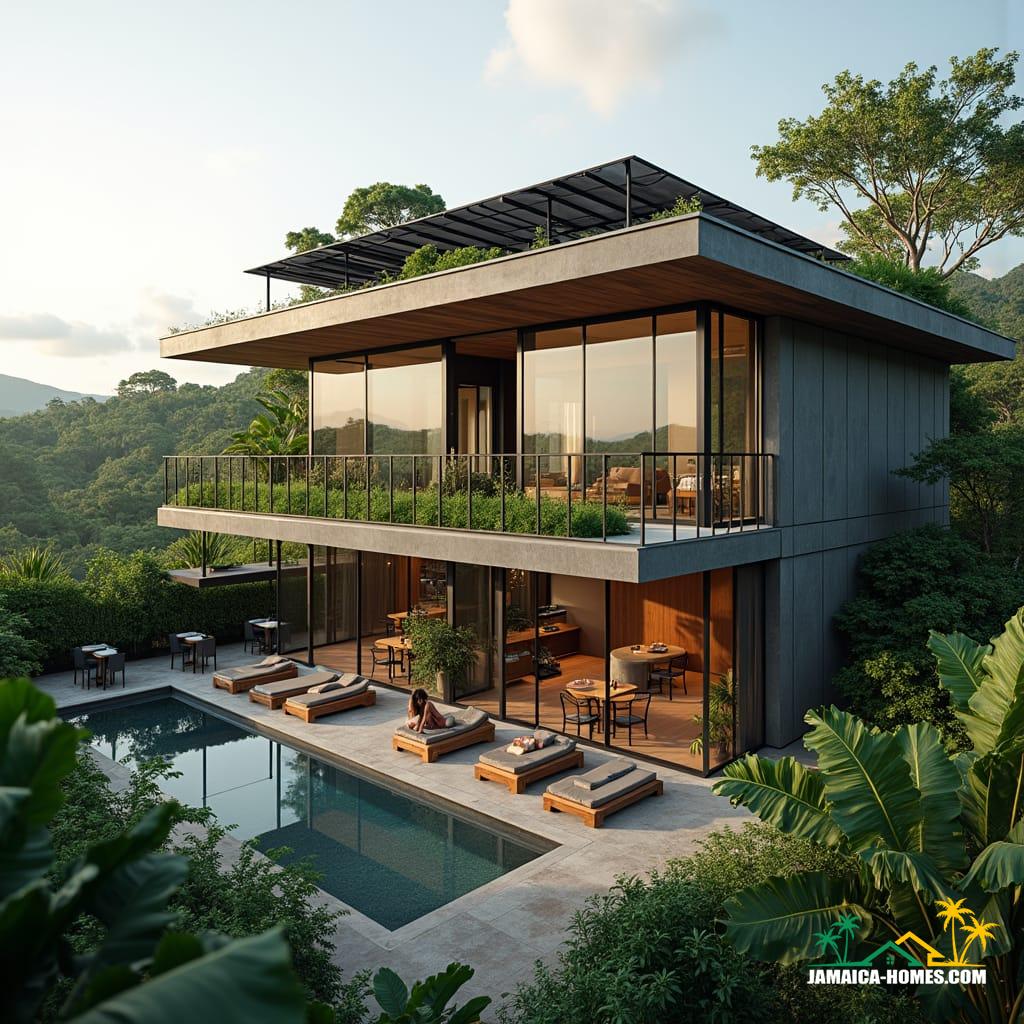
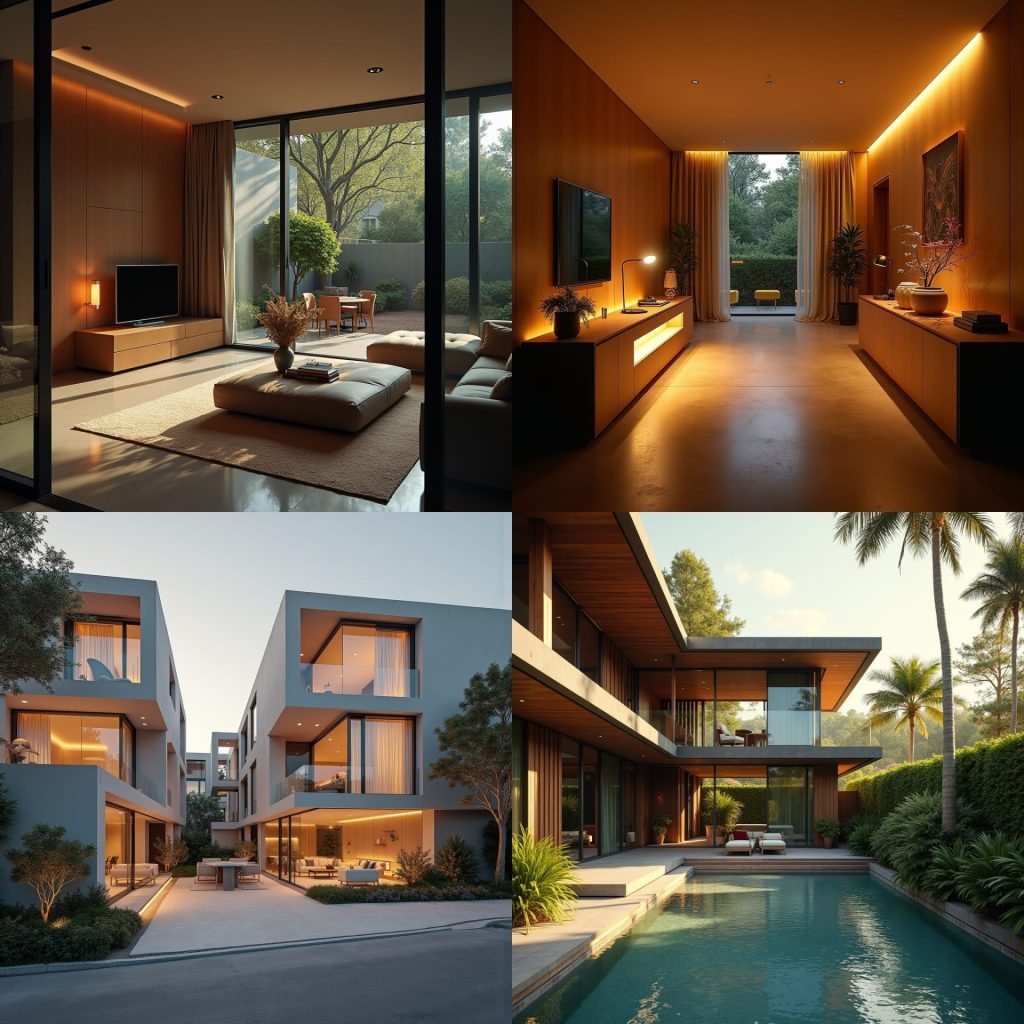
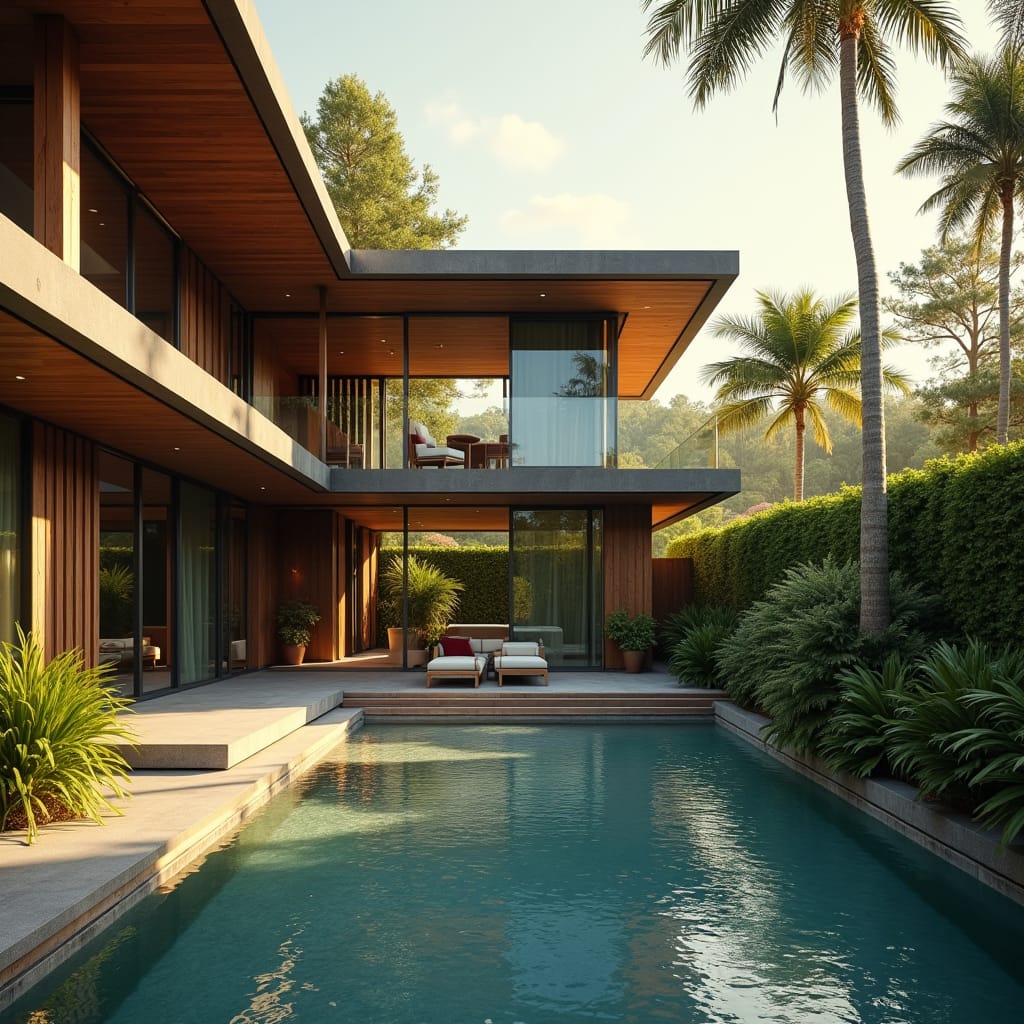
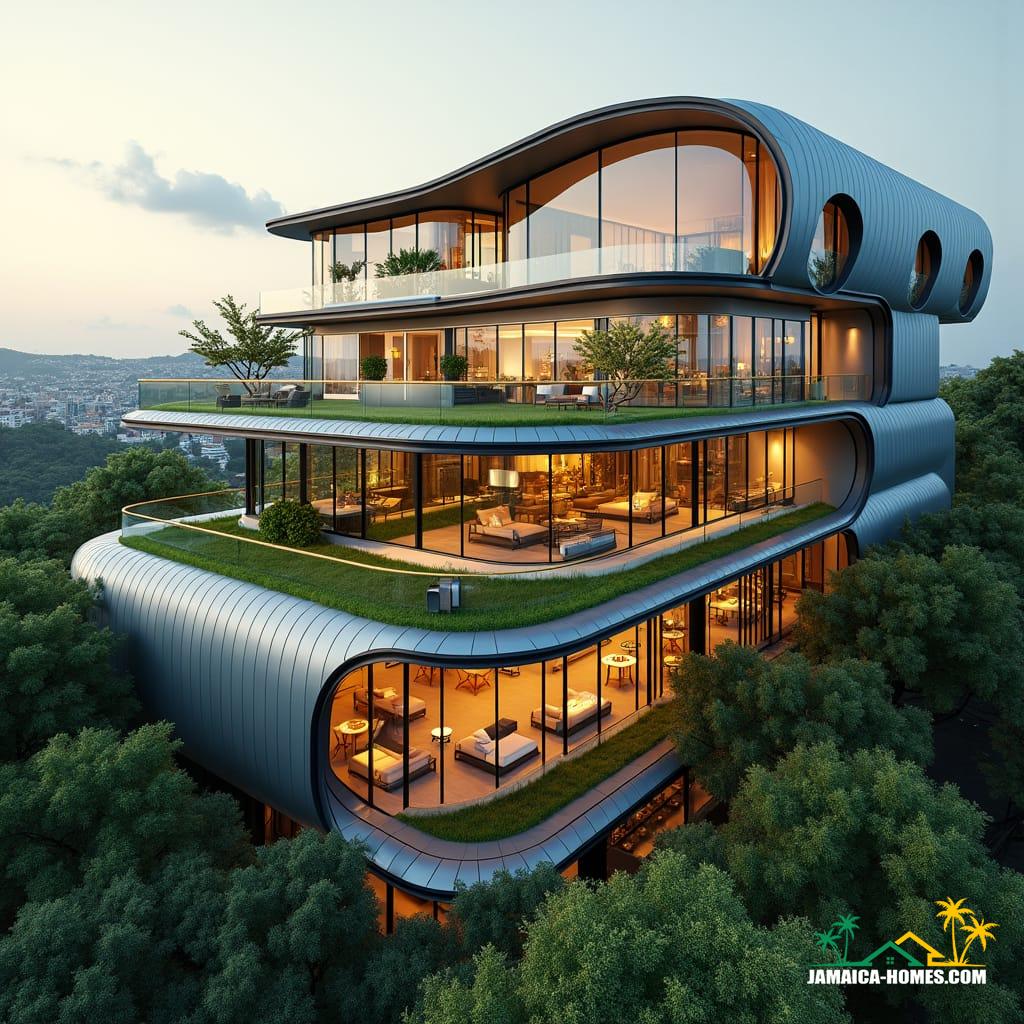
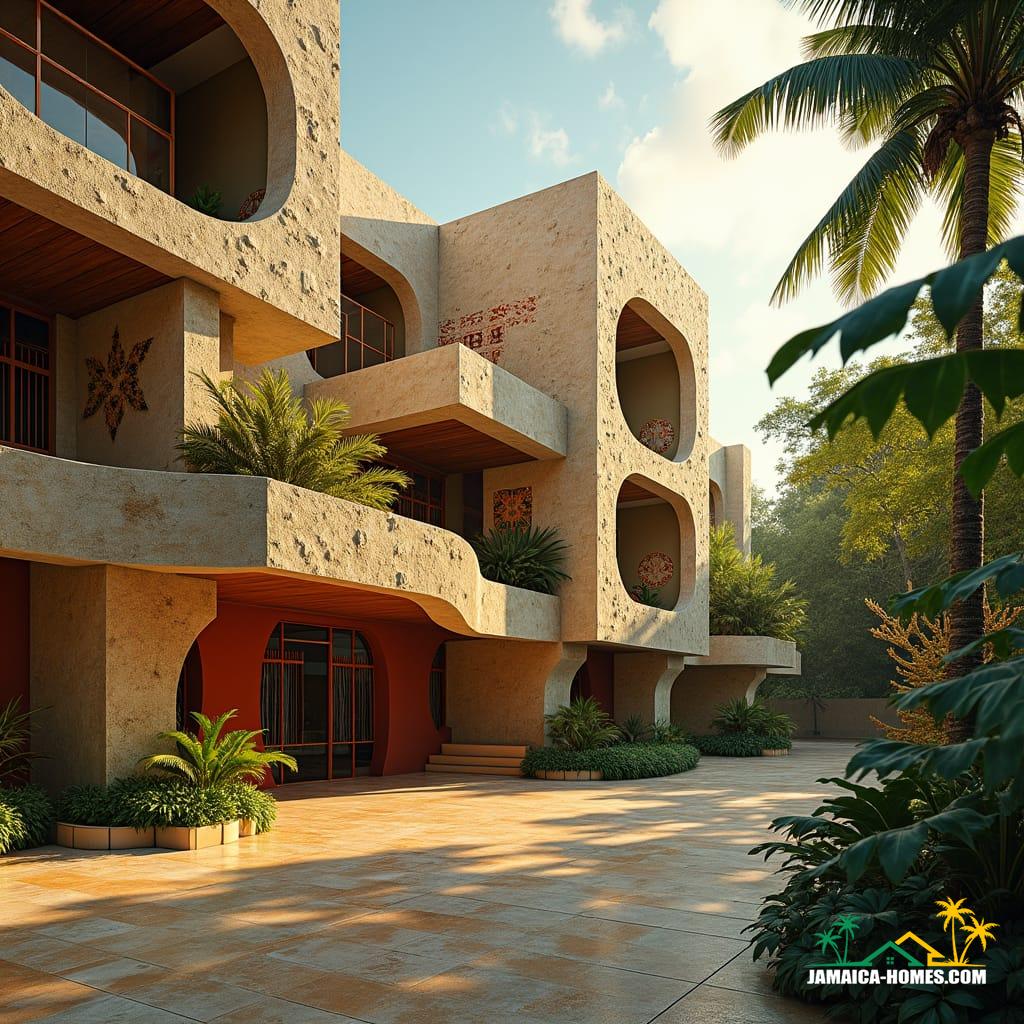
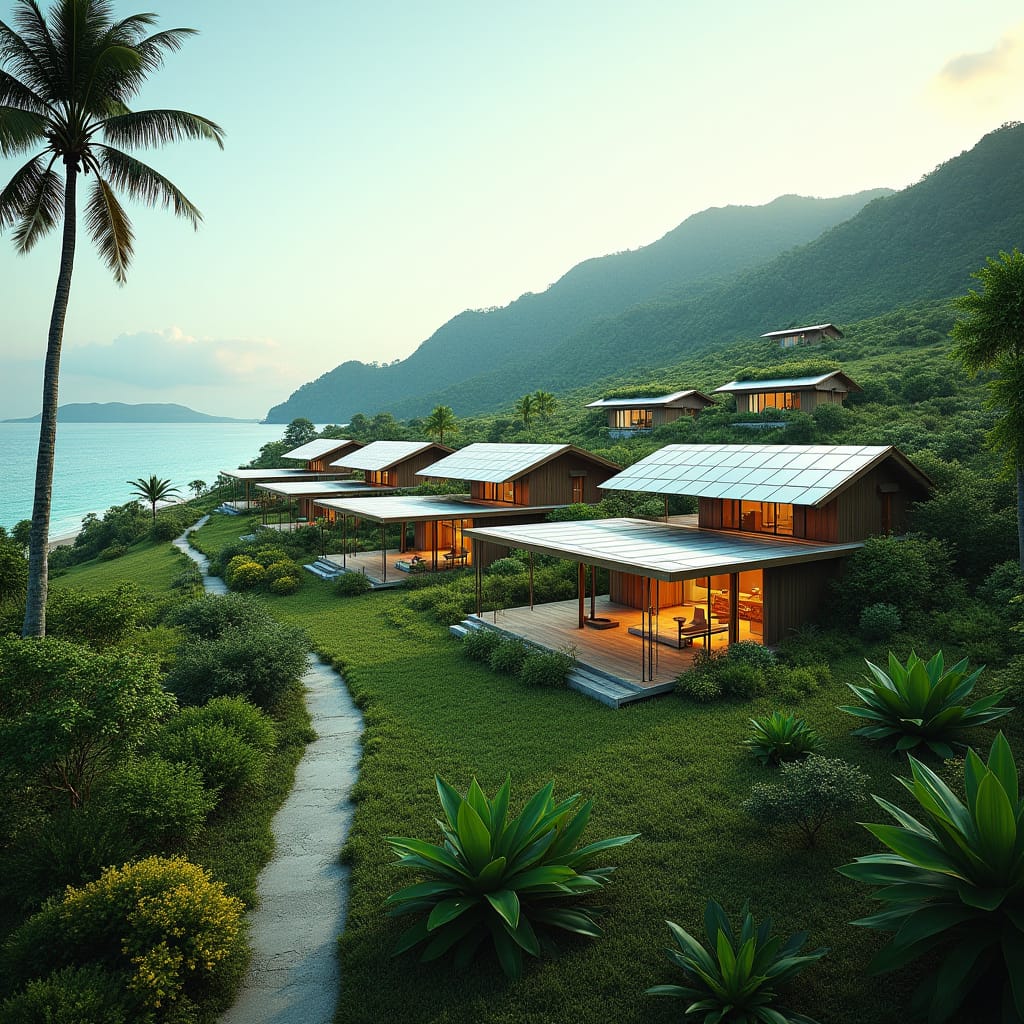
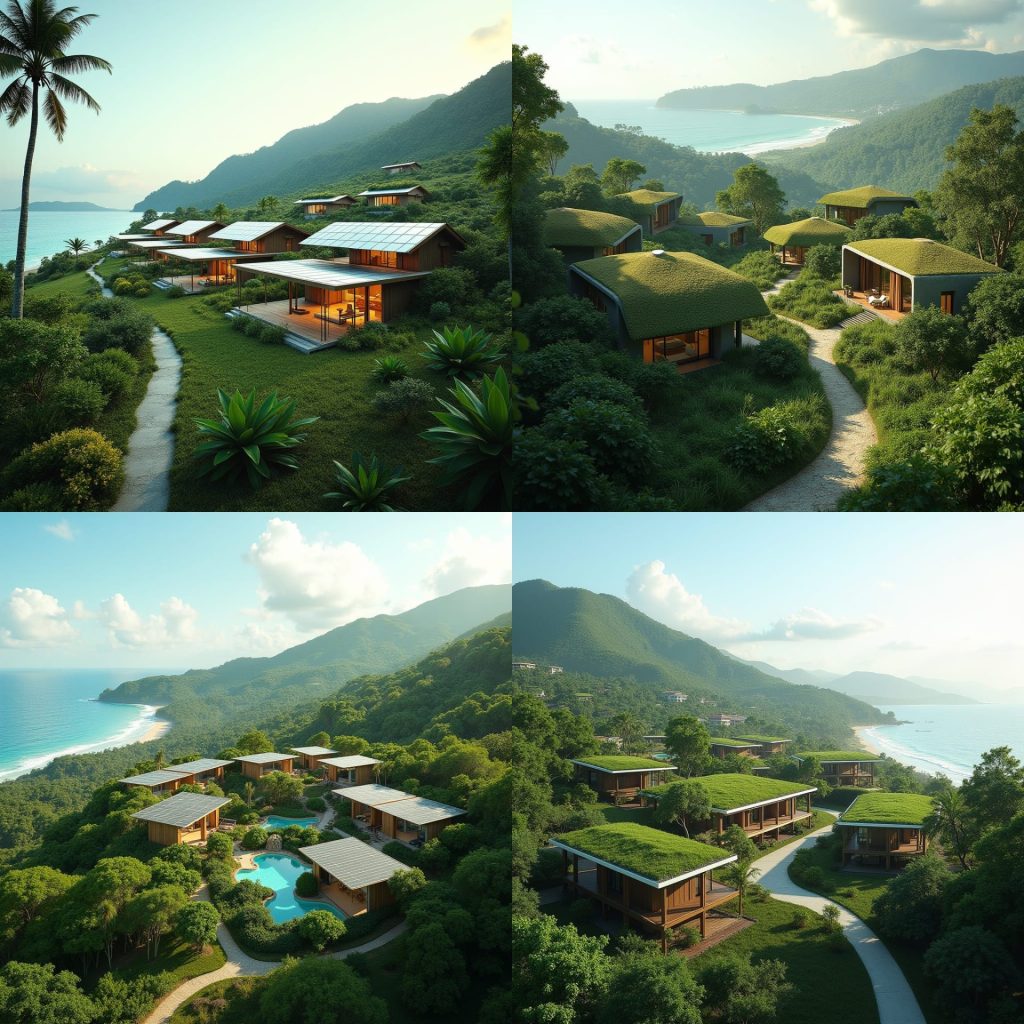
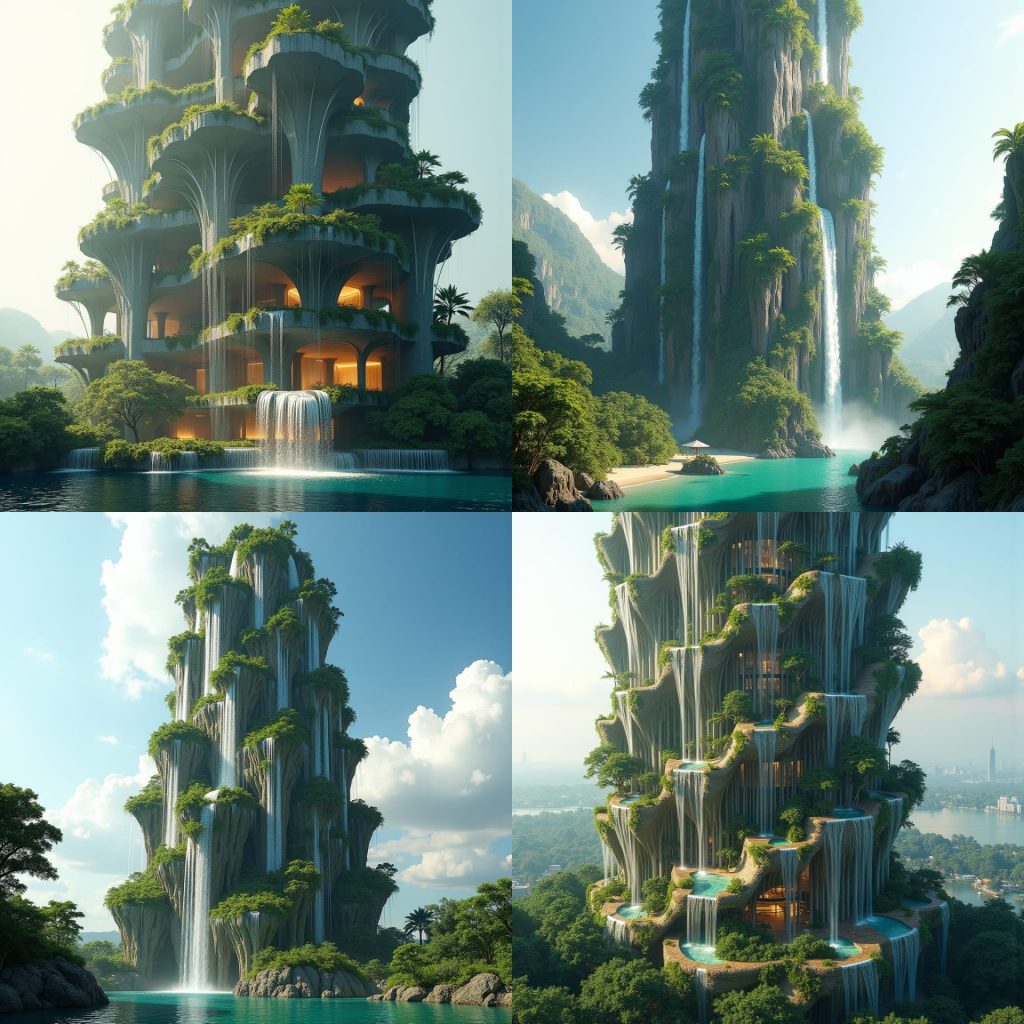
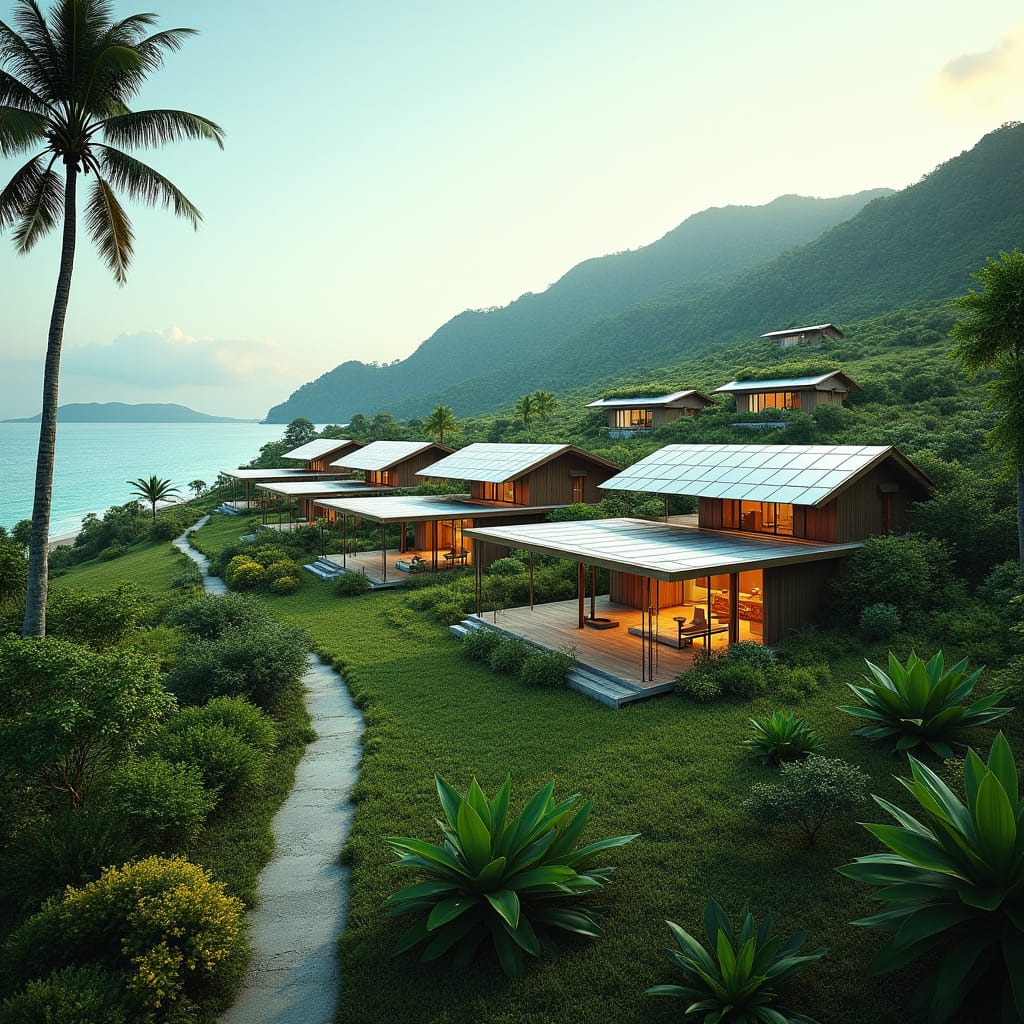
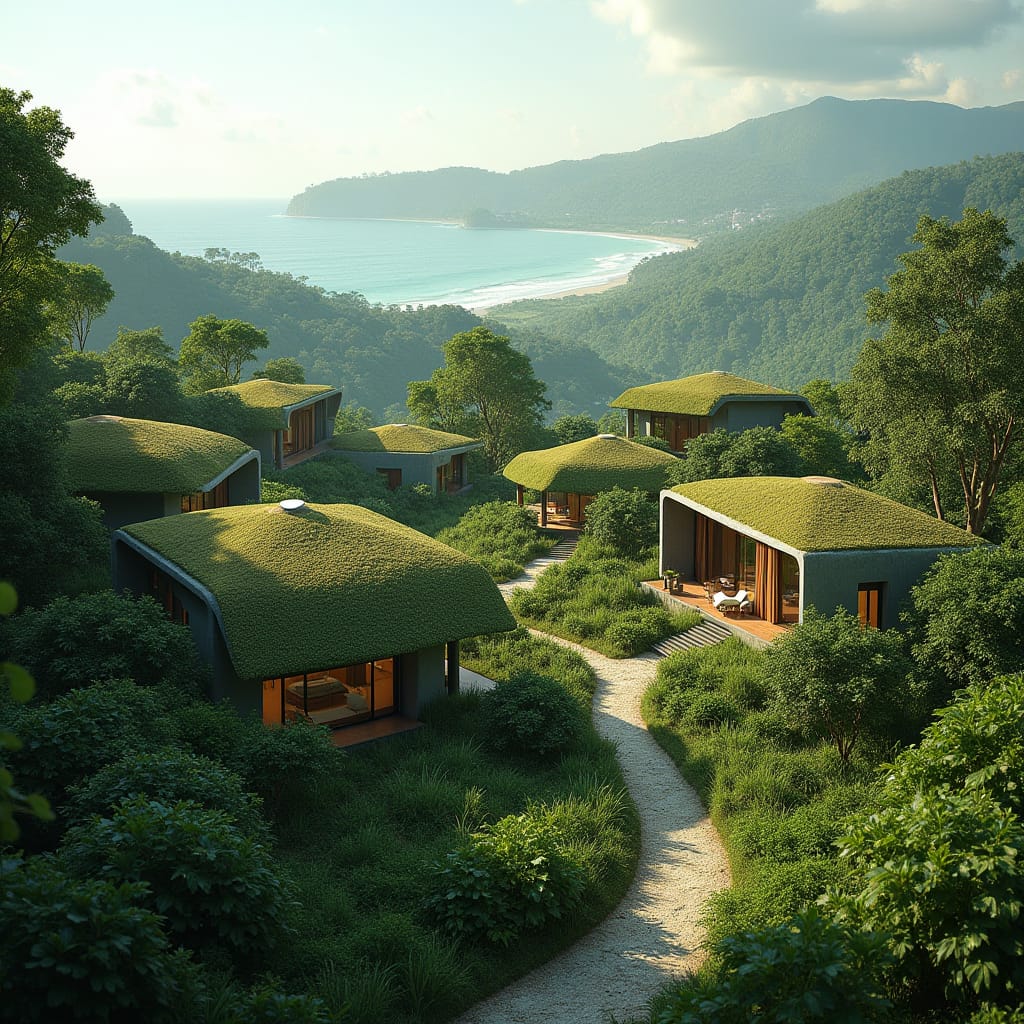
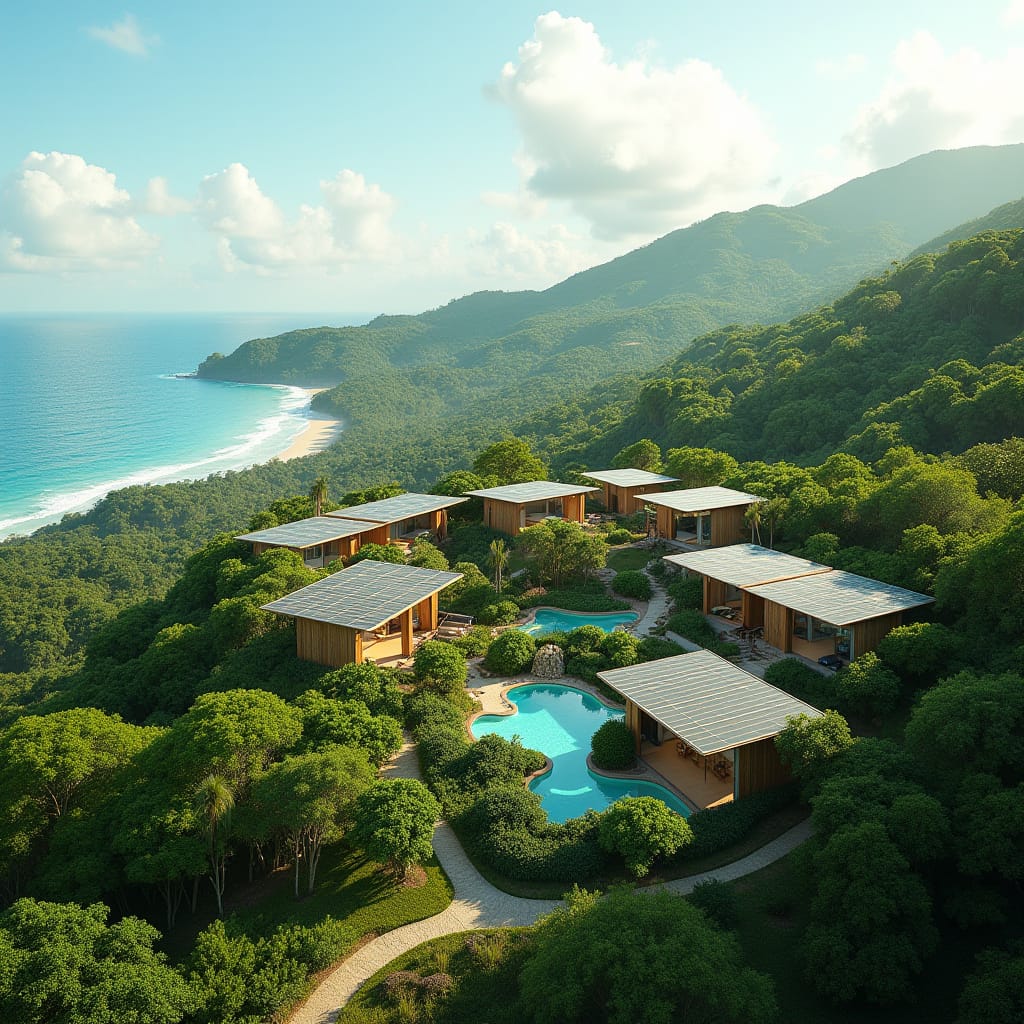
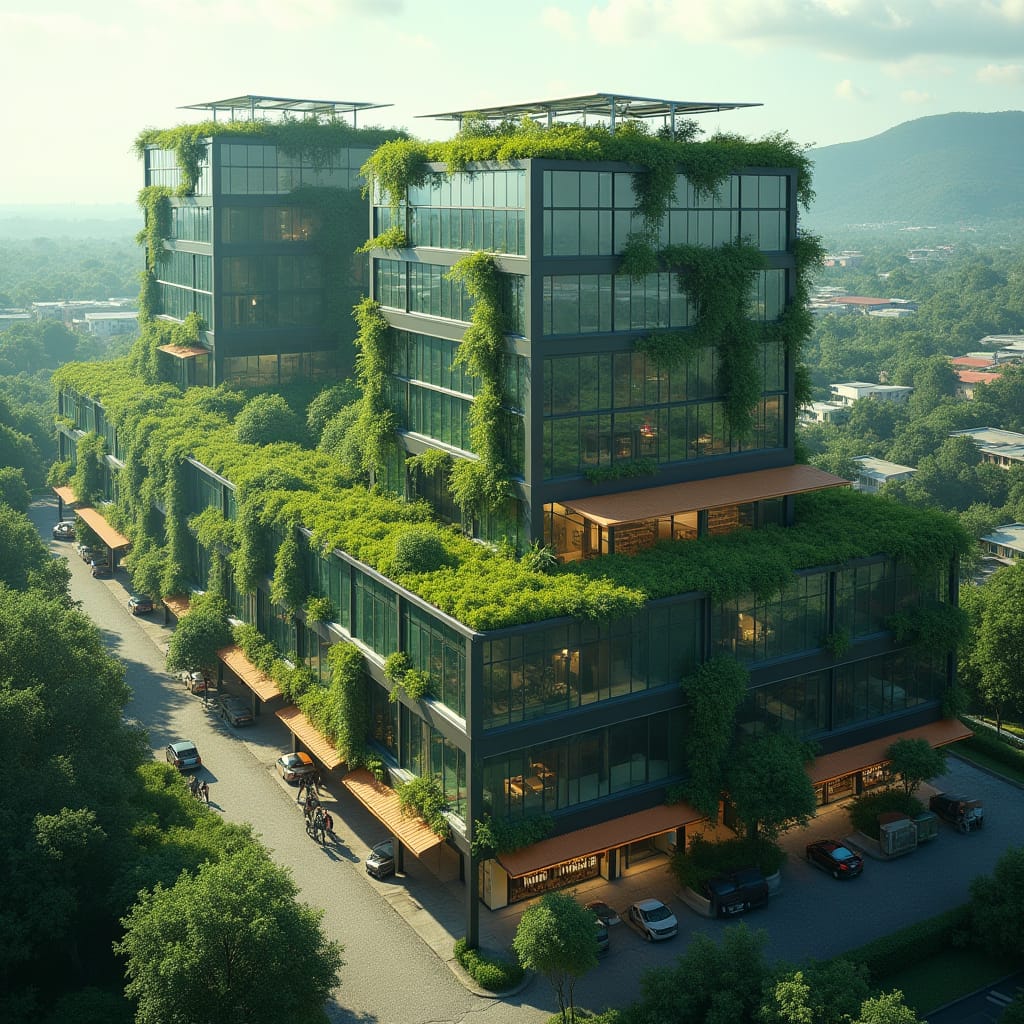
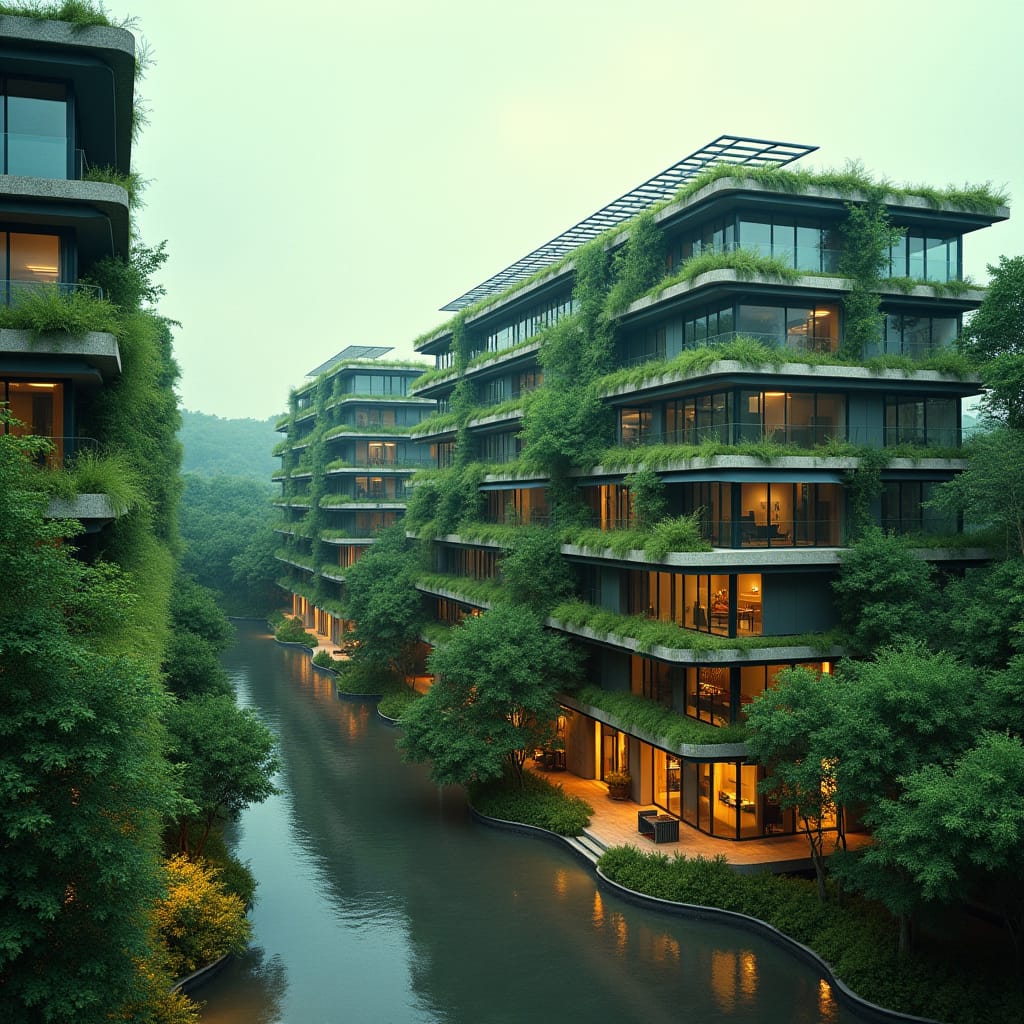
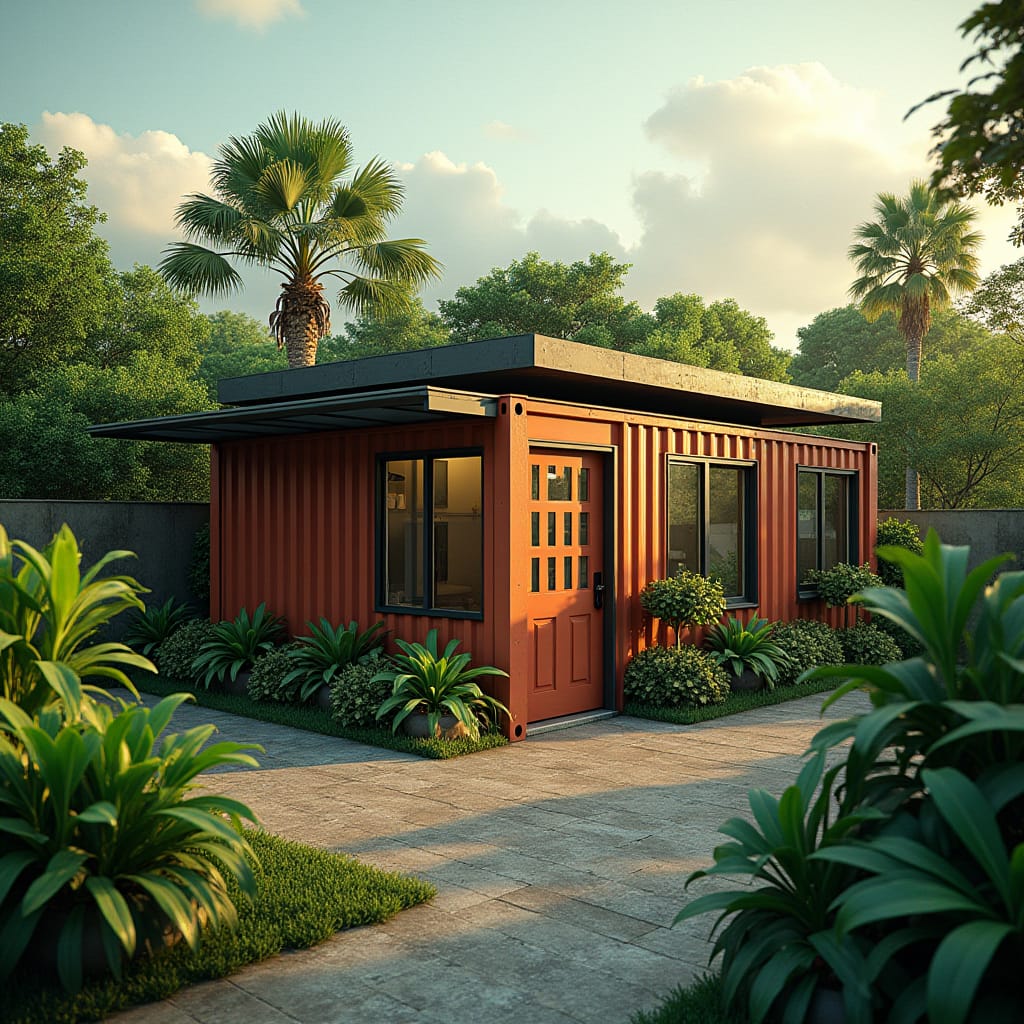
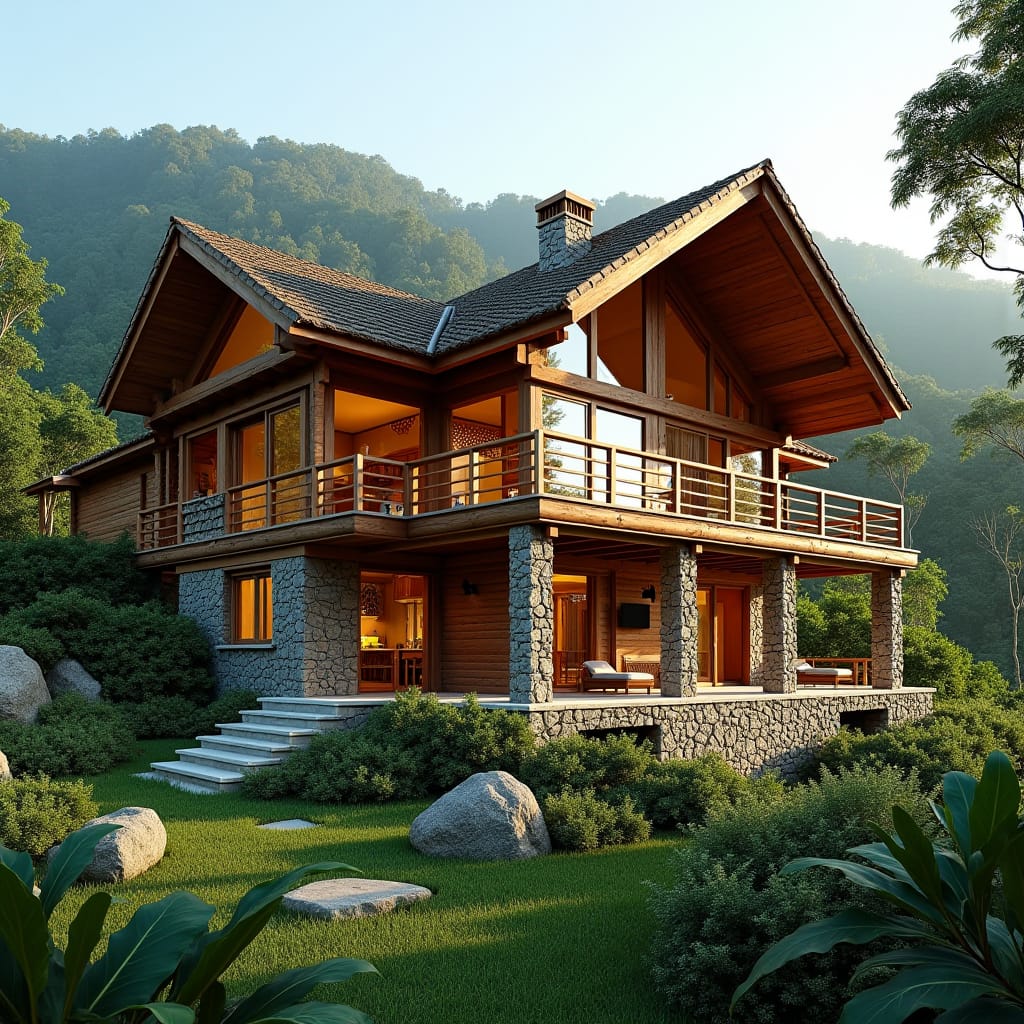
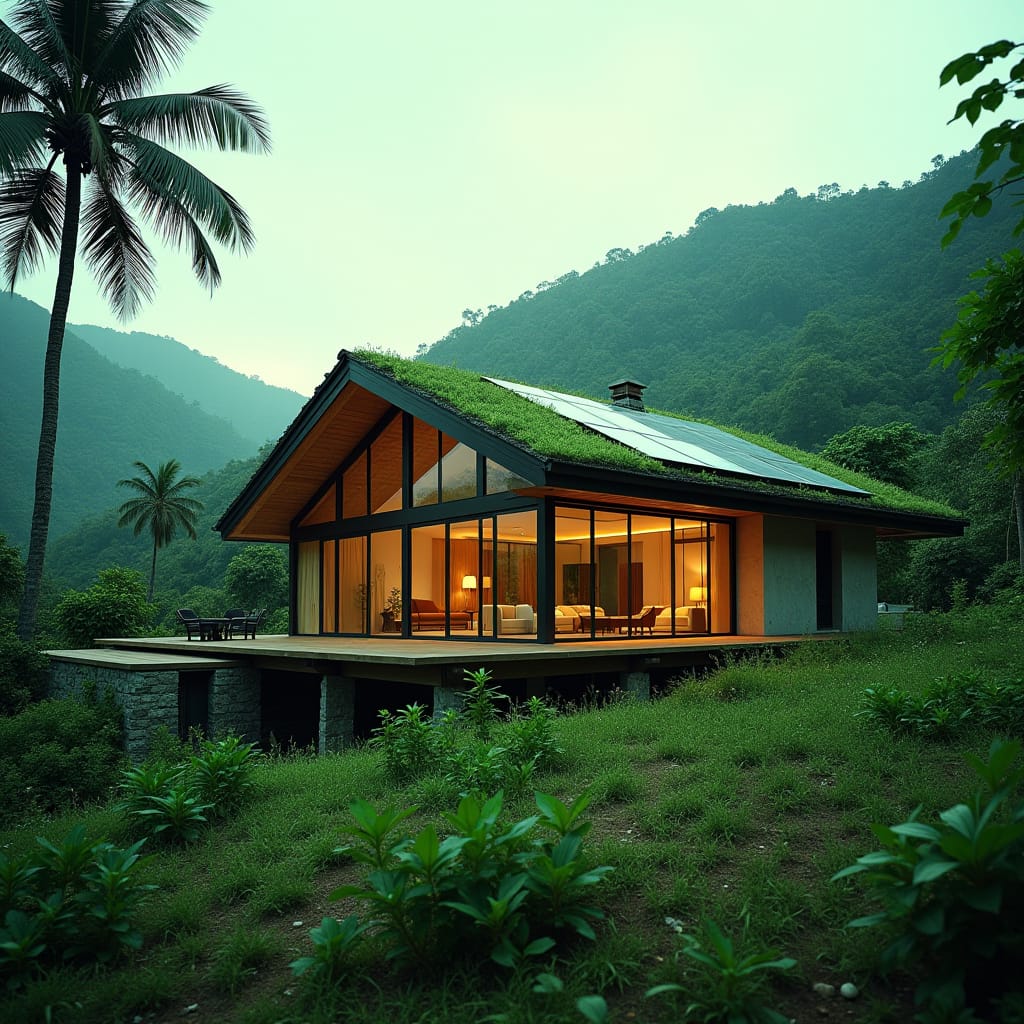
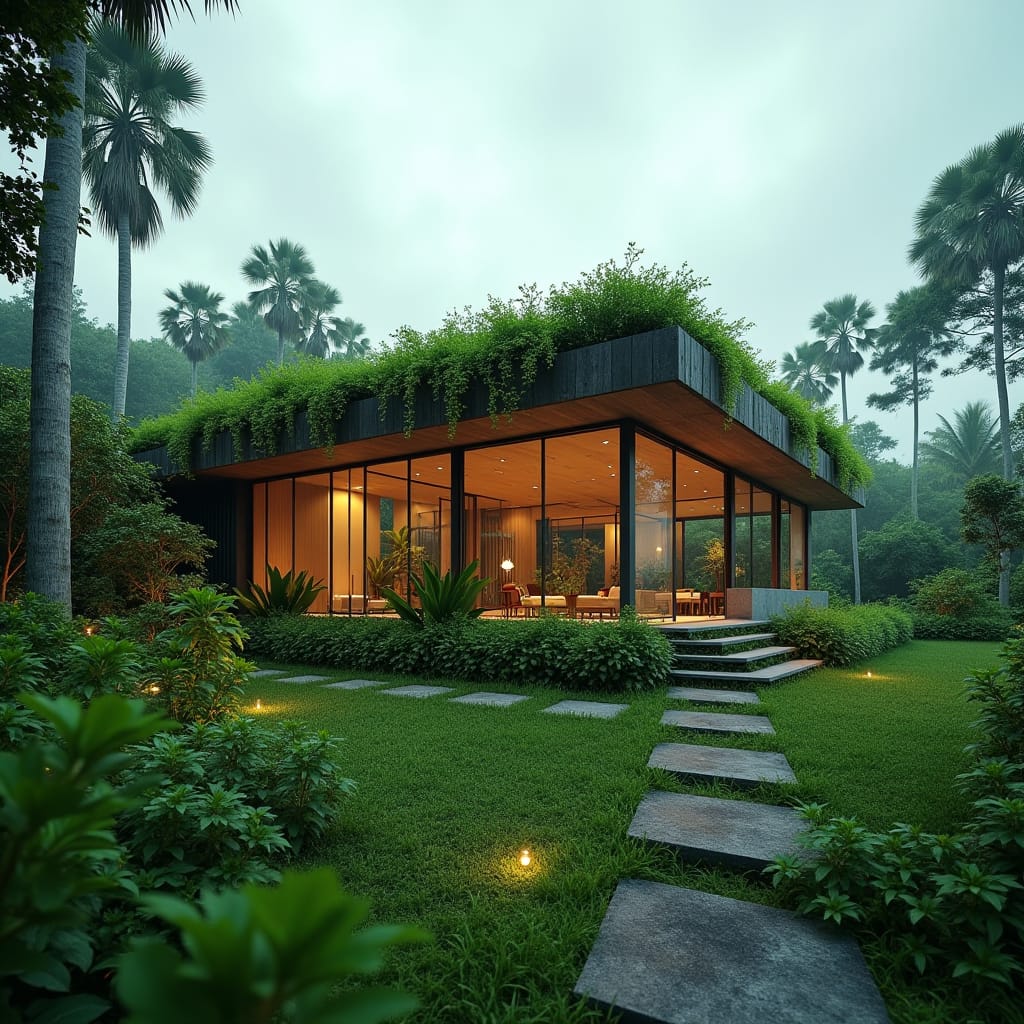
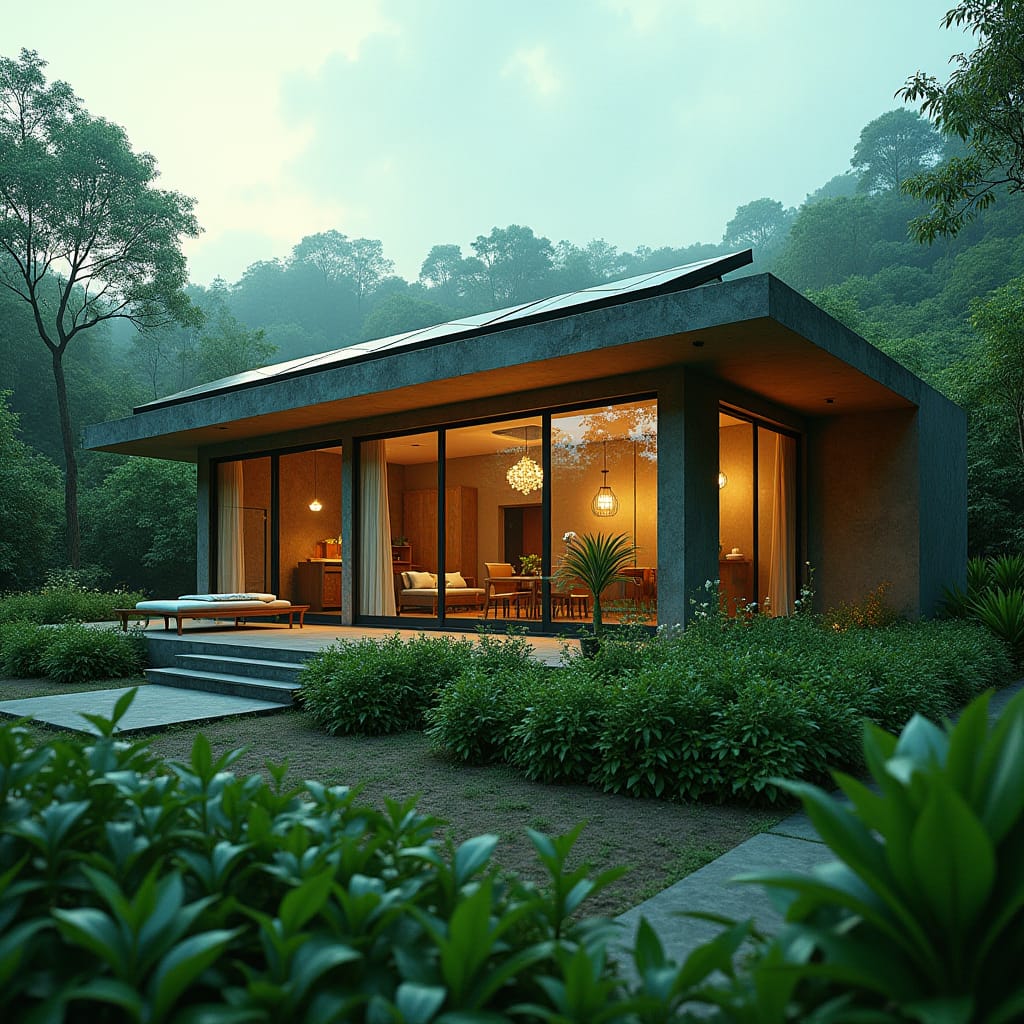
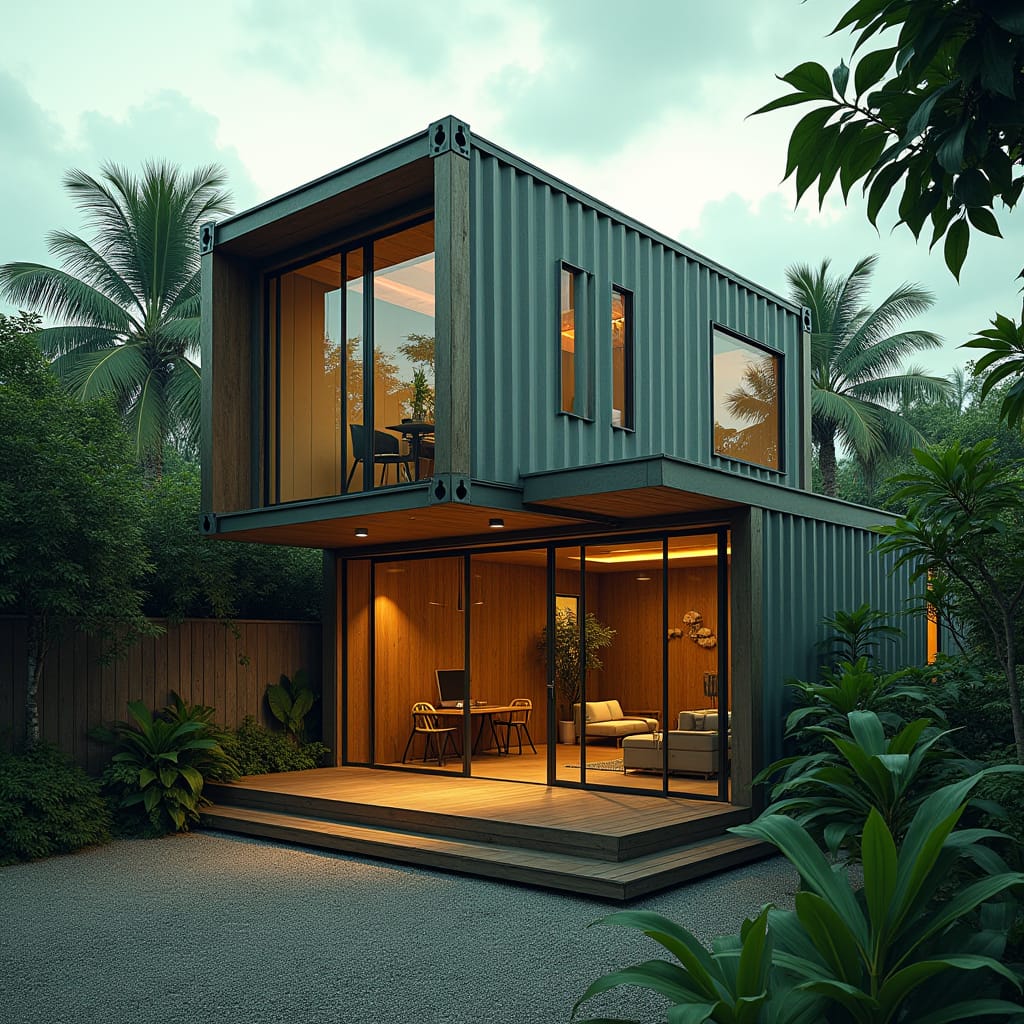
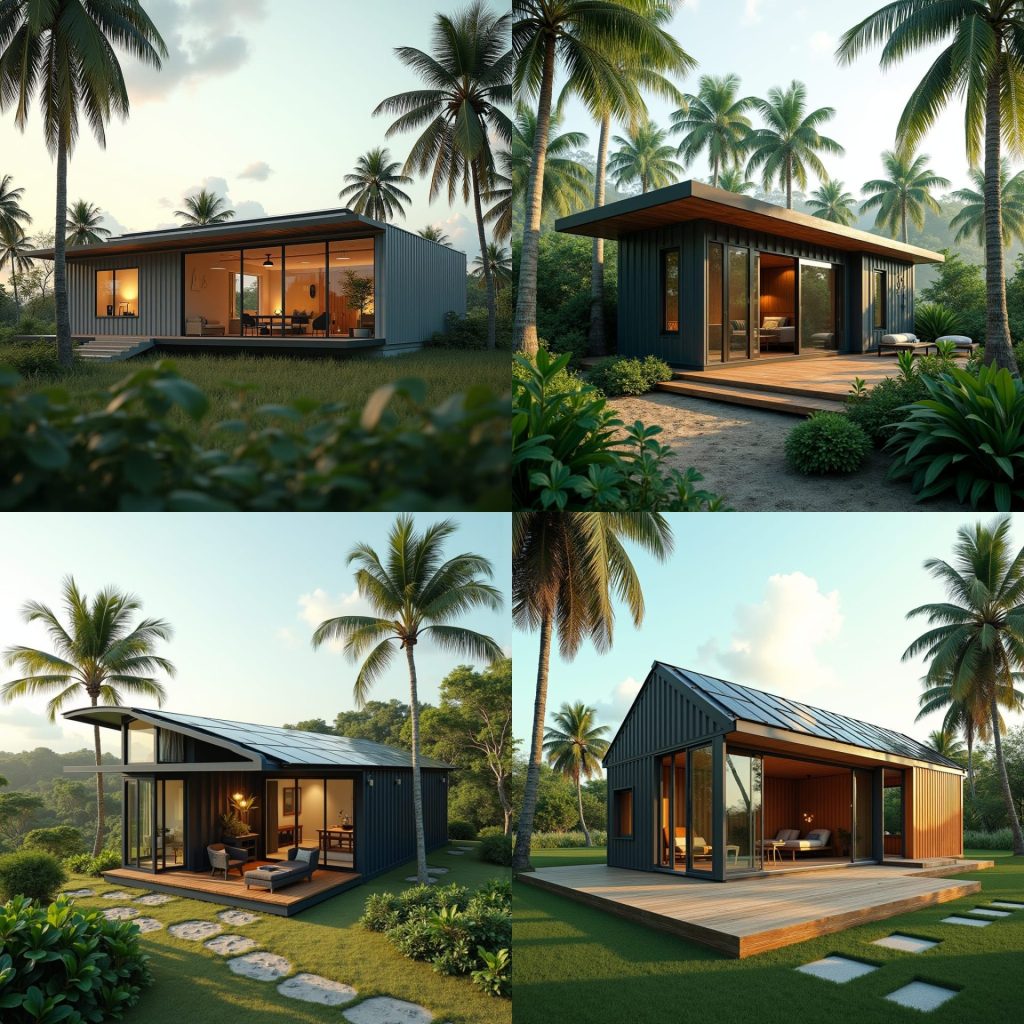
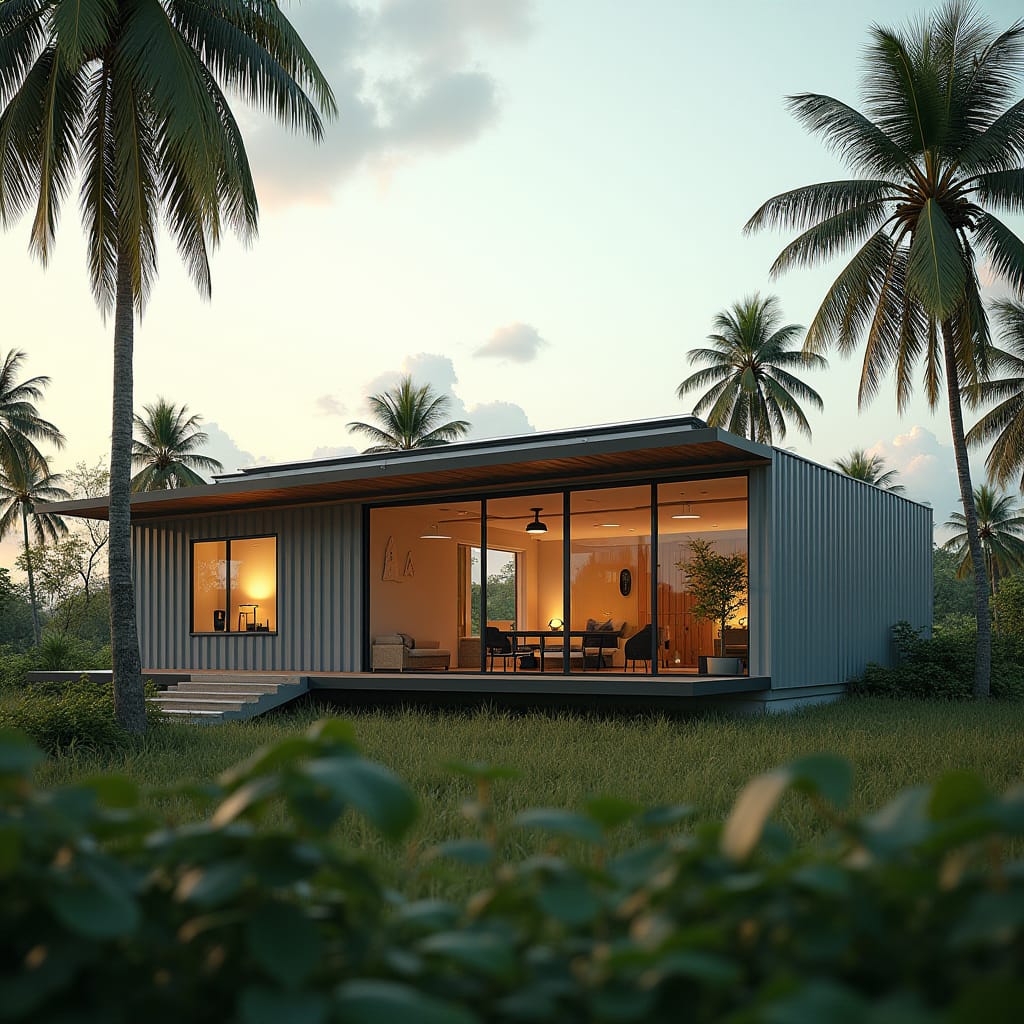
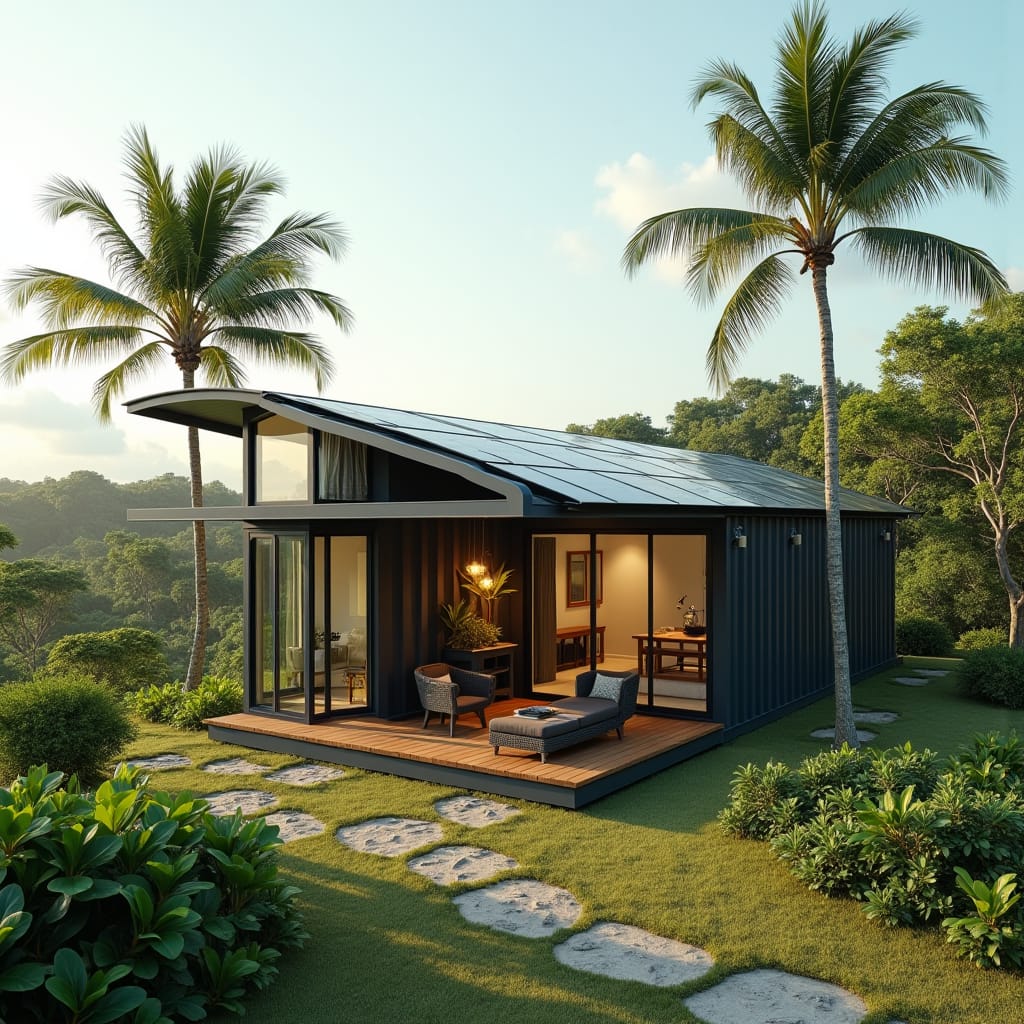
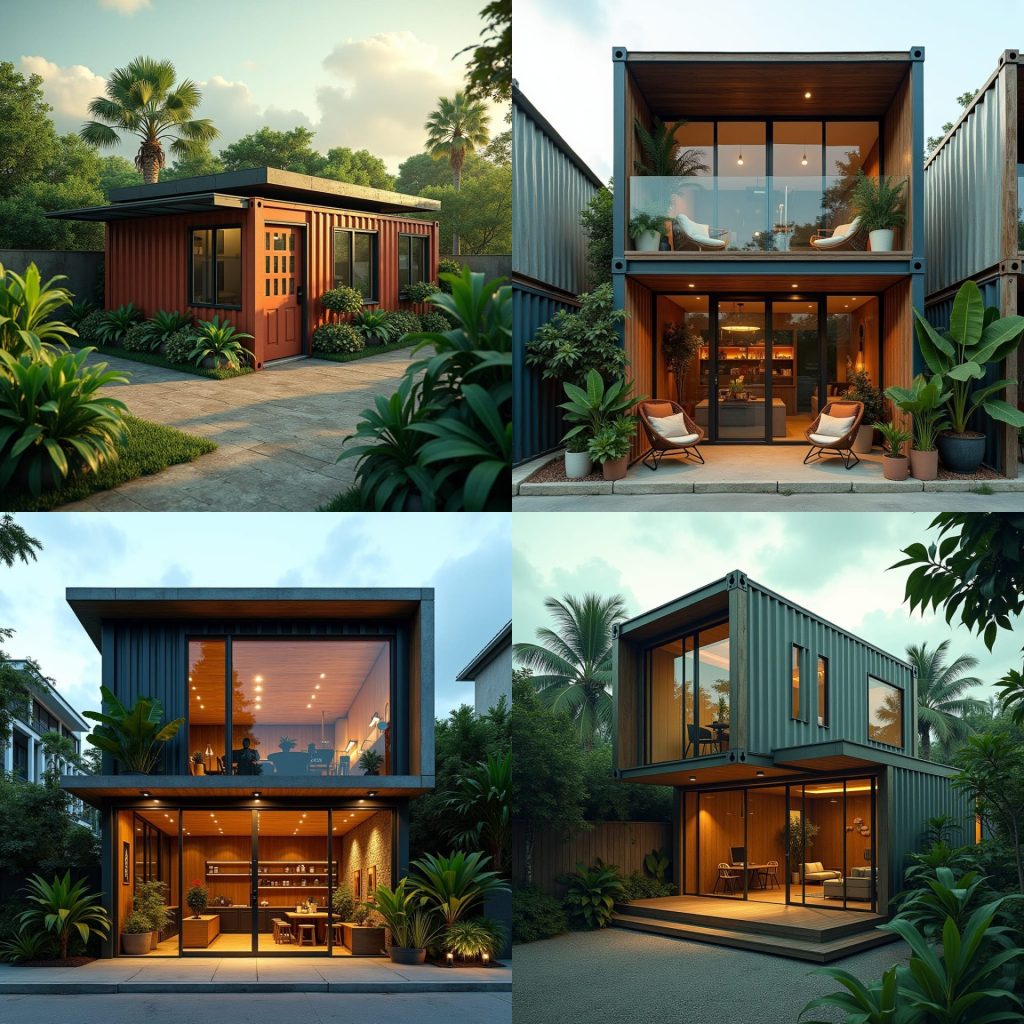
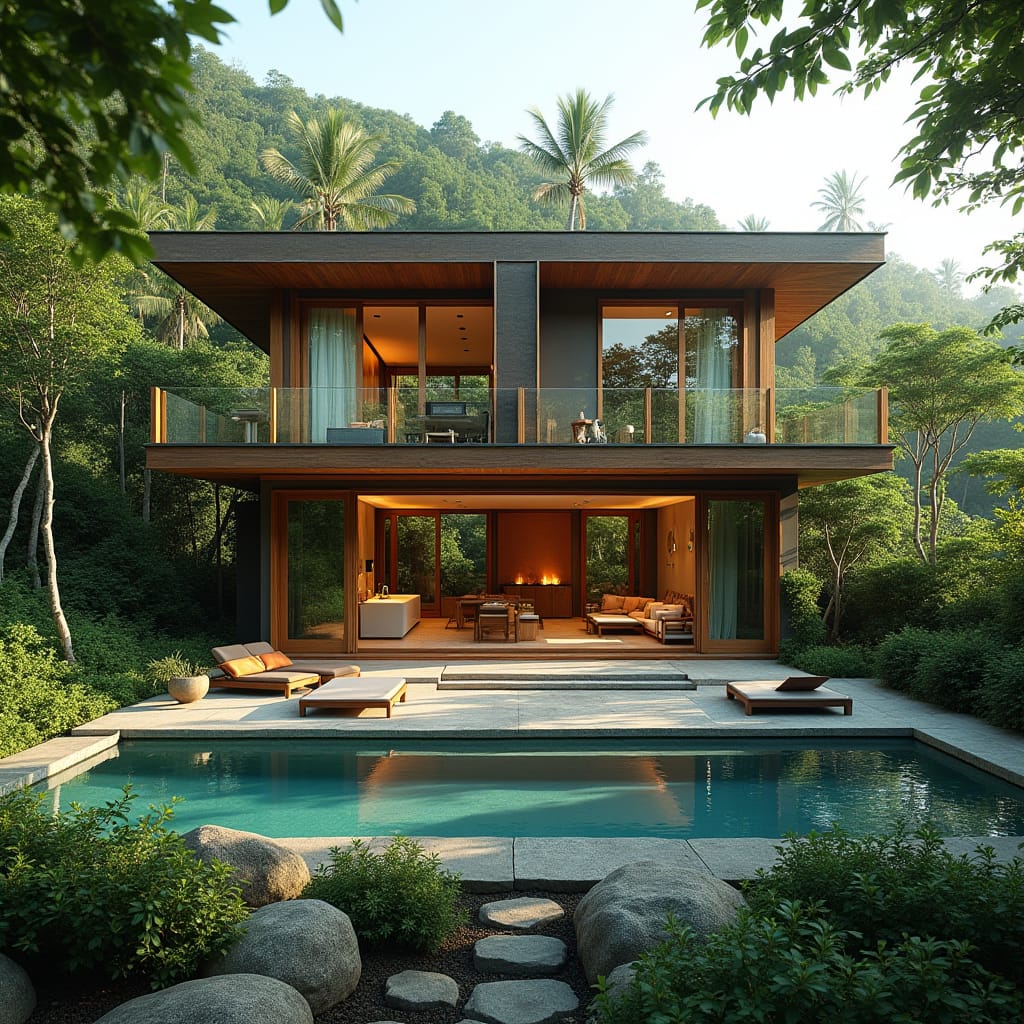
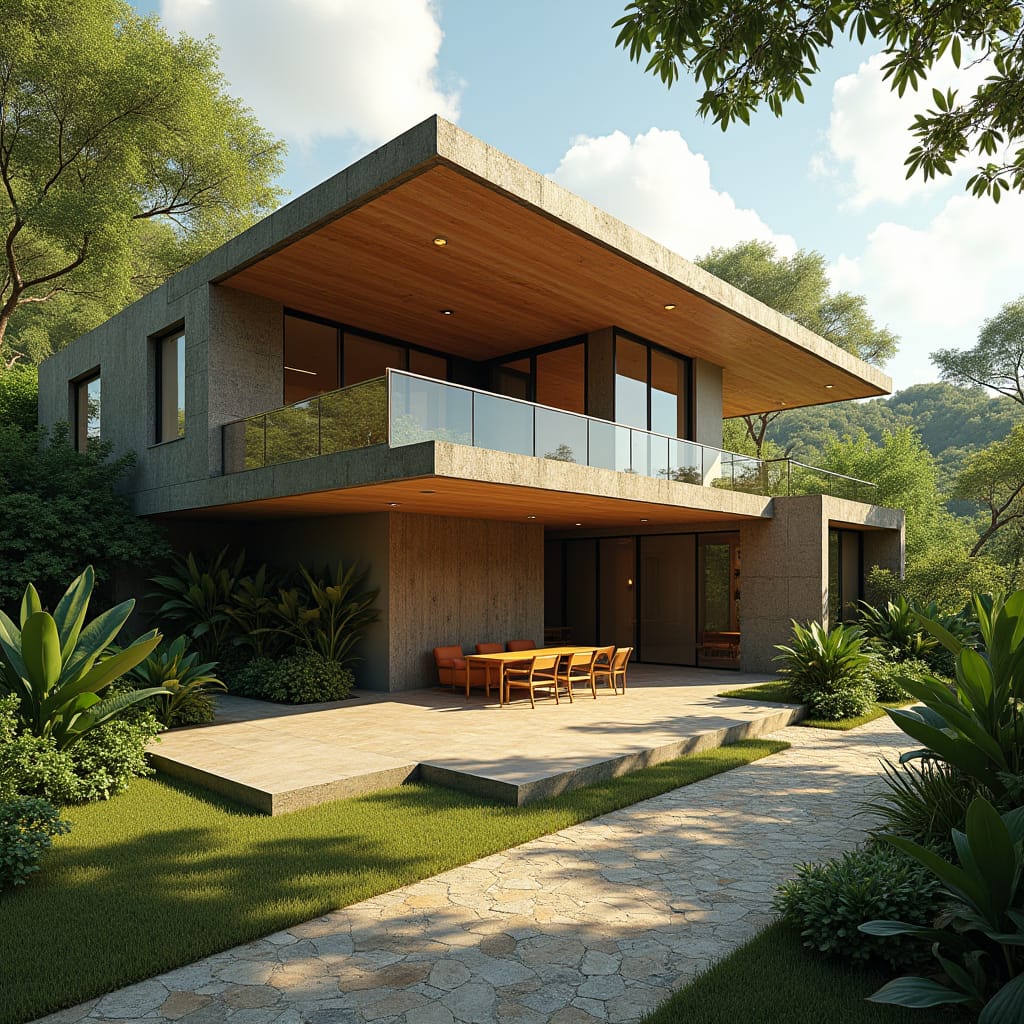
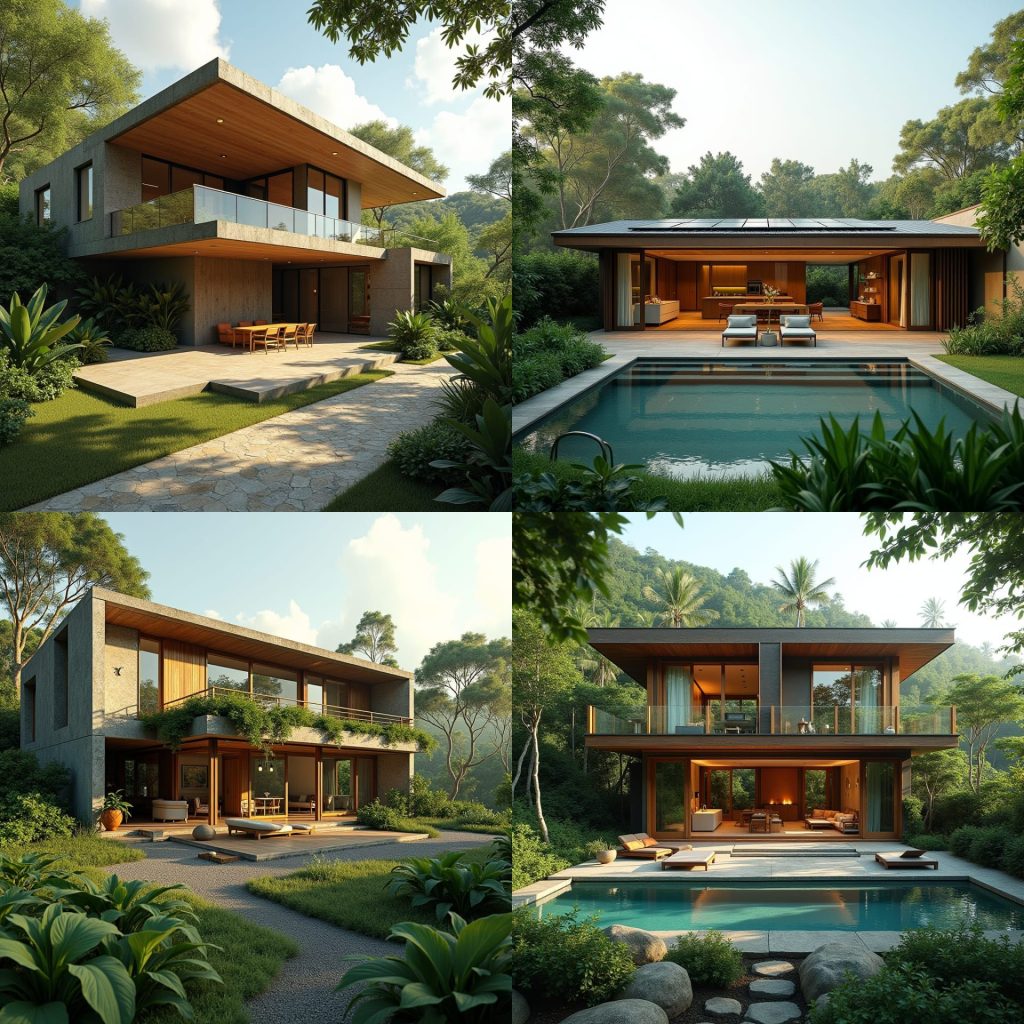
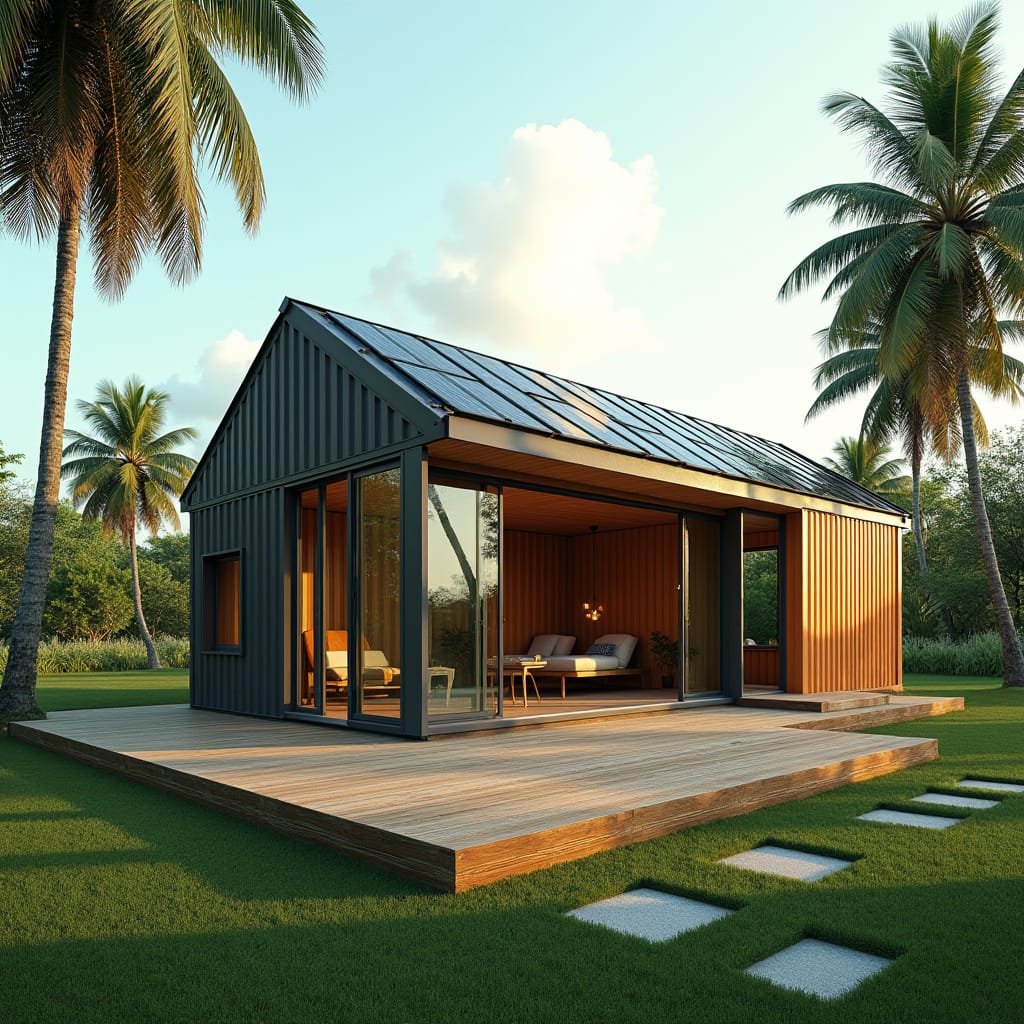
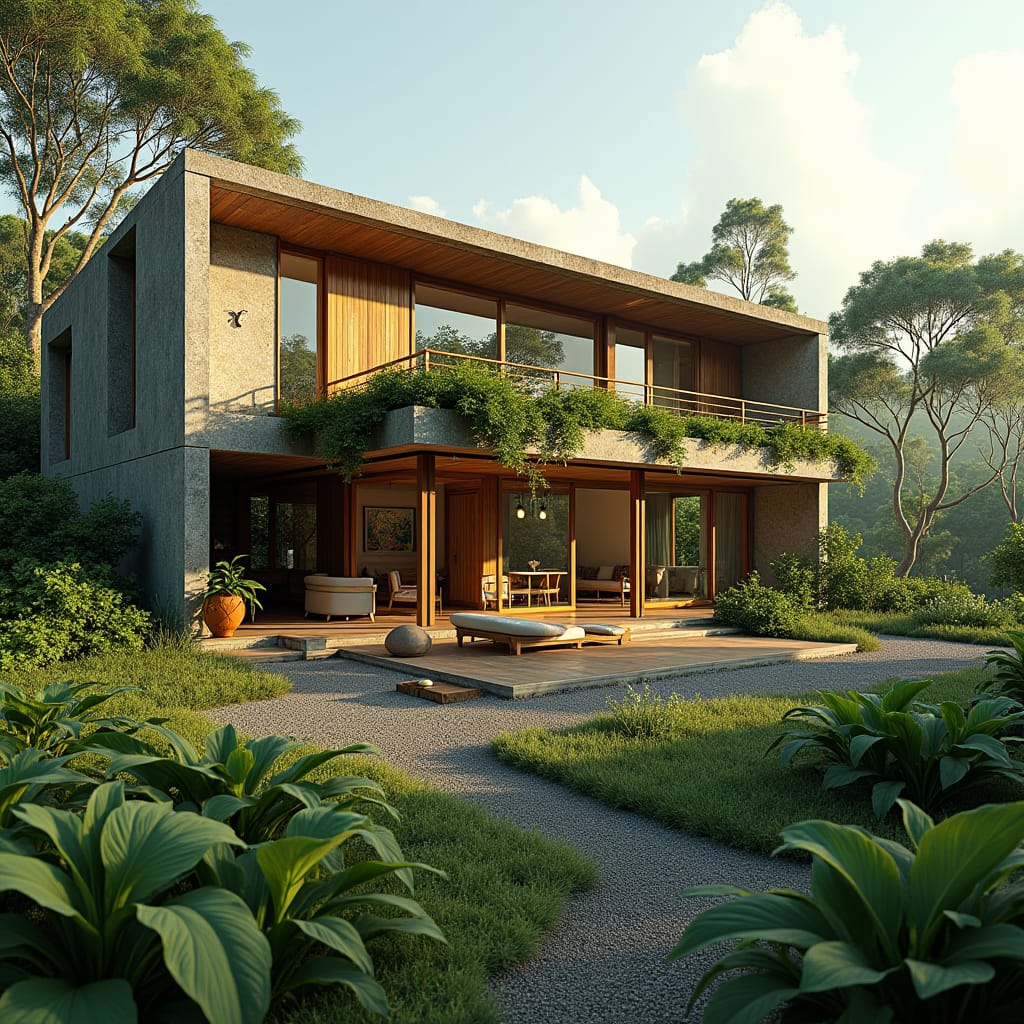
Luxurious eco-resort on Montego Bay’s beachfront, Jamaica, showcasing sustainable bamboo architecture, solar panels, and expansive open-air pavilions, seamlessly integrating lush tropical greenery, natural pools, and breathtaking cliffside views through floor-to-ceiling glass walls, blending traditional Jamaican craftsmanship with modern eco-friendly design elements.Luxurious eco-resort on Montego Bay’s beachfront, Jamaica, showcasing sustainable bamboo architecture, solar panels, and expansive open-air pavilions, seamlessly integrating lush tropical greenery, natural pools, and breathtaking cliffside views through floor-to-ceiling glass walls, blending traditional Jamaican craftsmanship with modern eco-friendly design elements.A serene Jamaican coastline with lush greenery and crystal-clear waters, featuring an eco-resort with solar-powered villas, crafted from reclaimed wood and sustainable materials, blending seamlessly into the surroundings. Rainwater harvesting systems and lush green roofs harmonize with the natural landscape, as tourists and locals alike enjoy the tranquil atmosphere. Cinematic lighting dances across the scene, with warm hues of golden hour casting a magical glow, reminiscent of a Stanley Kubrick film.A luxurious Jamaican resort, nestled among lush green hills and turquoise waters, featuring sleek, solar-powered buildings with curved lines and angular silhouettes, crafted from eco-conscious materials such as reclaimed wood and low-carbon concrete, with lush vegetation integrated into the design, showcasing a seamless blend of natural beauty and sustainable architectureIn the heart of New Kingston, Jamaica, a futuristic co-living space rises, catering to young professionals with a passion for innovation and community. The building’s sleek, modern façade is crafted from sustainable materials, with solar panels seamlessly integrated into its design, reflecting the warm Caribbean light. A rooftop oasis beckons, where lush greenery thrives, providing a serene escape from the bustling city below. Inside, the minimalist aesthetic prevails, with clean lines, ample natural light, and an emphasis on shared workspaces that foster collaboration and creativity. Smart home features are subtly woven throughout, ensuring a seamless and efficient living experience. Flexible living spaces adapt to the diverse needs of its inhabitants, promoting a sense of community and connection. Sleek, modern co-living building in New Kingston, Jamaica, with young professionals lounging in shared workspaces and relaxing on lush green rooftops. Minimalist design elements, such as floor-to-ceiling windows, industrial-chic accents, and reclaimed wood, blend seamlessly with cutting-edge smart home features and sustainable materials. Solar panels adorn the rooftop, while flexible living spaces foster a sense of community among residents.Rendered image of a Flexidential modern property, showcasing a sleek, contemporary design with clean lines and open-concept spaces. The property features adaptable interiors with multi-purpose rooms that easily transform to suit various needs—such as a living area that can double as a home office or guest space. Large floor-to-ceiling windows allow natural light to flow through, creating a bright and inviting atmosphere that emphasizes flexibility and functionality. The exterior combines minimalist architecture with sustainable materials, blending seamlessly into its surroundings. This Flexidential home embodies a forward-thinking approach to modern living, where each space is designed to evolve with its occupants.Rendered image of a Flexidential modern property, showcasing a sleek, contemporary design with clean lines and open-concept spaces. The property features adaptable interiors with multi-purpose rooms that easily transform to suit various needs—such as a living area that can double as a home office or guest space. Large floor-to-ceiling windows allow natural light to flow through, creating a bright and inviting atmosphere that emphasizes flexibility and functionality. The exterior combines minimalist architecture with sustainable materials, blending seamlessly into its surroundings. This Flexidential home embodies a forward-thinking approach to modern living, where each space is designed to evolve with its occupants.Rendered image of a Flexidential modern property, showcasing a sleek, contemporary design with clean lines and open-concept spaces. The property features adaptable interiors with multi-purpose rooms that easily transform to suit various needs—such as a living area that can double as a home office or guest space. Large floor-to-ceiling windows allow natural light to flow through, creating a bright and inviting atmosphere that emphasizes flexibility and functionality. The exterior combines minimalist architecture with sustainable materials, blending seamlessly into its surroundings. This Flexidential home embodies a forward-thinking approach to modern living, where each space is designed to evolve with its occupants.Young professionals socializing in a futuristic co-living space in New Kingston, Jamaica, with sleek, modern minimalist architecture, incorporating sustainable materials, solar panels, and lush green rooftops, amidst a vibrant, cinematic atmosphere. The building’s façade is sleek and angular, with large windows and a neutral color palette, juxtaposed with the warmth of the Jamaican sunset. Shared workspaces and communal areas are illuminated with soft, cinematic lighting, evoking a sense of community and collaboration. A majestic cultural arts center in Kingston, Jamaica, blending traditional Jamaican architectural elements with modern flair, as if plucked from a cinematic dream. Warm, golden light dances across the building’s textured façade, evoking the island’s rich heritage. Earthy tones of natural stone and wood harmonize with vibrant hues, echoing the rhythms of reggae music. Bold, geometric patterns inspired by traditional Jamaican textiles adorn the walls, infusing the space with energy. Open courtyards, reminiscent of ancient African and Caribbean gathering spaces, invite community and creativity to flourish. Sunlight filters through the lush tropical foliage, casting dappled shadows on the polished stone floors. Art exhibitions and performances come alive within the center’s fluid, organic spaces, while community gatherings and festivals spill out into the vibrant streets of Kingston. Inspired by the works of architect Frank Lloyd Wright and the Afro-Caribbean aesthetic of artists like Errol Lloyd and Ebony G. Patterson, this cultural oasis embodies the spirit of Jamaican creativity and resilience. The building’s design weaves together sustainable materials and innovative building techniques, creating a shining example of eco-friendly architecture in the Caribbean. As the camera pans across the center’s sweeping lines and dynamic spaces, the image comes alive with the pulse of Jamaican culture. Imagine a futuristic retirement community nestled in the rolling hills of Jamaica, where tranquility meets modern innovation. This eco-friendly haven features sustainable, solar-powered villas designed with spacious open-floor plans, large glass windows, and green roofs that seamlessly blend with the lush natural surroundings. Each residence offers panoramic views of the Caribbean Sea, framed by tropical gardens, while the community is equipped with state-of-the-art healthcare facilities, wellness centers, and communal spaces for dining and social activities. Walking paths wind through botanical gardens, leading to beachside relaxation areas. Smart home technologies, energy-efficient designs, and water harvesting systems ensure that retirees enjoy both luxury and sustainability in this serene island paradise.Imagine a futuristic retirement community nestled in the rolling hills of Jamaica, where tranquility meets modern innovation. This eco-friendly haven features sustainable, solar-powered villas designed with spacious open-floor plans, large glass windows, and green roofs that seamlessly blend with the lush natural surroundings. Each residence offers panoramic views of the Caribbean Sea, framed by tropical gardens, while the community is equipped with state-of-the-art healthcare facilities, wellness centers, and communal spaces for dining and social activities. Walking paths wind through botanical gardens, leading to beachside relaxation areas. Smart home technologies, energy-efficient designs, and water harvesting systems ensure that retirees enjoy both luxury and sustainability in this serene island paradise.A skyscraper built to resemble a cascading waterfall, with each level jutting out slightly over the one below. The exterior of the building has water flowing down its sides, creating the illusion of a waterfall running down the entire structure. The water is recycled through a system that powers the building’s cooling system, while tropical gardens fill the terraces. Waterfall-inspired, sustainable, fluid design, tropical integration.A skyscraper built to resemble a cascading waterfall, with each level jutting out slightly over the one below. The exterior of the building has water flowing down its sides, creating the illusion of a waterfall running down the entire structure. The water is recycled through a system that powers the building’s cooling system, while tropical gardens fill the terraces. Waterfall-inspired, sustainable, fluid design, tropical integration.A skyscraper built to resemble a cascading waterfall, with each level jutting out slightly over the one below. The exterior of the building has water flowing down its sides, creating the illusion of a waterfall running down the entire structure. The water is recycled through a system that powers the building’s cooling system, while tropical gardens fill the terraces. Waterfall-inspired, sustainable, fluid design, tropical integration.Imagine a futuristic retirement community nestled in the rolling hills of Jamaica, where tranquility meets modern innovation. This eco-friendly haven features sustainable, solar-powered villas designed with spacious open-floor plans, large glass windows, and green roofs that seamlessly blend with the lush natural surroundings. Each residence offers panoramic views of the Caribbean Sea, framed by tropical gardens, while the community is equipped with state-of-the-art healthcare facilities, wellness centers, and communal spaces for dining and social activities. Walking paths wind through botanical gardens, leading to beachside relaxation areas. Smart home technologies, energy-efficient designs, and water harvesting systems ensure that retirees enjoy both luxury and sustainability in this serene island paradise.Imagine a futuristic retirement community nestled in the rolling hills of Jamaica, where tranquility meets modern innovation. This eco-friendly haven features sustainable, solar-powered villas designed with spacious open-floor plans, large glass windows, and green roofs that seamlessly blend with the lush natural surroundings. Each residence offers panoramic views of the Caribbean Sea, framed by tropical gardens, while the community is equipped with state-of-the-art healthcare facilities, wellness centers, and communal spaces for dining and social activities. Walking paths wind through botanical gardens, leading to beachside relaxation areas. Smart home technologies, energy-efficient designs, and water harvesting systems ensure that retirees enjoy both luxury and sustainability in this serene island paradise.Imagine a futuristic retirement community nestled in the rolling hills of Jamaica, where tranquility meets modern innovation. This eco-friendly haven features sustainable, solar-powered villas designed with spacious open-floor plans, large glass windows, and green roofs that seamlessly blend with the lush natural surroundings. Each residence offers panoramic views of the Caribbean Sea, framed by tropical gardens, while the community is equipped with state-of-the-art healthcare facilities, wellness centers, and communal spaces for dining and social activities. Walking paths wind through botanical gardens, leading to beachside relaxation areas. Smart home technologies, energy-efficient designs, and water harvesting systems ensure that retirees enjoy both luxury and sustainability in this serene island paradise.Modern Green sustainable block of buildings in jamaica, green roof, water harvesting, lots of glass. solar planels on roof with shops belowModern Green sustainable block of buildings in jamaica, green roof, water harvesting, lots of glass. solar planels on roof with shops belowModern Green sustainable block of buildings in jamaica, green roof, water harvesting, lots of glass. solar planels on roof with shops belowIn the lush, vibrant heart of Kingston, Jamaica, a cluster of sleek, modern treehouse prefabs blend seamlessly into the tropical canopy, their curved lines and sustainable architecture evoking a sense of harmony with nature. Warm, golden light, reminiscent of a Caribbean sunset, filters through the leafy foliage, casting dappled shadows on the prefabs’ weathered wood exteriors. As the camera pans across the scene, the atmosphere is alive with the sounds of the city, distant reggae rhythms and the sweet scent of blooming flowers carried on the breeze.A modern container structure in Jamaica, cleverly designed as a half-shop, half-home. The lower half serves as a sleek, minimalist storefront with large glass doors, blending commercial functionality with contemporary design. The upper half is a cozy, eco-friendly living space made from repurposed shipping containers, featuring large windows for natural light, solar panels for energy efficiency, and rainwater harvesting tanks. The exterior combines raw steel with wooden accents, giving it an industrial yet stylish look. Surrounded by a few tropical plants, the structure fits seamlessly into the urban setting. Industrial chic, sustainable design, multifunctional living.A modern container structure in Jamaica, cleverly designed as a half-shop, half-home. The lower half serves as a sleek, minimalist storefront with large glass doors, blending commercial functionality with contemporary design. The upper half is a cozy, eco-friendly living space made from repurposed shipping containers, featuring large windows for natural light, solar panels for energy efficiency, and rainwater harvesting tanks. The exterior combines raw steel with wooden accents, giving it an industrial yet stylish look. Surrounded by a few tropical plants, the structure fits seamlessly into the urban setting. Industrial chic, sustainable design, multifunctional living.A multi-story log cabin nestled in the lush hills of Jamaica, constructed from locally sourced timber logs with a natural stone foundation. The ground floor features an open-concept design with a spacious living room, dining area, and modern kitchen, all adorned with large panoramic windows that offer breathtaking views of the surrounding landscape. A rustic stone fireplace adds warmth to the cozy living space. The upper levels house bedrooms with private balconies, and the master suite boasts an en-suite bathroom. The wrap-around porch invites relaxation, complemented by a fire pit area made of logs and natural stone. The landscape includes native plants, enhancing the cabin’s connection to nature. Sustainable features like solar panels and a rainwater harvesting system integrate modern living with eco-friendly practices. Rustic yet modern aesthetic with warm wood tones and natural textures, emphasizing outdoor living.Contemporary green home in Jamaica featuring a stunning green roof, solar panels, extensive use of glass for natural light, and an innovative rainwater harvesting system. A perfect blend of sustainable design and modern aesthetics.Contemporary green home in Jamaica featuring a stunning green roof, solar panels, extensive use of glass for natural light, and an innovative rainwater harvesting system. A perfect blend of sustainable design and modern aesthetics.Contemporary green home in Jamaica featuring a stunning green roof, solar panels, extensive use of glass for natural light, and an innovative rainwater harvesting system. A perfect blend of sustainable design and modern aesthetics.Contemporary green home in Jamaica featuring a stunning green roof, solar panels, extensive use of glass for natural light, and an innovative rainwater harvesting system. A perfect blend of sustainable design and modern aesthetics.A modern container structure in Jamaica, cleverly designed as a half-shop, half-home. The lower half serves as a sleek, minimalist storefront with large glass doors, blending commercial functionality with contemporary design. The upper half is a cozy, eco-friendly living space made from repurposed shipping containers, featuring large windows for natural light, solar panels for energy efficiency, and rainwater harvesting tanks. The exterior combines raw steel with wooden accents, giving it an industrial yet stylish look. Surrounded by a few tropical plants, the structure fits seamlessly into the urban setting. Industrial chic, sustainable design, multifunctional living.A modern container structure in Jamaica, cleverly designed as a half-shop, half-home. The lower half serves as a sleek, minimalist storefront with large glass doors, blending commercial functionality with contemporary design. The upper half is a cozy, eco-friendly living space made from repurposed shipping containers, featuring large windows for natural light, solar panels for energy efficiency, and rainwater harvesting tanks. The exterior combines raw steel with wooden accents, giving it an industrial yet stylish look. Surrounded by a few tropical plants, the structure fits seamlessly into the urban setting. Industrial chic, sustainable design, multifunctional living.A sleek, eco-friendly container house in Jamaica, designed with modern aesthetics and sustainability in mind. The home is constructed from repurposed shipping containers, featuring large windows for natural light and ventilation. Solar panels line the roof, providing clean energy, while rainwater harvesting tanks are discreetly placed around the structure. The exterior is a blend of steel, wood accents, and glass, creating a harmonious balance between industrial chic and eco-conscious design. Minimal greenery surrounds the house, with palm trees swaying gently in the tropical breeze, set against a serene Jamaican landscape. Sustainable living, modern container design, tropical eco-home.A sleek, eco-friendly container house in Jamaica, designed with modern aesthetics and sustainability in mind. The home is constructed from repurposed shipping containers, featuring large windows for natural light and ventilation. Solar panels line the roof, providing clean energy, while rainwater harvesting tanks are discreetly placed around the structure. The exterior is a blend of steel, wood accents, and glass, creating a harmonious balance between industrial chic and eco-conscious design. Minimal greenery surrounds the house, with palm trees swaying gently in the tropical breeze, set against a serene Jamaican landscape. Sustainable living, modern container design, tropical eco-home.A sleek, eco-friendly container house in Jamaica, designed with modern aesthetics and sustainability in mind. The home is constructed from repurposed shipping containers, featuring large windows for natural light and ventilation. Solar panels line the roof, providing clean energy, while rainwater harvesting tanks are discreetly placed around the structure. The exterior is a blend of steel, wood accents, and glass, creating a harmonious balance between industrial chic and eco-conscious design. Minimal greenery surrounds the house, with palm trees swaying gently in the tropical breeze, set against a serene Jamaican landscape. Sustainable living, modern container design, tropical eco-home.A modern container structure in Jamaica, cleverly designed as a half-shop, half-home. The lower half serves as a sleek, minimalist storefront with large glass doors, blending commercial functionality with contemporary design. The upper half is a cozy, eco-friendly living space made from repurposed shipping containers, featuring large windows for natural light, solar panels for energy efficiency, and rainwater harvesting tanks. The exterior combines raw steel with wooden accents, giving it an industrial yet stylish look. Surrounded by a few tropical plants, the structure fits seamlessly into the urban setting. Industrial chic, sustainable design, multifunctional living.An eco-friendly home nestled in the vibrant cityA city in Jamaica , like those around the world, is a vibrant Hub of culture, commerce, and community, where the pace of... More of KingstonKingston, the capital city of Jamaica, embodies a dynamic fusion of historical depth and contemporary vitality. Establis... More, Jamaica, designed with sustainability and modern livingModern living represents a dynamic shift in how people design, use, and experience their homes, reflecting evolving life... More in mind. The home features solar panels on the roof, energy-efficient windows, and natural ventilation systems. The exterior blends natural materials like reclaimed wood and stone with sleek contemporary elements. Surrounding the home is a lush garden with native plants and a rainwater harvesting system, creating a serene green space in the middle of the urban landscape. Inside, open-plan living spaces are filled with natural light, with minimalist decor that complements the eco-conscious designDesign is the art and science of creating plans and specifications for the construction of objects, structures, and syst... More. Sustainable architectureArchitecture is the art and science of designing and constructing buildings and spaces that reflect cultural, functional... More, urban oasis, green living.
An eco-friendly home nestled in the vibrant city of Kingston, Jamaica, designed with sustainability and modern living in mind. The home features solar panels on the roof, energy-efficient windows, and natural ventilation systems. The exterior blends natural materials like reclaimed wood and stone with sleek contemporary elements. Surrounding the home is a lush garden with native plants and a rainwater harvesting system, creating a serene green space in the middle of the urban landscape. Inside, open-plan living spaces are filled with natural light, with minimalist decor that complements the eco-conscious design. Sustainable architecture, urban oasis, green living.
An eco-friendly home nestled in the vibrant city of Kingston, Jamaica, designed with sustainability and modern living in mind. The home features solar panels on the roof, energy-efficient windows, and natural ventilation systems. The exterior blends natural materials like reclaimed wood and stone with sleek contemporary elements. Surrounding the home is a lush garden with native plants and a rainwater harvesting system, creating a serene green space in the middle of the urban landscape. Inside, open-plan living spaces are filled with natural light, with minimalist decor that complements the eco-conscious design. Sustainable architecture, urban oasis, green living.An eco-friendly home nestled in the vibrant city of Kingston, Jamaica, designed with sustainability and modern living in mind. The home features solar panels on the roof, energy-efficient windows, and natural ventilation systems. The exterior blends natural materials like reclaimed wood and stone with sleek contemporary elements. Surrounding the home is a lush garden with native plants and a rainwater harvesting system, creating a serene green space in the middle of the urban landscape. Inside, open-plan living spaces are filled with natural light, with minimalist decor that complements the eco-conscious design. Sustainable architecture, urban oasis, green living.An eco-friendly home nestled in the vibrant city of Kingston, Jamaica, designed with sustainability and modern living in mind. The home features solar panels on the roof, energy-efficient windows, and natural ventilation systems. The exterior blends natural materials like reclaimed wood and stone with sleek contemporary elements. Surrounding the home is a lush garden with native plants and a rainwater harvesting system, creating a serene green space in the middle of the urban landscape. Inside, open-plan living spaces are filled with natural light, with minimalist decor that complements the eco-conscious design. Sustainable architecture, urban oasis, green living.A sleek, eco-friendly container house in Jamaica, designed with modern aesthetics and sustainability in mind. The home is constructed from repurposed shipping containers, featuring large windows for natural light and ventilation. Solar panels line the roof, providing clean energy, while rainwater harvesting tanks are discreetly placed around the structure. The exterior is a blend of steel, wood accents, and glass, creating a harmonious balance between industrial chic and eco-conscious design. Minimal greenery surrounds the house, with palm trees swaying gently in the tropical breeze, set against a serene Jamaican landscape. Sustainable living, modern container design, tropical eco-home.An eco-friendly home nestled in the vibrant city of Kingston, Jamaica, designed with sustainability and modern living in mind. The home features solar panels on the roof, energy-efficient windows, and natural ventilation systems. The exterior blends natural materials like reclaimed wood and stone with sleek contemporary elements. Surrounding the home is a lush garden with native plants and a rainwater harvesting system, creating a serene green space in the middle of the urban landscape. Inside, open-plan living spaces are filled with natural light, with minimalist decor that complements the eco-conscious design. Sustainable architecture, urban oasis, green living.
References Baird, G. (2021). Sustainable Buildings and the Environment. Wiley. United Nations (2015). Transforming our world: the 2030 Agenda for Sustainable DevelopmentIn Jamaica, the term "development" can refer to various contexts, each with its unique focus and implications. Real esta... More. World Green Building Council (2022). Advancing Net Zero: The Global RoadmapA roadmap is a strategic plan that outlines the key milestones, deliverables, and timelines necessary to achieve long-te... More.
Jamaica Homes
Jamaica Homes is a premier digital real estate platform and marketplace designed to help sellers, landlords, and developers list their properties with ease—while connecting them to serious buyers, renters, and investors across Jamaica and overseas. Founded by Dean Jones Licensed Realtor® Associate, Jamaica Homes operates as an independent platform that ensures every listing is verified and professionally handled. Whether you’re selling, renting, or marketing new developments, we provide powerful exposure through our website and social media network. More than just a listings hub, Jamaica Homes is your trusted gateway to reaching the right audience—powered by the vibrant spirit of Jamaica.


 by
by