
 by
by 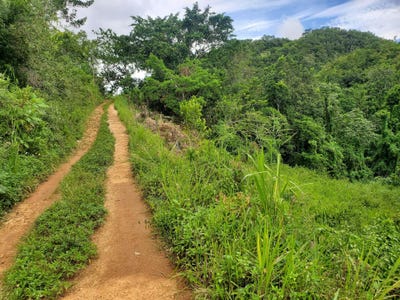
Sligoville, in the hills of St. CatherineSt. Catherine, established in 1664, is one of Jamaica’s seven oldest parishes. Spanning 459.7 square miles, it became ... More, was established in 1835 by Reverend James Mursell Phillippo, a Baptist MinisterIn Jamaica, a Minister is a senior government official responsible for overseeing a particular ministry or department. T... More and abolitionist, to provide former enslaved peopleThe people of Jamaica embody a spirit that is at once richly diverse and unbreakably unified, as captured by the nationa... More with landIn real estate, land is a foundational element that significantly impacts the value and potential of a property. It enco... More after the abolition of the apprenticeship system. Phillippo purchased land and divided it into lots for sale to freed individuals.
Henry Lunan, a former enslaved headman from Hampstead EstateIn Jamaican real estate, an estate refers to the total collection of assets and property owned by an individual, especia... More, bought the first lotIn Jamaican real estate parlance, the term "lot" refers to a parcel of land designated for residential, commercial, or a... More, starting the settlement.
The village was named in honor of Howe Peter Browne, the 2nd Marquis of Sligo, Governor of JamaicaJamaica, with its vibrant culture and stunning landscapes, has a unique position in the global real estate market. The i... More, who played a key role in the emancipation process.
Sligoville, about 10 miles north of Spanish TownSpanish Town is a historic town located in St. Catherine Parish, Jamaica, and was once the island's capital during the S... More, was the first free village in Jamaica, symbolizing independence and hope for the formerly enslaved. It remains a significant part of the country’s history.
