
 by
by 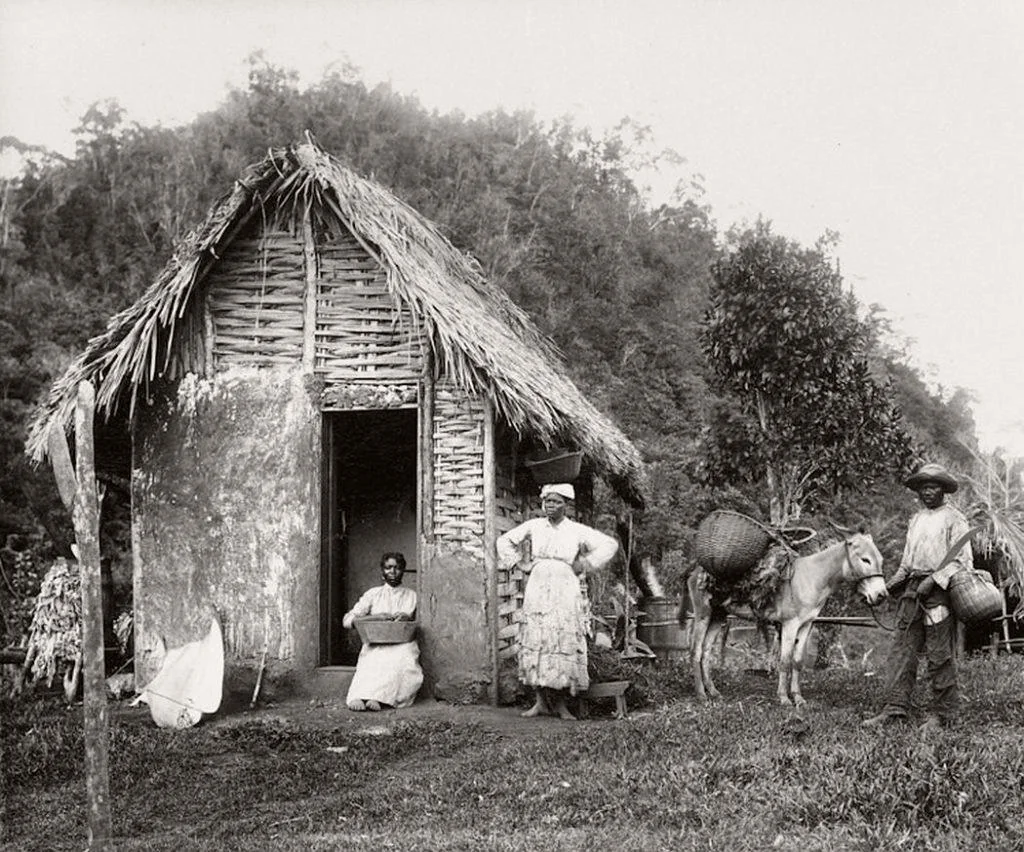
Nigerians have had a profound influence on JamaicaJamaica, with its vibrant culture and stunning landscapes, has a unique position in the global real estate market. The i... More, contributing significantly to the island’s cultural, linguistic, and social landscape. This connection dates back to the transatlantic slave tradeThe Transatlantic Slave Trade was a historic period of extensive and brutal human trafficking that occurred between the ... More, during which a substantial number of enslaved Africans were transported from regions that are now part of Nigeria, such as the IgboThe Igbo people have had a significant impact on Jamaican history and culture, stemming from their arrival on the island... More and Yoruba territories. These groups brought with them their languages, traditions, and customs, many of which have been preserved and integrated into Jamaican cultureJamaican culture reflects centuries of diverse influences, shaped by colonization, migration, and a blend of African, Eu... More over the centuries.
In Jamaica, the impact of Nigerian heritageHeritage, in the context of Jamaica, real estate, and the rest of the world, refers to the tangible and intangible asset... More is particularly evident in the local patois. Words like “unu” (you all), “soso” (only), “deh” (there), “okro” (okra), and “nyam” (to eat) have direct correlations to Igbo and other Nigerian languages. For instance, the Igbo phrase “m di"Di" is one of the most frequently used words in Jamaican Patois, serving as a definite article similar to the English w... More yaYa in Jamaican Patois is a casual way to say "yes," often used to express agreement or affirmation. In real estate conve... More,” meaning “I am here,” is phonetically similar to the JamaicanThe term "Jamaican" encompasses the citizens of Jamaica and their descendants in the Jamaican diaspora, representing a d... More expression “me dehDeh is a Jamaican Patois word that generally means "there" and is used to indicate location or presence. It is versatile... More ya,” conveying the same sentiment. These linguistic parallels highlight the enduring legacyLegacy, in the context of Jamaica, real estate, and the broader world, represents the enduring impact of past actions, a... More of Nigerian languages in Jamaican speech.
Culturally, Nigerian traditions have merged with other AfricanAfricans, in the context of Jamaica, real estate, and the broader world, represent individuals of African descent or tho... More influences to shape various aspects of Jamaican life. The island’s music, dance, religious practices, and festivals often reflect a blend of African customs. The Maroons—communities of escaped enslaved people—exemplify this fusion. While the Maroons initially consisted of individuals from Central African regions like Angola, over time, they incorporated Akan (from present-day Ghana) and Nigerian elements into their society. This amalgamation created a unique cultural identity that persists in MaroonA Maroon is a member of a group of descendants of enslaved Africans who escaped from plantations in the Americas and est... More communities today.
In the realm of real estateReal estate refers to property consisting of land and the structures on it, such as buildings and homes. It also include... More, the Nigerian-Jamaican connection manifests through migration and investment"Investment" in the realm of real estate refers to the allocation of money or resources into property with the expectati... More patterns. Modern-day interactions between the two countries have led to increased Nigerian interest in Jamaican propertyProperty encompasses a wide range of tangible assets that individuals or entities can own, utilize, or invest in, includ... More markets. Nigerians, recognizing the opportunities in Jamaica’s tourismTourism in Jamaica refers to the industry focused on attracting visitors to the island, who come to experience its natur... More and hospitality sectors, have invested in hotels, resortsResorts are specialized destinations designed to offer leisure and recreational activities, blending luxury with relaxat... More, and residential developments. This investment not only strengthens economic ties but also promotes cultural exchange and mutual understanding.
Globally, the Nigerian diasporaIn the context of Jamaica, real estate, and the broader global sphere, diaspora refers to the community of Jamaicans liv... More has established vibrant communities, contributing to multiculturalism and economic developmentIn Jamaica, the term "development" can refer to various contexts, each with its unique focus and implications. Real esta... More in their host countries. In places like the United States, the United Kingdom, and Canada, Nigerians are active in various industries, including real estateIn Jamaican real estate, an estate refers to the total collection of assets and property owned by an individual, especia... More, where they engage in property development, management, and investment. Their entrepreneurial spirit has led to the revitalization of neighborhoodsNeighborhoods, originally defined as geographically localized communities within a city, town, or rural area, serve as t... More and the creation of business opportunities, showcasing the positive impact of Nigerian participation in global real estate markets.
Back in Nigeria, the country’s booming economy and growing populationPopulation refers to the total number of people inhabiting a defined geographic area and encompasses their demographic, ... More have spurred significant growth in the real estate sectorThe real estate sector encompasses the industry dedicated to the acquisition, sale, lease, and development of properties... More. UrbanizationUrbanization is the process by which an increasing number of people move from rural areas to cities and towns, driving t... More has led to increased demand for housing, commercial spaces, and infrastructure development. Nigerian developers and investors are expanding their reach, participating in international projectsA project or projects, within the Jamaican context, refers to a planned endeavor undertaken to achieve specific goals or... More and forming partnerships abroad, including in Jamaica and other parts of the CaribbeanThe Caribbean is a vast region made up of over 700 islands, islets, reefs, and cays. Some of the most well-known islands... More.
The shared history between Nigeria and Jamaica serves as a foundationThe foundation of a building is its underlying support system, designed to distribute the load of the structure and prov... for ongoing cultural and economic collaborations. Educational exchanges, artistic endeavors, and business partnerships continue to strengthen the bonds forged centuries ago. This enduring connection enriches both nations, fostering a deeper appreciationIn Jamaica and globally, appreciation refers to the increase in the value of a property over time, contrasting... More of their intertwined heritage and paving the way for future cooperative ventures.
Discover more from Jamaica Homes
Subscribe to get the latest posts sent to your email.