
 by
by 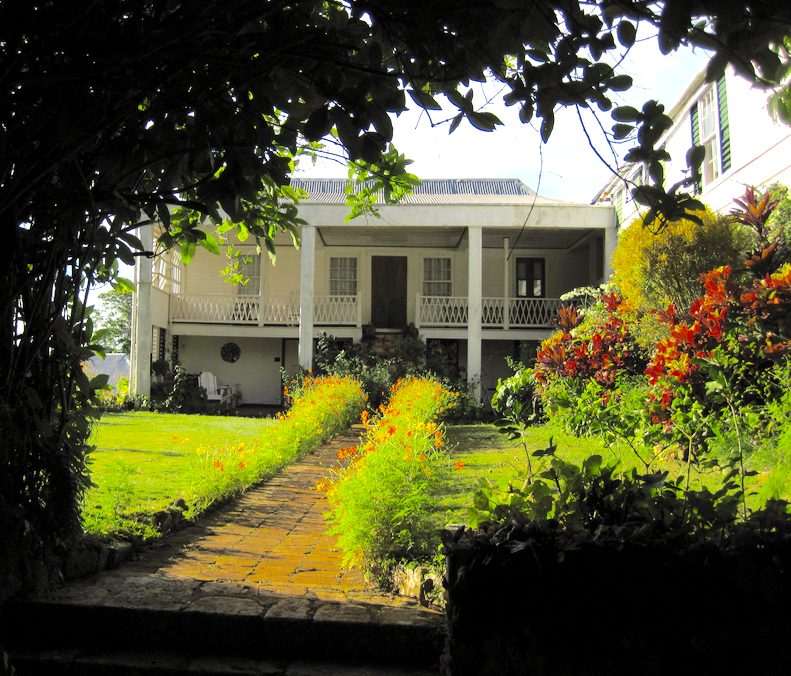
Marshall’s Pen Great HouseA house serves as a fundamental structure designed for residential living, providing shelter and a place for individuals... More, located in ManchesterManchester is a parish located in central Jamaica, known for its cooler climate and picturesque landscapes. Renowned for... More, JamaicaJamaica, with its vibrant culture and stunning landscapes, has a unique position in the global real estate market. The i... More, is a historic propertyProperty encompasses a wide range of tangible assets that individuals or entities can own, utilize, or invest in, includ... More that showcases a unique blend of colonial and local architectural elements. With its sturdy SpanishThe Spanish first arrived in Jamaica in 1494, marking a significant European influence that shaped the island’s early ... More walls, louvre windows, and a striking gabled red roof, the Great House stands as a symbol of Jamaica’s rich history. Over time, several additions have been made to the building, but they have not compromised the integrity of the original designDesign is the art and science of creating plans and specifications for the construction of objects, structures, and syst... More. The surrounding outbuildings are constructed from cut stone, with one featuring an impressive stone chimney. One of the notable features of the estateIn Jamaican real estate, an estate refers to the total collection of assets and property owned by an individual, especia... More is its coffee storage house, which has been converted into a tranquil cottageA cottage is a small, cozy dwelling typically located in rural or semi-rural settings, often characterized by its charm ... More. The property also has a modern upper floor and a walkway across a historic barbecue, providing insight into its history as a coffee producer.
Marshall’s Pen Estate, dating back over two centuries, originally served as a cattle property, which is reflected in its name. The estate gained prominence in 1755 when it was purchased by the Earl of Balcarres, the Governor of Jamaica at the time. In 1853, it was sold to the Muirhead family and later passed into the hands of the Sutton family in 1939. The property ceased coffee production in 1838 due to competition from Brazilian coffee, but its legacyLegacy, in the context of Jamaica, real estate, and the broader world, represents the enduring impact of past actions, a... More lives on through its conversion into a guesthouse and eco-tourism destination. The estate is also of archaeological significance, as it was once a TainoThe Taino were the indigenous people of Jamaica and much of the Caribbean, known for their advanced agricultural techniq... More site. Today, visitors enjoy birdwatching and exploring the eco-tourism offerings at Marshall’s Pen, while appreciating its deep historical roots in JamaicanThe term "Jamaican" encompasses the citizens of Jamaica and their descendants in the Jamaican diaspora, representing a d... More agriculture and culture.
Discover more from Jamaica Homes
Subscribe to get the latest posts sent to your email.